What “Vector Control on Variable Frequency Drives Explained” means on an RFQ
On an RFQ labelled “Vector Control on Variable Frequency Drives Explained”, start with the nameplate and the process setpoint — series choice follows those two numbers.
RFQ data that locks voltage and power class
Specify “Vector Control on Variable Frequency Drives Explained” with motor ratings, process setpoint, ambient/altitude and enclosure. Add array Voc/Vmp if solar-fed; say so if the load regenerates.
Control functions that change field behaviour
Lock open-loop vs closed-loop vector for “Vector Control on Variable Frequency Drives Explained” from the torque/speed need. PMSM vs induction changes autotune and encoder requirements — say which motors are on site.
Site, EMC and protection notes
Environment for “Vector Control on Variable Frequency Drives Explained” decides field life: match IP and cooling to the room you actually have, not the showroom photo.
How Boray series map to this topic
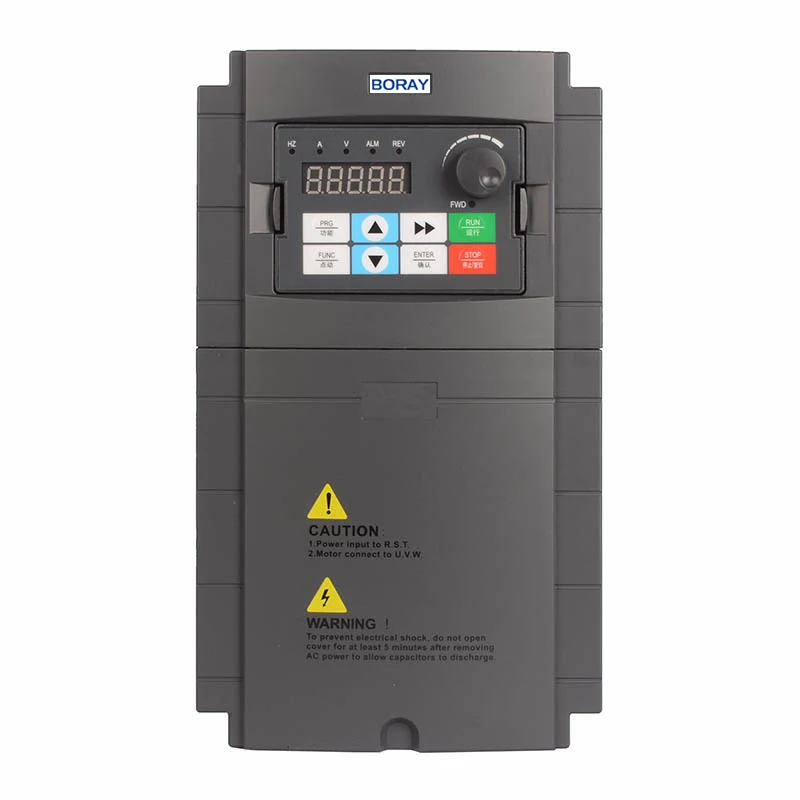
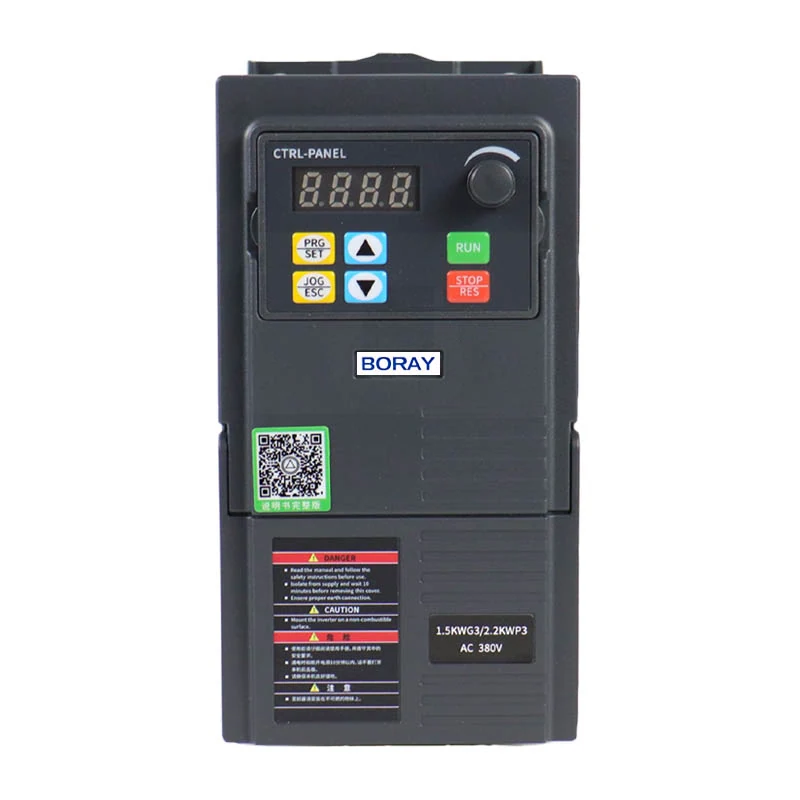
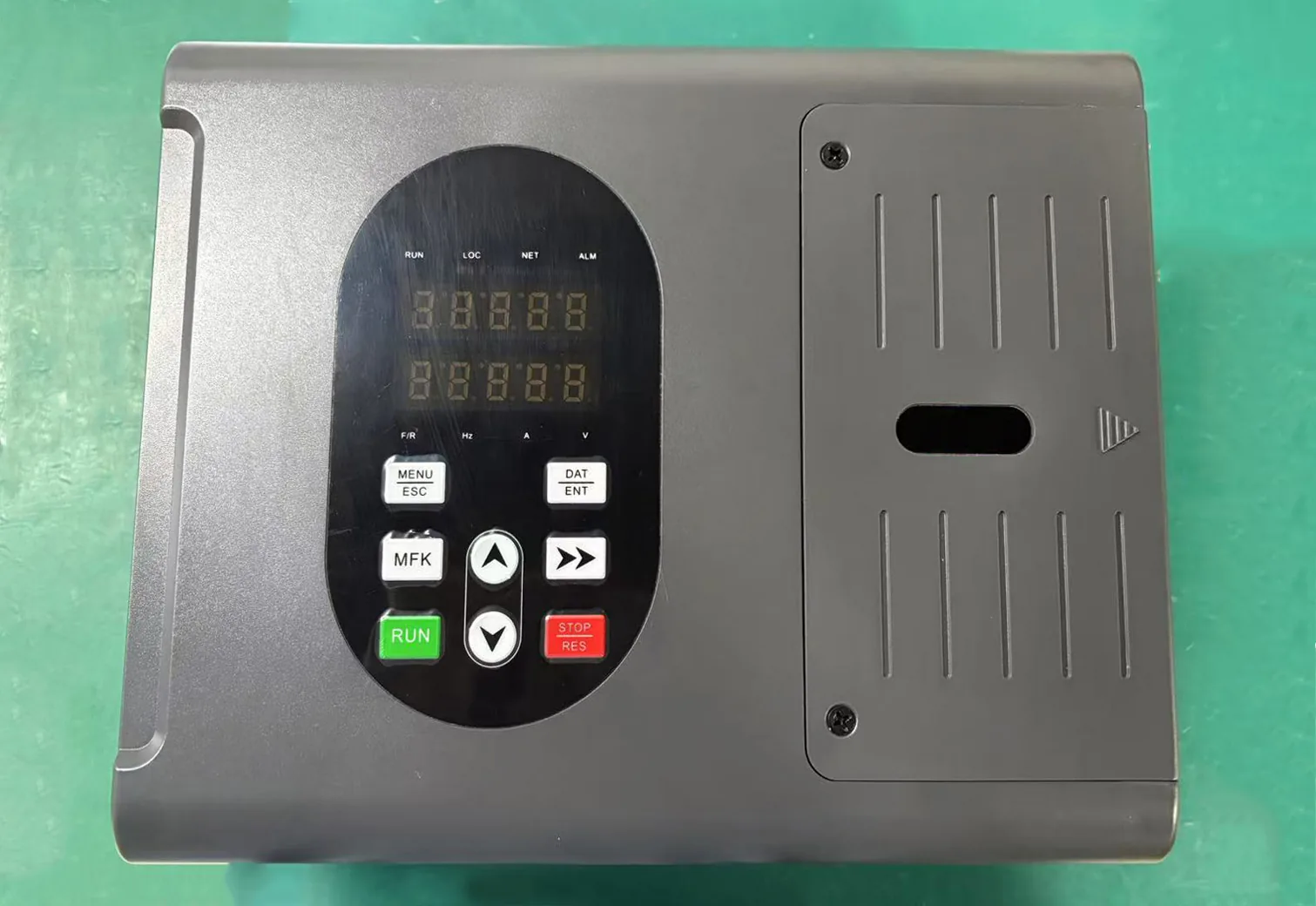
Start “Vector Control on Variable Frequency Drives Explained” with BR100 for compact low-kW OEM panels, BR110 for general industrial vector, AD1000PLUS for high-power/PM precision, FD500 for motor-mounted IP65, FS200/FS300 for constant-pressure pump skids.
Next step with Boray
Send the nameplate photo, duty description and site photos for “Vector Control on Variable Frequency Drives Explained”. Engineering will confirm series and options.