What “Variable Frequency Drive Basics for Pump and Fan Loads” means on an RFQ
Anchor “Variable Frequency Drive Basics for Pump and Fan Loads” on what the drive must do after start-up: continuous speed, soft stop only, MPPT, or regen.
RFQ data that locks voltage and power class
RFQ pack for “Variable Frequency Drive Basics for Pump and Fan Loads”: nameplate photo, process setpoint, enclosure target, cable length estimate and any required communications.
Control functions that change field behaviour
For “Variable Frequency Drive Basics for Pump and Fan Loads”, set overload class, ramp times and stop mode to match the mechanical load — then decide whether fieldbus or analogue I/O is the plant standard.
Site, EMC and protection notes
For “Variable Frequency Drive Basics for Pump and Fan Loads”, write ambient, altitude and cable length on the RFQ — those three change frame size and option codes more than brand preference.
How Boray series map to this topic
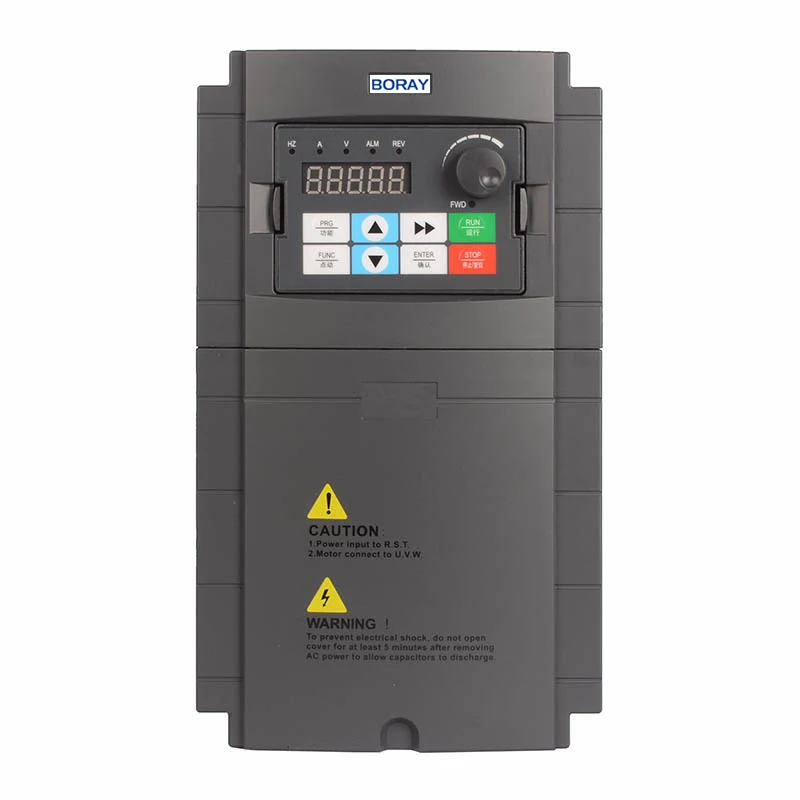
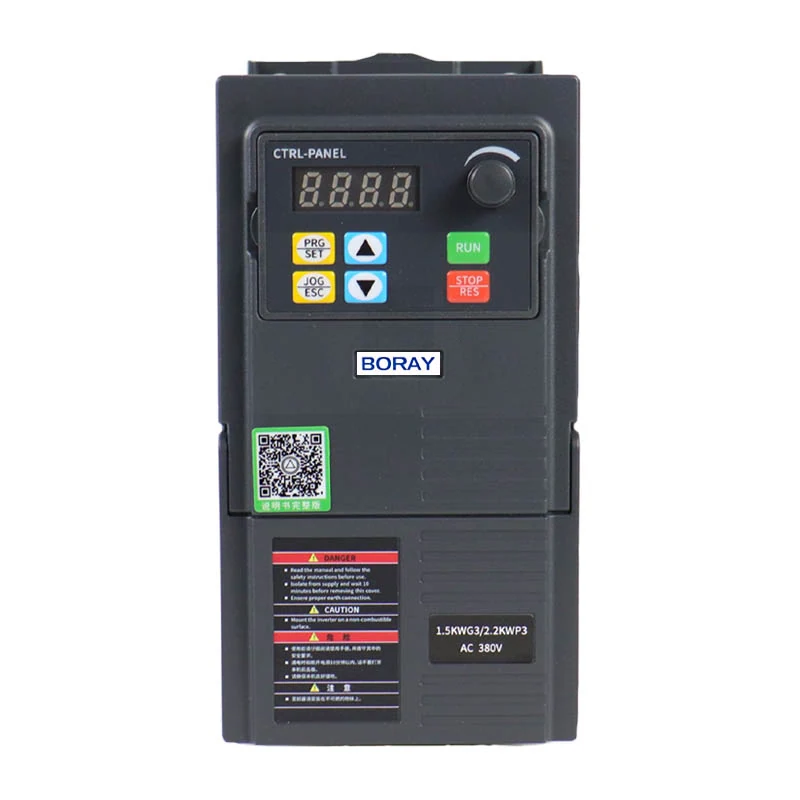
For “Variable Frequency Drive Basics for Pump and Fan Loads”, BR110 is the default industrial vector; move to AD1000PLUS, FD500 or FS300 only when power, IP or pump macros demand it.
Next step with Boray
Send the nameplate photo, duty description and site photos for “Variable Frequency Drive Basics for Pump and Fan Loads”. Engineering will confirm series and options.