What “Solar Pump Inverter vs Standard VFD: What Changes on Site” means on an RFQ
Anchor “Solar Pump Inverter vs Standard VFD: What Changes on Site” on what the drive must do after start-up: continuous speed, soft stop only, MPPT, or regen.
RFQ data that locks voltage and power class
Send for “Solar Pump Inverter vs Standard VFD: What Changes on Site”: phases and voltage, pump kW, total dynamic head, daily water volume, and whether hybrid AC backup must cover cloudy hours.
Control functions that change field behaviour
On “Solar Pump Inverter vs Standard VFD: What Changes on Site”, hybrid AC backup and tank-level stop are the field functions that prevent nuisance trips when clouds roll through.
Site, EMC and protection notes
Site notes for “Solar Pump Inverter vs Standard VFD: What Changes on Site”: treat the array junction and pump pit as separate environments. Shade the inverter if it is not IP65, derate for altitude, and leave service clearance for dry-run probes and float switches.
How Boray series map to this topic
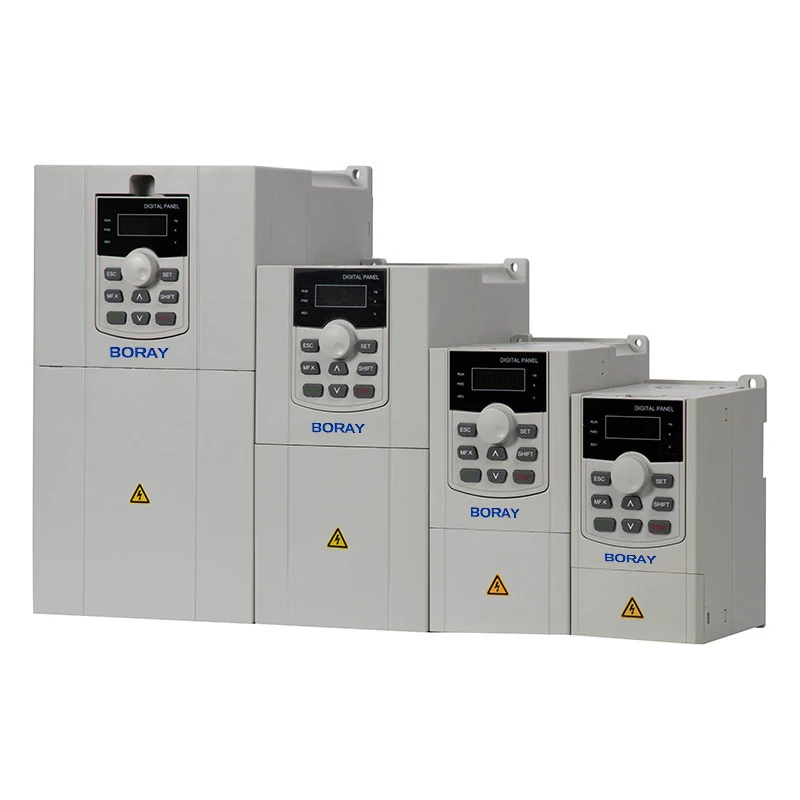
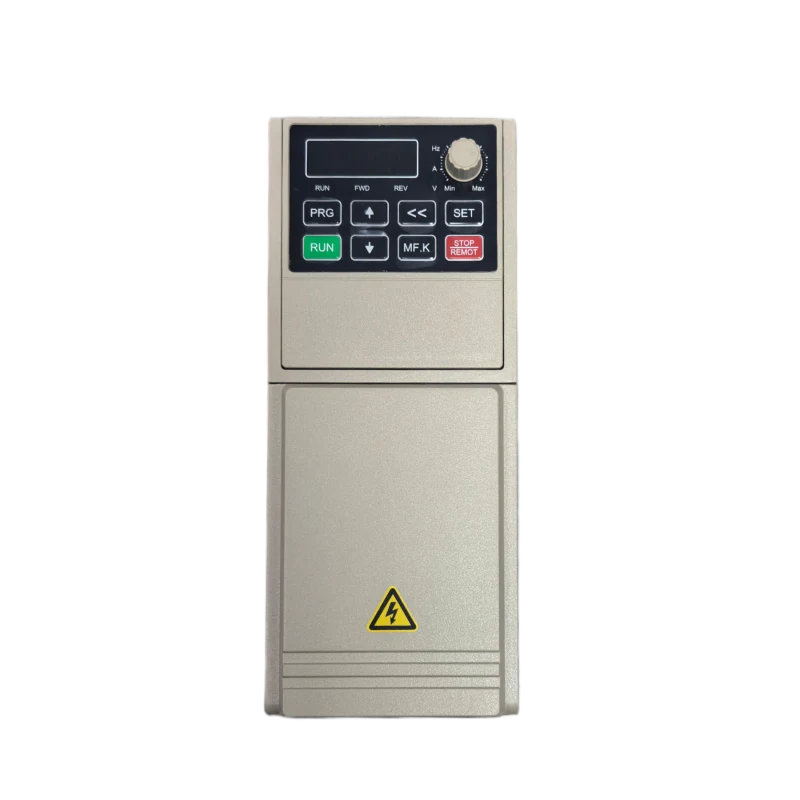
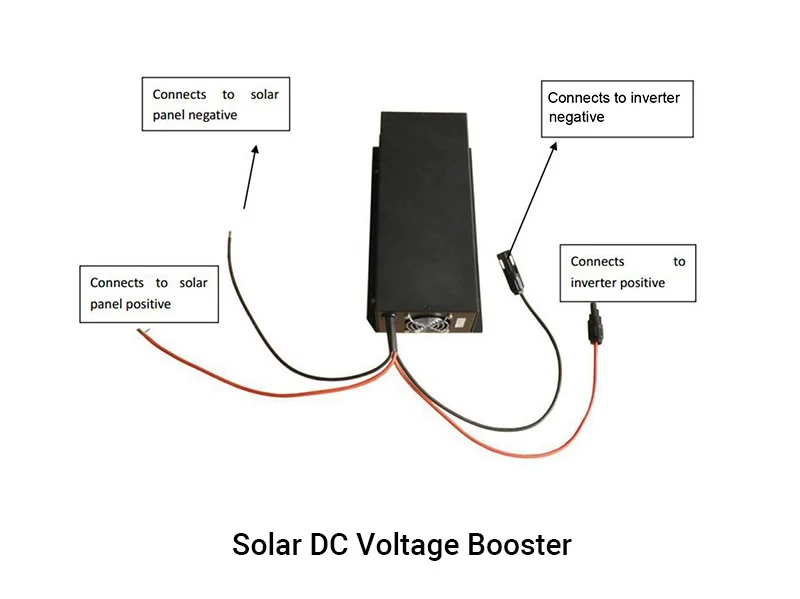
Map “Solar Pump Inverter vs Standard VFD: What Changes on Site” to BR500-P / BR600-P for general solar pumping, FD600 for higher protection, BR110-P for solar-capable vector platforms, and LV boosters when array Vmp cannot reach the inverter window.
Next step with Boray
Send the nameplate photo, duty description and site photos for “Solar Pump Inverter vs Standard VFD: What Changes on Site”. Engineering will confirm series and options.