What “220V vs 380V Solar Pump Inverter Matching” means on an RFQ
Use this page to turn “220V vs 380V Solar Pump Inverter Matching” into a Boray series pick without glossary padding or keyword stuffing.
RFQ data that locks voltage and power class
Send for “220V vs 380V Solar Pump Inverter Matching”: phases and voltage, pump kW, total dynamic head, daily water volume, and whether hybrid AC backup must cover cloudy hours.
Control functions that change field behaviour
On “220V vs 380V Solar Pump Inverter Matching”, hybrid AC backup and tank-level stop are the field functions that prevent nuisance trips when clouds roll through.
Site, EMC and protection notes
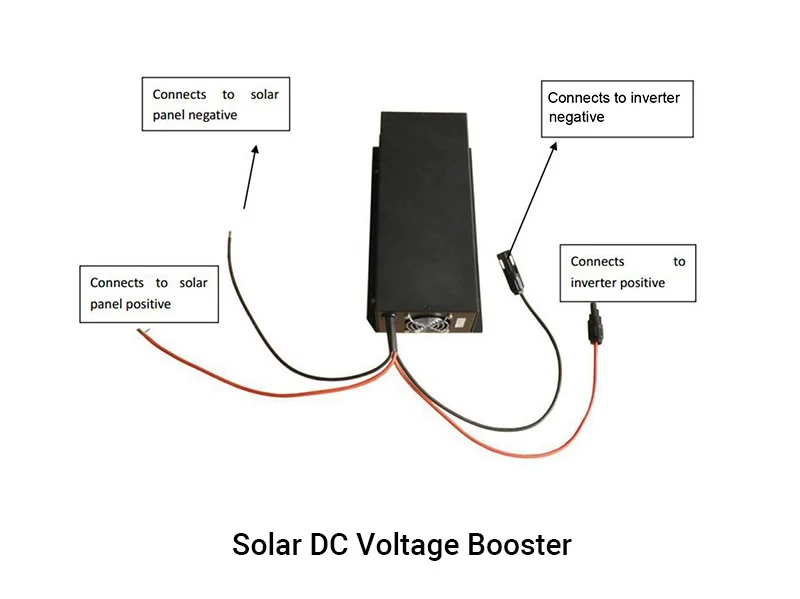
On “220V vs 380V Solar Pump Inverter Matching” installs, cable length and shield earthing decide EMI as much as IP. Plan string Voc at cold morning temperature and whether LV40-70 / LV60-90 boosters sit next to the array.
How Boray series map to this topic
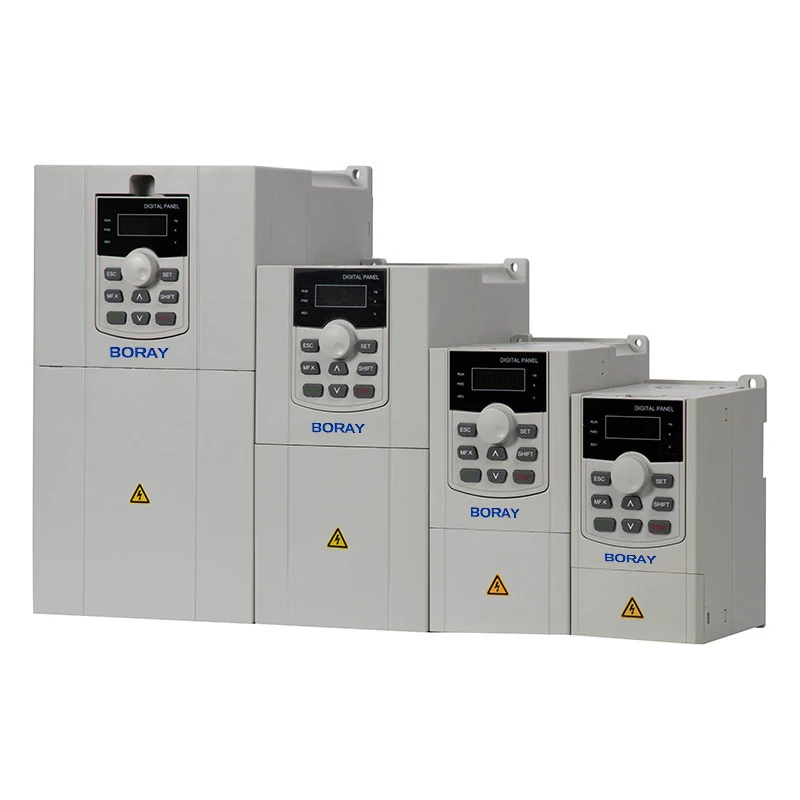
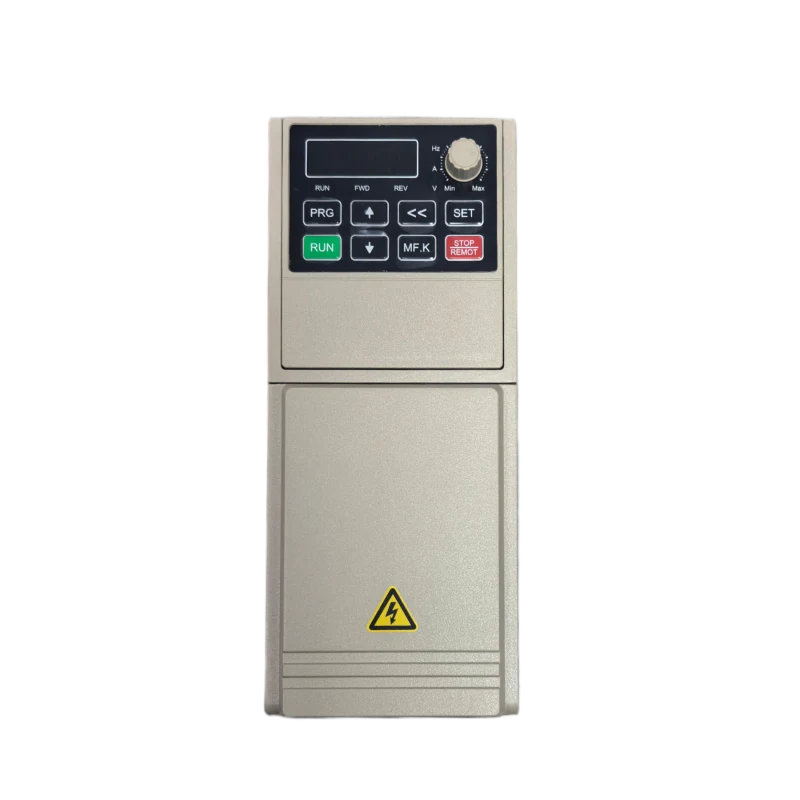
Boray shortlist for “220V vs 380V Solar Pump Inverter Matching”: BR500-P/BR600-P first; FD600 or BR300 when IP is the constraint; BR110-P when the same platform must also cover non-solar vector duty.
Next step with Boray
Send the nameplate photo, duty description and site photos for “220V vs 380V Solar Pump Inverter Matching”. Engineering will confirm series and options.