What “Maintaining a Solar Pump Drive in Dusty and Humid Sites” means on an RFQ
For “Maintaining a Solar Pump Drive in Dusty and Humid Sites”, write the process variable you must hold (pressure, flow, speed, torque) before choosing V/f vs vector.
RFQ data that locks voltage and power class
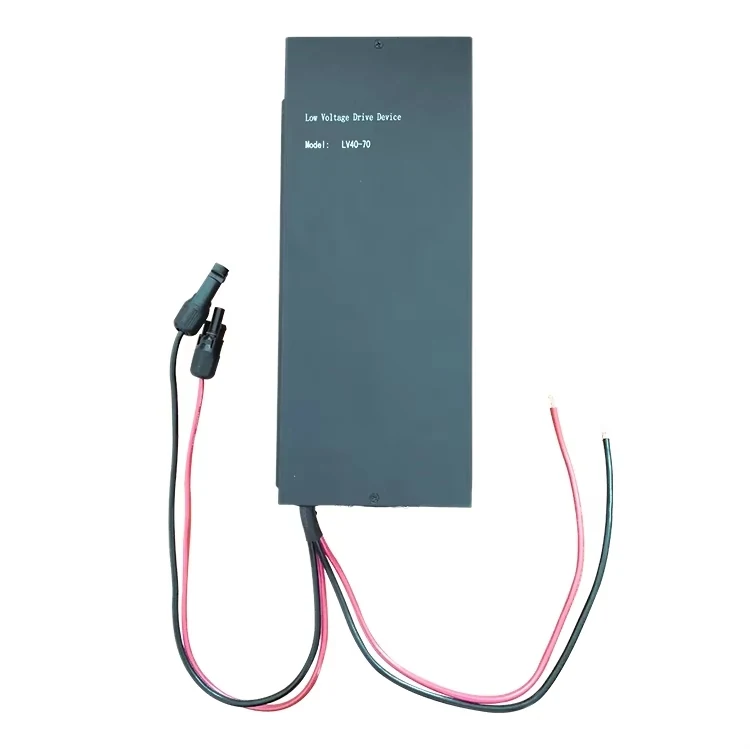
For “Maintaining a Solar Pump Drive in Dusty and Humid Sites”, lock pump motor voltage and phases, shaft kW/HP, FLA, head/flow and duty (borehole, surface or booster). On the PV side list string Voc/Vmp at cold morning temperature and whether LV boosters are needed.
Control functions that change field behaviour
For “Maintaining a Solar Pump Drive in Dusty and Humid Sites”, confirm whether constant-pressure PID, multi-pump cascade or simple tank stop is required — those macros change the Boray series shortlist.
Site, EMC and protection notes
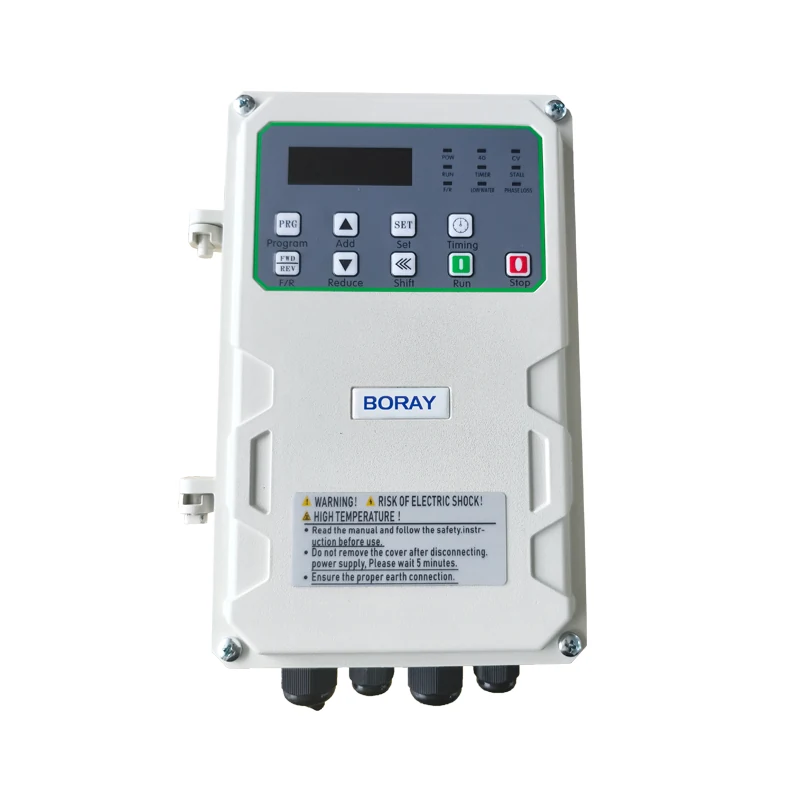
Site notes for “Maintaining a Solar Pump Drive in Dusty and Humid Sites”: treat the array junction and pump pit as separate environments. Shade the inverter if it is not IP65, derate for altitude, and leave service clearance for dry-run probes and float switches.
How Boray series map to this topic
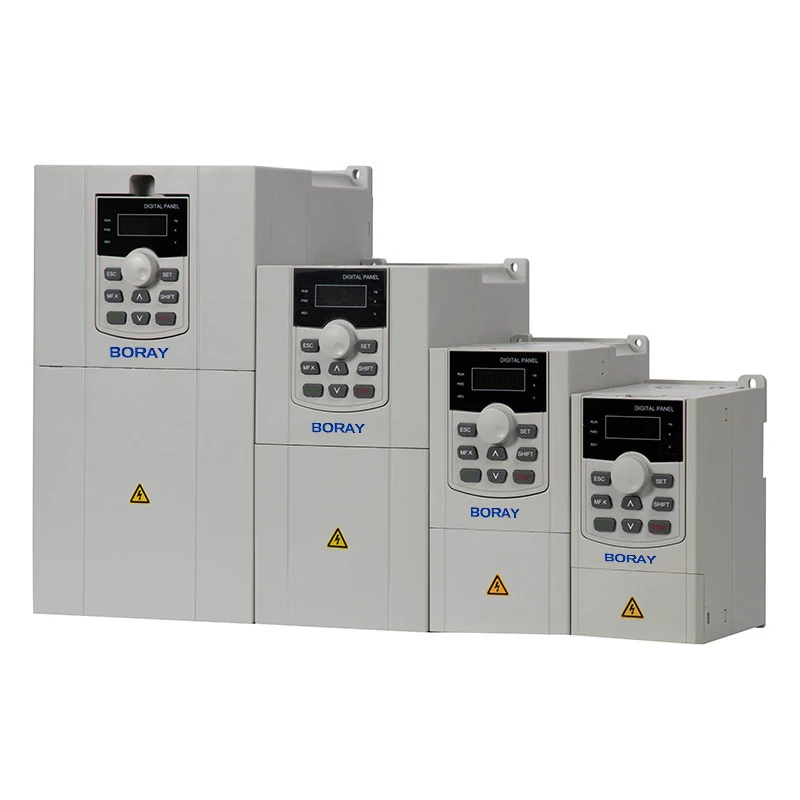
Map “Maintaining a Solar Pump Drive in Dusty and Humid Sites” to BR500-P / BR600-P for general solar pumping, FD600 for higher protection, BR110-P for solar-capable vector platforms, and LV boosters when array Vmp cannot reach the inverter window.
Next step with Boray
Send the nameplate photo, duty description and site photos for “Maintaining a Solar Pump Drive in Dusty and Humid Sites”. Engineering will confirm series and options.