Your motors are running at full speed right now—even when the job only demands half. That’s not just wasted energy; it’s bleeding money, accelerated equipment wear, and unnecessary carbon footprint. For facility managers watching utility bills climb and engineers battling premature motor failures, the Variable Frequency Drive (VFD) isn’t merely another component; it’s the bridge between spiraling operational costs and optimized performance. By intelligently matching motor speed to actual demand rather than running at constant RPM, VFDs slash energy consumption by up to 50% while dramatically extending equipment life. Understanding how this technology works—and what distinguishes industrial-grade reliability from consumer-grade inadequacy—isn’t technical trivia. It’s essential knowledge for protecting margins, ensuring system longevity, and meeting sustainability targets in an efficiency-driven market where every kilowatt and maintenance hour counts.
What is a Variable Frequency Drive?
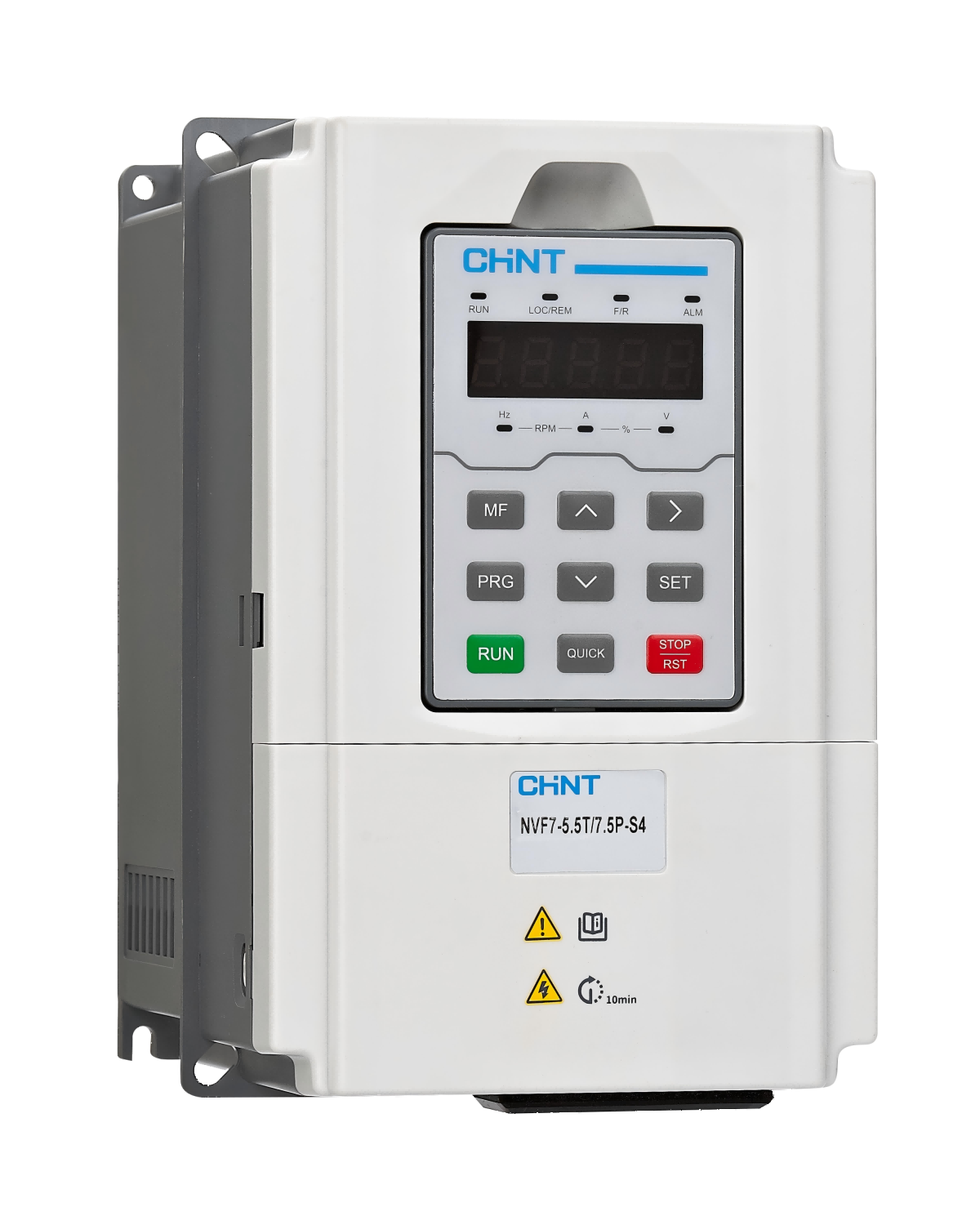
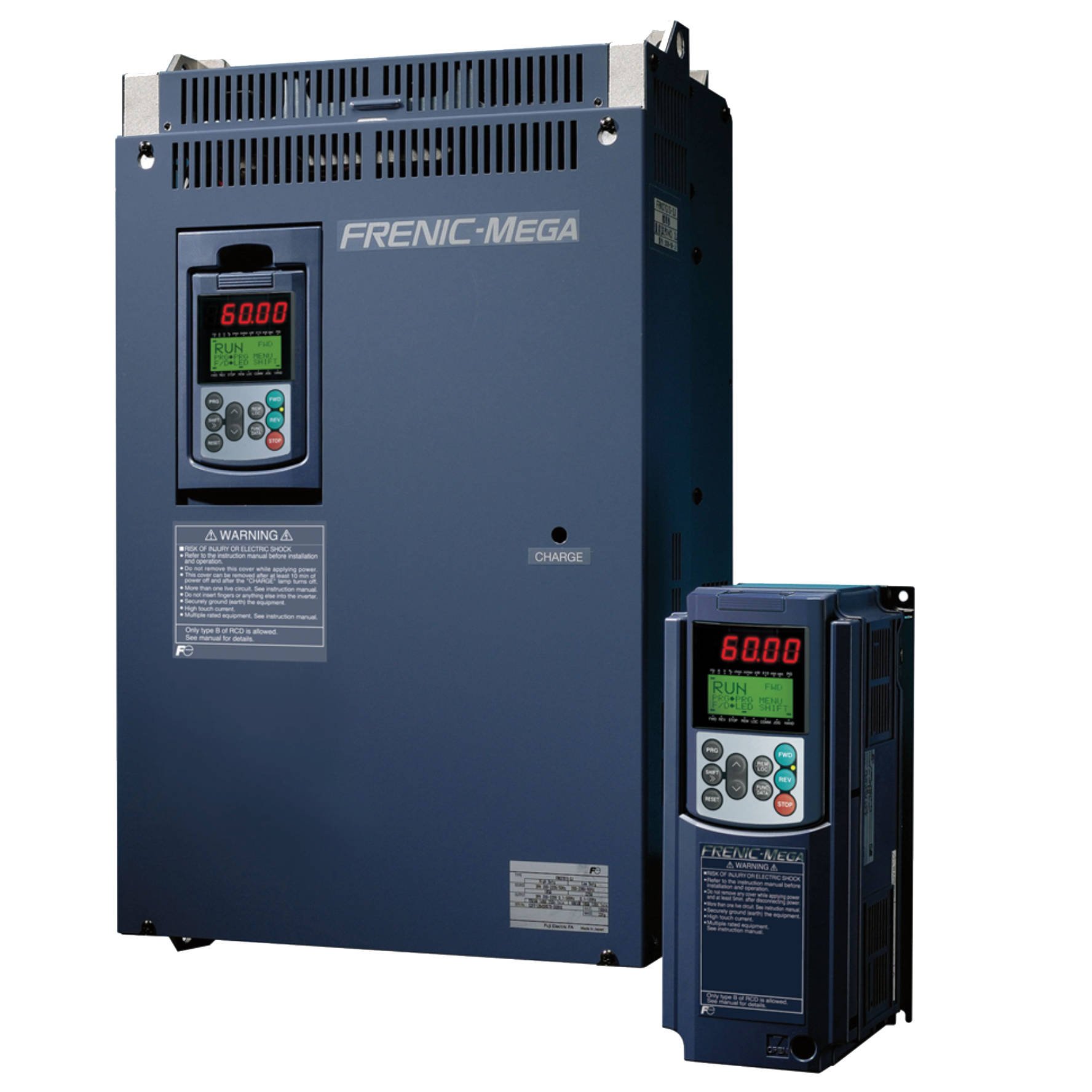
A Variable Frequency Drive (VFD) is an electronic motor controller that adjusts the rotational speed and torque of an AC induction motor by dynamically varying the frequency and voltage of the electrical power supplied to it. Technically, the VFD converts fixed-frequency AC input power (typically 50Hz or 60Hz) into DC via a rectifier bridge, filters this through a DC bus capacitor bank, and then inverts it back to AC at a variable frequency and voltage via an insulated-gate bipolar transistor (IGBT) switching array using Pulse Width Modulation (PWM).
From a procurement perspective, VFD unit costs typically scale logarithmically with power rating. Entry-level units below 5.5kW may represent minimal capital expenditure, while medium-voltage drives exceeding 500kW constitute significant infrastructure investments. The total cost of ownership, however, is dominated by energy savings—VFDs reduce energy consumption by 40% to 80% compared to Direct-On-Line (DOL) operation by eliminating the energy waste of throttling valves or dampers, typically delivering return on investment within 6 to 12 months through reduced utility bills alone.
Technical Factors Affecting VFD Cost and Selection
Power Rating and Overload Capacity
VFDs must be sized not merely to the motor’s kilowatt rating but to its full-load amperage (FLA) with appropriate service factors. Industrial applications require drives capable of delivering 150% overload current for 60 seconds during startup acceleration or impact loading. High-torque applications such as crushers and conveyors demand heavy-duty ratings, whereas variable-torque loads (fans, pumps) utilize standard-duty ratings at lower cost points.
Related Technical Insight
Input Voltage and Phase Configuration
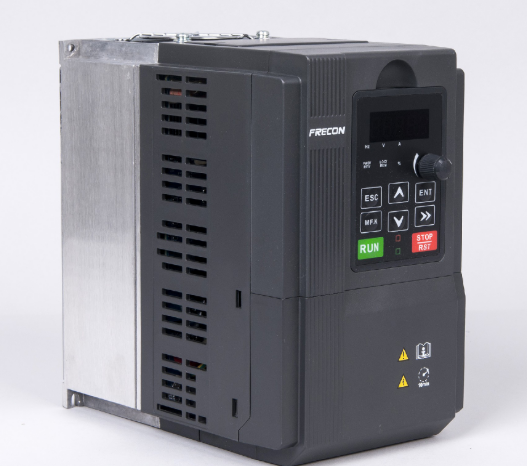
Single-phase input VFDs (230V) accommodate fractional to 3kW motors but generate higher input current harmonics and require significant derating. Three-phase input systems (380V-480V, 575V, or 690V) provide superior efficiency and power quality. Medium-voltage drives (2.3kV to 13.8kV) utilize multilevel topologies or cell-based cascaded designs, exponentially increasing complexity and cost.
Control Topology and Motor Compatibility
Scalar Control (V/Hz): Maintains constant volts-per-hertz ratio for standard induction motors. Cost-effective but provides limited low-speed torque and no dynamic response.
Sensorless Vector Control: Utilizes motor model algorithms to estimate rotor flux and torque current without encoder feedback. Suitable for 20:1 speed ranges and moderate dynamic loads.
Closed-Loop Vector Control: Requires encoder feedback for precise speed and torque control (0.01% accuracy), full torque at zero speed, and rapid response for positioning applications.
Direct Torque Control (DTC): Advanced algorithm eliminating modulator delays, providing 150% rated torque), or rapid dynamic response to load changes. V/Hz control suffices for simple fan and pump applications where 3-5% speed accuracy is acceptable and the load profile follows the variable torque curve. Vector control is mandatory for crane hoists, extruders, and machine tool spindles.