Every year, industrial facilities bleed thousands in energy costs running motors at full speed when half would suffice. For agricultural managers and EPC contractors, this inefficiency isn’t just expensive—it threatens project viability and sustainability targets. Variable Frequency Drives (VFDs) bridge the gap between fixed-speed limitations and intelligent motor control, allowing pumps, fans, and conveyors to match output precisely to real-time demand.
Understanding where to deploy VFD technology separates profitable operations from those drowning in maintenance budgets and peak demand charges. Beyond energy savings, these devices eliminate mechanical stress, extend motor lifespan, and provide the control reliability critical for 24/7 operations. In markets where margins are tight and carbon footprints determine contract awards, mastering VFD applications isn’t technical trivia—it’s your competitive edge.
What Are Variable Frequency Drives Used For? A Technical Overview
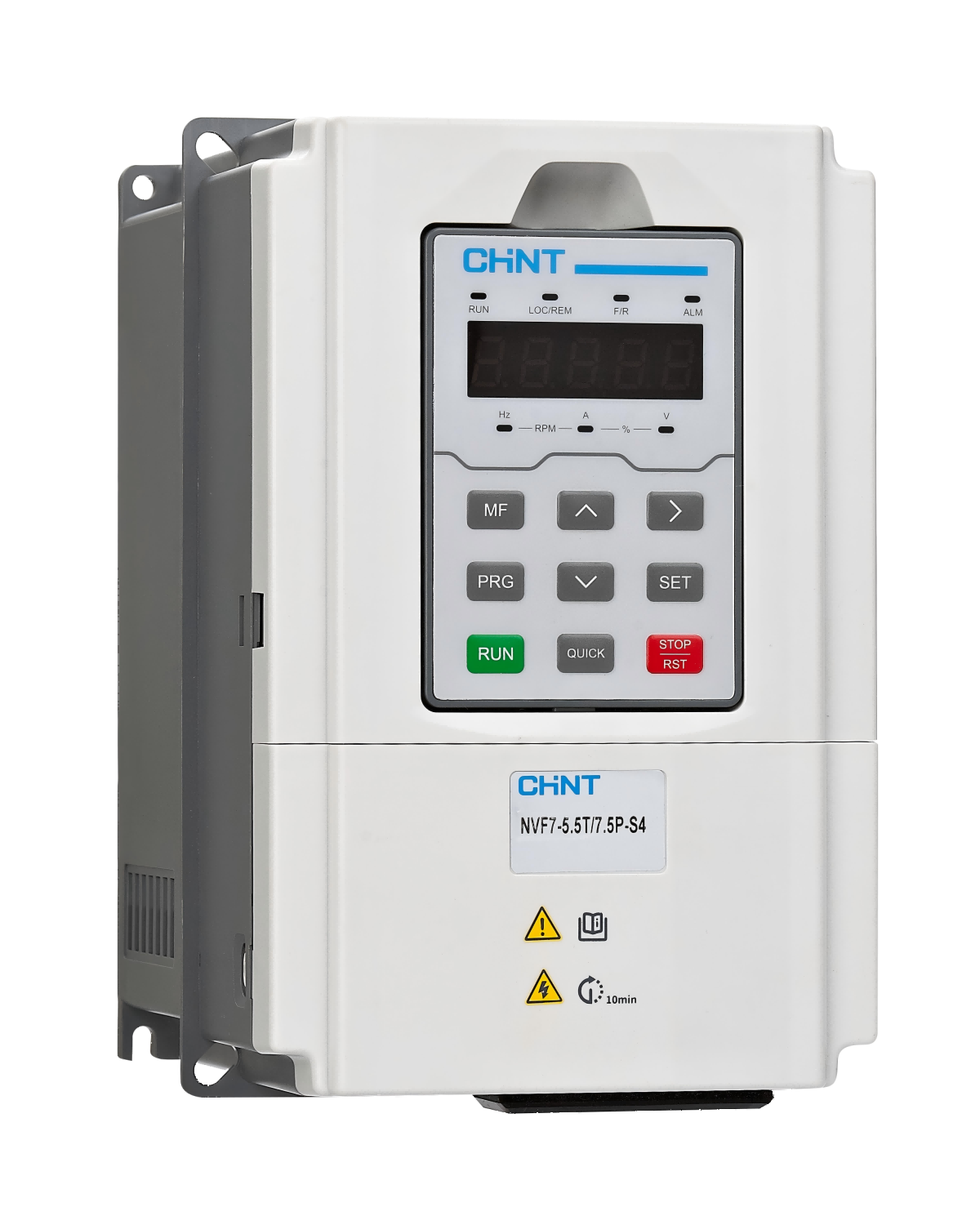
Variable Frequency Drives (VFDs) are solid-state motor control devices engineered to regulate the rotational speed and torque of AC induction motors by dynamically adjusting the frequency and voltage of the electrical power supply. Rather than operating motors at fixed speeds determined by grid frequency (50Hz/60Hz), VFDs enable precise speed modulation to match load requirements, delivering substantial energy savings and mechanical stress reduction across industrial, commercial, and agricultural sectors.
Primary applications include centrifugal pump flow control, HVAC fan speed modulation, conveyor belt velocity management, compressor load matching, and machine tool spindle regulation. In pumping applications, VFDs replace inefficient throttling valves by reducing motor speed during low-demand periods, achieving energy reductions of 20% to 60% compared to direct-on-line (DOL) operation. For material handling systems, VFDs provide soft-start capabilities that eliminate mechanical shock during acceleration, extending belt and bearing lifespans while enabling precise positioning control.
Technical Factors Affecting VFD Selection and Cost
When specifying VFDs for industrial procurement, several engineering parameters directly impact unit pricing and system compatibility:
Power Rating and Voltage Class: VFD costs scale exponentially with kW capacity. Units range from fractional horsepower (0.75kW) to multi-megawatt systems. Three-phase 380V-480V industrial drives command higher prices than single-phase 220V residential units due to enhanced IGBT modules and thermal management requirements.

Control Topology: General-purpose V/F (Volts/Hertz) control drives offer cost-effective solutions for variable torque loads (fans, pumps), while vector control VFDs utilizing flux vector or direct torque control (DTC) algorithms cost 30-50% more but provide precise torque control (±0.5% accuracy) for high-inertia applications like crushers and extruders.
Environmental Protection Ratings: IP20 enclosures suitable for controlled electrical rooms differ significantly in pricing from IP65/NEMA 4X rated drives required for outdoor agricultural or wastewater applications. Harsh environment coatings and conformal coating of PCBs add 15-25% to base costs.
MPPT Efficiency (Solar Applications): For solar pump inverters, Maximum Power Point Tracking efficiency ratings (typically 95-99%) and input voltage ranges (DC 200V-800V) critically affect system yield and component sizing.
Communication Protocols: Integration capabilities including Modbus RTU, Profibus, CANopen, and Ethernet/IP influence pricing, with industrial Ethernet options adding premium costs for Industry 4.0 compatibility.
Sizing and Sourcing Strategies for Industrial Buyers
To prevent catastrophic drive failures and optimize return on investment, procurement teams should adhere to these technical guidelines:
Oversizing Considerations: Size VFDs 10-15% above motor FLA (Full Load Amperage) to accommodate harmonic heating and provide thermal headroom. For high-starting-torque applications like reciprocating compressors or positive displacement pumps, specify heavy-duty ratings (150% overload for 60 seconds) rather than standard duty (110% for 60 seconds).
Motor Compatibility Verification: Ensure existing motors are inverter-duty rated with Class F or H insulation systems and reinforced bearing protection. Standard motors operated below 6:1 speed ranges without proper insulation risk premature winding failure due to voltage spikes from IGBT switching.
Harmonic Mitigation: For installations exceeding 25% non-linear load on transformers, specify VFDs with active front ends (AFE) or add line reactors/DC chokes to prevent utility-side harmonic distortion that can trip protective relays and overheat neutral conductors.
Braking Requirements: Applications requiring rapid deceleration of high-inertia loads require dynamic braking resistors or regenerative units to prevent DC bus overvoltage faults. Calculate braking duty cycles based on kinetic energy equations: E = 0.5 × J × ω².
Environmental Derating: Apply altitude derating factors (1% per 100m above 1000m) and temperature derating (2% per °C above 40°C) to ensure adequate cooling capacity in high-temperature or high-altitude installations.
Why Source Inverters and VFDs from China?
China has emerged as the global hub for advanced power electronics manufacturing, offering distinct advantages for B2B procurement:
Related Technical Insight
Advanced R&D Integration: Leading Chinese manufacturers maintain vertically integrated R&D facilities where hardware engineering, firmware development, and application testing occur simultaneously. This integration enables rapid customization of control algorithms for specific regional grid conditions and load characteristics.
Cost-Effective Manufacturing: Direct sourcing from Chinese factories eliminates distributor markups (typically 25-40% in Western markets) while maintaining IEC 61800 compliance and CE certification standards. Modern Chinese facilities utilize automated SMT lines and automated testing equipment ensuring consistent quality at scale.
Supply Chain Resilience: Proximity to raw material suppliers for IGBTs, capacitors, and magnetic components reduces lead times and enables just-in-time manufacturing for large-scale infrastructure projects.
Technical Customization: Chinese OEMs offer flexible MOQs (Minimum Order Quantities) for customized enclosures, specialized firmware for pump control curves, and integration of IoT monitoring modules—options typically unavailable from large multinational brands without substantial NRE (Non-Recurring Engineering) fees.
Boray Inverter: Your Strategic Partner for Motor Control Solutions
When evaluating VFD suppliers for your next industrial project, Boray Inverter (borayinverter.com) represents the convergence of engineering excellence and manufacturing efficiency. As a specialized manufacturer of Solar Pump Inverters and Variable Frequency Drives, Boray maintains a workforce where 50% are dedicated R&D engineers, ensuring deep expertise in both PMSM (Permanent Magnet Synchronous Motor) and IM (Induction Motor) vector control algorithms.
Our manufacturing infrastructure features two modern automated production lines capable of high-mix, high-volume output while maintaining stringent quality protocols. Every unit undergoes 100% full-load testing before delivery, simulating real-world thermal and electrical stress conditions to eliminate infant mortality failures in the field.
Whether you require standard pump control VFDs, solar pump inverters with advanced MPPT algorithms, or custom-engineered solutions for harsh-environment applications, Boray offers competitive wholesale pricing and comprehensive OEM/ODM services. Contact our engineering team today to discuss your specific motor control requirements and receive detailed technical specifications and pricing for your procurement needs.
Frequently Asked Questions (FAQs)
What is the difference between a VFD and a soft starter?
While both devices reduce starting current, a soft starter only controls voltage during start/stop sequences without varying frequency, meaning the motor runs at fixed speed once started. VFDs provide continuous speed control throughout operation by varying both voltage and frequency, offering energy savings and process control unavailable with soft starters.
Can I use a standard motor with a VFD, or do I need an inverter-duty motor?
Standard motors can operate with VFDs for speed ranges typically not exceeding 2:1 (e.g., 30-60Hz) provided the load is variable torque. However, for constant torque applications or speeds below 30Hz, inverter-duty motors with Class F/H insulation and independent cooling fans are mandatory to prevent overheating and insulation damage from voltage reflections.
How do I calculate energy savings when retrofitting pumps with VFDs?
Energy savings follow the affinity laws: Power varies with the cube of speed. Reducing pump speed by 20% (to 80% of maximum) yields approximately 50% energy savings. Calculate baseline consumption using DOL amperage readings, then apply the formula: Savings % = 1 – (Speed Ratio)³ × 100. Typical payback periods range from 6-18 months depending on duty cycle and electricity rates.
What causes VFDs to fail prematurely in industrial environments?
Primary failure modes include: (1) Inadequate heat dissipation causing thermal runaway of IGBT modules, (2) Voltage transients from utility switching or lightning strikes exceeding surge protection ratings, (3) Contamination by conductive dust or corrosive gases in unsealed enclosures, and (4) Incorrect parameter settings causing overcurrent trips or DC bus overvoltage during deceleration.
Should I choose open-loop or closed-loop vector control for my application?
Open-loop vector control (sensorless) provides sufficient torque control (±1-2% accuracy) for most pump and fan applications without encoder feedback. Closed-loop vector control requires motor-mounted encoders but delivers precise speed holding (±0.01%) and full torque at zero speed, essential for crane hoists, elevators, and high-precision machine tools. Closed-loop systems cost approximately 20-30% more due to encoder hardware and wiring complexity.