Introduction: Sourcing Variable Frequency Drive Hvac for Industrial Use
Industrial facilities face a critical paradox: HVAC systems typically consume 40-60% of total energy, yet most operate at constant speed regardless of actual thermal loads. This inefficiency translates to substantial operational costs and unnecessary carbon emissions—challenges that Variable Frequency Drives (VFDs) are specifically engineered to eliminate. By dynamically adjusting motor speed to match real-time heating, ventilation, and cooling demands, modern VFDs deliver energy savings of up to 70% while reducing mechanical stress on compressors, fans, and pumps.
For automation distributors, EPC contractors, and project managers overseeing industrial or agricultural infrastructure, sourcing the right HVAC VFD requires technical precision beyond catalog specifications. The selection impacts energy efficiency, harmonic distortion management, and integration with Building Management Systems (BMS). Whether retrofitting existing chiller plants or specifying drives for new solar-powered HVAC installations, understanding critical parameters—from input voltage ranges and IP ratings to communication protocols—determines long-term system reliability and ROI.
This comprehensive guide examines strategic sourcing of Variable Frequency Drives for industrial HVAC applications. We analyze drive topologies from Volts-per-Hertz control to advanced vector drives, decode essential specifications including overload capacity and EMC compliance, and evaluate global manufacturers’ technical support networks. Drawing on deep expertise in motor control and solar pumping applications, we provide procurement frameworks that align drive capabilities with specific HVAC loads—ensuring your projects maximize energy efficiency while minimizing total cost of ownership.
Article Navigation
- Top 2 Variable Frequency Drive Hvac Manufacturers & Suppliers List
- Introduction: Sourcing Variable Frequency Drive Hvac for Industrial Use
- Technical Types and Variations of Variable Frequency Drive Hvac
- Key Industrial Applications for Variable Frequency Drive Hvac
- Top 3 Engineering Pain Points for Variable Frequency Drive Hvac
- Component and Hardware Analysis for Variable Frequency Drive Hvac
- Manufacturing Standards and Testing QC for Variable Frequency Drive Hvac
- Step-by-Step Engineering Sizing Checklist for Variable Frequency Drive Hvac
- Wholesale Cost and Energy ROI Analysis for Variable Frequency Drive Hvac
- Alternatives Comparison: Is Variable Frequency Drive Hvac the Best Choice?
- Core Technical Specifications and Control Terms for Variable Frequency Drive Hvac
- Future Trends in the Variable Frequency Drive Hvac Sector
- B2B Engineering FAQs About Variable Frequency Drive Hvac
- Disclaimer
- Conclusion: Partnering with Boray Inverter for Variable Frequency Drive Hvac
Technical Types and Variations of Variable Frequency Drive Hvac
In HVAC applications, Variable Frequency Drives are not monolithic; their internal topologies, control algorithms, and power stage configurations determine suitability for specific mechanical loads and electrical environments. Selecting the appropriate VFD architecture is critical for optimizing energy harvest in solar-integrated systems, maintaining power quality in commercial grids, and ensuring precise motor control in high-inertia chiller applications.
| Type | Technical Features | Best for (Industry) | Pros & Cons |
|---|---|---|---|
| Standard 6-Pulse V/Hz Control | • Diode bridge rectifier (6-pulse) • PWM inverter (IGBT-based, 2–6 kHz switching) • Constant V/Hz ratio control • IP20/IP54 enclosure options |
Commercial buildings, standard AHUs, cooling tower fans, constant torque pumps | Pros: Cost-effective, robust, minimal parameter setup Cons: Limited low-speed torque (20% rated), regenerative energy requires braking resistors, 3–5% THD |
| Sensorless Vector Control (SVC) | • Open-loop flux vector algorithm • Auto-tuning for motor stator resistance/inductance • Dynamic torque response (<100 ms) • Slip compensation |
High-inertia centrifugal chillers, screw compressors, precision cleanroom HVAC, agricultural irrigation | Pros: 150% starting torque at 0.5 Hz, precise speed regulation (±0.5%) Cons: Requires accurate motor nameplate data, higher EMI filtering needs |
| Solar/DC-Coupled VFD (PV-Powered) | • MPPT algorithm (98.5%+ efficiency) • Wide DC input voltage range (200–800 VDC) • AC output generation without grid dependency • Battery/Grid hybrid interface capability |
Off-grid agricultural pumping, solar cooling systems, remote telecom shelter HVAC, EPC solar projects | Pros: Eliminates inverter/rectifier stage losses, operates during grid outages, reduces peak demand charges Cons: Output power varies with irradiance, requires oversizing or backup for critical 24/7 loads |
| Active Front End (AFE) Regenerative | • IGBT-based active rectifier (4-quadrant operation) • <5% THD, unity power factor (0.99+) • Regenerative braking to grid • Active harmonic filtering |
High-rise building HVAC, data center chillers, municipal water treatment, applications with frequent deceleration | Pros: Returns energy to grid (30–40% savings in high-inertia apps), IEEE 519 compliance without external filters Cons: 2–3x cost of standard VFD, requires LCL filters, complex commissioning |
Standard 6-Pulse V/Hz Control VFDs
These represent the baseline PWM topology found in approximately 70% of commercial HVAC installations. The six-pulse diode rectifier converts fixed-frequency AC to DC, which the IGBT-based inverter stage modulates into variable-frequency output. For centrifugal fans and pumps following the Affinity Laws, this topology provides sufficient control, reducing energy consumption by 30–50% compared to damper/throttling methods. However, engineers must account for reflected wave phenomena in cable runs exceeding 50 meters, potentially requiring output reactors or dV/dt filters to protect motor insulation. In solar pumping contexts, these require a separate DC/AC inverter when paired with photovoltaic arrays, introducing conversion losses.
Sensorless Vector Control (SVC) VFDs
When HVAC systems demand precise airflow control—such as in variable air volume (VAV) systems or large agricultural greenhouse ventilation—open-loop vector control becomes essential. By mathematically modeling motor flux and torque rather than relying on fixed V/Hz ratios, SVC drives deliver full torque at speeds as low as 0.5 Hz without encoder feedback. This is critical for screw compressors in chiller applications where oil pressure must be maintained during low-speed operation. The auto-tuning function calibrates the drive to specific motor parameters, making it ideal for EPC contractors managing diverse equipment fleets. Note that Boray Inverter’s advanced SVC algorithms specifically optimize for pump motor characteristics, including automatic stall prevention and dry-run detection in solar irrigation systems.
Solar/DC-Coupled VFDs (Photovoltaic Direct-Drive)
Distinct from standard AC-input drives, these specialized VFDs accept direct DC current from photovoltaic arrays, utilizing Maximum Power Point Tracking (MPPT) to maximize energy harvest from variable solar irradiance. For agricultural project managers, this eliminates the need for separate solar inverters and AC distribution panels, reducing system complexity and cost. The drive’s DC bus directly feeds the inverter stage, achieving 98%+ system efficiency. Critical considerations include voltage window management—ensuring the VFD’s DC input range matches the PV array’s Voc (open-circuit voltage) and Vmp (maximum power voltage) characteristics—and the implementation of “sleep” and “wake” functions to prevent motor overheating during low-light conditions. These systems excel in off-grid HVAC for remote facilities or solar-powered irrigation where grid extension is economically unfeasible.
Active Front End (AFE) Regenerative VFDs
In high-inertia HVAC applications—such as large centrifugal chillers or flywheel energy recovery systems—deceleration generates significant regenerative energy that standard VFDs dissipate as heat through braking resistors. AFE drives replace the diode rectifier with an active IGBT bridge, enabling four-quadrant operation where energy flows back to the grid rather than being wasted. This topology also functions as an active harmonic filter, maintaining THD below 5% and power factor near unity, which is crucial for compliance with IEEE 519 in commercial buildings with strict power quality requirements. While the initial capital expenditure is higher, the energy recovery and eliminated need for external harmonic filters often yield ROI within 18–24 months for continuous-operation industrial HVAC systems.
Key Industrial Applications for Variable Frequency Drive Hvac
Variable Frequency Drives (VFDs) serve as critical enablers of electromechanical efficiency across diverse industrial sectors, optimizing motor-driven systems that account for approximately 65% of global industrial electricity consumption. While HVAC represents a primary deployment vertical for torque and speed modulation, the underlying engineering principles—specifically the affinity laws governing centrifugal loads and demand-responsive frequency regulation—translate directly into high-impact applications ranging from solar-powered agricultural irrigation to heavy industrial process control. For EPC contractors and automation distributors, understanding the sector-specific energy profiles and environmental constraints is essential for specifying drives that deliver measurable ROI through reduced kWh consumption and extended motor lifespan.
| Sector | Application | Energy Saving Value | Sourcing Considerations |
|---|---|---|---|
| Commercial & Industrial HVAC | Centrifugal chillers, cooling tower fans, Air Handling Unit (AHU) blowers, and chilled water circulation pumps | 30–60% reduction in HVAC motor energy consumption; cube-law savings (power ∝ speed³) at partial loads; typical payback period 12–24 months | IP54/NEMA 12 enclosure rating for rooftop/ductwork installation; integrated EMC filters to meet IEEE 519 harmonic standards; BACnet/IP or Modbus RTU communication protocols for Building Management System (BMS) integration; automatic fan restart after power loss |
| Agriculture & Solar Pumping | Deep-well submersible pumps, surface irrigation booster stations, drip-line pressure maintenance, and center-pivot systems | 40–70% energy savings versus Direct-On-Line (DOL) starting; 60–90% grid dependency reduction when paired with PV arrays via solar pump inverters | Maximum Power Point Tracking (MPPT) efficiency >99% for solar compatibility; IP65/NEMA 4X ingress protection for outdoor humidity/dust; anti-islanding protection per IEEE 1547; water hammer prevention through soft-start ramp control (0–60 Hz adjustable) |
| Water & Wastewater Treatment | Aeration basin blowers, raw water intake pumps, filter backwash systems, and sludge transfer pumps | 50–60% reduction in aeration energy (the largest process load in WWTPs); precise dissolved oxygen (DO) control prevents over-aeration and enables biological process optimization | Corrosion-resistant conformal coating (PCB protection against H₂S and moisture); PID control with sleep/wake functions for dry-run protection; redundant cooling fan design for 24/7 continuous operation; input phase loss protection for rural grid instability |
| Cement & Heavy Industry | Kiln induced draft (ID) fans, preheater exhaust fans, cooler grate fans, and mill separator blowers | 20–40% fan energy reduction; 80% reduction in mechanical stress during start-up via controlled acceleration (eliminating belt/gearbox shock loads) | High overload capacity (150% rated current for 60 seconds) for high-inertia loads; dv/dt filters or sinusoidal output filters to protect motor windings from voltage spikes in long cable runs (>50m); ambient temperature derating to 50°C for harsh kiln environments; ruggedized chassis to withstand cement dust and vibration |
Commercial & Industrial HVAC Systems
In climate control applications, VFDs exploit the affinity laws governing centrifugal fans and pumps, where power consumption is proportional to the cube of the rotational speed. A 20% reduction in motor RPM yields nearly 50% energy savings, making VFDs indispensable for Variable Air Volume (VAV) systems and chilled water plants. Beyond energy efficiency, drives enable precise static pressure control in ductwork and eliminate the mechanical losses associated with inlet vanes or discharge dampers. For integration engineers, specifying units with embedded BACnet or Modbus protocols allows seamless communication with central BMS platforms, enabling demand-controlled ventilation (DCV) based on real-time CO₂ and occupancy sensors. Critical sourcing criteria include electromagnetic compatibility (EMC) to prevent interference with building automation networks, and automatic restart functions to ensure continuity after grid fluctuations.
Agriculture & Solar Pumping Infrastructure
Agricultural irrigation represents a convergence of VFD technology with photovoltaic (PV) generation, where solar pump inverters (a specialized VFD topology) convert DC solar output to variable-frequency AC for submersible and surface pumps. This eliminates the need for battery storage while maximizing daily water yield through MPPT algorithms that adjust motor speed in real-time to match solar irradiance. For EPC contractors deploying large-scale irrigation projects, VFDs mitigate water hammer—a critical concern in long pipeline networks—through programmable acceleration/deceleration ramps (typically 5–30 seconds). Sourcing priorities include IP65-rated enclosures to withstand outdoor humidity and dust, as well as dual AC/DC input capability for hybrid solar-diesel operation, ensuring 24/7 water availability regardless of weather conditions.
Water & Wastewater Treatment Plants
Municipal and industrial water treatment facilities utilize VFDs primarily for aeration blowers and high-head pump stations. In activated sludge processes, maintaining precise dissolved oxygen (DO) levels is energy-intensive; VFDs modulate blower speed to match biological oxygen demand in real-time, rather than cycling fixed-speed blowers on/off or throttling with mechanical valves. This not only reduces kWh consumption but also minimizes mechanical wear on bearings and seals. For pump applications, VFDs enable constant pressure or constant flow control via integrated PID loops, eliminating the need for external controllers. Procurement teams should prioritize drives with conformal-coated circuit boards to resist corrosive gases (hydrogen sulfide) and moisture prevalent in wet well environments, alongside sleep/wake functionality that stops the pump during low-demand periods to prevent dry-running damage.
Cement Production & Heavy Industry
In cement manufacturing, VFDs address the high-inertia dynamics of kiln ID fans and preheater exhaust systems, where motors often exceed 500 kW. Traditional across-the-line starting generates excessive mechanical stress on fan blades, couplings, and gearboxes; VFDs provide controlled acceleration ramps (30–120 seconds) that extend equipment lifespan by up to 50%. Energy savings derive from matching fan output to kiln draft requirements, which fluctuate based on raw material feed rates and clinker quality. Given the ambient temperatures often exceeding 50°C near kiln shells, sourcing must account for aggressive derating curves—specifying drives rated for 50°C operation without current reduction or providing external forced ventilation. Additionally, long motor cable runs common in cement plants necessitate output reactors or dv/dt filters to protect motor insulation from reflected wave phenomena.
Top 3 Engineering Pain Points for Variable Frequency Drive Hvac
Scenario 1: Harmonic Distortion and Grid Compliance in Commercial Installations
The Problem:
Variable Frequency Drives, while essential for HVAC energy optimization, are non-linear loads that inject harmonic currents (typically 5th, 7th, 11th, and 13th order) back into the electrical distribution system. In large commercial buildings or district cooling plants where multiple VFDs operate simultaneously, these harmonics create resonance conditions that cause transformer overheating, neutral conductor overloading, and premature failure of power factor correction capacitors. For EPC contractors and industrial engineers, this translates into utility-imposed power quality penalties, failed IEEE 519 or IEC 61000-3-6 compliance audits, and interference with sensitive building automation sensors—ultimately risking project commissioning delays and costly retrofitting of harmonic mitigation equipment.
The Solution:
Implement VFDs with built-in DC link chokes or active front end (AFE) rectifier technology that inherently reduces total harmonic distortion (THD) to less than 5%, eliminating the need for external passive filters. For existing installations, specify drives with integrated EMC filters and proper shielding termination points to attenuate conducted emissions. Advanced VFDs featuring active switching algorithms can also function as active harmonic filters, cleaning the grid while controlling motor speed. When specifying for new HVAC plants, consider 12-pulse or 18-pulse VFD configurations for large centrifugal chillers above 250kW, ensuring compliance with strict utility interconnection standards while maintaining the energy efficiency benefits of variable speed operation.
Scenario 2: Motor Bearing Currents and Insulation Stress in Retrofit Applications
The Problem:
Modern IGBT-based VFDs utilize high switching frequencies (2-8 kHz carrier) with rapid voltage rise times (dv/dt) that create capacitive coupling between the motor stator and rotor. This generates shaft voltages that discharge through motor bearings—a phenomenon known as Electrical Discharge Machining (EDM)—causing pitting, fluting, and premature lubricant degradation. In HVAC retrofit projects where existing standard-efficiency motors are paired with new VFDs, or where long cable runs (>50 meters) between drives and rooftop units amplify reflected wave phenomena, maintenance engineers face catastrophic motor failures within 6-12 months of operation, negating anticipated energy savings with unplanned capital expenditures.
The Solution:
Specify VFDs with adjustable carrier frequencies and integrated output reactors or dv/dt filters to soften voltage pulse edges, reducing peak voltages at the motor terminals to safe levels (<1,000 V/μs). For critical HVAC applications, mandate motors with inverter-duty insulation (Class H with phase-to-phase and phase-to-ground reinforcement) and hybrid ceramic bearings or install shaft grounding rings (SGRs) on both drive-end and non-drive-end bearings. Advanced VFDs featuring common-mode voltage reduction algorithms can further mitigate bearing current risks by actively controlling the PWM pattern to minimize capacitive voltage division, extending motor lifespan to match the 15-20 year lifecycle expected in commercial HVAC infrastructure.
Scenario 3: Environmental Hardening and Thermal Management in Extreme Climate Zones
The Problem:
HVAC VFDs installed in rooftop units (RTUs), cooling towers, or outdoor mechanical rooms face aggressive thermal cycling, with ambient temperatures ranging from -20°C in Nordic climates to +55°C in Middle Eastern or tropical installations, often combined with high humidity, salt-laden air, or conductive dust. Standard IP20 cabinet-mounted drives suffer from condensation-induced corrosion, clogged cooling fans, and thermal derating that forces engineers to oversize drives by 25-30%, increasing capital costs. For agricultural project managers and global distributors, this creates reliability nightmares in remote locations where technical support is limited, leading to system downtime that compromises climate control in critical facilities like data centers or pharmaceutical clean rooms.
The Solution:
Deploy VFDs engineered with IP55 or IP66-rated die-cast aluminum enclosures featuring conformal-coated PCBs and gasketed sealing to resist moisture and corrosive atmospheres. Specify drives with wide-temperature-range components (-20°C to +60°C ambient without derating) and active thermal management systems that automatically adjust switching frequency or employ variable-speed cooling fans based on internal heatsink temperatures. For solar-hybrid HVAC applications—a core competency for advanced drive manufacturers—select VFDs with dual-input capability (AC grid/DC solar) and natural convection cooling (no fans) for harsh environments, eliminating mechanical wear points while ensuring continuous operation in off-grid or unstable grid conditions common in remote industrial and agricultural installations.
Component and Hardware Analysis for Variable Frequency Drive Hvac
The internal architecture of a Variable Frequency Drive (VFD) designed for HVAC applications represents a sophisticated integration of power electronics, thermal engineering, and real-time digital control. Unlike standard industrial drives, HVAC-specific VFDs must withstand continuous duty cycles, significant harmonic stresses from non-linear loads (centrifugal fans and rotary compressors), and thermal cycling inherent to building automation environments. A rigorous analysis of the Bill of Materials (BOM) reveals that component selection directly dictates not only energy efficiency—critical for achieving the 30–70% savings potential in fan and pump applications—but also the operational lifespan and Total Cost of Ownership (TCO) for EPC contractors and facility managers.
Power Semiconductor Modules (IGBTs)
At the heart of the HVAC VFD lies the Insulated Gate Bipolar Transistor (IGBT) module, responsible for pulse-width modulation (PWM) and the conversion of DC bus voltage to variable frequency AC output. For HVAC systems—where motors frequently operate at partial load (40–80% of rated speed)—IGBTs must exhibit low switching losses and high thermal conductivity. Critical specifications include the collector-emitter saturation voltage (VCE(sat)) and the thermal resistance junction-to-case (Rth(j-c)). High-grade modules utilizing trench-stop field-stop technology minimize conduction losses during the extended low-speed operation typical of chilled water pumps or air handling units (AHUs). Inferior IGBTs with higher thermal resistance accelerate junction temperature cycling, leading to bond wire lift-off and solder fatigue—primary failure modes in HVAC drives subjected to seasonal start-stop cycles.
DC-Link Capacitor Banks
The DC bus capacitors serve as the energy reservoir between the rectifier and inverter stages, filtering ripple current and maintaining voltage stability during load transients. In HVAC applications, where compressor startups present high inrush demands, capacitor quality is paramount. Metallized polypropylene film capacitors are preferred over electrolytic variants for high-reliability HVAC drives due to their self-healing properties and lower Equivalent Series Resistance (ESR). Key quality indicators include the ripple current rating at maximum ambient temperature (typically 50°C–60°C in rooftop units) and the voltage derating factor. Electrolytic capacitors, if used, suffer from electrolyte evaporation accelerated by heat; a 10°C increase in core temperature can halve the component’s lifespan, directly impacting the VFD’s maintenance interval.
Digital Signal Processor (DSP) and Control Logic
The computational engine—typically a 32-bit DSP or ARM Cortex-M microcontroller—executes vector control algorithms, motor parameter identification, and Building Management System (BMS) communication protocols (BACnet, Modbus RTU/TCP). For HVAC precision, the controller must offer high-resolution PWM (≥10-bit) to minimize motor current harmonics and acoustic noise in fan applications. Quality indicators encompass processor clock speed (determining control loop frequency), flash memory endurance for parameter storage, and galvanic isolation of analog inputs. A robust DSP enables advanced features like automatic energy optimization (AEO) and anti-jamming routines for pump drives—functions that prevent mechanical stress and extend motor life in solar pumping analogs.
Thermal Management Infrastructure
Thermal design is arguably the most critical reliability factor in HVAC VFD hardware. The heatsink assembly—typically extruded aluminum 6063-T5 with anodized surfaces—must maintain semiconductor junction temperatures below 125°C under full load. Quality metrics include thermal resistance (°C/W), fin density optimization for dust-prone HVAC environments, and the thermal interface material (TIM) between IGBT bases and the heatsink. Forced-air cooling systems must employ ball-bearing fans with IP54-rated protection against particulate matter common in agricultural and industrial HVAC settings. Passive cooling solutions, utilizing natural convection, eliminate fan failure points but require significantly larger heatsink surface areas and are typically reserved for smaller horsepower ratings.
Input Stage and Protection Circuitry
The rectifier bridge (typically a three-phase full-wave diode bridge) and pre-charge circuit protect the DC bus from inrush currents during energization. Soft-charge resistors and bypass contactors must be rated for high surge currents and frequent switching cycles. Additionally, EMI filters on the input and output sides suppress conducted emissions that could interfere with building automation sensors. Filter quality is measured by insertion loss (dB) across the frequency spectrum and common-mode choke inductance values.
Component Quality Matrix for HVAC VFDs
| Component | Function | Quality Indicator | Impact on Lifespan |
|---|---|---|---|
| IGBT Module | AC power conversion and motor torque control via PWM switching | Thermal resistance Rth(j-c) < 0.6 K/W; Switching frequency capability ≥ 16 kHz; Short-circuit withstand time ≥ 10 µs | Critical: Thermal fatigue causes bond wire degradation and solder layer cracking; high-quality modules extend MTBF beyond 100,000 hours |
| DC-Link Capacitor | Energy storage, voltage stabilization, and ripple current absorption | ESR < 5 mΩ; Ripple current rating @ 70°C; Voltage derating ≥ 20%; Film dielectric (polypropylene) vs. electrolytic | High: Electrolyte evaporation in electrolytic types reduces capacity; film capacitors offer 100,000+ hour lifespan under HVAC thermal stress |
| DSP/Controller | Execution of vector control algorithms, BMS communication, and protection logic | Clock speed ≥ 60 MHz; PWM resolution ≥ 10-bit; Operating temp range -40°C to +85°C; Flash endurance ≥ 100,000 cycles | Moderate: Determines protection response time (overcurrent, undervoltage); poor thermal rating leads to logic errors and nuisance tripping |
| Cooling Heatsink | Thermal dissipation for power semiconductors and rectifiers | Thermal resistance < 0.5 °C/W; Material alloy Al 6063-T5; Anodization thickness ≥ 10 µm; Fin geometry optimized for dust shedding | Critical: Directly dictates IGBT junction temperature; inadequate cooling accelerates semiconductor aging by 50% per 10°C rise |
| EMI Filter | Suppression of harmonic distortion and conducted noise to protect building automation networks | Insertion loss > 60 dB @ 100 MHz-1 GHz; Current saturation characteristics; Leakage current < 3.5 mA | Moderate: Prevents insulation stress on motor windings and interference with BMS sensors; poor filtering causes premature motor bearing fluting |
| Rectifier Bridge | AC-to-DC conversion and surge current handling | Forward voltage drop (VF) < 1.2V; Surge current rating ≥ 300% rated current for 20ms; Reverse recovery time (trr) | Moderate to High: Thermal cycling from HVAC start-stop causes diode junction degradation; high VF increases heat generation |
| Pre-Charge Circuit | Limits inrush current to capacitors during startup | Resistor wattage and thermal capacity; Bypass contactor electrical life ≥ 100,000 operations; Timing relay accuracy | Moderate: Prevents catastrophic capacitor failure; contactor arcing from frequent cycling degrades contacts and increases resistance |
Integration Considerations for Solar and Agricultural Applications
While HVAC VFDs share topological similarities with solar pump inverters, the hardware must accommodate specific environmental stressors. Agricultural HVAC systems and solar-powered installations often face wider ambient temperature swings and higher humidity than standard commercial buildings. Consequently, conformal coating of PCBs (typically acrylic or silicone-based) and sealed enclosure designs (IP55 or higher) become essential hardware specifications alongside the core power components. For EPC contractors evaluating VFDs for hybrid solar-HVAC projects, verifying that the IGBT modules and capacitors are rated for the voltage fluctuations inherent to PV array output—rather than stable grid power—ensures compatibility and longevity.
The selection of these hardware components ultimately determines whether the VFD merely controls speed or optimizes the entire electro-mechanical ecosystem for decades of service. High-grade components justify initial capital expenditure through reduced downtime, elimination of mechanical bypass requirements, and sustained energy efficiency across the building lifecycle.
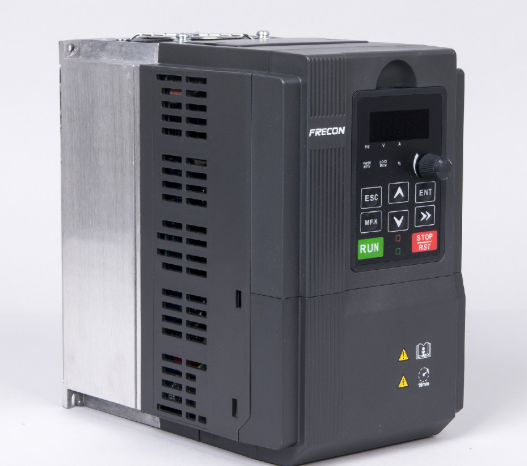
Manufacturing Standards and Testing QC for Variable Frequency Drive Hvac
Manufacturing excellence forms the structural backbone of Variable Frequency Drive (VFD) reliability in HVAC applications, where continuous operation, thermal cycling, and exposure to humid, contaminated environments demand industrial-grade durability. For EPC contractors and automation distributors specifying equipment for chiller plants, rooftop units (RTUs), and solar-assisted HVAC systems, understanding the manufacturing rigor behind motor control solutions ensures project longevity and minimizes costly field failures. Below is a technical examination of the critical production standards, environmental protection protocols, and 100% quality control verification processes that distinguish enterprise-grade HVAC VFDs.
Advanced PCB Protection and Conformal Coating Technologies
In HVAC environments, VFDs frequently operate in condensing humidity, airborne particulate, and chemical exposure zones near cooling towers or ventilation shafts. To mitigate electrochemical migration and dendritic growth on control boards, leading manufacturers implement automated selective conformal coating processes using acrylic, polyurethane, or silicone-based compounds (per IPC-CC-830 standards). This coating provides a dielectric barrier against moisture ingress and corrosive gases while maintaining thermal conductivity for high-frequency switching components. Additionally, three-proof paint treatments (moisture-proof, dust-proof, and mold-proof) are applied to power PCBs, ensuring insulation resistance remains above 100 MΩ even in 95% relative humidity conditions—a critical factor for agricultural and industrial HVAC installations where ambient air quality fluctuates severely.
Industrial-Grade Component Selection and Supply Chain Verification
The reliability of an HVAC VFD begins with component-grade qualification. Premium drives utilize automotive-grade or industrial-grade (105°C rated) electrolytic capacitors with extended lifespans (typically >60,000 hours at rated temperature), compared to commercial-grade alternatives that degrade rapidly under continuous PWM switching stress. IGBT modules undergo incoming inspection for VCE(sat) consistency and thermal impedance verification to ensure uniform heat dissipation across the inverter bridge. For solar-integrated HVAC applications—where DC bus voltage fluctuations from photovoltaic arrays stress semiconductor junctions—manufacturers like Boray Inverter implement enhanced DC-link capacitance banks and active clamping circuits tested to withstand 1.5x nominal voltage spikes. All critical components carry full traceability documentation, including RoHS compliance certificates and AEC-Q100 qualification data where applicable, supporting EPC contractor audit requirements for large-scale automation projects.
100% Full-Load Burn-In and Thermal Aging Protocols
Unlike consumer electronics that rely on statistical sampling, industrial VFDs for HVAC require 100% full-load burn-in testing prior to shipment. Each unit undergoes a minimum 4-hour dynamic load test at 110% rated current, simulating worst-case compressor or pump startup conditions. During this process, drives are subjected to high-temperature aging cycles (typically 50°C ambient with 80°C heat sink temperatures) to accelerate early-life failure mechanisms (ELF) in solder joints and semiconductor bonds. Thermal imaging verification ensures IGBT junction temperatures remain within ±5°C of design specifications across all three phases, eliminating hot spots that could lead to thermal runaway in variable torque HVAC applications. For solar pump inverters hybridized with HVAC systems, additional MPPT efficiency verification is performed under simulated irradiance fluctuations to validate DC-AC conversion stability.
Environmental Stress Screening (ESS) for HVAC Applications
Given that HVAC VFDs frequently operate in rooftop enclosures or mechanical rooms with high vibration and temperature differentials, manufacturing protocols include mechanical shock and vibration testing per IEC 60068-2-6 (sinusoidal vibration) and IEC 60068-2-27 (shock). Units are validated for IP54 or IP55 ingress protection ratings, ensuring dust and water jet resistance for outdoor condenser fan applications. Thermal cycling tests (-10°C to +60°C ramp rates of 3°C/minute) verify solder joint integrity and conformal coating adhesion, preventing cracks that could expose copper traces to condensation in seasonal HVAC startups. Humidity freeze cycles (85% RH to -20°C) further validate sealing integrity of terminal blocks and cooling fan assemblies.
Electromagnetic Compatibility (EMC) and Safety Certifications
Compliance with international electromagnetic compatibility standards is non-negotiable for VFDs installed in building automation networks. Manufacturing facilities must verify EMC immunity to IEC 61000-4 series (ESD, radiated fields, fast transients) and emissions control per EN 61800-3 (adjustable speed electrical power drive systems) and EN 55011 (industrial, scientific, and medical equipment). Safety certifications include CE marking (LVD 2014/35/EU and EMC 2014/30/EU), UL 61800-5-1 for adjustable speed electrical power drive systems, and ISO 9001:2015 quality management system accreditation. For integration with Building Management Systems (BMS), VFDs undergo communication protocol stress testing (Modbus RTU/TCP, BACnet MS/TP) to ensure signal integrity in noisy electrical environments.
Solar-HVAC Hybrid System Validation
As solar-assisted HVAC systems gain traction in commercial and agricultural sectors, VFD manufacturing incorporates dual-mode testing protocols. Drives are validated for DC input voltage ranges (typically 200VDC–800VDC for 400VAC three-phase output) to accommodate direct PV coupling without battery storage. Anti-islanding protection and grid synchronization algorithms are verified through hardware-in-the-loop (HIL) simulation, ensuring seamless transfer between solar DC power and grid AC backup during low-irradiance periods. This testing is critical for agricultural project managers implementing solar-powered irrigation and climate control systems where power quality directly affects crop yields.
Quality Traceability and Documentation for EPC Projects
For industrial engineers and contractors managing multi-site deployments, manufacturing transparency is essential. Each VFD receives a unique serial number linked to a digital birth certificate containing burn-in test data, component batch numbers, and calibration certificates. This traceability supports predictive maintenance strategies and warranty claims. Packaging standards include VCI (Volatile Corrosion Inhibitor) films and desiccant packs to prevent oxidation during international shipping and long-term storage—critical for distributors managing inventory in varying climatic zones.
By adhering to these rigorous manufacturing standards—from conformal-coated PCBs and 100% thermal aging to IEC-certified EMC validation—Boray Inverter ensures that HVAC VFDs deliver the efficiency gains and operational longevity demanded by modern building automation and solar integration projects. These protocols minimize Mean Time Between Failures (MTBF) and provide the reliability assurance required for 20-year lifecycle expectations in commercial and industrial mechanical systems.
Step-by-Step Engineering Sizing Checklist for Variable Frequency Drive Hvac
Proper sizing and specification of Variable Frequency Drives for HVAC applications requires rigorous analysis beyond simple motor nameplate matching. Whether retrofitting existing constant-speed air handling units or designing solar-integrated chiller plants for agricultural processing facilities, engineers must account for dynamic load profiles, harmonic distortion limits, and environmental derating factors. The following technical checklist ensures optimal VFD selection for centrifugal loads, positive displacement compressors, and hybrid solar-HVAC configurations.
1. Motor & Load Characterization
Verify Nameplate Data Beyond Nominal Power
– [ ] Horsepower/kW Matching: Size VFD continuous current rating ≥ 110% of motor full-load amps (FLA) at the lowest expected operating frequency. For HVAC variable torque (VT) loads (centrifugal fans, chilled water pumps), utilize the VFD’s VT rating; reserve constant torque (CT) oversizing only for positive displacement compressors or screw chillers.
– [ ] Service Factor Integration: If the motor carries a 1.15 service factor, verify the VFD can deliver 115% of rated current continuously without thermal overload activation, particularly during summer peak cooling loads.
– [ ] Insulation Integrity: Confirm motor winding insulation is rated for inverter-duty (Class F or H) or specify output sine wave filters/reactor combinations when cable runs exceed 100 meters between VFD and motor to prevent reflected wave voltage spikes.
– [ ] Affinity Law Validation: For centrifugal applications, validate that system design adheres to the cube law (Power ∝ Speed³). Calculate minimum operational speed thresholds (typically 20-30% of base speed) to prevent pump cavitation or fan stall conditions during low-demand periods.
2. Electrical Infrastructure & Solar Compatibility
AC Supply, DC Bus, and String Calculations
– [ ] Voltage Compatibility: Match VFD input voltage to utility supply (380-480V AC three-phase for commercial HVAC). For solar-integrated cooling tower pumps or ventilation systems, calculate maximum PV open-circuit voltage (Voc) at record low ambient temperatures:
Voc_max = Voc_stc × [1 + (T_min – 25°C) × α]
where α is the temperature coefficient (%/°C). Ensure Voc_max remains < VFD maximum DC input voltage rating with 10% safety margin.
– [ ] Solar String Optimization: Size PV strings to maintain voltage within the VFD’s MPPT window across irradiance fluctuations. For Boray solar pump inverters integrated into HVAC water loops, verify Vmp at 60°C cell temperature remains above the minimum MPPT voltage to prevent midday power clipping.
– [ ] Short Circuit Current Rating (SCCR): Verify VFD SCCR meets available fault current at the line side per UL 508C (minimum 65kA for commercial buildings) or IEC 61439-1.
– [ ] Harmonic Mitigation: Calculate expected Total Harmonic Current Distortion (THDi). For HVAC loads comprising >25% of transformer capacity, specify 3% impedance line reactors, DC link chokes, or active front ends (AFE) to comply with IEEE 519 and IEC 61000-3-6, preventing transformer overheating and utility penalties.
3. Environmental & Thermal Management
Derating for Mechanical Rooms and Rooftop Installations
– [ ] Ambient Temperature Derating: Apply manufacturer derating curves for temperatures exceeding 40°C. In boiler rooms or rooftop RTU installations where ambient reaches 50°C+, calculate required enclosure airflow (CFM) or specify liquid-cooled VFD solutions to maintain semiconductor junction temperatures within specification.
– [ ] Altitude Compensation: Reduce VFD continuous current capacity by 1% per 100 meters above 1000m altitude to account for reduced air density and cooling efficiency; above 2000m, consider external forced ventilation or sealed enclosure with heat exchangers.
– [ ] Enclosure Integrity: Specify IP54 or NEMA 12 for dusty mechanical rooms; IP66/NEMA 4X stainless steel for outdoor cooling tower pump installations exposed to chemical drift. Verify heatsink external mounting options to isolate sensitive electronics from humid, corrosive ambient air.
4. Control Architecture & Building Integration
BACnet, Bypass Logic, and Safety Interlocks
– [ ] BMS Protocol Compliance: Confirm VFD supports BACnet/IP, BACnet MS/TP, or Modbus TCP for direct integration with building management systems. Verify support for AHR 840 standard objects for HVAC-specific data points (duct static pressure, discharge air temperature, damper position).
– [ ] Critical System Bypass: For hospital AHUs or data center CRAC units, specify 2-contactor or 3-contactor bypass configurations (automatic or manual) to ensure motor operation during VFD maintenance or fault conditions, maintaining life-safety ventilation.
– [ ] I/O Expansion: Account for 4-20mA pressure/flow transmitters, PT100/PT1000 temperature sensors, and digital safety interlocks (fire/smoke dampers, freeze stats). Size external 24VDC power supplies if total sensor load exceeds VFD onboard 24V capacity (typically <500mA).
5. Solar Pumping & Hybrid System Considerations
DC-Coupled Architecture for Sustainable HVAC
– [ ] MPPT Voltage Windows: When deploying solar pump inverters for HVAC condenser water or irrigation-coupled evaporative cooling, verify the MPPT range (e.g., 250-800V DC) encompasses the PV array’s
Wholesale Cost and Energy ROI Analysis for Variable Frequency Drive Hvac
When evaluating Variable Frequency Drive (VFD) deployment for commercial HVAC infrastructure, procurement decisions must balance upfront capital expenditure against long-term operational savings. For EPC contractors and automation distributors, understanding the wholesale pricing architecture and quantifying energy return on investment (ROI) requires rigorous analysis of the affinity laws governing centrifugal loads, alongside total cost of ownership (TCO) calculations that incorporate warranty risk mitigation.
B2B Pricing Architecture: Wholesale vs. Retail Dynamics
The commercial HVAC VFD market operates on a tiered pricing structure that varies significantly between OEM direct procurement and distribution channels. For industrial-grade units ranging from 0.75kW to 500kW+ capacities, wholesale acquisition costs typically reflect volume-based discounts tied to project scale and integration complexity.
Direct OEM Procurement: Large-scale EPC contractors managing chiller plant retrofits or multi-site agricultural climate control systems can access wholesale pricing tiers starting at 40-50% below standard retail list prices when purchasing quantities exceeding 50 units. These agreements often include application-engineered configurations—such as IP66-rated enclosures for dusty agricultural environments or integrated DC bus architectures compatible with solar pumping inverters—without the markup associated with distribution intermediaries.
Distribution Channel Economics: Automation distributors typically operate on margin structures that add 25-35% to wholesale costs, reflecting inventory carrying costs, technical support services, and localized logistics. For agricultural project managers specifying VFDs for greenhouse ventilation or livestock climate control, distributor partnerships offer value through staged delivery schedules and localized service networks, albeit at premium pricing compared to direct manufacturer relationships.
Solar Pumping Synergy: Manufacturers like Boray Inverter leverage shared power module architectures between solar pump inverters and HVAC VFDs, enabling cross-application volume discounts. Projects integrating both solar water pumping and climate control systems can negotiate consolidated procurement packages, reducing per-unit costs by 15-20% compared to discrete purchases.
Energy ROI Quantification: The Affinity Law Advantage
The economic justification for VFD installation in HVAC systems derives from the cubic relationship between motor speed and power consumption—a principle critical for engineers calculating payback periods. According to the affinity laws governing centrifugal fans and pumps:
- Flow rate varies linearly with speed
- Pressure varies with the square of speed
- Power consumption varies with the cube of speed
This mathematical relationship enables dramatic energy savings. Reducing an HVAC fan motor to 80% of full speed (a 20% reduction) yields a theoretical power reduction of 48.8% (0.8³ = 0.512, or 48.8% of original load). In practical applications, VFDs in variable-load HVAC scenarios—such as commercial buildings with fluctuating occupancy or agricultural facilities with diurnal climate variations—deliver energy savings ranging from 30% to 70%, depending on duty cycles and baseline efficiency.
ROI Calculation Methodology:
For a typical 75kW (100HP) supply fan operating 6,000 hours annually at $0.12/kWh electricity rates:
- Baseline consumption: 75kW × 6,000 hrs × $0.12 = $54,000/year
- With 40% average speed reduction: Power drops to 21.6% of rated (0.6³), consuming 16.2kW average
- Annual operating cost: 16.2kW × 6,000 hrs × $0.12 = $11,664/year
- Annual savings: $42,336
With wholesale VFD procurement costs for a 75kW industrial unit ranging between $2,800–$4,200 (depending on harmonic mitigation requirements and enclosure ratings), simple payback periods typically fall within 6–10 months. Over a 15-year equipment lifecycle, cumulative savings exceed $600,000, yielding an ROI exceeding 10,000% on the initial motor control investment.
Warranty Cost Integration and Risk Mitigation
Warranty structures significantly impact TCO calculations for mission-critical HVAC applications. Standard manufacturer warranties cover 12–24 months for parts and labor, but extended protection plans—essential for remote agricultural installations or hospital HVAC systems where downtime costs exceed $100,000/hour—add 8–12% to initial procurement costs while eliminating catastrophic replacement risks.
Mean Time Between Failures (MTBF): Industrial-grade VFDs utilizing IGBT power modules and advanced thermal management (such as those manufactured by Boray for solar pumping applications adapted to HVAC duty) demonstrate MTBF ratings exceeding 100,000 hours. When amortized across the equipment lifecycle, warranty costs translate to approximately $0.02–$0.04 per operating hour—negligible compared to the $8–$15/hour energy savings generated by variable speed operation.
Service Agreement Bundling: Wholesale procurement agreements often include preventive maintenance schedules that extend capacitor and cooling fan lifespans. For distributors, offering 5-year comprehensive warranties creates competitive differentiation while capturing margin through service contracts rather than hardware markup alone.
Strategic Procurement for EPC Contractors
Engineering, Procurement, and Construction (EPC) contractors optimizing HVAC VFD deployment should consider harmonic mitigation costs in ROI calculations. While basic VFDs meet IEEE 519 standards through natural load inductance, applications with high concentrations of non-linear loads require line reactors or active filters, adding $150–$400 per unit to wholesale costs but preventing utility penalty charges that can exceed $2,000/month for large commercial facilities.
Solar-HVAC Hybrid Integration: Forward-thinking agricultural and industrial projects increasingly specify VFDs with DC bus connectivity, enabling direct coupling with photovoltaic arrays for peak-shaving applications. During daylight hours, solar pump inverters and HVAC drives share DC bus voltage, reducing AC-DC conversion losses by 3–5% and accelerating energy ROI by an additional 8–12 months through reduced grid dependency.
For global distributors and project managers, the strategic imperative lies in negotiating wholesale procurement frameworks that prioritize energy efficiency over initial capital expenditure. With payback periods measured in months rather than years and warranty costs representing fractional percentages of operational savings, industrial-grade VFDs represent not merely motor control devices, but high-yield energy infrastructure investments with demonstrable returns exceeding traditional HVAC mechanical upgrades by an order of magnitude.
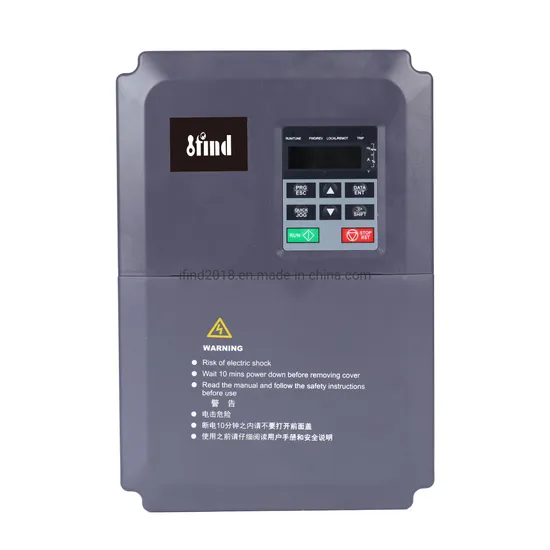
Alternatives Comparison: Is Variable Frequency Drive Hvac the Best Choice?
When specifying motor control strategies for HVAC infrastructure—whether for commercial building management, agricultural climate control, or industrial process cooling—engineers and EPC contractors must evaluate the total cost of ownership (TCO) against performance requirements. While Variable Frequency Drives (VFDs) have become the de facto standard for energy-efficient HVAC optimization, alternative technologies such as soft starters, traditional throttling mechanisms, and fixed-speed solar configurations present viable scenarios depending on load profiles, grid availability, and capital constraints.
Below is a technical analysis of how VFD-based HVAC systems compare against primary alternatives, with specific considerations for integration with solar pumping architectures and high-efficiency motor technologies.
VFD vs. Soft Starter: Control Depth vs. Starting Protection
Soft starters utilize thyristor-based voltage ramping to limit inrush current during motor startup, typically reducing starting current to 3-4 times the full load amperage (FLA) rather than the 6-8x seen in direct-on-line (DOL) starting. However, once the motor reaches operational speed, the soft starter bypasses to full voltage, offering no speed modulation capability.
VFDs, conversely, provide full-spectrum variable speed control (typically 10-100% of rated speed) by varying both frequency and voltage via IGBT-based inverters. For HVAC applications with variable thermal loads—such as chilled water pumps or cooling tower fans—VFDs deliver continuous energy optimization through the affinity laws (where power consumption drops cubically with speed reduction).
Decision Matrix:
– Choose Soft Starters when: The application requires only mechanical stress reduction during startup; the load is constant (e.g., base-load chillers); or budget constraints prohibit VFD hardware costs.
– Choose VFDs when**: Load profiles fluctuate diurnally or seasonally; energy recovery justifies the 15-30% premium in initial capital expenditure; or precise airflow/pressure control is required for indoor air quality (IAQ) compliance.
Electronic Speed Control vs. Mechanical Throttling
Traditional HVAC systems often employ inlet guide vanes, discharge dampers, or throttling valves to restrict flow while motors run at constant 60Hz (or 50Hz) speed. While this provides rudimentary capacity control, the motor continues consuming near-rated power, and mechanical throttling introduces parasitic losses.
VFDs eliminate these inefficiencies by controlling the motor’s rotational speed directly. A 20% reduction in fan speed (from 100% to 80%) theoretically yields a 48.8% energy reduction following the cubic relationship (P ∝ n³), whereas throttling the same flow reduction might only reduce power consumption by 10-15%.
Solar-Powered VFD vs. Grid-Powered Configurations
For agricultural HVAC applications (greenhouse climate control, livestock ventilation) or remote commercial installations, solar pump inverters—specialized VFDs designed for DC input from photovoltaic arrays—offer distinct advantages over grid-tied VFD systems:
Solar VFD Architecture:
– Eliminates AC-DC-AC conversion losses from separate solar inverters
– Built-in Maximum Power Point Tracking (MPPT) optimizes PV array voltage
– Operates independently of grid stability issues, critical for rural EPC projects
– Reduced operational expenditure (OPEX) over 25-year system lifespan
Grid-Powered VFD:
– Higher initial power availability (unlimited starting torque)
– No dependency on irradiance levels or battery storage sizing
– Simpler harmonic filtering requirements (no DC bus ripple from PV fluctuation)
Motor Technology Integration: PMSM vs. Induction Motors with VFDs
When pairing VFDs with HVAC motors, the choice between Permanent Magnet Synchronous Motors (PMSM) and Standard Induction Motors (IM) significantly impacts system efficiency:
PMSM Advantages:
– Synchronous operation eliminates rotor slip losses (3-5% efficiency gain over IM)
– Higher power density enables compact fan/pump designs
– Requires precise rotor position sensing (encoder or sensorless vector control)
– Higher material costs due to rare-earth magnets
Induction Motor Advantages:
– Robust, field-proven technology with lower capital cost
– No demagnetization risk in high-temperature HVAC environments
– Simpler VFD parameterization (V/Hz control sufficient for many fan applications)
– Higher heat tolerance for continuous duty cycles
Comparative Analysis Table
| Parameter | VFD (Variable Frequency Drive) | Soft Starter | Traditional Throttling | Solar VFD (DC Input) |
|---|---|---|---|---|
| Speed Control Range | 10-100% continuous | Fixed (bypass at full speed) | Mechanical restriction only | 20-100% (irradiance dependent) |
| Energy Savings Potential | 30-70% (affinity laws) | 0-5% (reduced starting losses only) | 5-15% (mechanical losses) | 60-90% (offset grid consumption) |
| Starting Current | 1.0-1.5x FLA (soft start function) | 3-4x FLA | 6-8x FLA (DOL) | 1.0-1.5x FLA (MPPT soft start) |
| Power Factor Correction | Built-in (near unity PF) | None (motor PF applies) | None | Built-in (DC bus regulation) |
| Harmonic Distortion | Moderate (3-5% THDi with chokes) | Low (bypassed at run) | N/A | Low-Moderate (DC filtering) |
| Initial CAPEX | High ($$) | Low ($) | Lowest ($) | Very High ($$$) |
| Maintenance Requirements | Medium (cooling fans, capacitors) | Low (solid-state, bypass contactors) | High (mechanical linkages) | Medium (PV cleaning + electronics) |
| Best Application | Variable load HVAC (AHUs, pumps) | High-inertia constant loads | Legacy system retrofits | Off-grid/remote agricultural HVAC |
Motor Type Compatibility Matrix
| Feature | VFD + Induction Motor | VFD + PMSM | VFD + Synchronous Reluctance |
|---|---|---|---|
| System Efficiency | 85-92% | 93-96% | 90-94% |
| Control Complexity | Standard (V/Hz or Vector) | High (Servo/Vector required) | Medium |
| Temperature Derating | Minimal | Significant (magnet limits) | Minimal |
| Cost per kW | Baseline | +40-60% | +20-30% |
| HVAC Suitability | Excellent (general purpose) | Premium (EC fans, chillers) | Good (pumps, compressors) |
Engineering Recommendations for B2B Procurement
For Industrial Engineers: Specify VFDs with active front ends (AFE) or DC chokes when total harmonic distortion (THD) must remain below 5% per IEEE 519. In multi-motor HVAC plants, consider centralized VFD architectures with bypass contactors for critical redundancy.
For Agricultural Project Managers: Solar pump inverters with VFD functionality offer compelling ROI for irrigation-adjacent climate control (e.g., evaporative cooling pads in poultry houses). Size DC input capacity at 1.25x the motor FLA to account for irradiance variability.
For EPC Contractors: When bidding mixed-use commercial projects, differentiate between “VFD-ready” motors (inverter-duty rated insulation) and standard motors. NEMA MG1 Part 31 compliance prevents winding failures from voltage reflection issues in long cable runs between VFD and motor.
Conclusion: While soft starters and mechanical throttling remain relevant for fixed-load legacy systems, VFDs represent the optimal technical solution for variable-load HVAC applications where lifecycle energy costs dominate the TCO calculation. For off-grid or sustainability-focused projects, solar-compatible VFDs further extend these advantages by eliminating grid dependency while maintaining precise environmental control. The integration of high-efficiency PMSMs with advanced VFD vector control yields the highest efficiency tier, ideal for premium commercial installations where operational carbon reduction is mandated.
Core Technical Specifications and Control Terms for Variable Frequency Drive Hvac
When specifying Variable Frequency Drives for HVAC applications—whether for centrifugal chillers, cooling tower fans, or solar-powered irrigation systems integrated with building management—engineers and procurement specialists must evaluate both the electromechanical control parameters and the commercial frameworks governing cross-border equipment supply. The following technical specifications and trade terminology establish the baseline for system compatibility, energy optimization, and supply chain risk management.
Critical Performance Specifications
Input Voltage Tolerance and Power Topology
Industrial-grade HVAC VFDs must accommodate grid fluctuations common in commercial installations. Specify units with input voltage ranges of ±15% (380–480V AC three-phase standard) and built-in DC bus chokes to mitigate harmonic distortion. For solar-hybrid HVAC systems, dual-input capability (AC grid + DC photovoltaic) with Maximum Power Point Tracking (MPPT) algorithms is essential. MPPT functionality ensures the inverter continuously operates PV arrays at their optimal voltage-current curve, maximizing energy harvest for auxiliary pump stations or direct-drive ventilation systems even under variable irradiance conditions.
Control Methodologies: V/Hz vs. Vector Control
Basic HVAC fan applications may utilize Volts-per-Hertz (V/Hz) scalar control, but precision climate control demands Sensorless Vector Control (SVC) or Field-Oriented Control (FOC). These methods decouple torque and flux components, enabling:
– Precise speed regulation (±0.5% accuracy) for compressor loads with high starting torque requirements
– Stable low-speed operation (down to 0.5 Hz) for large inertia fans without overheating
– Automatic torque boost during refrigerant pressure fluctuations
For multi-motor HVAC configurations (e.g., redundant chilled water pumps), specify drives with PID (Proportional-Integral-Derivative) closed-loop control integrated directly into the firmware. This eliminates external PLC dependencies by allowing the VFD to compare feedback signals (4–20 mA or 0–10V from pressure transducers or temperature sensors) against setpoints, dynamically adjusting motor speed to maintain duct static pressure or condenser water temperature.
Environmental and Protection Ratings
HVAC mechanical rooms and rooftop units (RTUs) expose drives to temperature extremes, humidity, and particulate contamination. Specify IP54 or IP55 enclosure ratings for dust and water jet protection, with conformal-coated PCBs to resist corrosive atmospheres in coastal or industrial environments. Additional specifications should include:
– Built-in EMC filters (C2 or C3 category per IEC 61800-3) to prevent interference with building automation systems
– DC injection braking or dynamic braking chopper options for rapid deceleration of high-inertia centrifugal loads
– Stall prevention and automatic carrier frequency adjustment to protect motor windings during prolonged low-speed operation
Communication and Integration Protocols
Modern building automation requires seamless integration with Building Management Systems (BMS). Ensure VFDs support BACnet MS/TP or BACnet/IP for HVAC-specific interoperability, alongside industrial standards such as Modbus RTU/ASCII/TCP, Profibus-DP, or CANopen. For solar pumping applications within HVAC water management, RS-485 communication enables centralized monitoring of multiple pump stations. Advanced units should offer embedded IoT capabilities with 4G/Wi-Fi connectivity for remote diagnostics, critical for EPC contractors managing distributed agricultural or commercial portfolios.
Commercial Terms for International Procurement
When sourcing VFDs from manufacturers such as Boray Inverter for international HVAC or solar pumping projects, understanding Incoterms 2020 definitions mitigates logistical risk:
FOB (Free On Board)
Under FOB terms, the supplier delivers goods to the port of shipment and clears them for export. Risk transfers to the buyer once the VFDs pass the ship’s rail. This term favors buyers with established freight forwarding networks, allowing control over ocean freight and insurance arrangements for large-scale HVAC retrofit projects.
CIF (Cost, Insurance, and Freight)
CIF places the obligation for freight and minimum insurance coverage on the supplier until the destination port. While this simplifies procurement for agricultural project managers or smaller contractors, buyers should note that risk still transfers at the origin port—meaning any damage during ocean transit requires claims against the supplier’s insurance policy. For high-value HVAC VFD shipments, verify that insurance covers 110% of the CIF value per Institute Cargo Clauses (A).
Additional Trade Considerations
– EXW (Ex Works): Places maximum obligation on the buyer, suitable only when the purchaser has import/export licenses and logistics infrastructure in the supplier’s country.
– DDP (Delivered Duty Paid): Supplier assumes all costs and risks to the final destination, including import duties—optimal for turnkey EPC contracts requiring single-source accountability.
– Payment Terms: For custom-configured HVAC VFDs (e.g., solar pump inverters with specific MPPT voltage ranges), negotiate milestone-based payments (30% advance, 70% against BL copy) to align cash flow with project commissioning schedules.
Application-Specific Configurations
For solar-powered HVAC auxiliary systems (cooling tower makeup pumps or irrigation for green building landscapes), specify VFDs with dual-mode operation: automatic switching between AC grid and DC solar inputs without external transfer switches. The MPPT voltage range should align with the PV array configuration (typically 200–800V DC for commercial systems), with automatic derating curves for ambient temperatures above 45°C.
In high-rise HVAC applications, specify drives with sleep/wake functions and multi-pump cascade control, allowing staging of multiple booster pumps to maintain constant pressure while minimizing energy consumption during off-peak occupancy hours. The PID parameters should be auto-tuning to accommodate changing system curves as filters load and valves modulate throughout the building lifecycle.
By aligning these technical specifications—vector control precision, MPPT efficiency, PID responsiveness—with clear commercial terms (FOB/CIF), project stakeholders ensure that VFD investments deliver the projected 30–70% energy savings while maintaining compliance with international shipping and customs regulations.
Future Trends in the Variable Frequency Drive Hvac Sector
The global HVAC sector is undergoing a paradigm shift driven by decarbonization mandates, Industry 4.0 architectures, and the proliferation of distributed energy resources. For industrial engineers and EPC contractors, Variable Frequency Drives (VFDs) are evolving from simple motor speed regulators to intelligent nodes within complex cyber-physical systems. The convergence of renewable energy integration, advanced automation protocols, and IoT-enabled analytics is redefining how thermal management systems are designed, commissioned, and maintained.
AI-Driven Automation and Adaptive Motor Control
Traditional VFDs relied on pre-programmed PID loops and static pressure sensors. The next generation leverages machine learning algorithms embedded directly in drive firmware or upstream Building Management Systems (BMS). These systems analyze historical load patterns, weather forecasting data, and occupancy metrics to predict thermal demand rather than merely react to it. For agricultural applications—such as climate-controlled storage facilities or greenhouse ventilation—this means VFDs can anticipate diurnal heating cycles and adjust fan or pump speeds preemptively, reducing energy spikes by up to 35% beyond conventional variable speed operation. Furthermore, integration with BACnet/IP and Modbus TCP/IP protocols enables seamless orchestration across heterogeneous equipment fleets, allowing EPC contractors to deploy standardized control architectures that scale from single rooftop units (RTUs) to district cooling networks.
Solar-Hybrid HVAC and DC Microgrid Integration
Perhaps the most significant disruption is the convergence of solar photovoltaic (PV) systems with HVAC infrastructure. As manufacturers advance solar pump inverter technology, these innovations are migrating into commercial HVAC applications. Modern VFDs are increasingly designed to accept direct DC input from solar arrays, eliminating inverter losses associated with AC conversion and enabling true solar-direct HVAC operation during daylight hours. This is particularly transformative for agricultural project managers managing irrigation and climate control simultaneously; hybrid VFDs can prioritize solar DC power for pump motors while seamlessly blending grid AC power during low-irradiance periods. Additionally, the integration of energy storage systems (ESS) with VFD-controlled HVAC loads allows for demand response participation, where drives modulate compressor and fan speeds to absorb excess solar generation or shed load during peak pricing events. The emergence of 800V DC microgrids in industrial facilities further necessitates VFDs capable of handling wider voltage ranges and bidirectional power flow, effectively turning HVAC systems into grid-stabilizing assets.
IoT-Enabled Condition Monitoring and Edge Analytics
The transition from preventive to predictive maintenance is accelerating through IoT-enabled VFDs equipped with edge computing capabilities. Rather than relying solely on SCADA polling, modern drives incorporate embedded sensors for vibration analysis, bearing temperature monitoring, and stator current signature analysis (MCSA). These devices process data locally using edge algorithms to detect mechanical imbalances or cavitation in pumps before catastrophic failure occurs. For automation distributors, this represents a shift toward offering value-added services: cloud-based dashboards that aggregate VFD health data across multiple client sites, enabling remote parameterization and firmware updates. Digital twin technology further enhances commissioning processes, allowing engineers to simulate HVAC load scenarios and optimize VFD parameter sets virtually before physical deployment. This reduces startup time by 40-60% and minimizes field troubleshooting for complex multi-drive installations.
Cybersecurity and Standardization Imperatives
As VFDs become networked endpoints, cybersecurity has emerged as a critical design criterion. Future-ready drives must comply with IEC 62443 standards for industrial automation security, featuring encrypted communication channels, secure boot capabilities, and role-based access control (RBAC). Simultaneously, the push for interoperability is driving adoption of open-source frameworks like Node-RED for custom IoT integrations, allowing facility managers to connect VFD data streams directly to enterprise energy management platforms without proprietary middleware.
For stakeholders across the value chain—from agricultural operations requiring off-grid solar pumping solutions to commercial EPCs designing net-zero buildings—these trends signal a shift toward VFDs as intelligent, grid-interactive power conversion platforms. The technology is no longer merely about motor control; it is about orchestrating energy flows between renewable generation, storage, and thermal loads with millisecond precision.
Top 2 Variable Frequency Drive Hvac Manufacturers & Suppliers List
Top 10 Players in Variable Frequency Drive (VFD) Market
Website: fortunebusinessinsights.com
The provided text contains introductory technical specifications for Variable Frequency Drives (VFDs) rather than specific product listings from the top 10 market players. Key details extracted: VFDs function as motor controllers that propel electric motors by altering frequency and voltage supply; also referred to as adjustable speed drives, AC drives, microdrives, variable speed drives, or inver…

Analysis of the Top 25 Variable Frequency Drive (VFD) Companies …
Website: finance.yahoo.com
No relevant product details found in the provided text. The content appears to be an error page (‘Oops, something went wrong’) containing only Yahoo Finance navigation menus and category links, with no actual article content regarding Variable Frequency Drives (VFDs), solar inverters, or industrial automation equipment.
B2B Engineering FAQs About Variable Frequency Drive Hvac
1. How do the Affinity Laws govern energy savings when applying VFDs to centrifugal loads in HVAC systems, and what is the theoretical limit of efficiency gains?
The Affinity Laws (or Fan Laws/Pump Laws) dictate that for centrifugal loads—such as HVAC fans and chilled water pumps—flow rate (Q) varies linearly with motor speed (N), while power (P) varies with the cube of speed (P ∝ N³). Practically, reducing motor speed by 20% (to 80% of nominal RPM) decreases mechanical power consumption to approximately 51.2% (0.8³) of full-load power. However, system efficiency is also influenced by the static pressure curve and duct/piping resistance. At Boray Inverter, our VFDs utilize advanced PID algorithms to maintain the optimal operating point on the system curve, preventing the “hunting” that occurs with basic V/Hz control. For solar pumping applications adapted to HVAC thermal storage, this cube-law relationship enables 60-70% energy harvesting efficiency when pairing PV arrays with variable-speed chilled water circulation.
2. What harmonic mitigation strategies are required when deploying VFD arrays in large commercial HVAC plants to maintain IEEE 519 / IEC 61000-3-6 compliance?
Multi-drive HVAC installations generate characteristic harmonics (primarily 5th, 7th, 11th, and 13th) that can distort voltage THD (Total Harmonic Distortion) across the facility transformer. Mitigation strategies include: (a) DC link chokes or AC line reactors to increase source impedance; (b) 12-pulse or 18-pulse rectifier configurations for drives >50kW; (c) Active Front End (AFE) drives that regenerate clean sinusoidal current; and (d) broadband active harmonic filters for retrofit projects. Boray Inverter’s industrial VFDs integrate DC reactors as standard, reducing THD-I to <35% without external filtering, while our Active Front End variants achieve <5% THD-I, critical for hospitals and data centers where power quality affects sensitive medical imaging and server loads.
3. In high-torque HVAC applications such as screw compressors and induced draft fans, when is sensorless vector control (SVC) preferable to standard V/Hz control?
Standard V/Hz (Volts per Hertz) control maintains constant flux by varying voltage proportionally with frequency, suitable for centrifugal fans with quadratic torque loads. However, for screw compressors, rotary heat exchangers, or high-static-pressure fans requiring 150-200% starting torque, SVC is mandatory. SVC uses motor current and voltage feedback to calculate rotor flux position in real-time, providing ±0.5% speed accuracy and 200% torque at 0.5 Hz. Boray Inverter’s vector control algorithms include auto-tuning functions that identify motor parameters (stator resistance, leakage inductance) to optimize torque response, preventing compressor stall during low-speed operation and ensuring adequate oil circulation in refrigeration circuits.
4. How can solar pump inverter architectures be adapted for hybrid HVAC applications, particularly for DC-coupled chilled water systems and thermal energy storage?
Solar pump inverters (SPIs) traditionally optimize PV power via MPPT (Maximum Power Point Tracking) for irrigation. In HVAC, this technology enables DC-coupled Variable Refrigerant Flow (VRF) systems and ice-storage chillers. The critical integration involves: (a) wide DC voltage input ranges (200-800VDC) to accommodate fluctuating PV output; (b) dual-mode operation (DC solar priority with AC grid fallback); and (c) anti-islanding protection per UL 1741. Boray Inverter’s solar-compatible VFDs feature proprietary MPPT algorithms with 99% tracking efficiency, allowing direct PV coupling to HVAC motors without battery storage. For EPC contractors, this eliminates inverter-clipping losses common in AC-coupled systems and reduces payback periods by 30-40% in high-irrigation zones where HVAC and agricultural pumping share infrastructure.
5. What are the electrical engineering considerations for protecting motor bearings and windings against dV/dt stresses in long-cable VFD-HVAC installations?
PWM switching frequencies (2-16 kHz) create steep-fronted voltage waves (dV/dt up to 10,000 V/μs) that cause reflected waves in cables >50 meters, potentially doubling voltage at the motor terminals and causing bearing pitting via shaft currents. Protection methods include: (a) Output reactors (1-3% impedance) to slow rise times; (b) Sine wave filters (LC filters) to reconstruct sinusoidal waveforms; (c) Shaft grounding rings (AEGIS®) to divert bearing currents; and (d) Insulated bearing NDE (non-drive end) for motors >100kW. Boray Inverter provides integrated dV/dt filtering options and recommends specific cable types (shielded, symmetrical geometry) to minimize capacitive coupling in rooftop unit (RTU) installations where long conduit runs are unavoidable.
6. What distinguishes electronic bypass from mechanical bypass configurations in critical HVAC redundancy applications, and when is each specified?
Mechanical bypass (across-the-line contactor) provides fail-safe operation during VFD failure by directly connecting the motor to mains power, but results in full-speed operation (energy waste) and mechanical shock (inrush currents 6-8x FLA). Electronic bypass utilizes a second inverter module or synchronous transfer to maintain variable speed capability even if the primary drive fails. For life-safety applications (smoke evacuation fans, stairwell pressurization), NFPA 92 requires specific bypass logic with fireman’s override. Boray Inverter’s HVAC-specific drives offer programmable bypass logic with automatic return-to-VFD functionality post-fault, ensuring compliance with ASHRAE 90.1 energy codes while maintaining smoke control mode capabilities via dry contact inputs.
7. How do modern VFDs integrate with Building Management Systems (BMS) via BACnet/IP and Modbus TCP, and what are the commissioning pitfalls regarding static pressure reset strategies?
Integration requires mapping VFD data points (frequency reference, output current, DC bus voltage, thermal state) to BMS objects (BACnet Analog Input/Output). Critical commissioning issues include: (a) ensuring proper scaling (0-10V = 0-60Hz vs. 0-100%); (b) addressing conflicts between local sensor PID loops and BMS global optimization; and (c) implementing static pressure reset strategies (ASHRAE Guideline 36) where duct pressure setpoints vary based on zone demand. Boray Inverter drives support dual-protocol stacks (BACnet MS/TP and IP simultaneously) and feature built-in pressure transducer inputs (4-20mA/0-10V) for standalone trim-and-respond control, reducing BMS bandwidth requirements while maintaining optimal fan efficiency curves.
8. What IP ratings and thermal management strategies are essential for VFDs installed in outdoor rooftop HVAC units (RTUs) exposed to harsh environmental conditions?
RTU installations expose drives to ambient temperatures ranging from -20°C to +50°C, humidity cycles, and salt fog in coastal regions. Minimum protection is IP54 (dust protected, water splashing), though IP55 or IP66 is preferred for washdown environments. Thermal management requires: (a) derating curves (typically 2% per °C above 40°C); (b) active cooling with filtered forced air or liquid cooling for NEMA 3R/4X enclosures; (c) conformal coating on PCBs (Type III acrylic or polyurethane) to prevent corrosion from H₂S or salt; and (d) heat sink fin spacing designed to prevent dust accumulation. Boray Inverter’s outdoor-rated VFDs utilize isolated cooling channels (separate air paths for electronics and heat sinks) and conformal-coated PCBs as standard, ensuring MTBF (Mean Time Between Failures) >100,000 hours in desert and tropical HVAC applications.
Disclaimer
⚠️ Important Disclaimer
The information provided in this guide is for educational purposes. Industrial applications and electrical engineering projects carry inherent risks. B2B buyers and contractors must conduct thorough technical due diligence and verify regional compliance before installation or procurement.
Conclusion: Partnering with Boray Inverter for Variable Frequency Drive Hvac
Implementing Variable Frequency Drive technology within HVAC infrastructure represents a paradigm shift from static, energy-intensive operations to dynamic, demand-responsive systems. By precisely modulating motor speeds to align with real-time thermal loads, VFDs eliminate the inefficiencies inherent in constant-speed operation and mechanical throttling, delivering energy reductions of up to 70% while significantly extending equipment lifespan through reduced mechanical stress. For industrial engineers, EPC contractors, and automation distributors seeking to optimize building performance and operational expenditure, the integration of intelligent motor control is no longer optional—it is a critical competitive necessity.
When selecting a VFD partner for your HVAC, solar pumping, or industrial motor control applications, technical precision and manufacturing excellence must be paramount. Shenzhen Boray Technology Co., Ltd. stands at the forefront of drive innovation, specializing in Solar Pump Inverters and advanced Motor Control Solutions engineered for the most demanding global environments. With an R&D team comprising 50% of our workforce, Boray Inverter has achieved mastery in both Permanent Magnet Synchronous Motor (PMSM) and Induction Motor (IM) vector control technologies, ensuring optimal torque response and energy efficiency across diverse load profiles.
Our manufacturing infrastructure features two modern production lines equipped with 100% full-load testing protocols, guaranteeing that every unit meets rigorous international standards before deployment. From large-scale agricultural irrigation projects to complex industrial automation systems, Boray’s solutions have earned the trust of engineers and contractors worldwide who demand uncompromising reliability and performance.
We invite you to leverage our technical expertise and scalable manufacturing capabilities for your next project. Whether you require customized VFD configurations for specialized HVAC applications or competitive wholesale quotations for distribution networks, Boray Inverter delivers the engineering excellence and cost efficiency your specifications demand. Contact our technical sales team today to discuss your specific motor control requirements and discover how our precision-engineered drives can optimize your system’s performance.