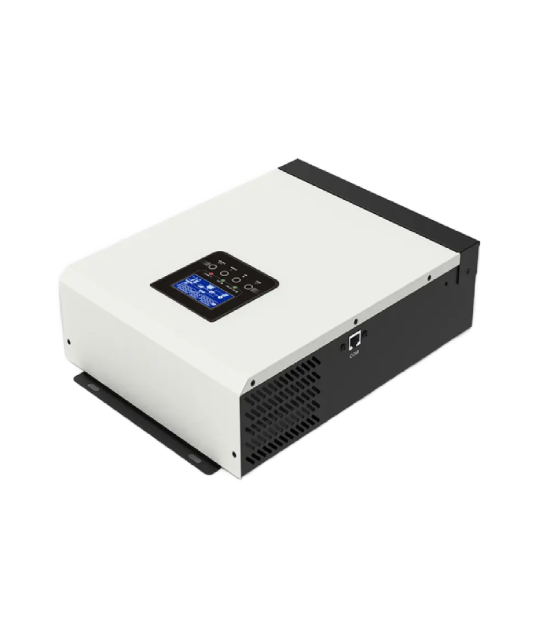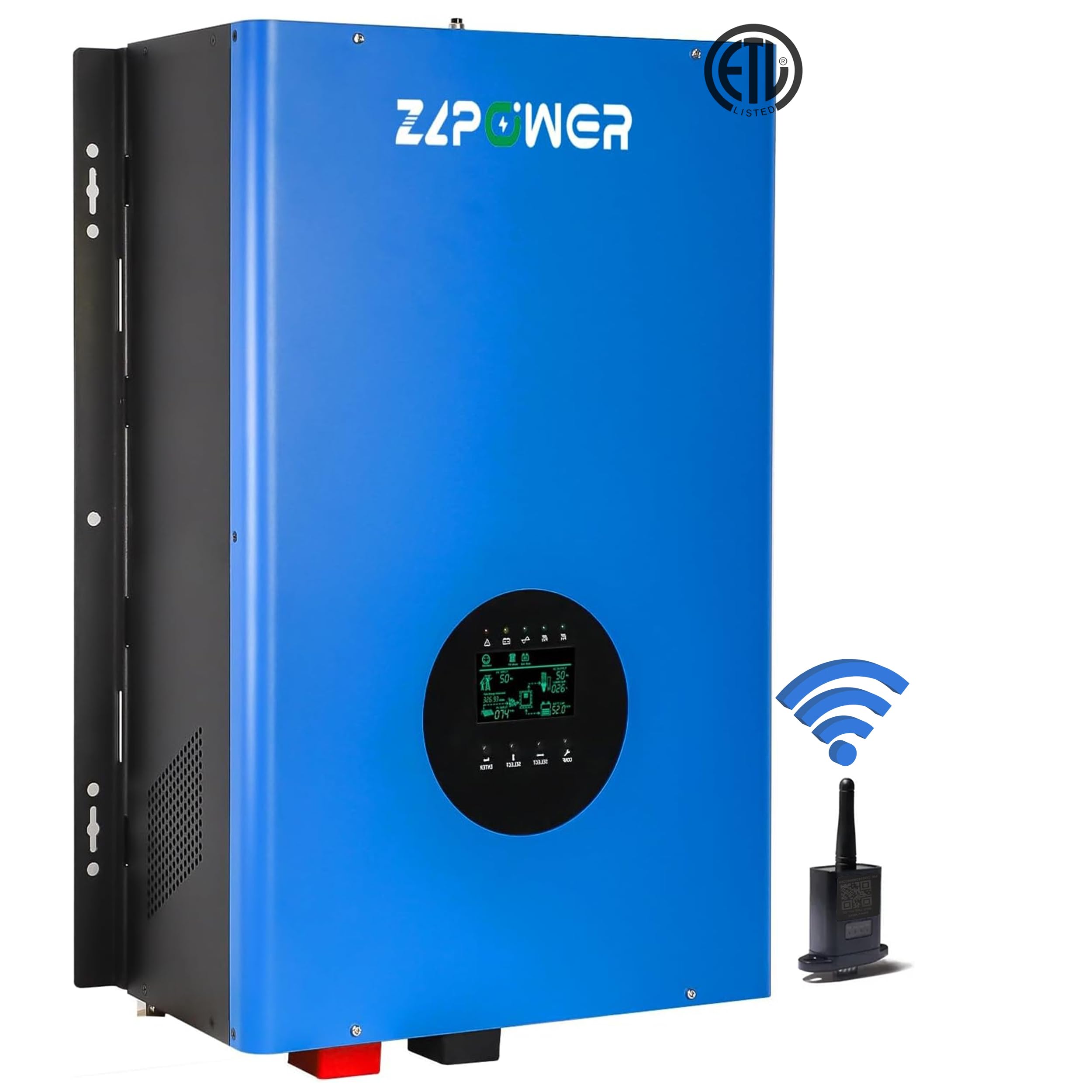
Introduction: Sourcing Hybrid Solar Inverter for Industrial Use
In an era of volatile energy markets and escalating demand for operational continuity, industrial facilities and agricultural operations face mounting pressure to secure resilient, cost-effective power infrastructure. Unlike conventional grid-tied systems that leave critical motor loads vulnerable to outages, hybrid solar inverters represent the convergence of photovoltaic generation, battery energy storage, and intelligent grid management—delivering seamless transitions between power sources while optimizing energy arbitrage for high-consumption industrial processes and solar pumping applications.
For electrical engineers and EPC contractors managing irrigation networks, automated manufacturing lines, or remote pumping stations, the hybrid inverter serves as the central nervous system of modern distributed energy resources. These advanced units not only execute DC-to-AC conversion with high-efficiency MPPT algorithms but also integrate bidirectional power flow capabilities and battery charge control—functions that directly interface with Variable Frequency Drives (VFDs) and motor control systems to ensure uninterrupted operation during grid instability or peak demand periods.
This comprehensive guide addresses the technical procurement landscape for industrial-grade hybrid inverters. We examine system architectures ranging from single-phase units to three-phase industrial powerhouses, critical specifications including IP ratings, efficiency curves, THD levels, and VFD compatibility matrices, alongside rigorous manufacturer evaluation criteria covering warranty structures, service networks, and compliance with international grid codes. Whether sourcing for agricultural solar pumping projects or factory automation retrofits, understanding these parameters ensures selection of robust power electronics capable of withstanding harsh industrial environments while maximizing return on investment through intelligent energy management.
Article Navigation
- Top 2 Hybrid Solar Inverter Manufacturers & Suppliers List
- Introduction: Sourcing Hybrid Solar Inverter for Industrial Use
- Technical Types and Variations of Hybrid Solar Inverter
- Key Industrial Applications for Hybrid Solar Inverter
- Top 3 Engineering Pain Points for Hybrid Solar Inverter
- Component and Hardware Analysis for Hybrid Solar Inverter
- Manufacturing Standards and Testing QC for Hybrid Solar Inverter
- Step-by-Step Engineering Sizing Checklist for Hybrid Solar Inverter
- Wholesale Cost and Energy ROI Analysis for Hybrid Solar Inverter
- Alternatives Comparison: Is Hybrid Solar Inverter the Best Choice?
- Core Technical Specifications and Control Terms for Hybrid Solar Inverter
- Future Trends in the Hybrid Solar Inverter Sector
- B2B Engineering FAQs About Hybrid Solar Inverter
- Disclaimer
- Conclusion: Partnering with Boray Inverter for Hybrid Solar Inverter
Technical Types and Variations of Hybrid Solar Inverter
Hybrid solar inverters are not monolithic devices; their technical architectures vary significantly based on voltage class, coupling topology, and integration with motor control systems. For industrial and agricultural applications—particularly those involving solar pumping and automated machinery—selecting the appropriate inverter topology is critical for system efficiency, motor protection, and grid compliance. The following classification addresses the primary technical variations encountered in commercial and industrial (C&I) deployments, with specific attention to motor drive compatibility and pumping system integration.
Comparative Technical Classification
| Type | Technical Features | Best for (Industry) | Pros & Cons |
|---|---|---|---|
| Three-Phase Industrial Hybrid Inverter (400V/480V Class) | • 3-phase AC output (380–480V ±10%) • 50/60Hz selectable frequency • Direct VFD integration via DC bus coupling • High surge capacity (300% for 60s) for motor starting • THD <3% under linear load |
Manufacturing plants, commercial HVAC, grain processing, large-scale irrigation | Pros: Direct compatibility with standard industrial motors; supports vector control drives; high power density (50–250kW) Cons: Requires 3-phase grid connection; higher capital cost; specialized electrical installation |
| Solar Pump Hybrid VFD (Integrated Motor Drive) | • Built-in MPPT (400V–800Vdc input range) • V/F control & sensorless vector control • Triple-input architecture: PV + Grid + Battery • Dry-run, empty-tank, and flow-rate protection • IP65 enclosure for outdoor agricultural use |
Agricultural irrigation, borehole pumping, livestock watering, industrial fluid handling | Pros: Eliminates separate VFD hardware; optimized pump curves; automatic switching between solar/grid/battery Cons: Limited to motor loads only; requires specific motor parameter programming; battery voltage typically limited to 48V–400Vdc |
| High-Voltage DC-Coupled Hybrid (150V–1000V Battery) | • High-voltage battery interface (150–1000Vdc) • Reduced DC cabling losses (I²R) • Modular master-slave parallel operation (up to 10 units) • Compatible with LiFePO4 rack batteries • Advanced battery management system (BMS) communication |
Utility-scale storage, microgrids, large commercial installations, desalination plants | Pros: Higher round-trip efficiency (95%+); longer DC cable runs; scalable MW-level storage Cons: Strict battery safety requirements (arc flash protection); limited compatibility with legacy low-voltage battery banks |
| AC-Coupled Retrofit Hybrid Inverter | • Grid-forming/islanding capability • Frequency-watt (Freq-Watt) and volt-watt control • Compatible with existing string inverter AC output • Smart export limiting and zero-export modes • RS485/CAN bus for SCADA integration |
Existing solar pump retrofits, grid-constrained industrial zones, commercial building upgrades | Pros: Preserves existing solar investment; no DC rewiring required; flexible battery addition Cons: Double conversion losses (AC-DC-AC); complex synchronization with existing inverters; higher standby consumption |
| Single-Phase Hybrid with VFD Interface (220V/230V) | • Single-phase 220–240V output (L-N) • External VFD communication protocols (Modbus RTU, CANopen) • Soft-start functionality (0–60s ramp) • Split-phase capability (120/240V for North American markets) • Surge protection for inductive motor loads |
Small-scale agriculture, residential pumping, light industrial workshops, remote telemetry stations | Pros: Standard single-phase pump compatibility; lower installation cost; plug-and-play with existing 220V motors Cons: Power limited to ~10kW single-phase; reduced motor starting torque; potential phase imbalance in multi-motor setups |
Detailed Technical Analysis
Three-Phase Industrial Hybrid Inverters (400V/480V Class)
These represent the standard for heavy industrial automation, designed to interface directly with three-phase induction motors and external VFD systems. Unlike residential hybrids, industrial variants feature reinforced DC buses capable of handling the regenerative energy from decelerating motor loads. When integrated with Boray’s solar pump VFDs, these inverters can operate in “DC coupling mode,” where the solar array directly feeds the VFD’s DC link while the hybrid inverter manages battery backup and grid synchronization. Critical specifications include isolation transformer options for ground fault protection in wet agricultural environments and active front-end (AFE) technology to maintain power factor >0.99 across variable motor loads.
Solar Pump Hybrid VFDs (Integrated Motor Drive)
This specialized category blurs the line between hybrid inverters and variable frequency drives. These units combine MPPT solar tracking with full motor control capabilities, eliminating the need for separate DC-AC-DC conversion. Technically, they function as multi-source VFDs that prioritize solar DC input, supplement with battery storage, and fail-over to grid AC input without interrupting motor operation. Key engineering features include automatic torque boost for high-starting-torque pumps, stator resistance compensation for long cable runs (critical for deep borehole pumps), and sleep/wake functions that detect minimum flow requirements to prevent dry-running. For EPC contractors, these systems reduce Balance of System (BOS) costs by 15–20% by consolidating control electronics.
High-Voltage DC-Coupled Hybrids (150V–1000V)
Engineered for large-scale agricultural processing and industrial microgrids, these systems utilize high-voltage battery racks (typically 400V or 800V nominal) to minimize current and associated copper losses. The technical advantage lies in direct battery-to-inverter efficiency—avoiding the voltage step-up conversions required in low-voltage systems. These inverters often feature bidirectional DC-DC converters with galvanic isolation, protecting sensitive motor control electronics from battery ground faults. For solar pumping stations requiring 24/7 operation, this architecture supports rapid switching (<10ms) between grid and battery, ensuring uninterrupted flow in critical irrigation schedules.
AC-Coupled Retrofit Hybrids
Designed for upgrading existing solar pump installations without dismantling current array wiring, these inverters connect to the AC output of existing string inverters. They employ grid-forming algorithms to establish voltage and frequency references when the main grid fails, effectively converting a grid-tied pump system into a hybrid backup system. Technical considerations include frequency droop control to prevent instability when multiple inverters operate in parallel, and anti-islanding protection per IEEE 1547 standards. While less efficient than DC-coupled systems due to double conversion, they offer the lowest retrofit cost for industrial facilities seeking battery backup without solar array downtime.
Single-Phase Hybrids with VFD Interface
Targeting small-to-medium agricultural operations (up to 7.5kW motor loads), these units bridge residential and industrial applications. They incorporate boost PFC (Power Factor Correction) circuits to maintain high power factor despite single-phase input limitations. When driving centrifugal pumps, they communicate with external VFDs via standard industrial protocols (Modbus RTU), allowing the VFD to manage motor speed while the hybrid inverter manages energy source selection. Critical for remote pumping applications is their wide MPPT voltage range (90V–450Vdc), which accommodates varying solar irradiance while maintaining sufficient DC bus voltage for 220V motor drives.
Key Industrial Applications for Hybrid Solar Inverter
Hybrid solar inverters represent the convergence of renewable energy generation and intelligent motor control, functioning as the central nervous system for industrial operations that cannot tolerate power interruptions. Unlike standard grid-tied systems, industrial-grade hybrid inverters integrate seamlessly with Variable Frequency Drives (VFDs) and soft starters, enabling precise torque control while managing multi-source power flows from PV arrays, battery banks, and utility grids. For EPC contractors and automation engineers, selecting hybrid solutions with robust motor control compatibility ensures both energy independence and process continuity in demanding environments.
| Sector | Application | Energy Saving Value | Sourcing Considerations |
|---|---|---|---|
| Agriculture & Solar Pumping | Remote irrigation systems with VFD-controlled submersible pumps; hybrid buffering for variable flow requirements | 45-65% reduction in diesel generator runtime; optimized pump curves via VFD integration reducing mechanical stress by 20-30% | Wide MPPT voltage range (200-800VDC) to match solar pump VFD inputs; IP65/NEMA 4X enclosures for outdoor agricultural environments; anti-islanding protection with seamless grid fallback |
| Water Treatment & Distribution | Municipal booster stations; reverse osmosis high-pressure pumps; aeration blowers with solar-assisted motor control | Peak demand reduction of 30-50% during high-tariff periods; elimination of water hammer through soft-start VFD integration | DC input compatibility with 3-phase pump motors; built-in PID control for constant pressure maintenance; communication protocols (Modbus/RS485) for SCADA integration |
| HVAC & Industrial Cooling | Chiller compressor banks; cooling tower fan arrays; precision climate control for data centers | 25-40% reduction in HVAC operational costs; demand response capability reducing peak load charges by up to 60% | Low Total Harmonic Distortion (<3% THDi) to protect sensitive compressor drives; power factor correction >0.99; modular parallel operation for redundancy |
| Mining & Cement Processing | Crusher and conveyor VFD systems; dust suppression pump networks; remote crushing sites requiring 24/7 reliability | 50-75% fuel cost savings for off-grid operations; regenerative braking energy capture and storage | High overload capacity (150% rated current for 60 seconds); vibration-resistant chassis (IEC 60068-2-6); wide operating temperature range (-25°C to +60°C) |
| Manufacturing & Process Automation | CNC machine tool power conditioning; robotic assembly line UPS functionality; compressed air system motor drives | Uninterruptible production continuity preventing scrap from power anomalies; 15-25% improvement in power quality indices | Galvanic isolation for sensitive electronics; transfer time <10ms between grid and battery; compatibility with servo motor drives and vector control VFDs |
Agriculture & Solar Pumping
In remote agricultural applications, hybrid solar inverters function as the power management hub for solar pump stations equipped with VFD-controlled submersible motors. By integrating Maximum Power Point Tracking (MPPT) with battery energy storage, these systems enable irrigation scheduling independent of solar irradiance patterns. The VFD compatibility allows for soft starting of high-horsepower pumps, eliminating mechanical shock while maintaining constant pressure across variable flow rates. For project managers, specifying hybrid inverters with wide DC input ranges ensures compatibility with existing solar pump VFDs, while IP65-rated enclosures protect against agricultural dust and humidity.
Water Treatment & Distribution
Municipal and industrial water facilities benefit from hybrid inverters’ ability to buffer solar generation against fluctuating demand curves. When paired with VFDs on high-pressure reverse osmosis pumps or aeration blowers, the system maintains precise process control while drawing primarily from PV generation. Critical sourcing considerations include built-in PID control algorithms for constant pressure maintenance and communication interfaces (Modbus RTU/TCP) that integrate with existing SCADA networks. The hybrid architecture provides ride-through capability during grid voltage sags, preventing costly process interruptions in continuous-flow treatment operations.
HVAC & Industrial Cooling
For large-scale HVAC systems, hybrid inverters enable solar-assisted VFD control of chiller compressors and cooling tower fans, optimizing energy consumption against thermal load requirements. The technology’s value lies in peak shaving—storing solar energy during low-demand periods and discharging during peak tariff hours to run compressor banks. Engineers should prioritize inverters with low harmonic distortion (<3% THDi) to prevent interference with sensitive building automation systems, alongside power factor correction capabilities that minimize reactive power charges in industrial facilities.
Mining & Cement Processing
In heavy industrial environments such as mining operations and cement plants, hybrid solar inverters power VFD-driven crushers, conveyors, and dust suppression systems where grid reliability is often compromised. These applications demand inverters with high overload capacities (150% for 60 seconds) to handle the starting torque of heavy machinery. The hybrid configuration allows remote sites to reduce diesel generator runtime by 50-70%, using batteries to manage the intermittent high-current demands of rock crushing while solar arrays provide baseline power for conveyor operations.
Manufacturing & Process Automation
Precision manufacturing requires power quality that hybrid inverters can deliver through seamless uninterruptible power supply (UPS) functionality. When integrated with CNC machines and robotic assembly lines, the inverter’s <10ms transfer time between grid and battery prevents servo drive faults and production scrap. The VFD compatibility extends to compressed air systems and machine tool spindles, where vector control accuracy must be maintained regardless of power source. Sourcing teams should verify galvanic isolation features and compatibility with regenerative drives that return braking energy to the battery storage system.
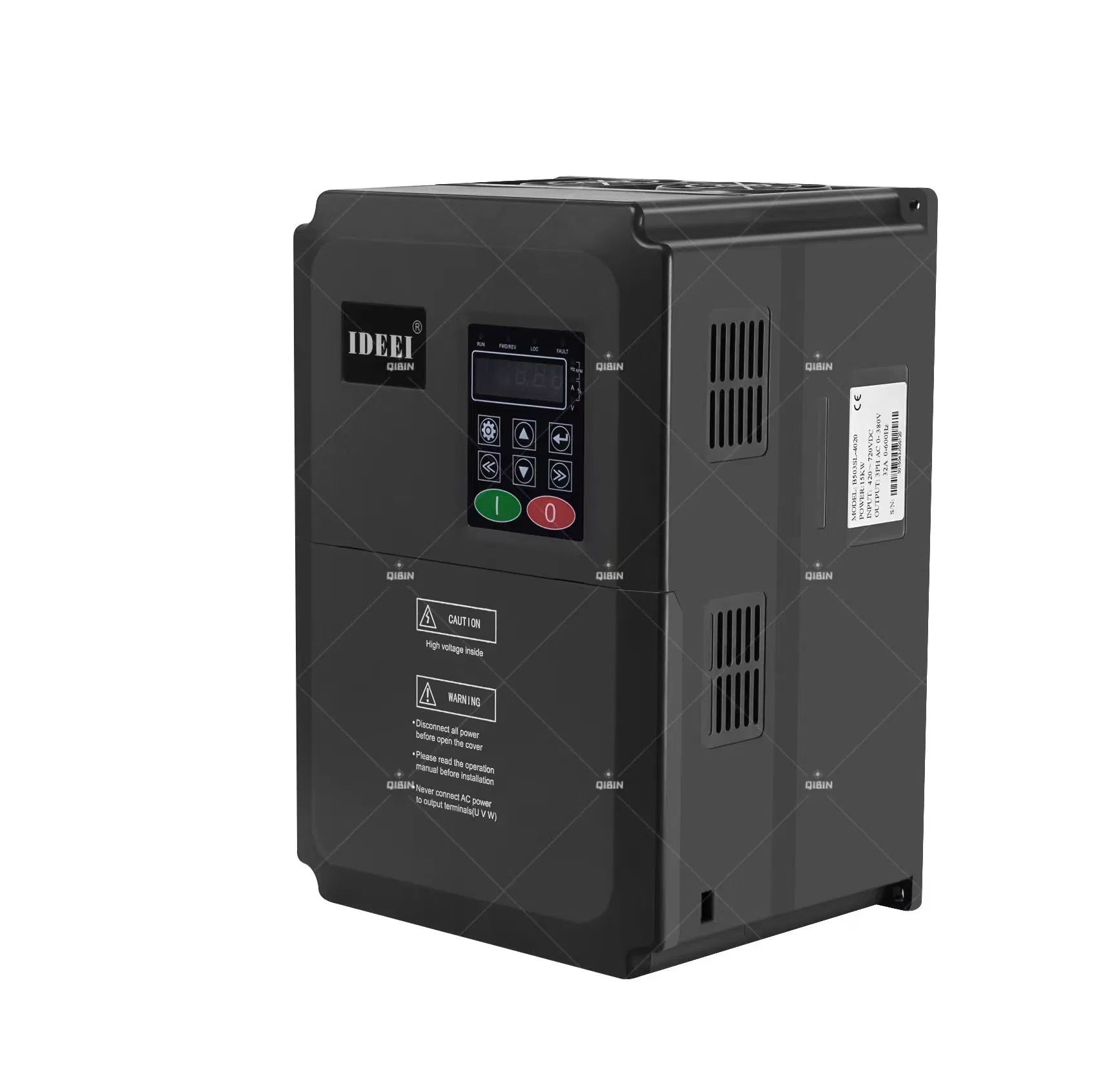
Top 3 Engineering Pain Points for Hybrid Solar Inverter
Scenario 1: Grid Instability and Power Quality Degradation in Remote Industrial Zones
The Problem: Industrial facilities and agricultural operations in remote regions frequently encounter severe grid instability—characterized by voltage sags (>±10% nominal), frequency fluctuations (±2Hz), and intermittent outages. When hybrid solar inverters lack grid-forming capabilities or utilize slow electromechanical transfer switches (>20ms break-before-make), critical motor loads (submersible pumps, HVAC compressors, conveyor systems) experience hard stops and uncontrolled restarts. This triggers cascading faults: VFDs throw undervoltage or phase-loss errors, while mechanical systems suffer from water hammer effects in piping networks and torque spikes in drive trains. Additionally, poor power factor correction in conventional hybrid systems results in reactive power penalties and reduced overall system efficiency, particularly problematic when running inductive motor loads across long distribution lines with high impedance.
The Solution: Deploy hybrid inverters featuring grid-forming (GFM) architecture with <10ms zero-transfer time and advanced vector control algorithms. These systems should incorporate active front-end (AFE) technology capable of maintaining stable 400V/480V ±1% voltage and 50/60Hz ±0.1Hz frequency references during islanding events. For motor control applications, ensure the hybrid inverter integrates seamlessly with external VFDs through Modbus RTU/TCP or CANopen protocols, enabling coordinated ramp-down sequences during grid transitions. Specify units with built-in active power factor correction (PFC) maintaining >0.99 PF across 20-100% load ranges, and include output reactors to mitigate voltage notching when switching between grid and battery power, ensuring consistent torque delivery for high-inertia agricultural pumps.
Scenario 2: Harmonic Distortion and Inrush Current Management in Solar Pumping Arrays
The Problem: Direct-online (DOL) starting of deep-well submersible pumps and surface irrigation motors creates inrush currents 6-8x nominal ratings, stressing IGBT modules in hybrid inverters and causing DC bus voltage dips that trigger under-voltage lockouts (UVLO). Without proper harmonic mitigation, total harmonic distortion (THD) levels exceeding 5% propagate through the system, overheating motor windings, reducing pump efficiency by up to 15%, and causing premature bearing failures due to shaft currents. In hybrid configurations where solar PV, battery storage, and grid inputs converge, harmonic resonance between the inverter’s switching frequency (typically 4-16kHz) and motor cable capacitance can induce reflected wave phenomena (voltage doubling), leading to insulation degradation in long cable runs (>50m) common to agricultural borehole installations.
The Solution: Implement hybrid solar inverters with integrated VFD functionality or dedicated motor control outputs featuring sensorless vector control or V/Hz soft-start algorithms that limit starting current to 1.5-2x nominal while providing 150% starting torque for 60 seconds. Specify units with active harmonic filtering (AHF) or carrier frequency optimization (up to 16kHz) to maintain current THD <3% and voltage THD <5% at the point of common coupling (PCC). For solar pumping applications, select inverters with built-in dv/dt filters and sine wave output reactors to mitigate reflected wave effects, alongside advanced MPPT algorithms that dynamically adjust for pump load curves (P-Q curves). Critical for agricultural deployments, ensure the system includes automatic dry-run protection monitoring motor current signatures to detect cavitation or blockage, preventing submersible motor burnout in remote unmanned installations.
Scenario 3: Environmental Harshness and Thermal Derating in Outdoor EPC Installations
The Problem: EPC contractors deploying hybrid systems in agricultural deserts, tropical zones, or industrial environments face extreme ambient temperatures (-20°C to +60°C), dust ingress (requiring IP6X protection), and humidity fluctuations (>95% RH) that cause internal condensation within inverter enclosures. Standard commercial-grade hybrid inverters suffer aggressive thermal derating above 45°C ambient—often reducing output by 20% at 50°C—critically reducing available power for irrigation pumps during peak solar irradiance when cooling demands are highest. Furthermore, corrosive atmospheres (ammonia vapors in livestock facilities, salt air in coastal desalination projects, or fertilizer particulates) accelerate PCB trace corrosion and cooling fan bearing failures, leading to unexpected system shutdowns during critical crop irrigation windows or industrial process cycles.
The Solution: Specify industrial-grade hybrid inverters with IP65 or NEMA 4X aluminum die-cast enclosures utilizing passive cooling (natural convection) or sealed liquid cooling systems to eliminate fan failure points and prevent dust accumulation on heat sinks. Ensure conformal coating (IPC-CC-830 Class 3 or MIL-I-46058) on all PCBs, stainless steel 304/316 hardware, and terminal blocks rated for harsh gas exposure (ISA-71.04 G3). Thermal management should include automatic derating curves that maintain 100% rated output up to 50°C ambient, with wide MPPT voltage windows (200-1000VDC) to accommodate high-temperature panel derating. For solar pumping integration, select units with anti-dust accumulation algorithms that periodically reverse fan direction (if fans are unavoidable) or utilize heat-pipe technology, alongside comprehensive protection against lightning surges (Type II SPD on DC and AC sides) and ground fault detection for submersible motor installations in wet environments.
Component and Hardware Analysis for Hybrid Solar Inverter
At the heart of every robust hybrid solar inverter lies a sophisticated assembly of industrial-grade power electronics and control systems, engineered to manage bidirectional energy flows between photovoltaic arrays, battery storage banks, and AC loads. Drawing from Variable Frequency Drive (VFD) design principles—where precise motor control and harmonic suppression are paramount—these components must withstand the rigorous demands of agricultural solar pumping, industrial automation, and grid-interactive energy management. The following analysis examines the critical hardware elements that determine system efficiency, thermal performance, and long-term reliability in harsh field environments.
Power Semiconductor Architecture
The inverter’s power stage relies primarily on Insulated Gate Bipolar Transistors (IGBTs) or advanced Silicon Carbide (SiC) MOSFETs configured in H-bridge topologies. These devices perform the high-frequency switching necessary for DC-to-AC conversion and battery charge/discharge management. In solar pumping applications—where motors exhibit high inrush currents and variable torque requirements—IGBT modules must exhibit low Vce(sat) saturation voltages and short-circuit withstand capabilities exceeding 10μs. SiC variants offer superior switching frequencies (up to 50kHz versus 20kHz for silicon IGBTs), enabling smaller output filters and reduced audible noise in agricultural installations near livestock or residential areas.
Digital Control and Signal Processing
The Digital Signal Processor (DSP) or ARM-based microcontroller serves as the system’s neural center, executing complex algorithms for Maximum Power Point Tracking (MPPT), grid synchronization, and battery management system (BMS) communication. Industrial-grade DSPs with floating-point units (FPUs) are essential for real-time calculation of space-vector modulation (SVM) patterns, particularly when driving submersible pumps with long cable runs that introduce capacitive coupling and reflected wave phenomena. Look for controllers offering dual-core lockstep architecture for functional safety compliance (IEC 61800-5-2), ensuring fault-tolerant operation in unmanned remote pumping stations.
Energy Storage and Filtering Components
DC-Link Film Capacitors (polypropylene metallized film) replace traditional electrolytic capacitors in premium hybrid inverters, offering significantly longer lifespans in high-ripple current applications. These components stabilize the DC bus voltage during sudden load transients—critical when switching between grid-tie mode and off-grid battery backup during cloud transients in solar irrigation systems. The capacitance value and equivalent series resistance (ESR) directly influence the inverter’s ability to handle motor regenerative energy during pump deceleration, preventing overvoltage trips.
Thermal Management Systems
Hybrid inverters operating in agricultural or industrial environments face ambient temperatures ranging from -25°C to +60°C. Aluminum extrusion heatsinks with forced air cooling (thermostatically controlled fans) or liquid cooling plates manage junction temperatures for power semiconductors. Thermal interface materials (TIMs) such as phase-change pads or thermal grease with >3.0 W/mK thermal conductivity ensure efficient heat transfer. For solar pumping installations in dusty environments, fanless designs utilizing heat pipe technology and external radiator fins minimize maintenance requirements while maintaining IGBT junction temperatures below 125°C under full load.
Component Reliability Matrix
| Component | Function | Quality Indicator | Impact on Lifespan |
|---|---|---|---|
| IGBT/SiC Module | High-frequency power switching; DC/AC conversion | Vce(sat) < 1.7V; Rth(j-c) < 0.65 K/W; 175°C max junction temp | Dominant factor; thermal cycling causes solder fatigue; MTBF >100,000 hours with proper heatsinking |
| DSP Controller | MPPT algorithm execution; grid synchronization; motor control | 32-bit floating point; <50μs interrupt latency; IEC 61000-4 immunity | Firmware corruption risk from voltage sags; industrial-grade temp range (-40°C to +85°C) extends operational life |
| DC-Link Capacitors | Bus voltage stabilization; ripple current absorption | ESR < 2mΩ; 100,000 hours @ rated voltage; self-healing metallized film | Primary wear item; electrolytic types degrade at 2,000 hours/85°C; film types match inverter 20-25 year design life |
| Cooling Heatsinks | Thermal dissipation for power semiconductors | Thermal resistance < 0.5 K/W; anodized aluminum 6063-T5; forced convection CFM rating | Overheating causes exponential semiconductor aging; 10°C reduction doubles component life (Arrhenius model) |
| EMI Filters | Conducted noise suppression; grid compliance | Attenuation >60dB @ 150kHz-30MHz; high-permeability nanocrystalline cores | Core saturation from lightning strikes degrades filtering; sealed enclosures prevent humidity ingress |
| Surge Protection Devices (SPDs) | Lightning/transient voltage clamping | Imax 40kA (8/20μs); Vp < 1.5kV @ rated current; thermal disconnect | Sacrificial components requiring inspection after events; degraded units risk downstream circuit damage |
| Communication Modules | SCADA/remote monitoring; BMS integration | RS485 isolation 2.5kV; Modbus TCP/IP stack; CANopen protocol support | Galvanic isolation prevents ground loop currents; industrial Ethernet switches rated for EMI immunity |
Integration Considerations for Pumping Applications
When deploying hybrid inverters for solar pumping with battery backup, specific hardware configurations optimize performance. Choke inductors on the AC output reduce dv/dt stress on submersible motor windings, mitigating insulation degradation in deep well pumps. DC input fuses with gPV rating (photovoltaic specific) provide arc flash protection in string combiner boxes. For VFD-experienced engineers, note that hybrid inverters utilize similar IGBT driver circuits with desaturation detection and soft shutdown capabilities, protecting against shoot-through faults during rapid load fluctuations when switching between grid and battery sources.
The selection of these components directly correlates with the Total Cost of Ownership (TCO) for agricultural and industrial projects. Premium-grade IGBT modules and film capacitors may increase initial capital expenditure by 15-20%, but reduce maintenance intervals and replacement costs over the system’s 20-year design life—critical for EPC contractors warranting performance in remote solar pumping installations.
Manufacturing Standards and Testing QC for Hybrid Solar Inverter
At Boray Inverter, our hybrid solar inverter manufacturing philosophy is rooted in decades of precision power electronics engineering originally developed for high-torque motor control and solar pumping applications. We recognize that industrial engineers and EPC contractors require equipment that transcends residential standards—systems capable of withstanding harsh agricultural environments, managing inductive motor loads, and maintaining grid stability under fluctuating renewable generation.
PCB-Level Environmental Protection and Conformal Coating
The foundation of industrial-grade reliability begins with the Printed Circuit Board Assembly (PCBA). Unlike standard consumer electronics, our hybrid inverter PCBs undergo automated selective conformal coating using acrylic or polyurethane compounds (typically 25-75μm thickness) to achieve IPC-A-610 Class 3 standards. This process creates a dielectric barrier against moisture, dust, and corrosive gases—critical for agricultural deployments where equipment faces high humidity, pesticide exposure, and temperature differentials. We employ Surface Mount Technology (SMT) with 6-sigma placement accuracy for IGBT drivers and DSP control chips, ensuring signal integrity for high-frequency switching operations essential to VFD-compatible hybrid systems.
Component Selection for Motor Control Integration
Given our specialization in solar pumping and motor control solutions, we specify components rated for high inrush current tolerance and enhanced dv/dt withstand capability. DC-link capacitors utilize metallized polypropylene film technology with extended temperature ranges (-40°C to +105°C), while IGBT modules feature integrated desaturation detection for rapid fault protection when driving centrifugal or submersible pumps. All magnetic components undergo vacuum impregnation with epoxy resins to eliminate voids and prevent moisture ingress, ensuring consistent inductance values during thermal cycling.
Accelerated Life Testing and Burn-In Protocols
Every hybrid inverter unit undergoes 100% full-load burn-in testing for a minimum of 8 hours at 50°C ambient temperature—simulating peak agricultural irrigation cycles. Our High-Temperature Operating Life (HTOL) testing subjects power stages to 85°C ambient at rated load for 168 hours to identify early-life failures (ELF) in semiconductor junctions and capacitor electrolytes. Additionally, we implement Thermal Cycling Stress Testing (-40°C to +85°C, 500 cycles) per IEC 60068-2-14 to validate solder joint integrity and thermal interface material stability, ensuring reliability across seasonal temperature extremes from desert solar farms to tropical humidity.
Electrical Safety and Performance Verification
Prior to shipment, each unit undergoes comprehensive electrical characterization:
- Hi-Pot Testing: 2kV AC for 60 seconds (or 3kV DC) between mains input and output terminals to verify galvanic isolation integrity
- Insulation Resistance Testing: >100MΩ at 500V DC to ensure no degradation of internal cabling or magnetic components
- Surge Immunity: 6kV/3kA combination wave testing per IEC 61000-4-5 for both AC grid and PV input terminals—essential for protecting against lightning-induced transients in remote agricultural installations
- Ground Bond Testing: <0.1Ω continuity verification for protective earth circuits
EMC and Grid Compliance Standards
Our manufacturing quality system ensures compliance with IEC 62109-1/2 (safety of power converters used in photovoltaic systems) and IEC 62040 (uninterruptible power systems). Electromagnetic compatibility testing includes conducted emissions (EN 55011 Class A) and radiated immunity (IEC 61000-4-3) to prevent interference with precision irrigation controllers or SCADA systems. For European markets, full CE marking encompasses LVD (Low Voltage Directive) and EMC Directive compliance, while our ISO 9001:2015 certified production lines maintain traceability through barcode serialization of critical components including IGBT batches and electrolytic capacitor date codes.
IP Rating and Enclosure Integrity
For solar pumping applications, we manufacture hybrid inverters to IP65 ingress protection standards, utilizing die-cast aluminum housings with labyrinthine sealing designs. Each enclosure undergoes dust-tight testing (6 hours at 2kPa vacuum) and water jet testing (12.5L/min at 3m distance) to validate gasket compression and cable gland sealing—ensuring protection against monsoon conditions or high-pressure cleaning in agricultural environments.
Integration Testing with Motor Loads
Uniquely positioned as VFD specialists, we conduct system-level integration testing where hybrid inverters are paired with induction motors and permanent magnet synchronous motors (PMSM) commonly used in solar pumping. This includes start-up torque verification, regenerative braking energy management, and harmonic distortion analysis (THDi <3%) to ensure compatibility with variable frequency drive algorithms and prevent bearing currents in motor applications.
By adhering to these rigorous manufacturing standards and QC protocols, Boray Inverter delivers hybrid solar inverters that bridge the gap between residential energy storage and industrial motor control—providing EPC contractors and agricultural project managers with equipment engineered for 25-year operational lifespans in the world’s most demanding environments.
Step-by-Step Engineering Sizing Checklist for Hybrid Solar Inverter
When sizing hybrid solar inverters for industrial motor control and agricultural pumping applications, standard residential calculations prove insufficient. EPC contractors and automation engineers must account for high inrush currents, VFD harmonic profiles, and cyclic battery loading inherent to borehole pumps and irrigation systems. The following engineering checklist ensures your hybrid inverter specification aligns with Boray’s motor control expertise and industrial reliability standards.
1. Motor Load Characterization & Inrush Analysis
Before selecting the hybrid inverter, characterize the driven load’s electrical signature to avoid nuisance tripping during motor start-up.
- Locked Rotor Amps (LRA) Verification: Document the pump motor’s LRA (typically 6–7× FLA for submersible pumps). The hybrid inverter’s surge capacity must sustain this for the motor’s acceleration time (2–5 seconds for deep-well pumps).
- VFD Pre-charge Considerations: If integrating with a Boray VFD downstream, verify the hybrid inverter’s output can handle the VFD’s inrush current during DC bus charging. Size the inverter at minimum 1.5× the VFD’s input current rating.
- Power Factor Correction: For direct motor connection (bypass mode), ensure the inverter’s kVA rating accommodates the motor’s power factor (typically 0.75–0.85 for irrigation pumps).
2. Solar Array String Voltage Calculations
Hybrid inverters for pumping require precise string sizing to maintain MPPT operation across temperature extremes while respecting maximum DC input limits.
-
Maximum Open-Circuit Voltage (Voc_max):
$$V_{oc_max} = V_{oc_STC} \times N_{series} \times [1 + (\alpha \times (T_{min} – 25))]$$
Where $\alpha$ = temperature coefficient (%/°C), $T_{min}$ = record low ambient temperature (°C). Result must be ≤ inverter maximum DC input voltage with 10% safety margin. -
Minimum MPPT Voltage (Vmp_min):
$$V_{mp_min} = V_{mp_STC} \times N_{series} \times [1 + (\alpha \times (T_{max} – 25))]$$
Verify this exceeds the inverter’s MPPT start voltage at highest expected cell temperature (typically 70–80°C for ground-mounted agricultural arrays). -
String Current Sizing: Total array Isc must not exceed hybrid inverter MPPT input current limit per channel. For pump systems with morning/evening operation only, confirm the reduced irradiance curve still maintains Vmp above minimum threshold.
3. Battery Bank Sizing for Cyclic Pumping Loads
Unlike residential self-consumption, agricultural pumps create high C-rate discharge events. Size the battery for depth of discharge (DoD) and cycle life.
-
Daily Autonomy Calculation: Determine required backup hours for critical irrigation cycles. Size battery capacity (kWh) as:
$$E_{battery} = \frac{P_{pump} \times T_{backup}}{DoD_{limit} \times \eta_{inverter} \times \eta_{battery}}$$
Where $DoD_{limit}$ = 0.8 for LiFePO4, 0.5 for lead-acid. -
C-Rate Validation: Verify the battery’s maximum continuous discharge rate (C-rate) exceeds the pump’s power demand. Deep-well pumps often require 1C–2C capability; standard solar batteries rated at 0.5C will trigger undervoltage faults.
-
Charge Current Limitation: Hybrid inverter charge current must not exceed battery manufacturer’s recommended charge rate (typically 0.3C–0.5C for lithium-ion).
4. DC Input Voltage Window Compatibility
Match the solar array’s operating voltage to the hybrid inverter’s MPPT range, accounting for VFD-generated harmonics that may affect DC bus stability.
- MPPT Voltage Midpoint Optimization: Target array Vmp at the midpoint of inverter’s MPPT range (e.g., 550V for a 200–800V range) to maximize efficiency during partial shading common in agricultural environments.
- Dual MPPT Configuration: For large pump stations using multiple hybrid inverters, verify string allocation balances current between MPPT inputs to prevent circulating currents.
5. AC Output & VFD Integration Specifications
When the hybrid inverter feeds a VFD (for soft-start pump control), coordinate electrical parameters to prevent resonance or overvoltage trips.
- Output THDi Tolerance: Boray VFDs typically tolerate ≤5% THDi from the source. Verify the hybrid inverter’s output waveform quality; if THDi exceeds 3%, specify external line reactors or DC chokes.
- Frequency Stability: For 50Hz/60Hz pump applications, confirm the hybrid inverter’s frequency regulation (±0.5Hz typical) meets pump manufacturer’s tolerance to avoid cavitation or flow rate errors.
- Bypass Contactor Logic: Size external bypass contactors (if used for direct grid-to-motor operation during inverter maintenance) with AC-3 rating ≥1.25× motor FLA, coordinated with hybrid inverter’s anti-islanding protection.
6. Environmental Derating & Thermal Management
Agricultural and industrial sites impose harsh thermal and particulate conditions affecting inverter longevity.
- Temperature Derating Curve: Apply manufacturer derating factors for ambient temperatures >40°C. In desert irrigation applications, size inverter at 1.25× calculated load to account for 50°C+ enclosure temperatures.
- IP Rating Verification: Specify IP65 or higher for outdoor pump house installations; IP54 minimum for controlled electrical rooms with dust exposure.
- Altitude Correction: For projects >1000m above sea level, apply 1% derating per 100m altitude increase due to reduced air cooling capacity.
7. Protection Device Coordination
Ensure selective coordination between hybrid inverter protection and upstream/downstream devices.
- DC Side Protection: Install PV-specific fuses (gPV type) rated at 1.25× Isc per string. Verify fuse breaking capacity (typically 20kA DC) exceeds prospective short-circuit current.
- AC Breaker Sizing: Main AC breaker rating = 1.25× inverter output current. Time-current curves must coordinate with inverter’s internal electronic protection (typically 1.5× for 60 seconds).
- Surge Protection: Install Type 2 SPD on both DC (PV side) and AC (grid/load side) with voltage protection level (Up) < inverter’s impulse withstand rating. For lightning-prone agricultural regions, consider Type 1+2 combined SPD.
8. Cable Sizing & Voltage Drop Analysis
Minimize voltage drop to maintain MPPT efficiency and motor starting torque.
- DC Cable Sizing: Limit voltage drop between array and inverter to <1.5% at Vmp. For long runs typical in solar pumping (array 100m+ from pump house), increase conductor size or implement DC bus distribution at higher voltage (600V–800V).
- AC Cable Harmonic Derating: When powering VFDs, apply 0.9 derating factor to cable ampacity due to harmonic heating. Use 90°C rated XLPE insulated cables for outdoor UV exposure.
Final Verification: Before procurement, cross-reference these calculations against Boray’s hybrid inverter datasheets for MPPT voltage ranges, maximum DC input current, and surge power ratings. Confirm the selected model supports the specific communication protocols (Modbus RTU/TCP, CAN) required for integration with your SCADA or pump control system.
Wholesale Cost and Energy ROI Analysis for Hybrid Solar Inverter
When evaluating hybrid solar inverters for industrial-scale deployments, procurement decisions extend far beyond unit pricing. For EPC contractors, agricultural project managers, and automation distributors, the financial analysis must encompass wholesale procurement structures, integration synergies with Variable Frequency Drives (VFDs), and quantifiable energy arbitrage value across the system lifecycle.
B2B Wholesale Pricing Architecture
In the industrial solar sector, hybrid inverter procurement operates on tiered volume structures distinct from residential retail markets. Manufacturers like Boray Inverter typically structure B2B pricing across three commercial tiers:
Volume Tier Analysis (FOB China Basis):
– Pilot/Light Commercial (1-10 units): $0.18–$0.24 per watt AC capacity for 30–50kW three-phase hybrid units
– Project Scale (11-100 units): $0.12–$0.16 per watt, inclusive of MPPT optimization for solar pump integration
– EPC Partnership/Distribution (100+ units): Negotiated blanket pricing with quarterly adjustment clauses, often incorporating co-branded VFD compatibility modules
Unlike standard grid-tied inverters, hybrid units command a 15–22% wholesale premium due to integrated bidirectional DC-AC conversion and battery management system (BMS) communication protocols. However, this premium eliminates the need for separate charge controllers and battery inverters, reducing Balance of System (BOS) costs by approximately $0.08–$0.11 per watt in agricultural pumping applications where DC coupling efficiency is critical.
TCO Analysis: Hybrid Integration vs. Conventional Segmented Systems
For industrial motor control applications—particularly solar pumping with VFD integration—hybrid inverters deliver measurable CapEx and OpEx advantages:
Capital Expenditure Reduction:
A unified hybrid architecture eliminates redundant power conversion stages. In a typical 75kW agricultural pumping station, conventional topology requires:
– Grid-tied inverter: $4,200–$5,800
– Battery inverter/charger: $3,100–$4,500
– External charge controller: $1,800–$2,400
– Integration hardware and engineering: $2,500+
Consolidated hybrid inverter solution: $8,500–$11,200 (28–35% total hardware savings), with additional savings in enclosure space and cooling infrastructure.
Operational Efficiency Gains:
Modern hybrid inverters with 98.2%+ CEC-weighted efficiency minimize conversion losses when operating Boray VFDs directly from DC bus architecture. In solar pumping applications, this eliminates the “double conversion penalty” (DC→AC→DC) inherent in traditional setups, improving overall system efficiency by 4–7% and reducing kWh costs by $0.02–$0.04 per pumped cubic meter over a 20-year operational period.
Energy ROI Metrics for Industrial Applications
Return on investment calculations for hybrid solar inverters in B2B contexts must account for multiple revenue streams beyond simple energy generation:
Peak Shaving and Demand Charge Management:
Industrial facilities with motor control loads face utility demand charges ranging from $12–$25 per kW monthly. Hybrid inverters with intelligent load management can reduce peak demand by 30–60% through battery discharge arbitrage, generating annual savings of $4,800–$12,000 per MW of installed capacity.
Agricultural Pumping Economics:
For irrigation projects utilizing Boray solar pump inverters in hybrid configurations, the ROI calculation incorporates:
– Diesel displacement: $0.18–$0.35 per kWh equivalent (depending on regional fuel logistics)
– Grid independence value: Elimination of rural electrification infrastructure costs ($15,000–$40,000 per km of grid extension)
– Crop yield protection: 99.9% uptime assurance during grid instability, quantified at $2,000–$8,000 per hectare protected yield annually
Typical payback periods for 50–100kW hybrid solar pumping systems range from 3.2 to 4.8 years, with IRR (Internal Rate of Return) values of 18–24% when factoring in accelerated depreciation and carbon credit monetization available to industrial operators.
Warranty and Lifecycle Cost Considerations
B2B procurement agreements must scrutinize warranty structures that impact long-term ROI:
Standard vs. Extended Industrial Coverage:
– Standard OEM Warranty: 5 years parts and labor, covering IGBT modules and capacitor banks
– Extended EPC Warranty: 7–10 years with advanced replacement clauses and on-site technical support
– Performance Warranty: 90% output guarantee at year 10, 80% at year 20
For distributors, warranty cost allocation typically adds 3.5–5.2% to wholesale pricing but reduces liability exposure significantly. In motor control applications, verify that warranty coverage extends to VFD communication bus compatibility and harmonic distortion limits (<3% THD), as premature failure often stems from power quality issues rather than component defects.
Maintenance Cost Projections:
Hybrid inverters integrated with Boray VFD systems require 40% less scheduled maintenance than battery-separated architectures due to unified monitoring and diagnostics. Budget $0.005–$0.008 per watt annually for preventive maintenance, including thermal imaging of IGBT junctions and firmware updates for anti-islanding protection compliance.
Strategic Procurement Recommendations
For automation distributors and EPC contractors, optimize wholesale acquisition through:
- Container-load Optimization: Combine hybrid inverter orders with complementary VFD stock to achieve freight consolidation discounts (typically 8–12% logistics cost reduction)
- Currency Hedging: Lock in USD/CNY exchange rates for 6–12 month procurement windows given current volatility in power electronics manufacturing
- Technical Training Bundling: Negotiate inclusion of commissioning engineer certification programs at 15–20% below market training rates when purchasing 50+ units
The hybrid solar inverter represents not merely a power conversion device but a capital asset delivering quantifiable arbitrage value in industrial energy management. When procured through structured wholesale channels and integrated with advanced motor control systems, these units deliver superior lifecycle economics compared to both pure grid-tied and off-grid alternatives, positioning EPCs and distributors to capture margins in the rapidly expanding agricultural electrification and industrial microgrid sectors.
Alternatives Comparison: Is Hybrid Solar Inverter the Best Choice?
When selecting power conversion architecture for industrial or agricultural deployments, decision-makers must evaluate not merely the inverter unit itself, but the complete energy ecosystem—including storage integration, motor control capabilities, and grid interconnection standards. While hybrid solar inverters offer compelling versatility for mixed-load environments, they represent just one node in a spectrum of solutions that includes AC-coupled grid-tied systems, dedicated off-grid architectures, and direct-drive solar pumping systems utilizing Variable Frequency Drives (VFDs).
The optimal configuration depends on three critical vectors: load intermittency requirements (whether motors run 24/7 or only during daylight), starting torque demands (high-inrush submersible pumps vs. centrifugal loads), and grid availability (stable grid, weak grid, or fully decentralized). Below, we analyze the technical and economic trade-offs between hybrid inverters and their primary alternatives in industrial automation contexts.
Hybrid vs. Grid-Tied Inverter with AC-Coupled Storage
In retrofit scenarios or large-scale agricultural operations with existing PV infrastructure, engineers often debate between installing a native hybrid inverter (DC-coupled battery) versus adding battery storage to a standard grid-tied inverter (AC-coupled).
DC-Coupled (Hybrid) Architecture:
– Efficiency: Eliminates double conversion losses (battery charges directly from PV DC bus at 98-99% efficiency)
– Component Count: Single inverter handles PV, grid, and battery management, reducing failure points
– Black Start Capability: Seamless transition to island mode (<20ms transfer time) without external grid reference
AC-Coupled (Grid-Tied + Battery Inverter) Architecture:
– Retrofit Flexibility: Allows battery addition to existing solar installations without replacing the primary inverter
– Redundancy: If the solar inverter fails, the battery inverter can still provide backup via grid charging
– Efficiency Penalty: Incurs 3-5% additional conversion loss (DC→AC→DC) during battery charging cycles
For new industrial installations requiring motor control, the hybrid inverter’s integrated DC bus offers superior efficiency. However, for facilities with existing 3-phase motor infrastructure using Soft Starters, AC-coupling may minimize capital disruption while adding resilience.
Hybrid Inverter vs. Dedicated Solar Pump Inverter (VFD)
This comparison is critical for agricultural project managers and irrigation EPCs. While hybrid inverters can power standard AC pumps via battery-buffered solar energy, dedicated Solar Pump Inverters (specialized VFDs with MPPT) represent a fundamentally different technical approach.
System Architecture Differences:
| Parameter | Hybrid Solar Inverter + Standard Motor | Solar Pump Inverter (VFD) |
|---|---|---|
| Energy Storage | Requires battery bank (Li-ion or Lead-acid) | Battery-less direct drive; water tank as storage |
| Round-trip Efficiency | ~80-85% (including battery losses) | ~96-98% (direct DC→AC conversion) |
| Motor Starting | Handles 5-7x inrush current via battery buffer | Soft-start eliminates inrush; 0.5Hz starting torque |
| Operational Hours | 24/7 capability (battery dependent) | Daylight-only (or hybridized with grid) |
| CAPEX (per kW) | Higher (includes battery costs) | Lower (no storage medium) |
| Motor Compatibility | Standard AC induction motors (IM) | Optimized for PMSM and IM with V/Hz control |
| Grid Interaction | Bidirectional metering, anti-islanding required | Optional; can operate fully off-grid |
Technical Nuance for Motor Control:
Hybrid inverters excel at maintaining stable voltage/frequency for mixed industrial loads but treat motors as standard resistive-inductive loads. In contrast, Solar Pump VFDs employ Maximum Power Point Tracking (MPPT) algorithms specifically optimized for pump affinity laws—adjusting frequency to match solar irradiance curves rather than maintaining fixed 50/60Hz operation. This results in 15-30% higher water output per PV kW compared to battery-buffered hybrid systems powering fixed-speed pumps.
Hybrid vs. Off-Grid Inverter Systems
For remote mining operations or agricultural sites beyond grid infrastructure, off-grid inverters present an alternative to hybrid units. The distinction lies in grid-forming versus grid-following capabilities and charge controller integration.
Off-Grid Inverter Characteristics:
– Voltage Regulation: Acts as grid master (voltage source), requiring oversizing for motor starting surges
– Battery Dependency: Mandatory; system collapses without battery buffer
– Solar Input: Requires separate MPPT charge controllers (unless using integrated models)
Hybrid Inverter Advantages:
– Grid Synchronization: Can supplement weak grid power (voltage support) rather than replacing it entirely
– Peak Shaving: Reduces demand charges by blending battery and grid power during motor starting
– Scalability: Modular expansion without complete system redesign
Economic and Technical Comparison Matrix
The following comprehensive table evaluates these architectures across industrial-relevant metrics:
| Specification | Hybrid Solar Inverter | Grid-Tied + AC Storage | Solar Pump VFD | Off-Grid Inverter |
|---|---|---|---|---|
| Initial CAPEX | $$$ (High) | $$$$ (Very High) | $$ (Moderate) | $$$ (High) |
| LCOE (10-year) | $0.08-0.12/kWh | $0.10-0.15/kWh | $0.03-0.05/kWh* | $0.15-0.25/kWh |
| Motor Starting Capability | Excellent (6x rated current) | Excellent (grid + battery) | Superior (ramp control) | Limited (battery sized for surge) |
| Efficiency at Full Load | 93-96% | 90-94% | 97-98% | 92-95% |
| Battery Cycle Life Impact | High (daily cycling) | High (daily cycling) | N/A (no batteries) | Extreme (deep cycling) |
| Grid Code Compliance | IEEE 1547, IEC 61727 | IEEE 1547, IEC 61727 | N/A or local utility | N/A |
| Maintenance Complexity | Medium (BMS monitoring) | High (multiple units) | Low (fan/condenser only) | High (battery replacement) |
| Best Application | Mixed industrial loads, backup power | Retrofit installations | Irrigation, aquaculture | Remote telecom, mining |
*LCOE for Solar Pump VFD assumes water storage replaces electrical storage; actual cost varies by head pressure and flow requirements.
Application-Specific Decision Framework
For Agricultural Irrigation (Solar Pumping):
Choose Solar Pump Inverters (VFDs) when irrigation schedules align with solar availability (6-8 hours daily) and water storage (tanks/ponds) is feasible. The elimination of battery maintenance and superior MPPT efficiency (up to 99% tracking efficiency vs. 95% in standard hybrids) delivers superior ROI for pumping applications. Only consider hybrid inverters if nighttime pumping is mandatory or if the system must power auxiliary farm buildings.
For Industrial Process Power:
Hybrid inverters prove superior when powering PMSM (Permanent Magnet Synchronous Motors) in precision applications requiring constant torque and speed regulation, combined with critical backup requirements. The ability to ride through grid sags while maintaining flux vector control makes hybrids ideal for food processing or manufacturing where downtime costs exceed battery amortization.
For EPC Contractors (Grid-Connected Commercial):
When specifications demand peak shaving and demand charge reduction for facilities with high motor starting loads (HVAC, compressors), hybrid systems outperform AC-coupled alternatives due to single-point monitoring and faster response times (<100ms grid transfer).
The Verdict: When Hybrid Makes Sense
Hybrid solar inverters represent the optimal choice for industrial facilities requiring energy autonomy with grid fallback—specifically where loads are heterogeneous (mixing motor drives, lighting, and IT infrastructure) and operational continuity is non-negotiable. However, for dedicated pumping applications or motor-centric processes where energy storage can be mechanical (water, compressed air) rather than electrochemical, dedicated Solar Pump Inverters or VFD-driven systems offer superior efficiency and lower lifecycle costs.
For automation distributors advising clients, position hybrid inverters as the “universal solution” for complex, multi-load industrial sites, while recommending specialized VFD-based solar pumping systems for agricultural water projects—leveraging Boray Inverter’s expertise in motor control to optimize the latter’s performance through advanced MPPT and soft-start algorithms.
Core Technical Specifications and Control Terms for Hybrid Solar Inverter
In industrial solar pumping and motor control applications, hybrid solar inverters serve as the critical nexus between photovoltaic generation, energy storage systems (ESS), and variable frequency drive (VFD) networks. Unlike residential grid-tied units, industrial-grade hybrid inverters for agricultural and automation sectors must manage high-inertia pump loads, ensure seamless transition between grid and off-grid modes, and maintain precise motor control under variable irradiance conditions. Below is a technical breakdown of the core specifications and commercial frameworks essential for EPC contractors and system integrators deploying these systems in large-scale projects.
Power Electronics and Control Architectures
Maximum Power Point Tracking (MPPT) Dynamics
Modern hybrid solar inverters deployed in solar pumping installations utilize multi-string MPPT algorithms to maximize energy harvest from PV arrays subject to partial shading from agricultural infrastructure or dust accumulation. Key specifications include:
– Voltage Tracking Range: Typically 200VDC–850VDC for three-phase agricultural pumps, allowing compatibility with both low-voltage residential arrays and high-voltage commercial strings (up to 1500VDC in utility-scale systems).
– Scanning Resolution: Advanced perturb-and-observe (P&O) algorithms with 99.9% tracking efficiency and scan frequencies under 0.5 seconds to respond to rapidly changing cloud cover.
– Multi-Peak Capability: Critical for distributed pumping stations where substring mismatch occurs; the controller must distinguish between local and global maxima to prevent power loss during morning and evening irradiance transitions.
Field-Oriented Vector Control (FOC)
When integrated with VFDs for submersible or surface pumps, hybrid inverters employ sensorless vector control (closed-loop flux vector control) rather than basic V/f control to handle high-torque startup conditions and varying head pressures:
– Torque Response: <5ms dynamic response time for sudden load changes, preventing cavitation in centrifugal pumps when switching between solar and grid power.
– Speed Regulation: ±0.01% accuracy across 0–100% rated speed, essential for drip irrigation systems requiring constant pressure maintenance.
– Motor Compatibility: Auto-tuning capabilities for both asynchronous (induction) motors and permanent magnet synchronous motors (PMSM), with parameter identification for stator resistance and mutual inductance to optimize flux-weakening regions.
PID Process Control Integration
For closed-loop pumping systems, hybrid inverters incorporate onboard PID controllers that interface directly with pressure transducers and flow sensors:
– Control Variables: Proportional gain (Kp), integral time (Ti), and derivative time (Td) configurable via Modbus/RS485 or CANopen protocols for remote SCADA integration.
– Sleep/Wake Logic: Intelligent hibernation modes that stop the pump at low solar irradiance (preventing dry-running) while maintaining PID setpoint memory for instant restart when insolation recovers.
– Cascade Control: Support for multi-pump staging where the hybrid inverter acts as the master controller, sequencing auxiliary pumps via digital outputs to maintain constant header pressure in large agricultural distribution networks.
Energy Storage and Grid Interaction Parameters
Bidirectional Power Conversion
Industrial hybrid inverters function as four-quadrant converters, managing power flow between:
– DC Bus Coupling: Direct integration with lithium iron phosphate (LiFePO4) or lead-carbon battery banks at 48V–800VDC nominal, providing buffer capacity for motor starting currents (typically 3–7x rated current for submersible pumps).
– Grid-Forming Capability: Virtual synchronous generator (VSG) algorithms that provide voltage and frequency reference when operating in island mode, critical for remote pumping stations without grid backup.
– THD Constraints: <3% total harmonic distortion at rated load to comply with IEEE 519 and IEC 61000-3-6 standards when feeding auxiliary farm infrastructure or exporting to weak rural grids.
International Commercial Terms for Equipment Procurement
FOB (Free On Board)
Under Incoterms® 2020 rules, FOB applies strictly to sea or inland waterway transport. For hybrid solar inverter shipments:
– Seller Obligations: Delivery occurs when goods pass the ship’s rail at the named port of shipment (e.g., Shenzhen or Shanghai). The seller bears all costs and risks until the inverter is loaded, including export clearance and pre-shipment inspection of power electronics.
– Buyer Considerations: The buyer assumes freight costs, marine insurance, and unloading charges. For EPC contractors, FOB pricing is advantageous when holding existing freight contracts or when shipping multiple components (pumps, PV modules, inverters) that require consolidated container loading under their own logistics management.
– Packaging Specifications: Industrial inverters require IP54-rated sea-worthy packaging with desiccant barriers and shock-absorbent crating (typically plywood with VCI film) to prevent moisture ingress during ocean transit—costs usually borne by the seller under FOB unless otherwise specified.
CIF (Cost, Insurance, and Freight)
CIF transfers risk at the same point as FOB (when goods are loaded on the vessel), but the seller contracts and pays for carriage and minimum insurance coverage to the destination port:
– Insurance Coverage: Seller must procure marine cargo insurance covering 110% of the CIF value (per Institute Cargo Clauses A, B, or C). For high-value power electronics (inverters >50kW), EPC contractors should verify that the policy covers “electrical and mechanical derangement” from transit shocks, not just total loss.
– Cost Allocation: CIF pricing simplifies procurement for agricultural project managers by providing landed cost visibility upfront, though the buyer must still arrange import clearance, duties, and inland transport to the installation site.
– Risk Management: While the seller pays freight, risk transfers to the buyer at origin. Therefore, buyers must ensure the seller’s insurance coverage extends through the ocean voyage, particularly important for projects in regions with high piracy risk or severe weather corridors.
DDP (Delivered Duty Paid) – Alternative for Turnkey Projects
Though not explicitly requested, DDP arrangements are increasingly common in solar pumping EPC contracts where Boray Inverter manages the entire supply chain to the agricultural site, including customs brokerage and local inland transport. This term minimizes customs clearance delays for time-sensitive irrigation projects but requires the supplier to possess deep logistics expertise in the destination jurisdiction.
Integration with Motor Control Systems
In hybrid solar pumping architectures, the inverter must communicate seamlessly with external VFDs through:
– DC Coupling: Direct battery-to-VFD DC bus connection, eliminating AC conversion losses (95–98% system efficiency vs. 90–93% for AC-coupled systems).
– Regenerative Braking: When pumps decelerate rapidly, the hybrid inverter’s bidirectional capability captures regenerative energy back to batteries rather than dissipating it in braking resistors.
– Protective Coordination: Integrated electronic motor protection (overload, phase loss, ground fault) coordinated with the inverter’s DC-side protection (fuses or DC circuit breakers) to prevent arc flash incidents in outdoor combiner boxes.
For EPC contractors specifying equipment, verifying that the hybrid inverter supports IEC 61850 or SunSpec Modbus protocols ensures interoperability with existing farm automation networks and remote monitoring platforms essential for predictive maintenance in remote agricultural installations.
Future Trends in the Hybrid Solar Inverter Sector
The industrial energy landscape is undergoing a paradigm shift where the boundaries between power generation, storage, and motor control are rapidly dissolving. For EPC contractors and automation engineers, the next generation of hybrid solar inverters represents far more than residential backup solutions; they are evolving into sophisticated power electronics platforms that orchestrate complex energy flows in agricultural automation, heavy industrial processes, and decentralized microgrids. As demand grows for 24/7 operational resilience in off-grid and weak-grid environments—particularly for solar pumping stations and automated irrigation networks—these systems are integrating advanced functionalities previously reserved for industrial Variable Frequency Drives (VFDs) and SCADA architectures.
Convergence with Motor Control and Solar Pumping Architectures
A critical evolution in the hybrid inverter sector is the seamless integration with Variable Frequency Drive (VFD) systems and specialized solar pump controllers. Modern hybrid units are increasingly incorporating DC-coupled motor control capabilities, allowing direct interface with Boray Inverter’s solar pump VFDs without requiring separate conversion stages. This convergence eliminates efficiency losses associated with multiple AC-DC-AC conversions, achieving system efficiencies exceeding 95% in agricultural applications.
For agricultural project managers, this trend translates to unified energy management platforms where the hybrid inverter simultaneously manages battery storage for nocturnal irrigation cycles while providing optimized power curves for submersible pumps. Advanced Maximum Power Point Tracking (MPPT) algorithms are now being synchronized with motor load profiles, ensuring that pump startups—traditionally the most energy-intensive phase—draw from both solar arrays and battery banks without voltage sag, thereby extending motor lifespan and reducing mechanical stress on pumping infrastructure.
AI-Driven Predictive Maintenance and Edge Analytics
The proliferation of Industrial Internet of Things (IIoT) connectivity is transforming hybrid inverters from passive power conversion devices into intelligent edge computing nodes. Next-generation systems are embedding machine learning algorithms capable of predictive failure analysis for connected motor loads and battery banks. By monitoring harmonic distortions, temperature differentials, and switching frequencies in real-time, these inverters can alert maintenance teams to bearing failures in irrigation pumps or electrolyte degradation in storage systems weeks before catastrophic failure occurs.
For automation distributors, this creates opportunities to offer value-added digital services alongside hardware. Integration with Modbus TCP/IP, CAN bus, and emerging IEC 61850 protocols enables seamless incorporation into existing Building Management Systems (BMS) and Distributed Control Systems (DCS). EPC contractors benefit from remote commissioning capabilities, where startup parameters for hybrid inverter arrays can be configured off-site and deployed across multiple agricultural sites simultaneously, significantly reducing deployment costs for large-scale solar pumping projects.
Grid-Forming Capabilities and Virtual Power Plant (VPP) Integration
The transition from grid-following to grid-forming inverter technology marks a pivotal trend for industrial applications. Advanced hybrid inverters are now capable of black-start functionality and voltage/frequency regulation, enabling them to serve as the primary frequency reference in isolated microgrids serving remote mining operations or agricultural processing facilities. This is particularly critical for solar pumping stations operating in weak-grid regions where utility power is intermittent.
Furthermore, Virtual Power Plant (VPP) aggregation is enabling clusters of hybrid inverter systems—installed across distributed agricultural holdings or industrial parks—to participate in grid ancillary services. By aggregating battery storage capacity from hundreds of solar pumping installations, operators can provide frequency regulation and peak shaving services to utilities, creating new revenue streams that improve project ROI for EPC contractors and end-users alike.
Advanced Energy Storage Chemistry and Thermal Management
As industrial applications demand longer cycle life and wider operational temperature ranges, hybrid inverter manufacturers are optimizing systems for next-generation battery chemistries beyond standard lithium-ion. Integration with Lithium Iron Phosphate (LiFePO4) and emerging flow battery technologies requires sophisticated Battery Management System (BMS) communication protocols. Future-ready hybrid inverters are incorporating adaptive charge controllers capable of managing multiple battery chemistries simultaneously, allowing agricultural operators to scale storage capacity using different technologies as costs evolve.
Thermal management innovations are equally critical for motor control applications. Hybrid inverters deployed in solar pumping stations must withstand ambient temperatures exceeding 50°C while maintaining stable output for VFDs. Advanced liquid-cooled inverter architectures and silicon carbide (SiC) semiconductor implementations are reducing thermal derating, ensuring consistent motor torque availability even during peak solar irradiance periods when both generation and pumping demands are highest.
Cybersecurity and Functional Safety Standardization
With increased connectivity comes heightened cybersecurity imperatives. The industrial automation sector is witnessing a push toward IEC 62443-compliant hybrid inverter designs that incorporate hardware-based security modules and encrypted firmware updates. For critical infrastructure applications—including automated irrigation for food security and industrial process cooling—future hybrid systems will feature multi-layered authentication protocols and network segmentation capabilities to prevent unauthorized access to motor control parameters.
Simultaneously, functional safety standards (IEC 61508 and ISO 13849) are being adapted for hybrid inverter integration with motor drive systems. This ensures safe torque-off capabilities and emergency stop functionalities that meet industrial machinery directives, bridging the gap between renewable energy systems and factory automation safety requirements.
Implications for Project Development and System Design
For EPC contractors and system integrators, these trends necessitate a shift toward modular, scalable architectures where hybrid inverters serve as the central nervous system of industrial microgrids. The specification process must now account for harmonic compatibility with existing VFD installations, communication latency requirements for real-time pump control, and cyber-physical security frameworks. As solar pumping and industrial automation continue to merge, selecting hybrid inverter platforms with robust motor control integration and open-protocol IoT capabilities will be paramount to delivering resilient, future-proof energy solutions that maximize both energy autonomy and operational uptime.
Top 2 Hybrid Solar Inverter Manufacturers & Suppliers List
top 10 solar inverter manufacturers in the world(2025) – SRNE Solar
Website: srnesolar.com
SRNE Solar product portfolio analysis reveals specialization in solar energy conversion and storage systems, with no VFD or industrial automation equipment present. Key product categories include: (1) Residential Hybrid Inverters (HESP series: 3.6-20kW, single/three-phase, low/high voltage variants for US/EU/AU/JP markets; HEBP series: 8-18kW); (2) Residential Off-Grid Inverters (ASP series: 4-16k…

Top 10 solar inverter best brands in USA – tycorun
Website: tycorun.com
Solar Inverter Technical Specifications and Product Features: **Enphase** – Microinverter technology for DC-to-AC conversion; UL-certified home energy storage systems utilizing LFP (Lithium Iron Phosphate) batteries with higher current ratings, extended cycle life, and superior thermal stability; integration capabilities with AC home backup generators; Virtual Power Plant (VPP) program compatibili…
B2B Engineering FAQs About Hybrid Solar Inverter
-
How does a hybrid solar inverter interface with Variable Frequency Drives (VFDs) in industrial pumping applications, and what are the implications for DC bus architecture?
Hybrid inverters interface with VFDs through either AC or DC coupling. In AC coupling, the inverter supplies stabilized AC power (±2% voltage regulation, ±0.5Hz frequency stability) to the VFD’s rectifier input, requiring coordination of protection curves and inrush current limits. In DC coupling configurations—optimal for Boray solar pump inverter integration—the hybrid inverter’s battery DC bus directly feeds the VFD’s DC link, eliminating rectifier losses and improving system efficiency by 3–5%. This requires voltage matching between the battery bank (48V–800V DC) and the VFD’s DC input specifications, plus galvanic isolation and pre-charge circuit coordination to prevent inrush currents exceeding 200% rated current from triggering the hybrid inverter’s overcurrent protection. -
What power quality parameters must EPC contractors evaluate when sizing hybrid inverters for VFD-driven motor loads in agricultural solar pumping systems?
Engineers must analyze Total Harmonic Distortion (THD), crest factor, and voltage transient response. VFDs introduce harmonic currents (5th, 7th, 11th order) that can exceed IEEE 519 limits; therefore, specify hybrid inverters with active filtering maintaining output THDV < 3% and THDI < 5%. The inverter must handle non-linear loads with high crest factors (1.4–1.6) and provide inductive filtering to mitigate reflected wave phenomena (voltage doubling) at motor terminals during long cable runs. Size the inverter at 1.3–1.5 times the VFD’s input kVA rating to account for harmonic derating and switching losses. -
Can hybrid solar inverters provide true seamless transfer (zero-downtime) for critical irrigation pump systems during grid outages, and what are the technical limitations regarding motor inrush?
While advanced hybrid inverters achieve transfer times <20ms (suitable for electronics), motor loads present challenges due to inrush currents (6–8× FLA). For VFD-driven pumps, transfer is seamless only if the VFD maintains DC bus voltage during the switchover. If the pump restarts during an outage, the hybrid inverter must provide 150–200% surge capacity for 60 seconds to handle VFD pre-charge and motor magnetization without battery voltage sag triggering low-voltage disconnect (typically 42V for 48V systems). For pumps >37kW (50HP), implement a “soft restart” protocol where the hybrid inverter signals the VFD to ramp from zero frequency, preventing battery overcurrent faults and BMS disconnection. -
How do communication protocols facilitate integration between hybrid solar inverters and centralized SCADA systems in industrial automation environments?
Integration relies on Modbus RTU/ASCII (RS485), Modbus TCP/IP, or CAN bus to exchange critical data: DC bus voltage (for MPPT optimization), battery SOC (State of Charge), grid import/export power, and fault registers (islanding detection, ground fault). Mapping requires 4x holding registers for setpoints and 1x discrete inputs for status, with polling rates of 1–5 seconds. For utility-scale projects, IEC 61850 protocol enables GOOSE messaging for rapid protection coordination. When integrated with Boray VFDs, the hybrid inverter can act as a master device, modulating output frequency based on solar irradiance to optimize pump flow rates while maintaining minimum speed constraints to prevent cavitation. -
What are the critical protection coordination requirements between hybrid solar inverters and motor protection relays in industrial distribution systems?
Protection requires hierarchical tripping: motor protection relays (thermal overload, phase imbalance, locked rotor) must coordinate with the hybrid inverter’s output overcurrent protection (110–150% inverse time curve) and battery BMS protection. The inverter must provide anti-islanding protection (UL 1741/IEC 62116, <2s detection) and ground fault protection (30mA for personnel, 300mA–3A for equipment). Output breakers must be AC-3 rated for switching inductive loads and withstand dv/dt stress from PWM switching. Implement zone-selective interlocking (ZSI) between the inverter and upstream switchgear for arc flash energy reduction. Under-voltage ride-through (UVRT) settings must coordinate with motor undervoltage relays to prevent nuisance tripping during grid sags. -
How does the MPPT voltage window of a hybrid inverter impact system design when DC-coupling with solar pump inverters in off-grid or weak-grid scenarios?
The MPPT range (
Disclaimer
⚠️ Important Disclaimer
The information provided in this guide is for educational purposes. Industrial applications and electrical engineering projects carry inherent risks. B2B buyers and contractors must conduct thorough technical due diligence and verify regional compliance before installation or procurement.
Conclusion: Partnering with Boray Inverter for Hybrid Solar Inverter
Hybrid solar inverters represent the convergence of renewable energy generation and intelligent motor control, offering industrial and agricultural operations unprecedented energy autonomy. By seamlessly integrating photovoltaic input with battery storage and grid connectivity, these systems eliminate the traditional vulnerabilities of single-source power architectures while optimizing power quality for sensitive motor loads. For engineers and project managers overseeing large-scale irrigation networks, automated manufacturing lines, or remote pumping stations, the selection of inverter technology directly impacts operational efficiency, motor longevity, and total cost of ownership across decades of service life.
In this landscape of sophisticated power electronics, Shenzhen Boray Technology Co., Ltd. emerges as the definitive partner for organizations requiring precision-engineered solutions beyond standard off-the-shelf equipment. As an innovative manufacturer specializing in Solar Pump Inverters and Variable Frequency Drives, Boray Inverter bridges the critical gap between solar energy harvesting and advanced motor control, delivering hybrid systems engineered specifically for the rigors of agricultural and industrial applications.
What distinguishes Boray is their uncompromising engineering-centric approach—R&D personnel constitute 50% of their workforce, ensuring deep technical mastery of both PMSM and IM vector control algorithms essential for high-torque pumping systems and precision automation. Their manufacturing infrastructure features two state-of-the-art production lines equipped with 100% full-load testing protocols, guaranteeing that every unit withstands the extreme thermal and electrical demands of continuous agricultural irrigation and heavy-duty industrial cycles. This commitment to quality has established Boray’s trusted global presence across diverse markets, from desert irrigation projects to complex factory automation networks.
For engineering teams and EPC contractors seeking to optimize hybrid solar architectures with customized VFD solutions, Boray Inverter offers comprehensive technical consultation and wholesale partnership programs tailored to your specific motor control requirements. Visit borayinverter.com to connect with their application engineers and secure competitive quotations for your next agricultural pumping or industrial automation deployment.