Why Pump VFDs Matter in Modern Water Systems
Pumping systems often spend more energy than needed when motors run at a fixed speed. A variable frequency drive adjusts motor speed to match changing flow or pressure demand. This can reduce waste, ease mechanical stress, and improve process stability.
Main Drive Types for Pump Applications
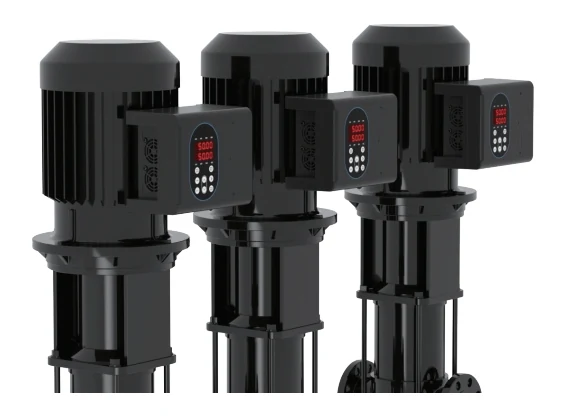
Engineers commonly choose between grid-powered pump drives, solar pumping inverters, and integrated pump control solutions. The right type depends on power source, site conditions, and how tightly pressure or flow must be regulated. Outdoor installations also need suitable enclosure and protection levels.
Key Selection Criteria for B2B Projects
Procurement teams should compare control modes, motor compatibility, communication needs, and environmental protection. For pump work, soft starting, constant pressure logic, and multi-pump operation are often important. Solar projects also require attention to DC input behavior and automatic restart after low irradiance.
Centrifugal and Positive Displacement Pump Considerations
Centrifugal pumps usually respond well to speed control because flow changes with motor speed. Positive displacement pumps need closer attention to torque, pressure limits, and system protection. Drive selection should match the pump curve and the expected duty cycle.
Lifecycle Value and Supplier Evaluation
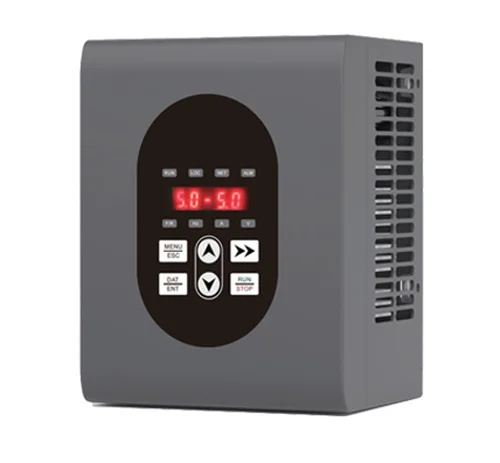
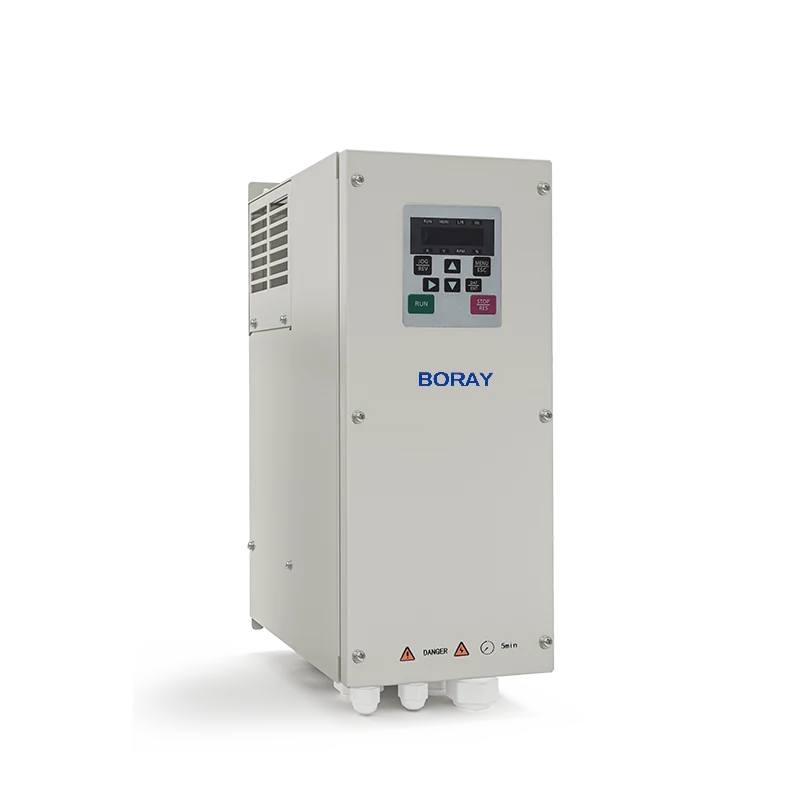
A pump drive should be assessed by total lifecycle cost, not just purchase price. Durable hardware, serviceable design, and clear documentation help reduce downtime. Boray's catalog includes the FS200 Series and FS300 Series Intelligent Pump AC Drives, along with the BR300 IP54 Smart Water Pump VFD.
Practical Takeaways for Engineers and Distributors
Successful pump VFD projects begin with a clear understanding of the duty, power source, and control goals. Distributors should align drive topology with site conditions and future maintenance needs. A well-matched drive can support reliable operation while improving energy and process performance.