Application Context
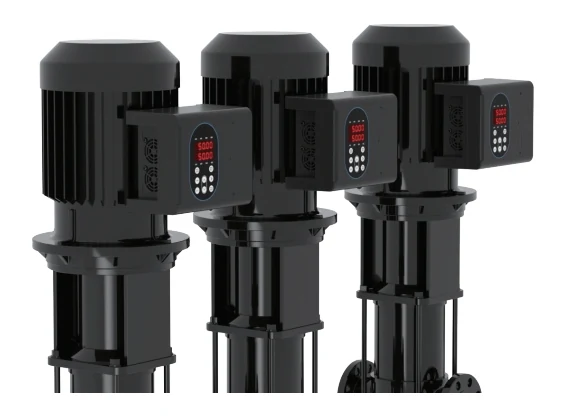
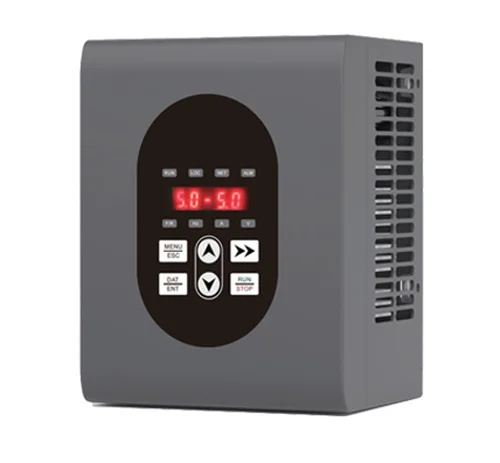
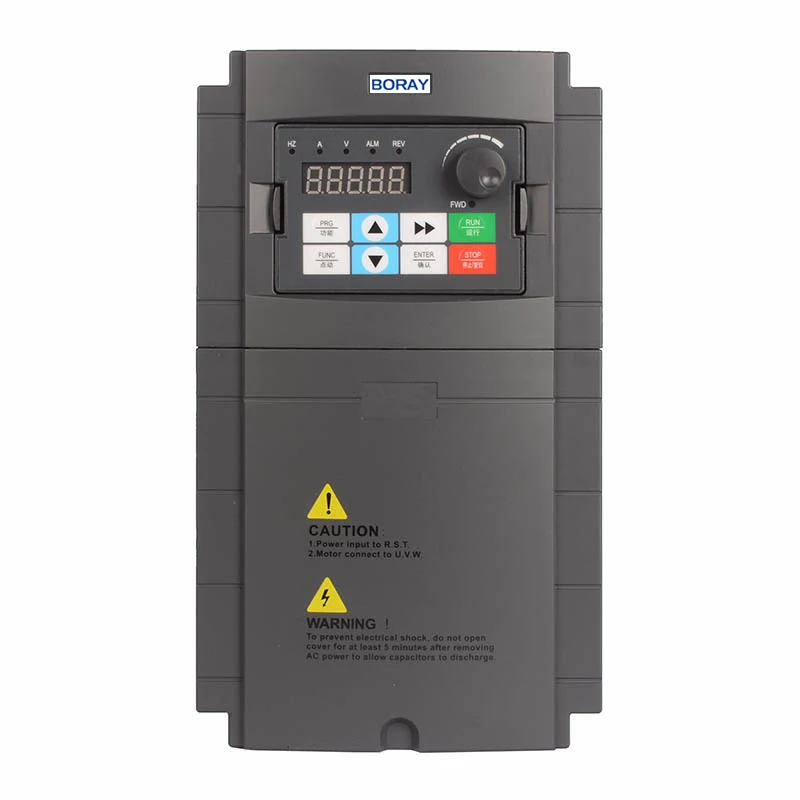
Multi-pump staging is an application pattern in which pumps are brought online or held off according to demand. In the Boray catalog, the FS300 Series Intelligent Pump AC Drive and FS200 Series Intelligent Pump AC Drive are named as pump-oriented AC drive families, while the BR110 Universal High-Performance Vector Inverter is listed as a universal high-performance vector inverter.
Drive Family Selection
When the task is pump staging, select from the catalog names that match the intended role. The FS300 Series Intelligent Pump AC Drive or FS200 Series Intelligent Pump AC Drive can be considered where the catalog positioning points to pump use. The BR110 Universal High-Performance Vector Inverter can be considered where the application is aligned with the vector inverter family named in the variable frequency drive catalog.
Staging Control Assumptions
A staging layout may require one drive to act as the lead pump controller and other drives to manage lag pumps. Because only catalog names are used here, do not assume built-in multi-pump logic unless the selected FS300, FS200, or BR110 model documentation confirms the required start/stop, setpoint, and pump-changeover behavior.
Separation from Solar Pump Inverter Families
If the pumping source is solar DC, the Boray catalog lists separate solar pump inverter families, including the BR600-P Solar Pump Inverter, BR500-P Solar Pump Inverter, FD600 High Protection Solar Pump Inverter, and BR110-P Universal High-Performance Solar Vector Inverter. These are catalog categories distinct from the variable frequency drive and vector inverter families used for staged pump control.
Commissioning Checklist
Before commissioning, document the pump group layout, motor nameplate data, electrical supply, control signals, and intended pump rotation sequence. Match each selected Boray product—FS300 Series Intelligent Pump AC Drive, FS200 Series Intelligent Pump AC Drive, or BR110 Universal High-Performance Vector Inverter—to the role it is intended to perform, and validate behavior against the manufacturer’s technical documentation.