Industrial Use Case for Hybrid Solar Inverters
Industrial and large agricultural sites need stable power while using solar, storage, and the grid. A hybrid inverter acts as a coordination point for generation, battery charging, and load supply. Procurement teams should evaluate it as part of a broader electrical system, not as a standalone converter.
Architecture Types to Compare
Single-phase and split-phase designs are often considered for smaller sites or backup-oriented loads. Three-phase architectures are usually more suitable when motor-driven equipment and balanced distribution are important. Pump-focused installations may also call for dedicated solar pumping control logic rather than a general hybrid unit.
Grid, Battery, and Motor-Load Integration
Bidirectional power flow requires clear logic for when solar, battery, utility, or generator energy is used. Voltage quality and frequency stability matter when drives, pumps, and automation equipment share the same supply. Control coordination with variable-frequency drives or pump drives helps reduce inrush, sag, and unnecessary cycling.
Engineering Selection Checklist
Begin with site phase, load profile, battery type, and expected islanding or grid-tied operation. Review communication needs, protection settings, commissioning support, and spare-part availability. Compare total cost of ownership using maintenance access, downtime risk, and energy-use goals rather than headline power alone.
Boray Catalog Considerations
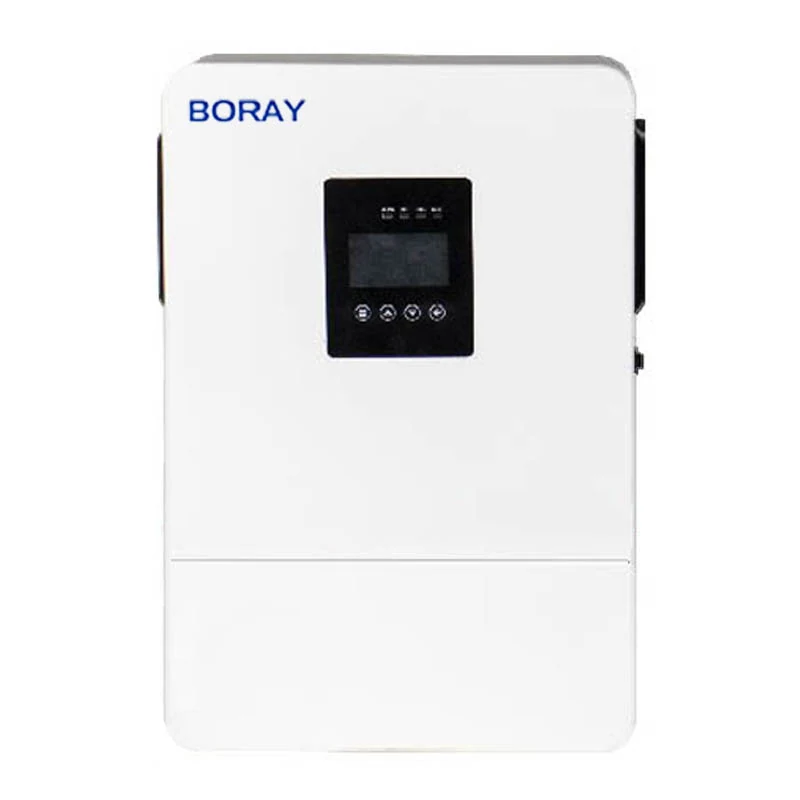
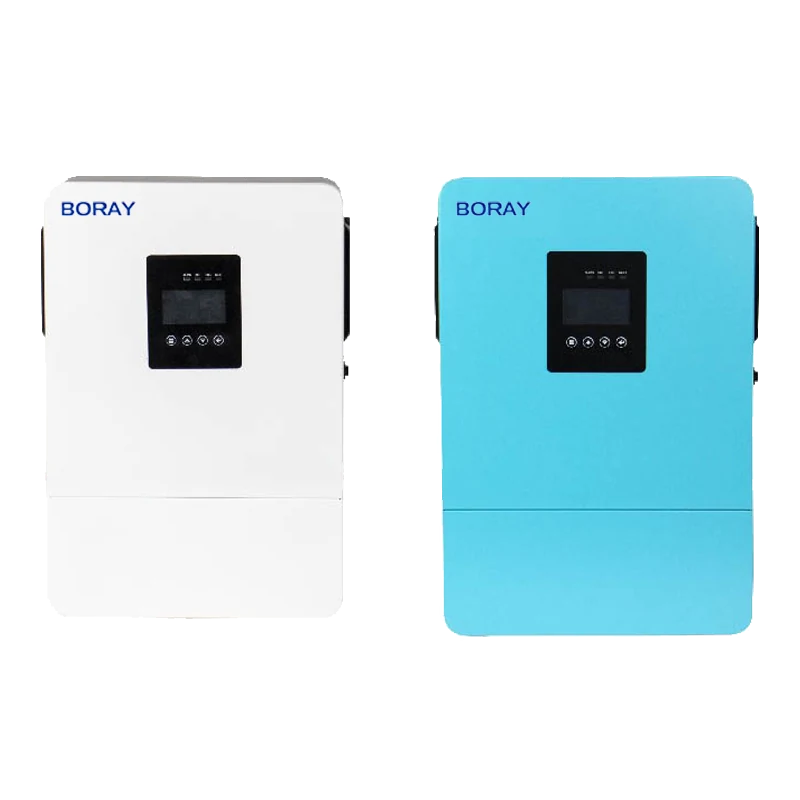
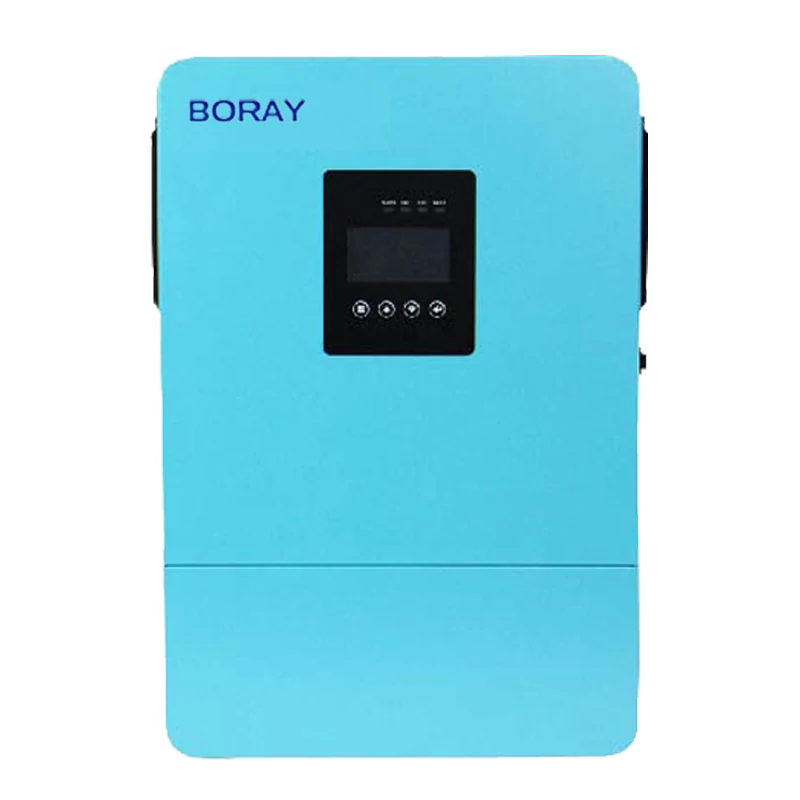
Boray BR2000-4200 Hybrid Solar Inverter, BR2000-6500-P Series Hybrid Solar Inverter, and BR2000-6500 Hybrid Solar Inverter are relevant catalog choices for hybrid solar projects. Buyers should confirm site voltage, storage architecture, and control requirements before specifying a model. For pump-centric sites, hybrid and solar pumping options may be compared separately.