Why Hybrid Solar Inverters Matter for B2B Projects
Hybrid solar inverters combine utility interaction, solar generation, and storage control in one power conversion path. For B2B buyers, this can support energy resilience and load management where grid reliability is a concern. The engineering value depends on how well the inverter fits the site’s generation, battery, and motor control requirements.
Common Hybrid Inverter Architectures
Hybrid systems can be arranged as AC-coupled or DC-coupled designs, each with different integration tradeoffs. AC-coupled options may suit sites with existing solar or storage equipment, while DC-coupled architectures can reduce conversion steps in new installations. Buyers should compare topology, control strategy, and compatibility with the intended battery and load profile.
Industrial and Agricultural Application Fit
In industrial and agricultural settings, hybrid inverters may support solar pumping, factory microgrids, and backup-capable energy management. These applications often involve motors, pumps, and variable loads that require stable power quality and responsive control. A suitable design should consider site conditions, load behavior, and the role of storage during low irradiance or grid disturbance.
Engineering Integration and Control Considerations
Integration with variable frequency drives and pump control systems is important when motors are part of the energy strategy. The inverter must coordinate with storage and generation while maintaining predictable operation for connected equipment. Communication, protection coordination, and control mode selection should be reviewed before procurement.
Procurement and Supplier Evaluation Checklist
B2B evaluation should focus on supplier technical support, documentation, service coverage, and long-term component availability. Engineers should also review environmental suitability, installation complexity, and compatibility with project standards. A structured checklist helps compare options beyond headline capacity and reduces integration risk.
Boray Hybrid Solar Inverter Options
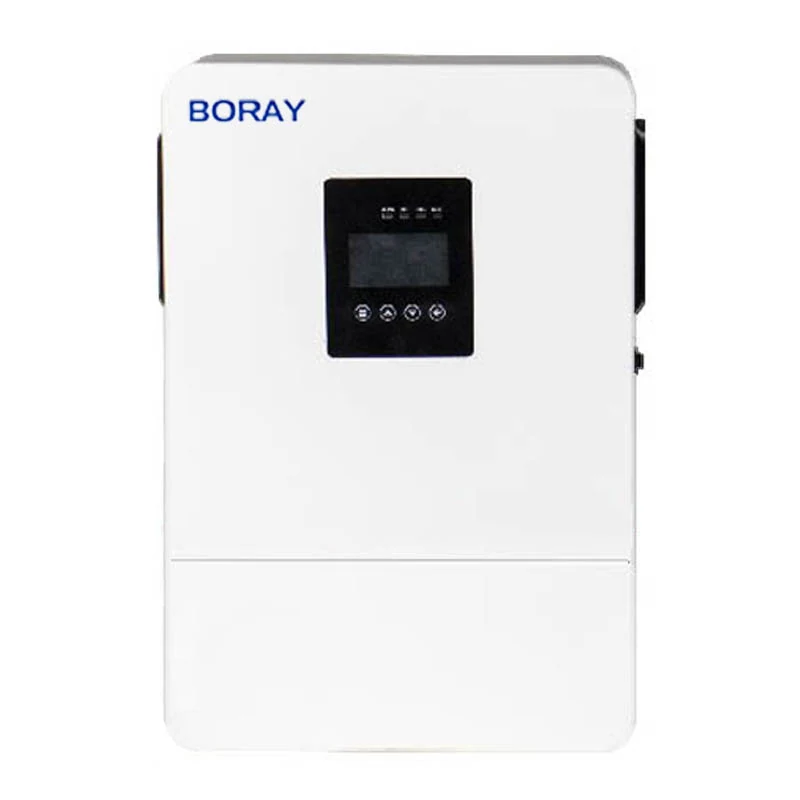
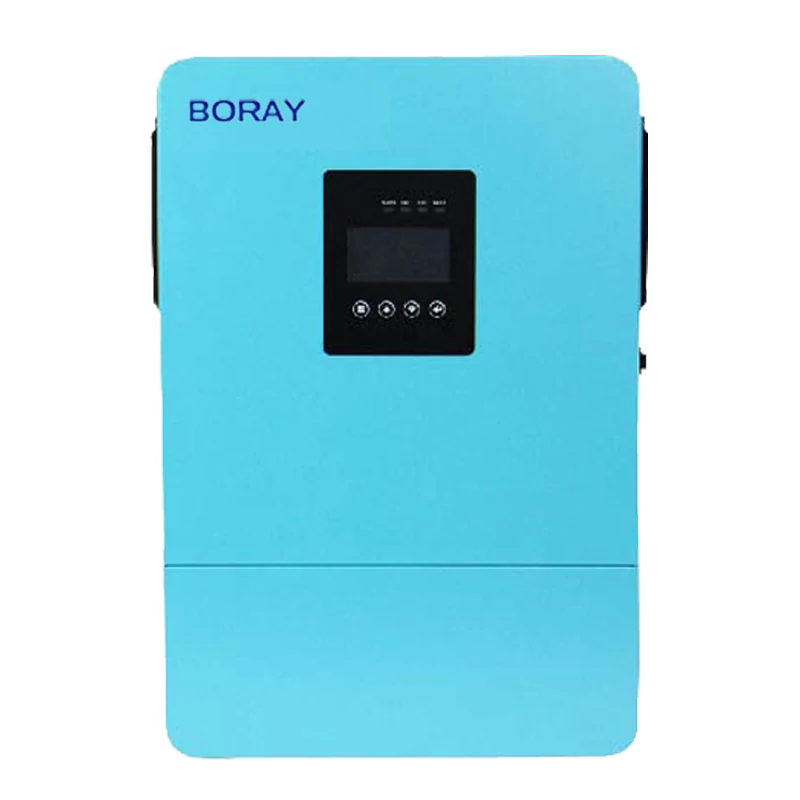
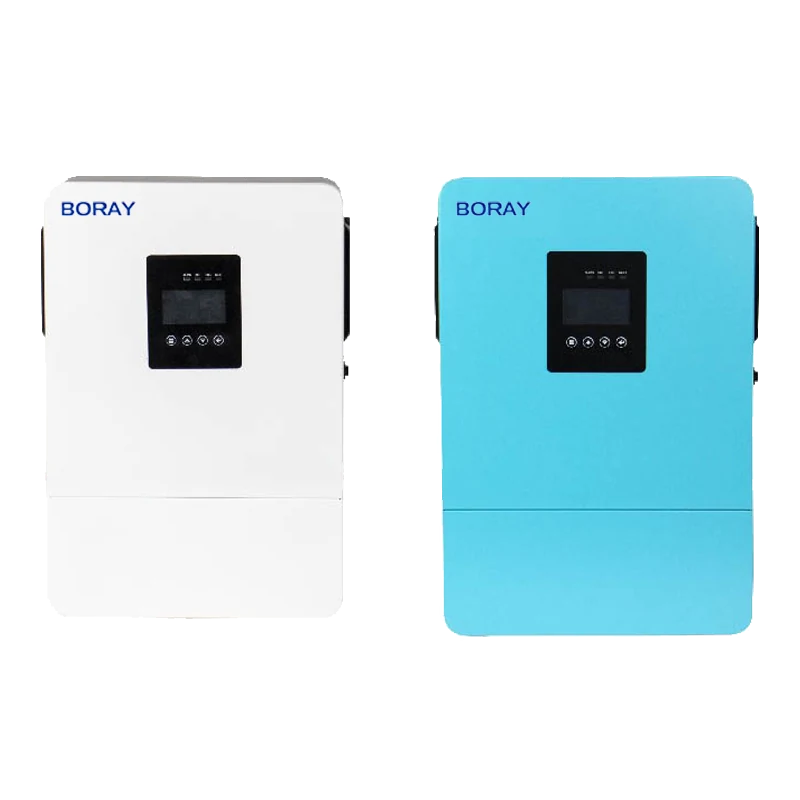
Boray’s catalog includes hybrid solar inverter options that can be reviewed for B2B solar and storage projects. The BR2000-4200, BR2000-6500, and BR2000-6500-P hybrid solar inverter entries are relevant for further engineering assessment. Buyers should confirm application fit through project requirements and supplier technical review.