Why Torque Response Becomes Unstable
In high-dynamic load applications, torque demand can change faster than the drive can regulate current and flux. Common causes include poor motor parameter identification, weak speed or position feedback, sudden load inertia changes, and inadequate braking of regenerated energy.
Select a Control Strategy That Fits the Load
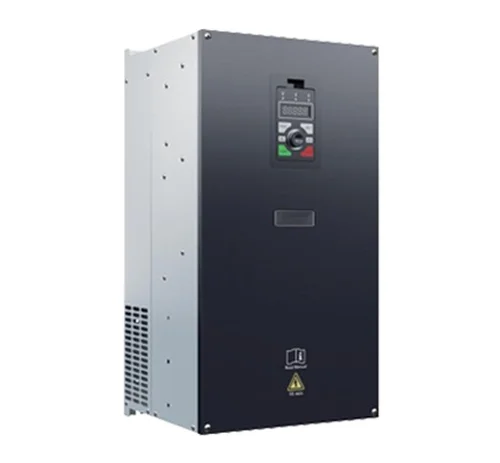
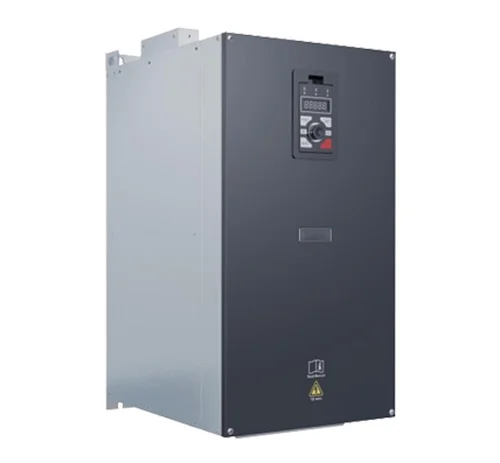
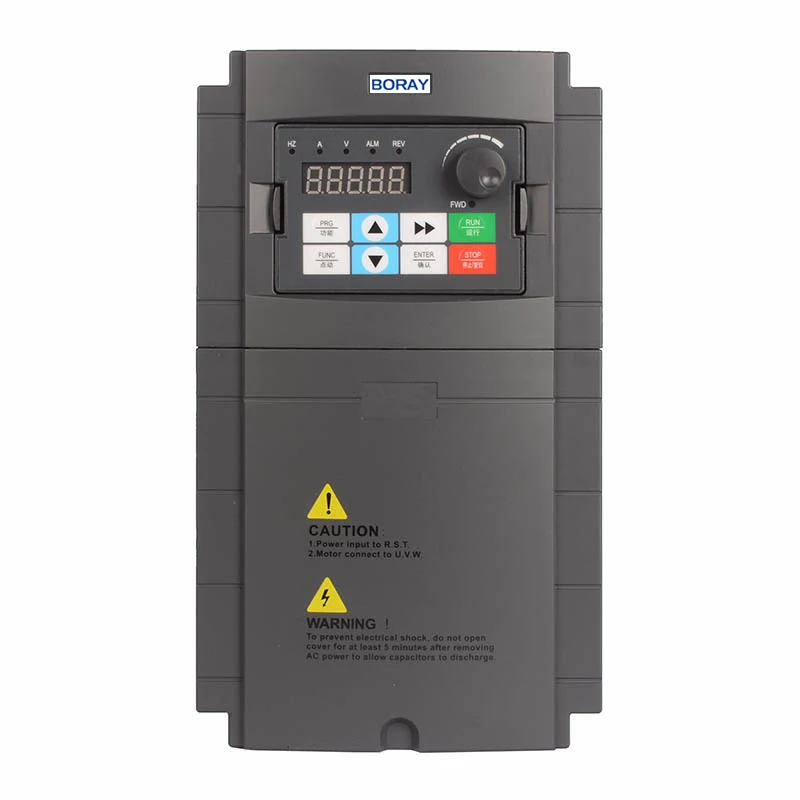
For simple fans and pumps, scalar V/Hz control may be acceptable, but high-dynamic machinery usually needs vector control or direct torque regulation. A high-performance vector inverter can maintain better current control when torque commands change rapidly, reducing hunting and overshoot. Boray AD1000PLUS High-Performance Vector Inverter and BR110 Universal High-Performance Vector Inverter are examples of drives intended for demanding control applications.
Tune Motor Parameters and Current Loop
Accurate motor constants, inertia estimation, and current-loop tuning are essential for stable torque. During commissioning, run autotuning where available, verify encoder alignment, and adjust speed and torque loop gains until the drive follows commands without oscillation. If the load has high inertia, increase filtering or ramp smoothing only after confirming torque capability.
Manage Regenerated Energy and Braking
Unstable torque can also appear when the DC bus voltage rises during rapid deceleration or downhill loads. Four-quadrant operation or a proper braking arrangement can absorb regenerated energy and keep the drive in control. The AD1000-AFE Four-Quadrant Inverter is suitable when regenerative braking and bidirectional power flow are required.
Match the Drive to the Application Environment
High-dynamic machines may need robust encoders, stable power supply, and protection against vibration or heat. For pump and fan systems with changing demand, intelligent pump drives can help reduce mechanical shock, but torque-critical processes should be evaluated with vector-capable drives. The FS300 Series Intelligent Pump AC Drive can support variable pump loads where smooth flow control matters.
Commission and Validate Torque Stability
Before release, test start-up, reversal, load rejection, and rapid torque steps while monitoring current, speed, and DC bus voltage. Document the tuning settings and repeat checks after mechanical changes to prevent future instability.