Identify Where the Distortion Starts
Before replacing a drive, determine whether the issue appears on the input side, output side, or through shared electrical infrastructure. In HVAC and industrial motor systems, poor cable routing, weak supply conditions, and unsuitable drive types can amplify noise and cause compliance issues. A clear measurement plan helps separate normal switching behavior from harmful harmonic levels.
Match Drive Type to the Power System
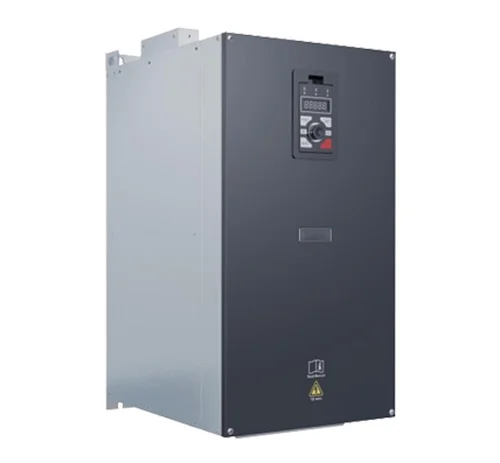
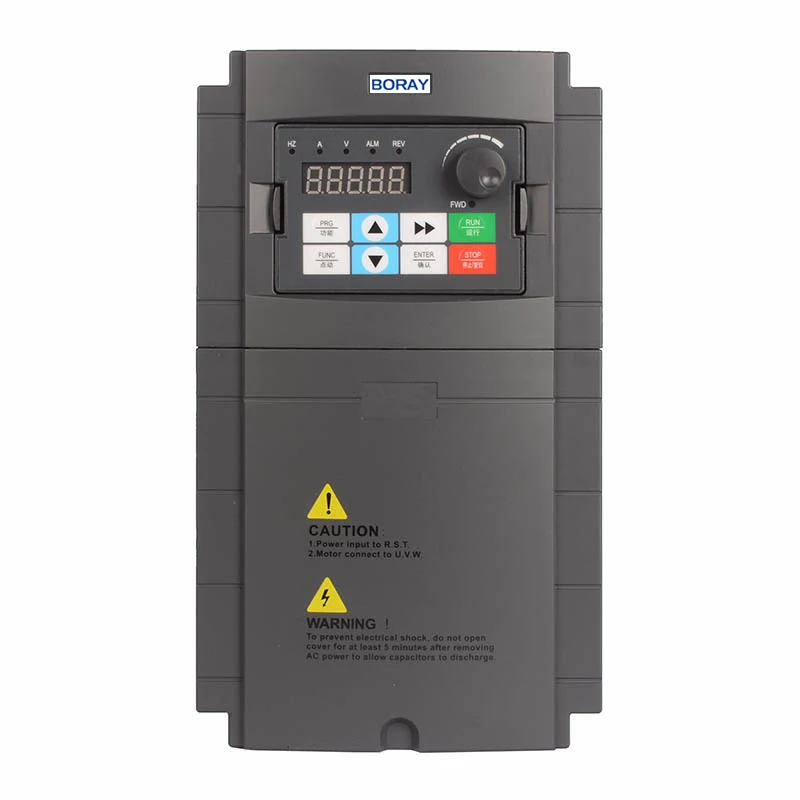
Single-phase and three-phase drives behave differently under load, especially when retrofits use limited supply infrastructure. Larger industrial HVAC systems usually need drives designed for three-phase operation, robust thermal management, and stable control under varying motor loads. Selecting the right voltage class, control mode, and enclosure rating reduces stress on both the drive and the grid connection.
Use Input Conditioning and AFE Architectures
When grid code compliance is a concern, input-side measures such as reactors, filters, and active front-end drive architectures can improve power quality. Active front-end solutions are useful where bidirectional power flow or tighter input-current shaping is needed. The Boray AD1000-AFE Four-Quadrant Inverter can be considered for applications requiring an AFE-based drive approach.
Tune Control and Communication Settings
Carrier frequency, ramp times, torque control, and network integration all influence electrical noise and system stability. In building automation or distributed plant systems, communication protocols should be configured so drive behavior remains predictable during load changes. Careful commissioning helps avoid unnecessary harmonic interaction between multiple VFDs and sensitive control equipment.
Validate Installation and Ongoing Monitoring
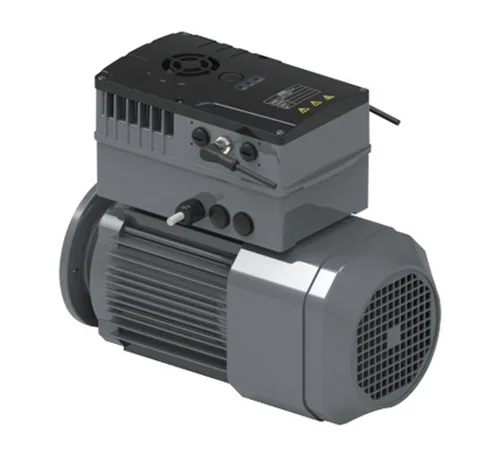
Proper earthing, cable separation, enclosure ventilation, and motor cable length matter as much as drive selection. After installation, periodic checks of temperature, input current quality, fault logs, and drive parameters help confirm compliance and reliability. For distributed or HVAC-adjacent applications, drives such as the Boray FD500 Distributed Inverter may be evaluated as part of a broader power-quality strategy.