Why Motor Inrush Can Disturb the DC Bus
When a motor starts, it can draw a large temporary current, causing the DC bus voltage to sag or fluctuate. In hybrid mode, the inverter may be balancing PV input, battery state, and grid conditions, so a sudden load change can expose weak DC bus support. If the voltage moves outside the control loop’s expected range, the drive may trip or reduce output.
Check the Hybrid Inverter and DC Link Design
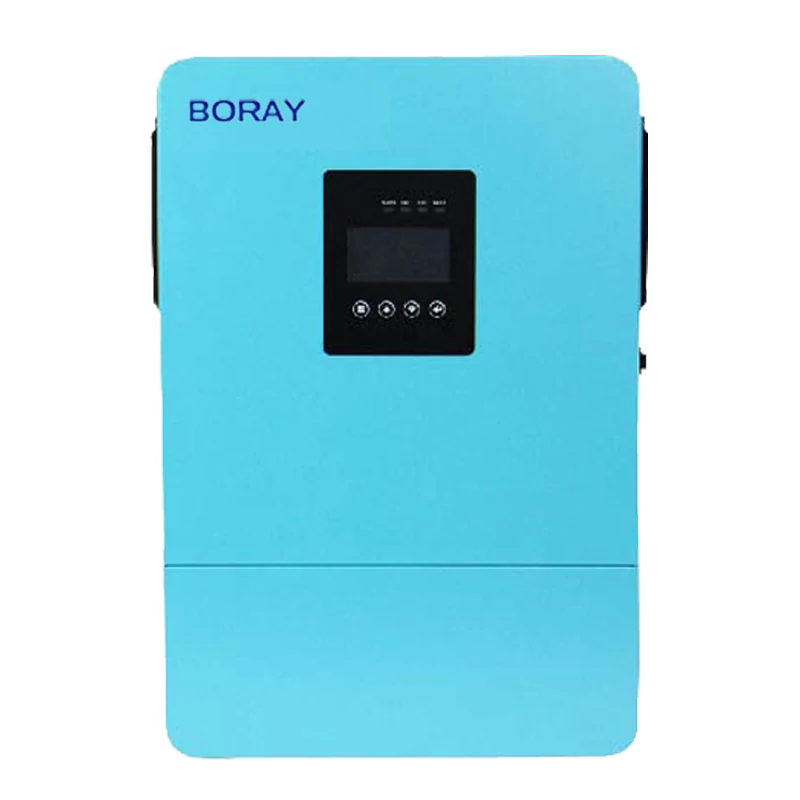
Confirm that the hybrid inverter can supply enough short-term current for the motor load without excessive voltage drop. Review the DC link capacitor bank, bus voltage control, and battery response, because these elements help absorb the initial surge. A stable DC bus usually depends on both the inverter’s energy buffer and its control tuning.
Reduce Inrush With Soft Starting or Controlled Motor Drives
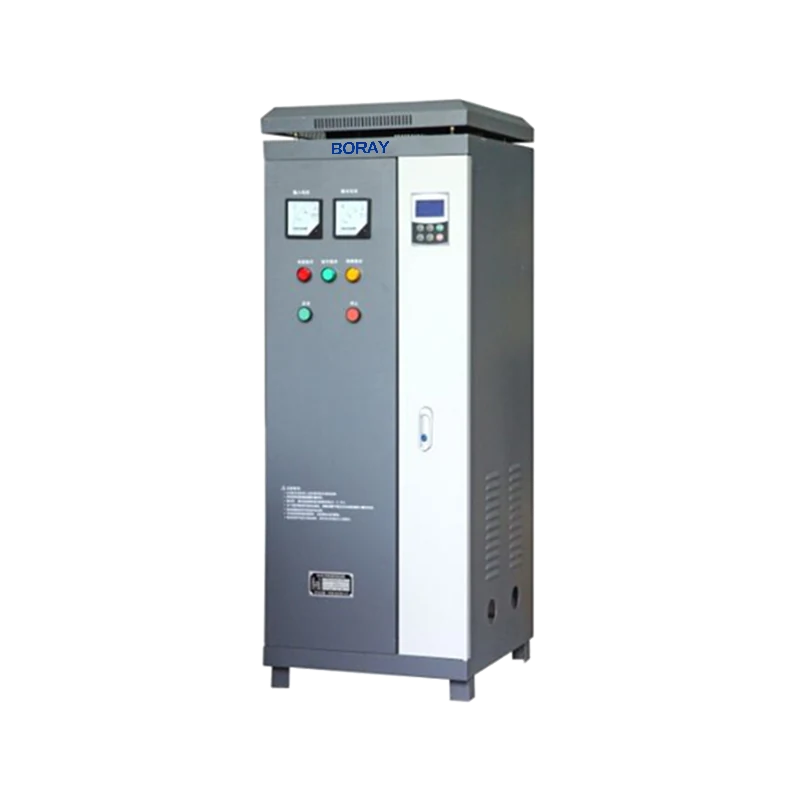
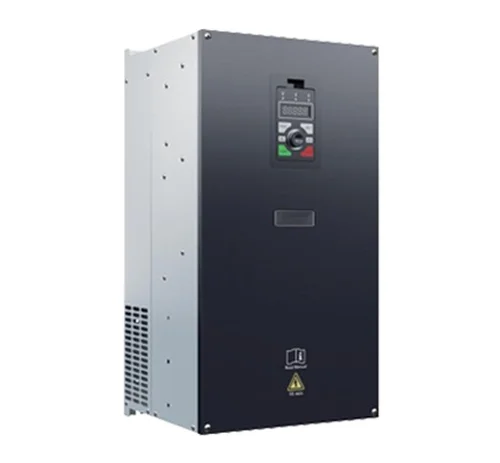
Soft starters and vector drives can ramp motor current gradually instead of allowing a direct-on-line surge. This lowers stress on the DC bus and helps the hybrid inverter maintain a steadier voltage during acceleration. For pump or fan loads, controlled starting is often a simple way to improve reliability.
Coordinate PV, Battery, and Grid Inputs
In hybrid mode, the power source mix can change quickly, especially when solar output is low or the battery is not ready to assist. Make sure the system can transition between PV, battery, and grid without leaving the motor load unsupported. Proper source coordination helps prevent repeated DC bus dips during start-up.
Commission and Monitor for Repeated Instability
During commissioning, record DC bus voltage, start-up current, and fault logs while cycling the motor under different solar and battery conditions. If instability appears only at certain states, adjust the start sequence, battery support, or drive ramp settings. Ongoing monitoring helps catch wiring, capacitor aging, or control issues before they cause trips.