Why Split-Phase Imbalance Matters
In industrial and agricultural sites, split-phase systems often feed a mix of lighting, controls, pumps, and single-phase equipment. When one leg carries more current than the other, neutral stress and voltage drift can appear. A hybrid solar inverter may then see uneven loading during grid outage or battery backup.
Motor Inrush and Starting Stress
Motors and pumps can draw a short-duration surge when they start, especially under load. On a split-phase hybrid system, repeated starts can expose weak sizing, poor phase distribution, or inadequate surge margin. This can trigger trips, flicker, or reduced performance for sensitive automation equipment.
Sizing and Load Allocation
Engineers should size the inverter for continuous demand, starting demand, and the most severe phase condition. Single-phase loads should be mapped and balanced across both legs, while large motor loads should be separated where possible. For solar pumping or irrigation systems, review the expected start frequency and water-level control logic before final selection.
Soft Starting, VFDs, and Hybrid Coordination
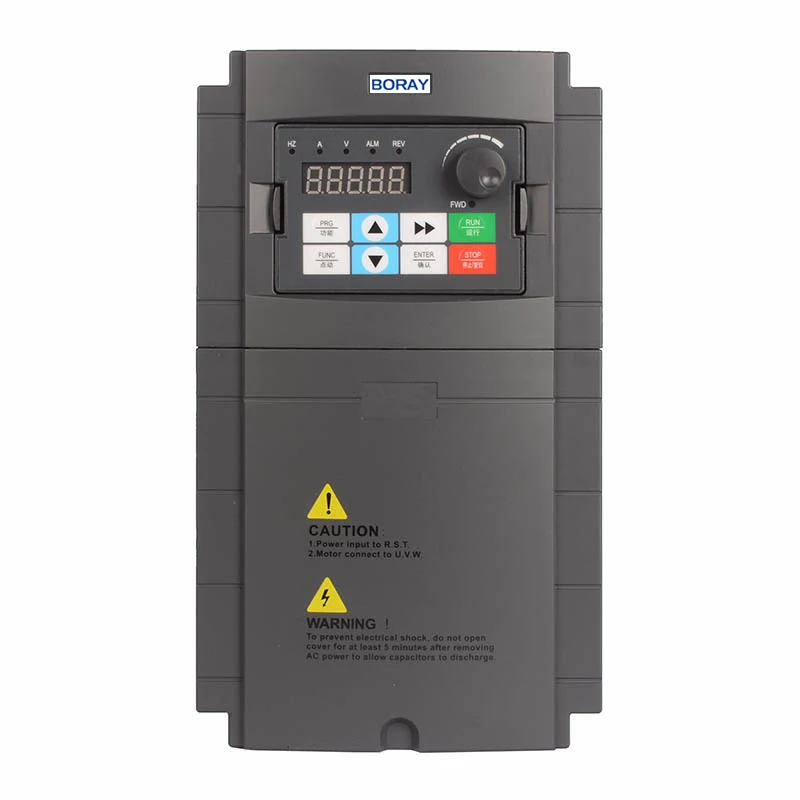
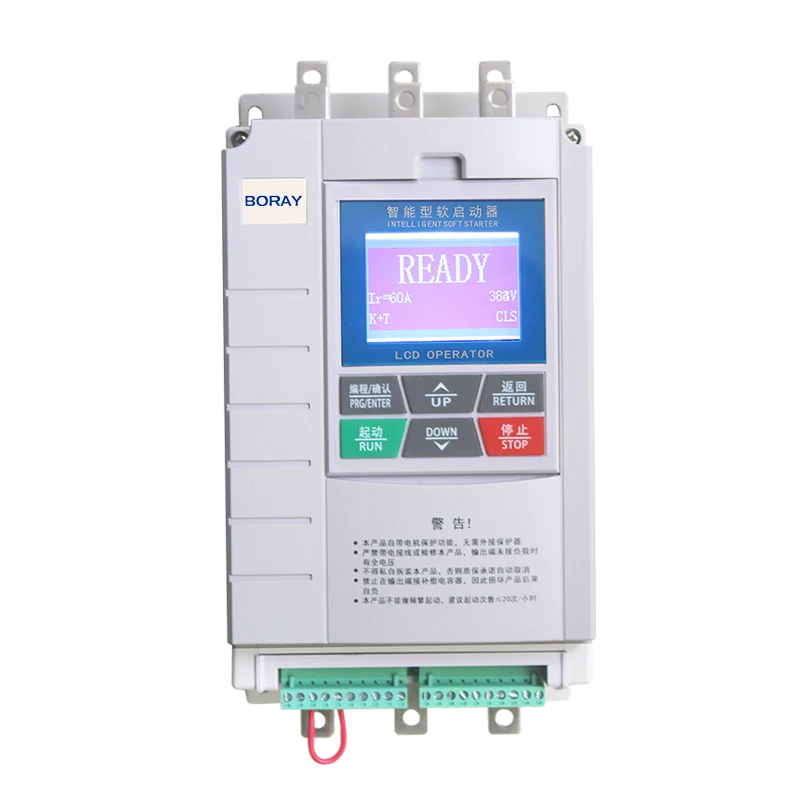
Soft starters and variable frequency drives reduce starting current by ramping motor voltage or frequency instead of applying full power immediately. They can also support pump and fan control, helping the hybrid system avoid repeated high-surge events. Boray options such as the BR110 Universal High-Performance Vector Inverter and ST100 Bypass Soft Initiator can be considered for motor-side management.
Monitoring, Protection, and Procurement Checks
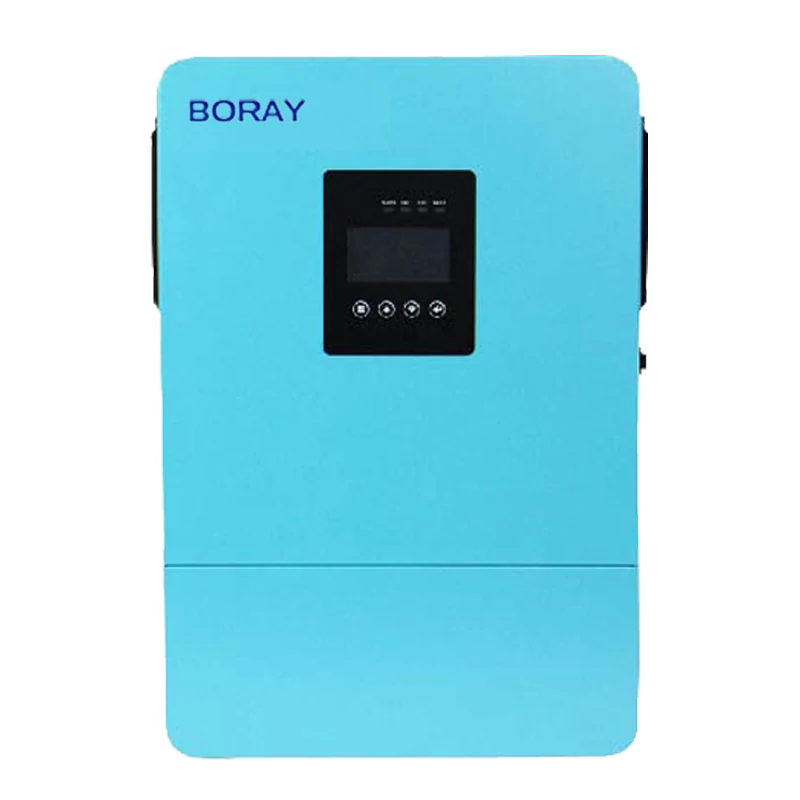
Use metering and alarms to track phase currents, neutral current, voltage deviation, and startup events over time. During procurement, confirm output configuration, surge handling, battery or grid synchronization behavior, and control compatibility with connected VFDs. For hybrid solar projects, the BR2000-6500 Hybrid Solar Inverter may be evaluated as part of the overall system, with final settings based on measured site conditions.