Why a Crane VFD Needs Four-Quadrant Control
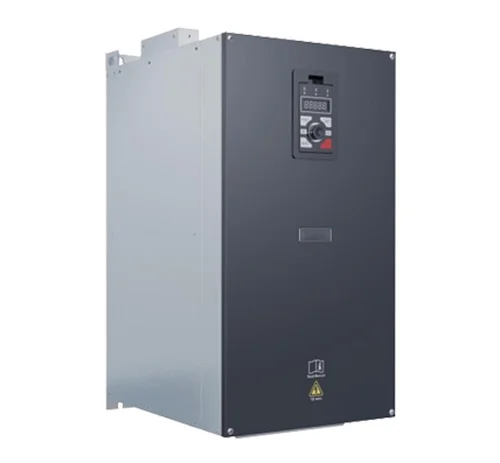
A hoist does not only run the motor in one direction. When a load is lowered, the motor can return energy toward the drive, so the VFD must accept torque in both motoring and regenerative states. The AD1000-AFE Four-Quadrant Inverter is named for that four-quadrant duty.
Where Energy Feedback Appears in the Drive
In crane and hoist systems, regenerated energy can move through the drive during load lowering or braking. The Boray catalog lists the AD1000-AFE Four-Quadrant Inverter as a variable-frequency-drive product for four-quadrant applications, making it a relevant starting point when reviewing energy-feedback paths.
Choosing Between AD1000-AFE and AD1000PLUS
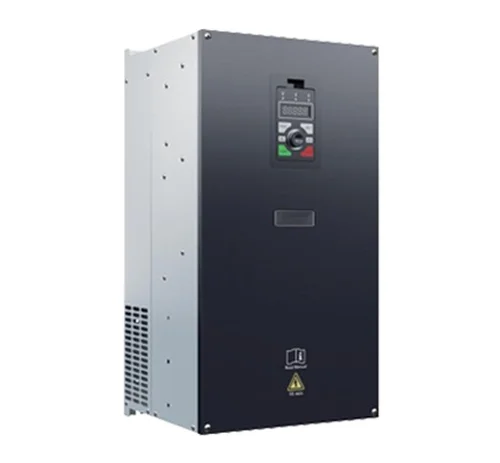
Use the AD1000-AFE Four-Quadrant Inverter when the application is identified by four-quadrant operation. Use the AD1000PLUS High-Performance Vector Inverter when the crane or hoist drive is specified as a high-performance vector VFD. Confirm the final selection against the machine duty, motor, and drive configuration.
Commissioning a Four-Quadrant Hoist Drive
Before energizing, verify the VFD is set for the required control method and that the hoist load profile is checked for lowering, holding, and lifting states. For vector-controlled drives such as the AD1000PLUS High-Performance Vector Inverter, confirm motor tuning and drive parameter setup according to the machine requirements.
Application Notes for Crane and Hoist VFDs
Cranes and hoists are safety-critical, so the VFD selection should be reviewed with the lift manufacturer, motor data, brake arrangement, and site electrical conditions. The Boray catalog names AD1000-AFE Four-Quadrant Inverter and AD1000PLUS High-Performance Vector Inverter as variable-frequency-drive products to consider for four-quadrant and vector-control applications.