Sourcing Drive Variable Frequency for Industrial Use
Variable frequency drives adjust AC motor speed to support better efficiency and control across HVAC, conveyors, pumps, and solar irrigation systems. Engineers and integrators compare topology, enclosure needs, communication compatibility, and operating environment before procurement.
Technical Types and Variations
General-purpose low-voltage drives typically use fixed AC input and V/Hz or vector control for standard induction motors. Solar pump inverters accept DC input and add irradiance-based start/stop plus pump protection, while medium-voltage drives are intended for larger industrial loads.
Key Industrial Applications
Automation distributors and system integrators specify these drives for pumps, fans, compressors, conveyors, and material handling equipment. In off-grid irrigation, solar pump inverters can reduce dependence on grid power or batteries by matching PV output to motor demand.
Engineering Pain Points and Sizing
Common challenges include voltage variation, harmonic effects, enclosure selection, and control network compatibility. A sizing review should check motor data, load torque, ambient conditions, protection needs, and braking or regenerative requirements.
Boray Product Fit for Drive Variable Frequency
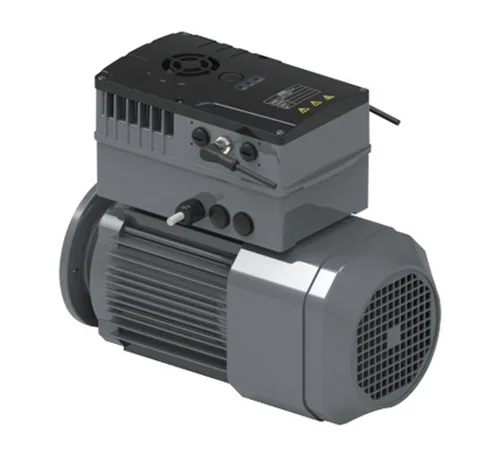
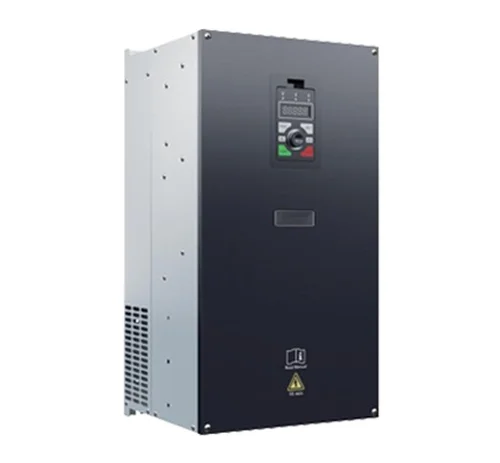
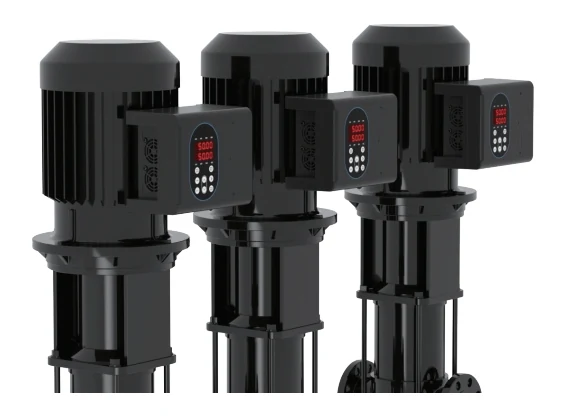
Boray catalog options include variable-frequency drives and solar pump inverters for pump control, vector performance, and distributed or four-quadrant applications. Models such as FD500 Distributed Inverter, AD1000PLUS High-Performance Vector Inverter, and FS300 Series Intelligent Pump AC Drive can support different industrial and water-handling projects.
Procurement and Energy ROI
Total cost of ownership depends on reliability, commissioning effort, energy savings, and long-term service access. B2B buyers should compare drive families by application fit, protection level, and support structure rather than initial price alone.