Core Parts of a Variable Frequency Drive
A VFD typically combines a rectifier or DC input stage, a DC bus, switching devices, control electronics, and protection features. These parts work together to convert fixed input power into adjustable output for motor speed and torque control. In many designs, IGBT modules and capacitors define the drive’s thermal and electrical limits.
Common Component Categories to Review
Buyers should examine power semiconductors, DC bus capacitors, inductors or reactors, EMI filters, braking units, and user interfaces. Each category influences harmonic behavior, voltage stress, heat generation, and ease of commissioning. For solar pumping, input coupling and motor insulation compatibility are especially important.
Technical Specs That Matter Most
Important ratings include input voltage, output current, switching frequency, DC bus design, efficiency, and protection level. Engineers should also check harmonic performance, thermal management, communication options, and compatibility with high-efficiency motors. These specs help determine whether a drive is suitable for HVAC, conveyors, pumps, or regenerative loads.
VFD Architecture Types and Use Cases
Standard six-pulse drives are widely used for general industrial and building services, while active front-end designs can improve input current quality and enable regenerative operation. Solar-optimized DC-fed inverters connect directly to PV arrays and often use maximum power point tracking to improve energy harvest. Multi-pulse or filtered designs may be considered when harmonic mitigation is a priority.
Selection, Testing, and Supplier Evaluation
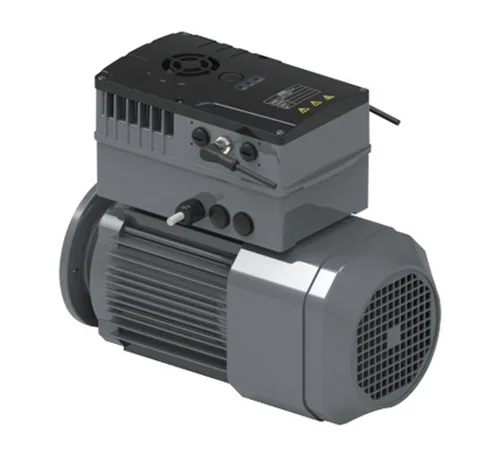
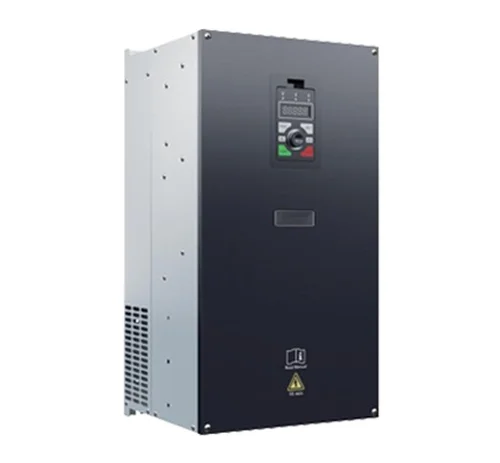
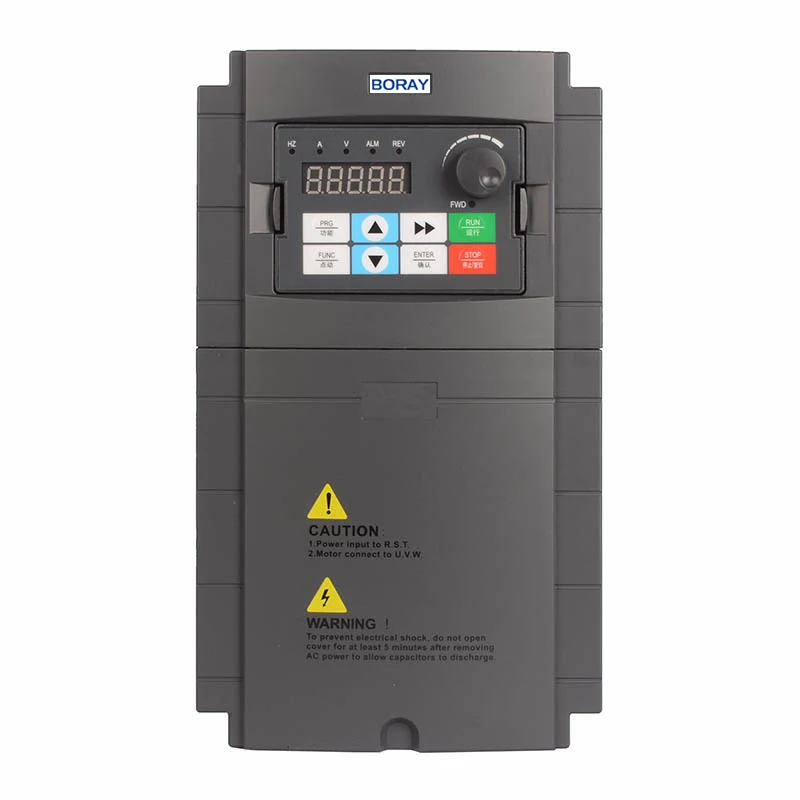
Component selection should start with load profile, environment, motor type, and expected downtime tolerance. Quality checks should cover thermal testing, insulation withstand, EMC behavior, and long-life capacitor and semiconductor evaluation. Boray catalog entries such as the FD500 Distributed Inverter and AD1000PLUS High-Performance Vector Inverter can be checked against these requirements. When comparing suppliers, look for consistent manufacturing controls, clear documentation, and support for project-specific commissioning.