Why Industrial Buyers Review Hybrid Inverter Specs
Industrial and agricultural operations need stable power for pumps, drives, and process loads. A hybrid inverter with battery support helps balance solar generation, stored energy, and grid interaction. For procurement teams, clear specifications reduce downtime and simplify system integration.
Common Hybrid Inverter Configurations
Three-phase hybrid systems are often used where motor loads require balanced AC power. AC-coupled options can add storage to existing solar installations, while DC-coupled all-in-one designs integrate PV input and battery conversion in one platform. The best choice depends on site wiring, load type, and expansion plans.
Key Technical Considerations
Buyers should review input voltage range, output configuration, overload handling, enclosure rating, and communication options. These details affect how the inverter works with VFDs, pumps, and building or process controls. Battery compatibility and monitoring features are also important for reliable system design.
Typical Applications
Solar hybrid inverters with battery support are used in irrigation, factory backup power, and remote agricultural automation. They can help shift loads, provide backup during grid interruptions, and support renewable energy use. Integration with pump inverters or drives should be considered early in the design.
Sourcing and Quality Checks
Industrial procurement should compare engineering support, testing practices, and documentation from suppliers. Buyers need to verify that the selected system matches site conditions, load profiles, and control requirements. A clear specification review helps avoid mismatches between inverters, batteries, and downstream equipment.
Boray Product Options
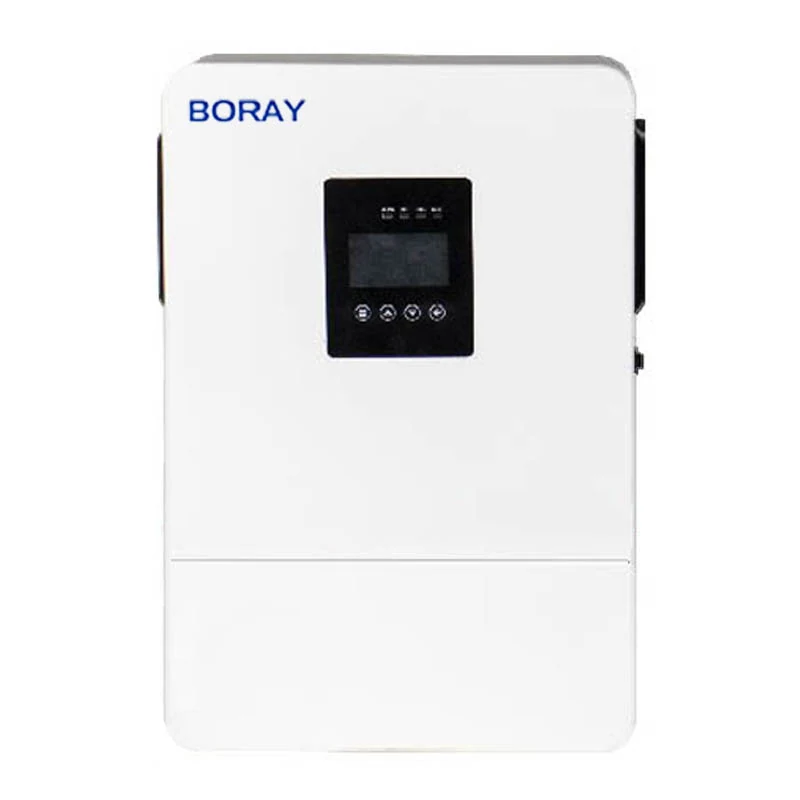
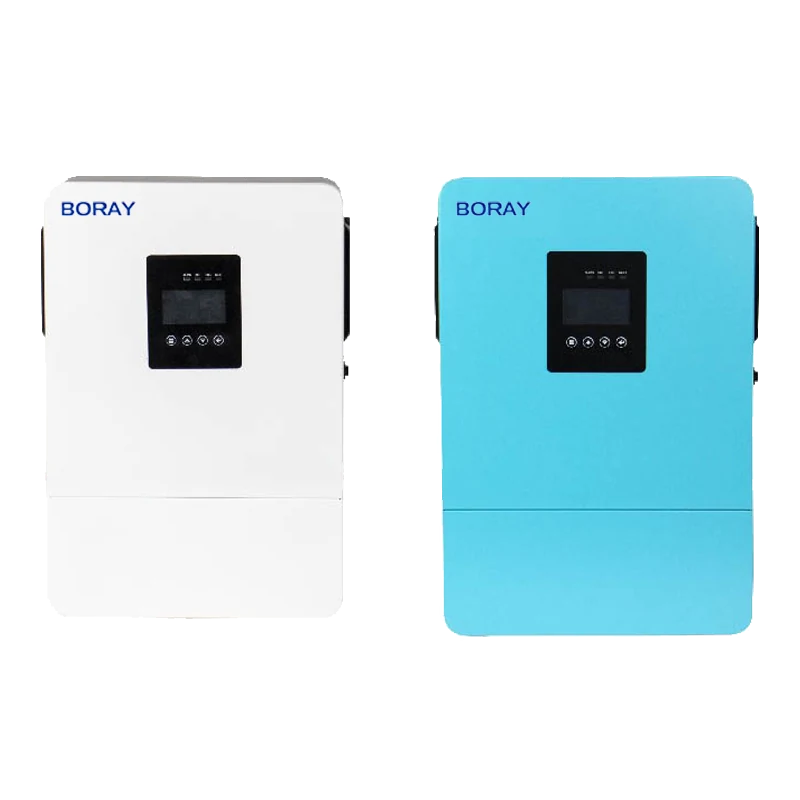
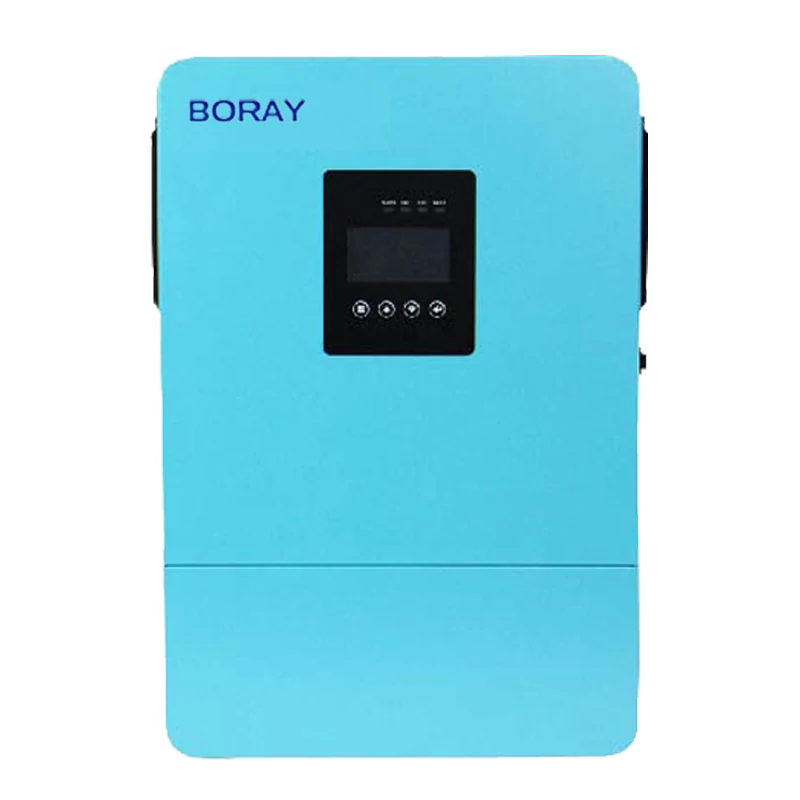
Boray lists hybrid solar inverter series that can be considered for solar-plus-storage projects. The BR2000-4200, BR2000-6500-P, and BR2000-6500 models are relevant catalog examples. For project-specific needs, review the product pages to confirm available configurations and integration details.