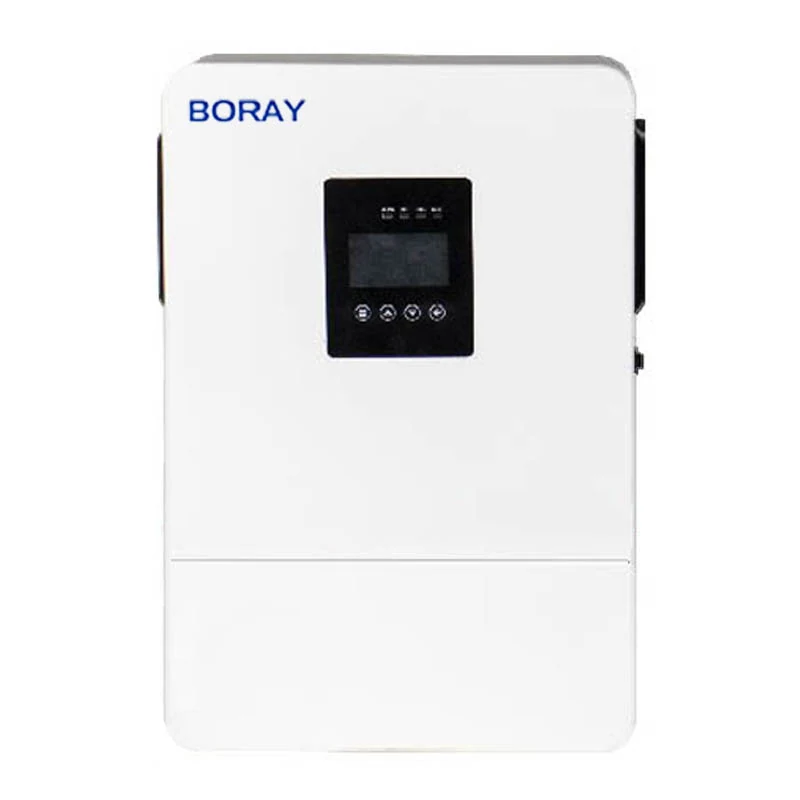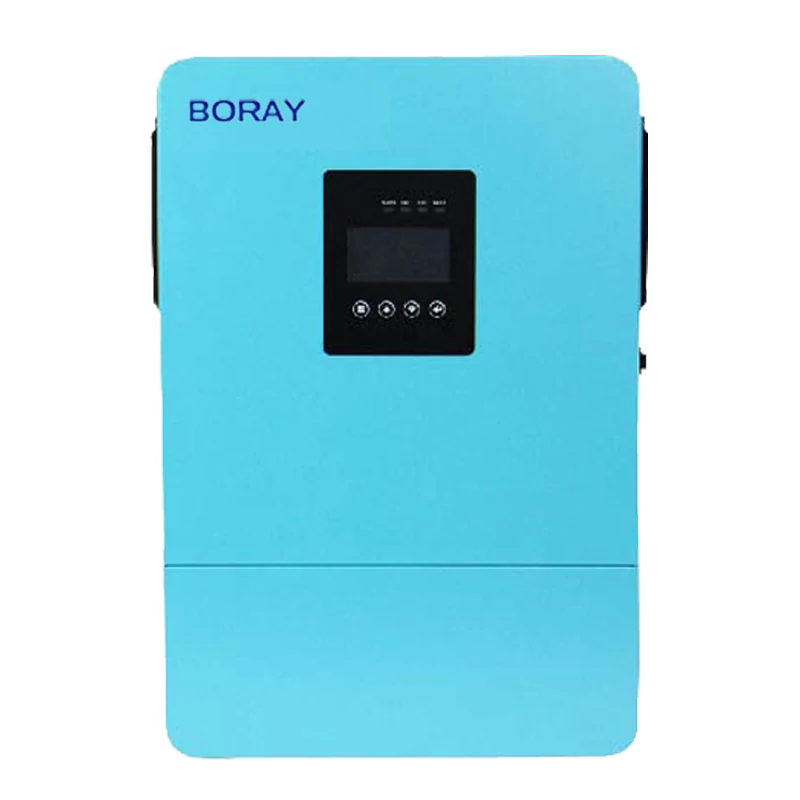
What a Hybrid Solar Inverter Charger Does
A hybrid solar inverter charger brings PV input, battery handling, and AC output into one system. It can supply loads, manage stored energy, and coordinate with grid or generator inputs where the application requires them. In industrial and agricultural settings, this reduces the number of separate controllers and transfer devices.
Types of Hybrid Inverter Charger Systems
Smaller single-phase units are common for light irrigation, remote monitoring, and compact solar pumping. Split-phase designs fit North American motor loads and mixed voltage needs. Larger three-phase systems are used when industrial pumps, conveyors, and motor control centers need direct three-phase supply.
VFD Compatibility and Motor Control
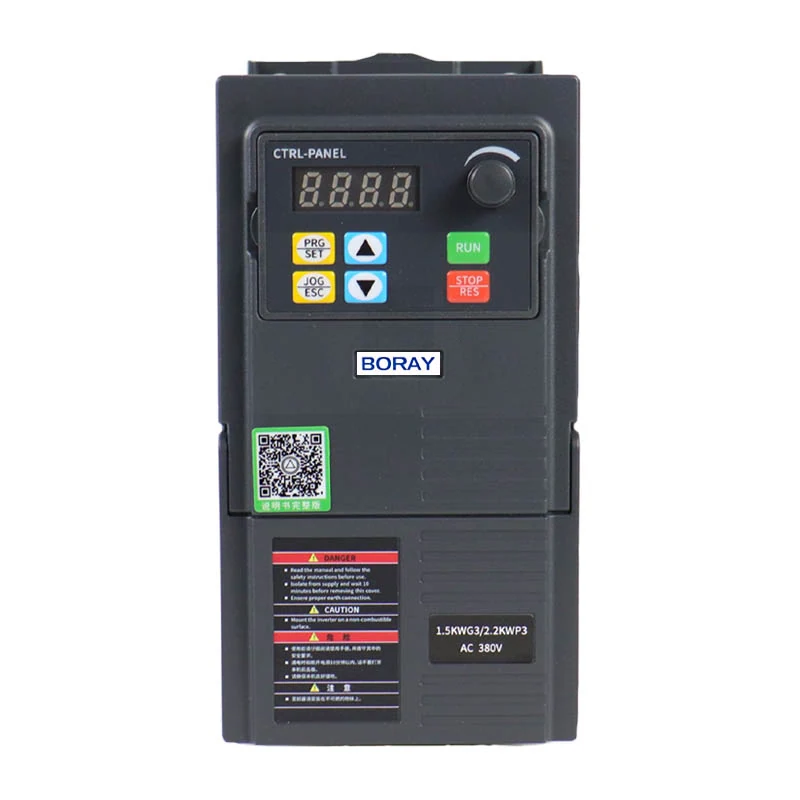
VFDs help control pump and conveyor speed while reducing mechanical stress during startup. When selecting a hybrid charger, check the output waveform, phase configuration, and control interface needed by the drive. Communication options such as Modbus or CAN can help the inverter and drive share status and operate more smoothly.
Key Specification Checks Before Sourcing
Review PV input range, MPPT channels, battery chemistry support, output voltage, phase, and continuous power capability. Also confirm surge handling for motor starts, protection functions, and environmental rating for the installation location. For three-phase loads, verify phase sequence protection and insulation monitoring if the application requires it.
Boray Products for Hybrid and Drive Applications
Boray hybrid solar inverter models, including the BR2000-4200 and BR2000-6500 series, can be considered for solar and battery power conversion projects. For motor control, a compatible variable frequency drive such as the BR100 can be evaluated alongside the inverter system. Final selection should match the site load, battery type, and control protocol requirements.