Why Harmonic Mitigation Matters for VFDs
Variable frequency drives can draw non-sinusoidal current, which may create harmonic stress on transformers, capacitors, and motor insulation. In industrial and pumping installations, poor power quality can reduce reliability and complicate future expansion. A filter strategy helps maintain cleaner input current and more stable distribution performance.
Common Filter Types
Line reactors are simple passive components that limit peak current and soften rectifier charging spikes. Tuned passive filters target characteristic harmonics, while active filters inject compensating current for a broader range of distortion. The best choice depends on the drive topology, load profile, and available installation space.
Sizing and Installation Checks
Engineers should review drive input current, system strength, capacitor bank presence, and expected load changes before selecting a filter. Passive filters need resonance checks, and active filters require proper current transformer placement and response settings. Installation should allow ventilation, service access, and clear separation from sensitive control wiring.
Choosing Boray Drive Architectures Carefully
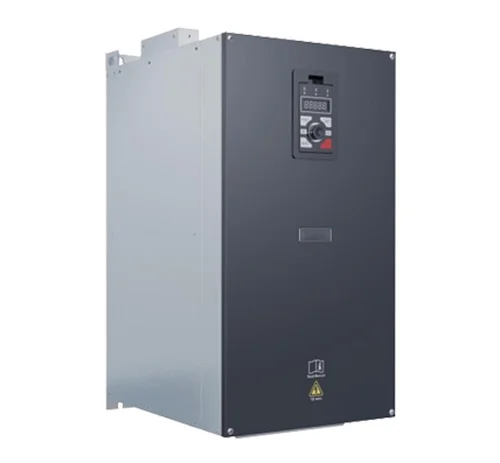
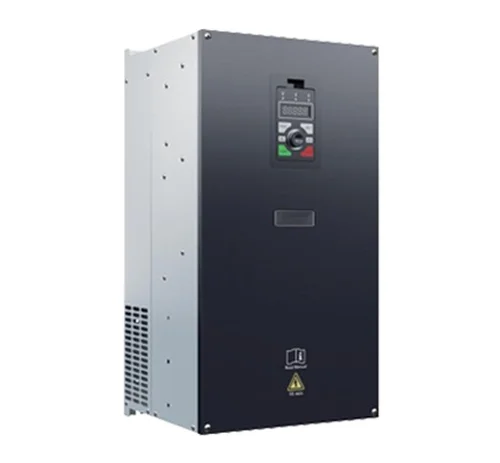
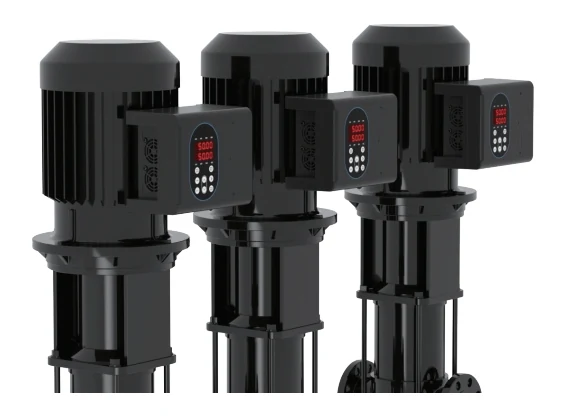
When selecting a VFD, input current behavior can be as important as motor control features. Boray catalog options include vector drives, pump drives, and a four-quadrant inverter model. Pairing the right drive with external filtering should be based on measured power quality needs and system requirements.
Practical ROI and Maintenance
Harmonic mitigation can lower overheating risk, reduce nuisance trips, and protect downstream equipment. Cost should be evaluated against downtime, transformer derating, and future load growth. Simple monitoring of input current distortion helps verify whether filters are performing as intended.