Water Management in Sustainable Land Use
Sustainable land management depends on keeping soil, water, and ecosystems productive over time. Reliable water delivery supports irrigation, livestock care, and rural water access. Poor water use can harm soil health and reduce long-term land value.
Role of a Solar Water Pump Inverter
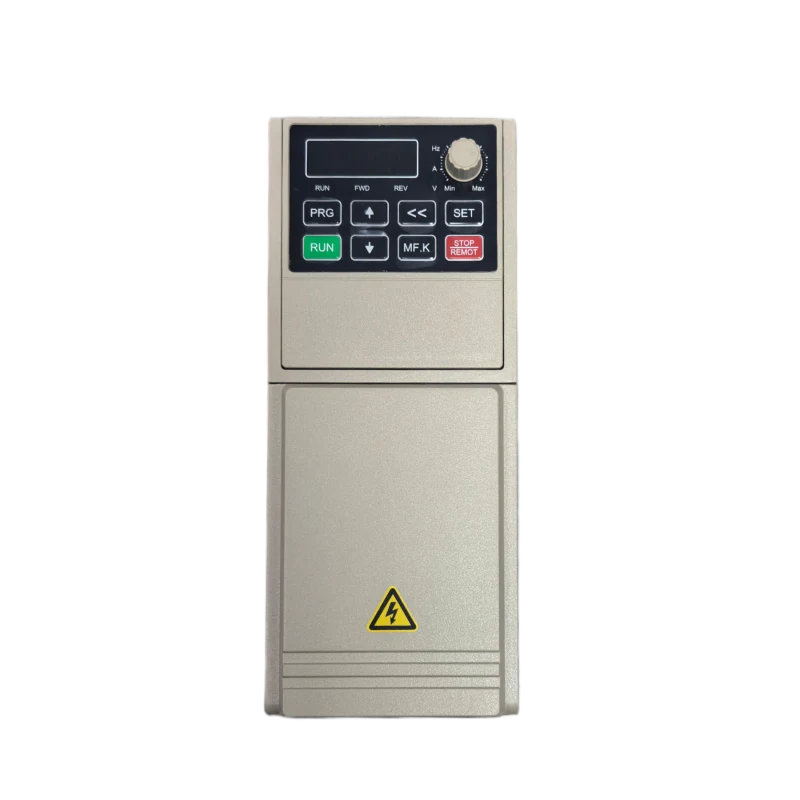
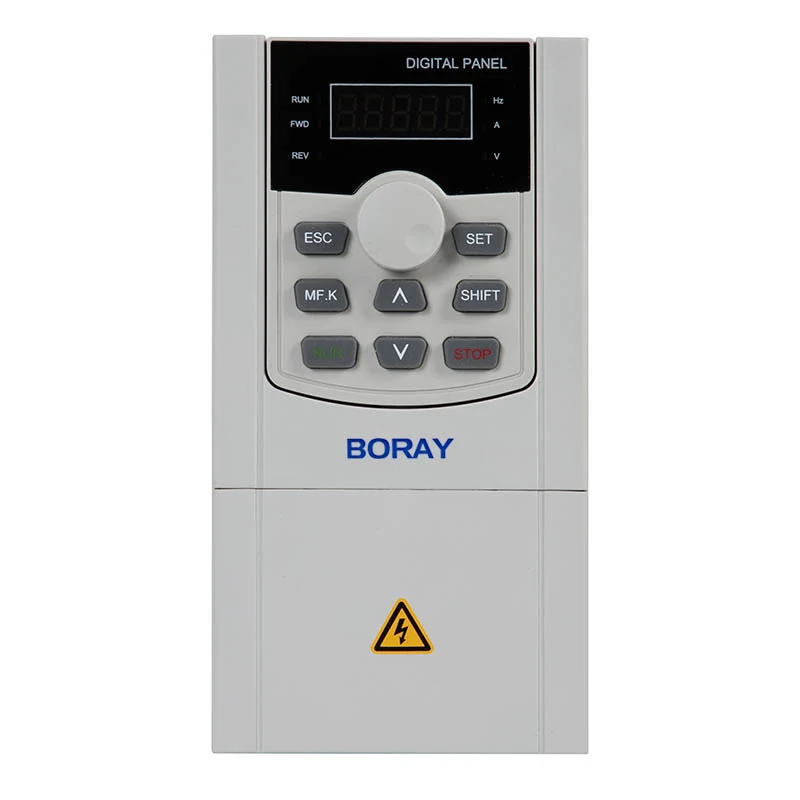
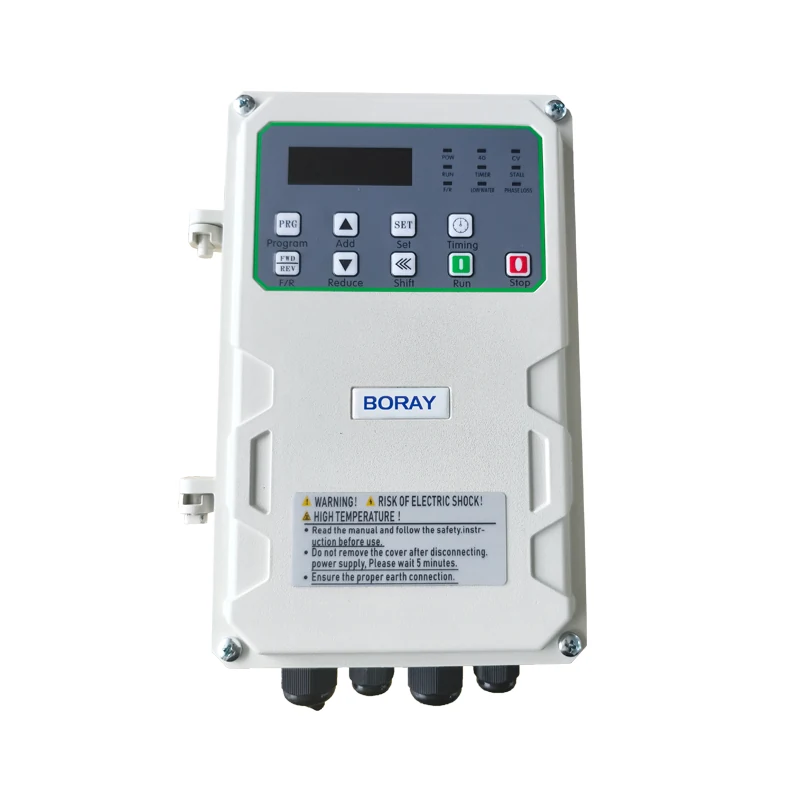
A solar water pump inverter controls the conversion of solar DC power into AC power for pump operation. It acts as the system’s control center, helping the pump respond to changing sunlight and water demand. This makes solar pumping more practical than basic fixed-speed setups.
Efficiency and Water Control
MPPT-based inverters help capture more usable energy from solar arrays under varying conditions. They can adjust pump speed to maintain steady flow when sunlight is weak and increase output when conditions are strong. Better flow control helps avoid over-irrigation and supports healthier moisture balance in fields and pastures.
Environmental and Operational Advantages
Solar pumping reduces dependence on diesel fuel or unstable grid power. It lowers operating emissions and avoids fuel storage risks near soil and water sources. Built-in protections and automatic operation also improve reliability in remote or lightly staffed sites.
Selecting an Inverter for Land Management Projects
Choose an inverter that matches pump power, solar input, voltage, and site protection requirements. For land management, look for features such as MPPT, dry-run protection, overload protection, and stable low-light operation. Boray solar pump inverters can be considered for projects that need renewable-powered water delivery.