How Solar Pump Inverter Systems Work: Powering Sustainable Water Solutions
Solar pump inverter systems are revolutionizing water use by harnessing the sun’s energy to power irrigation, drinking water supply, and livestock watering. These systems combine photovoltaic (PV) technology with advanced energy conversion techniques to deliver highly efficient off-grid water pumps. Here’s how they work and why they’re critical to sustainable water management.
1. Solar Conversion
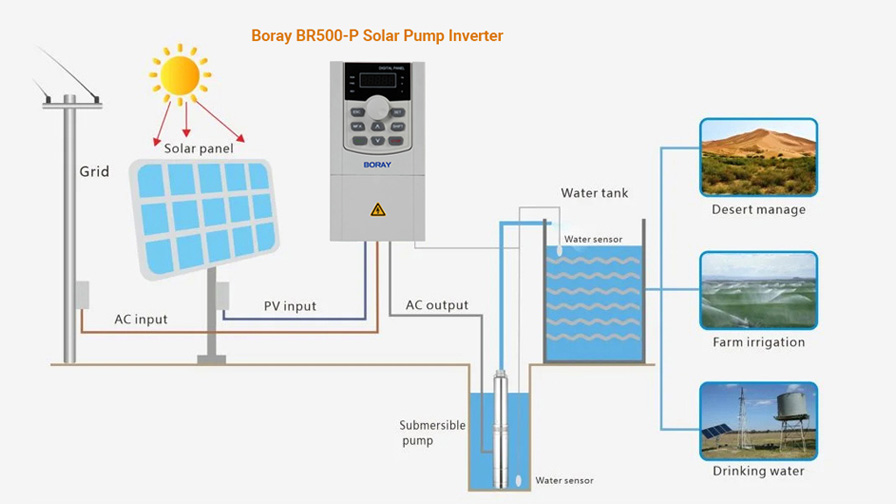
At the heart of the system, solar panels capture sunlight and convert it into direct current (DC). The high efficiency of modern PV panels ensures maximum energy harvesting even in low-light conditions.
2. Smart Inverter Technology
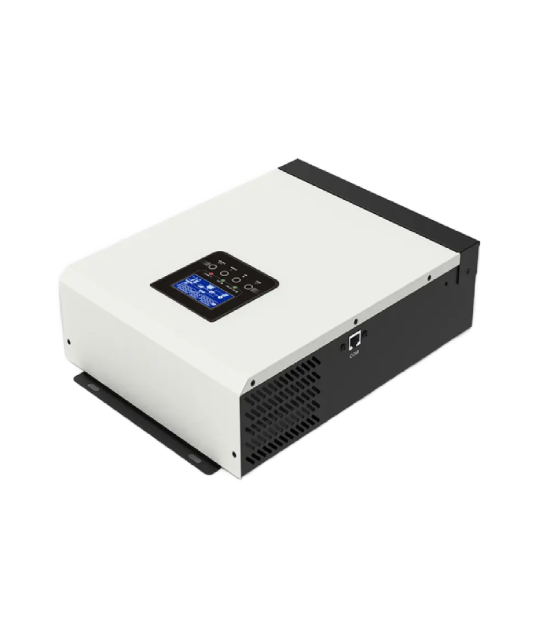
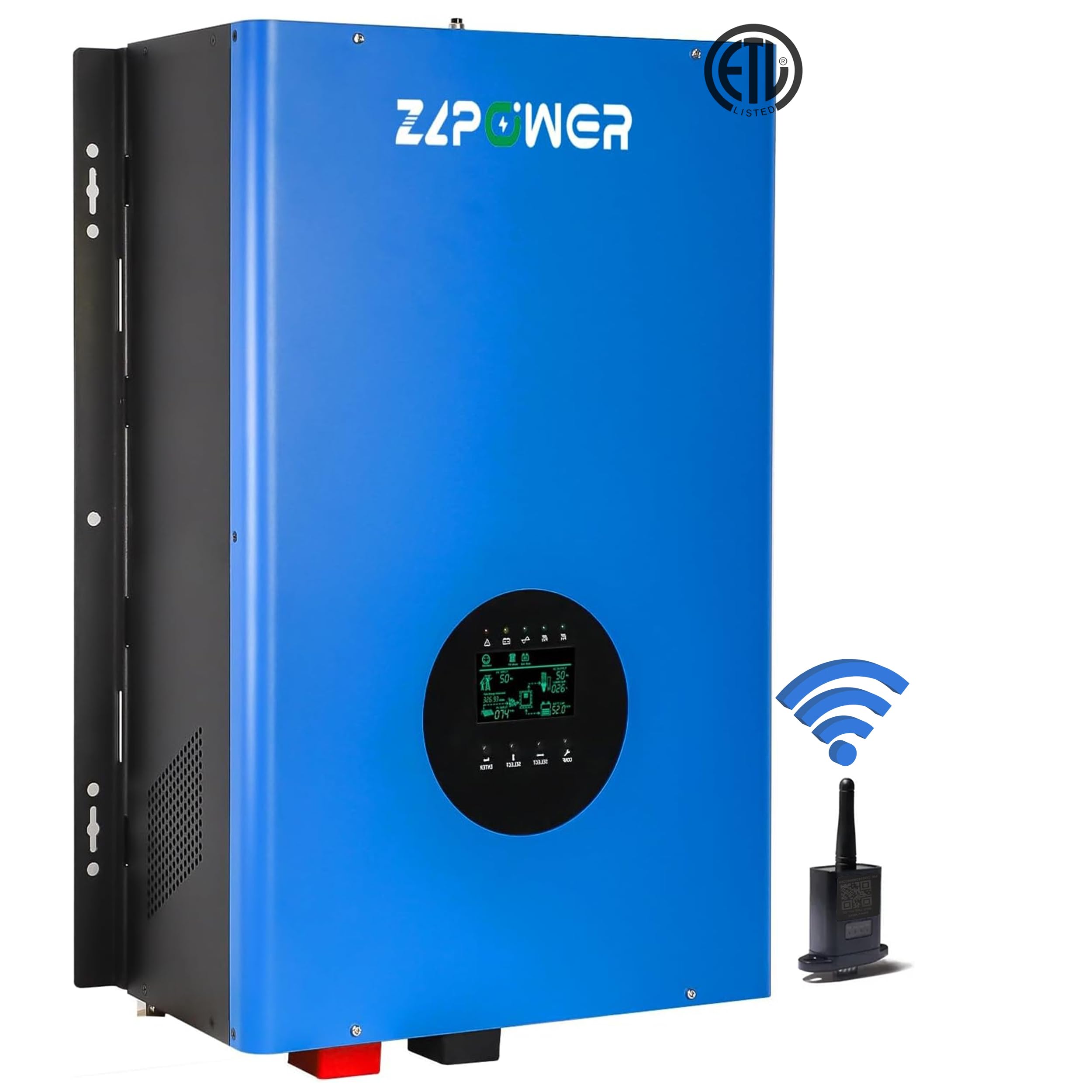
Solar pump inverters act as the “brains” of the system, converting the DC power from solar panels into alternating current (AC) to drive the pumps. Key features include:
- Maximum Power Point Tracking (MPPT) – dynamically adjusts voltage and current to extract maximum energy from solar panels, increasing efficiency by 20-30%.
- Variable Frequency Drive (VFD) – optimizes pump speed based on light conditions, reducing energy waste.
- Protection mechanisms – prevent overvoltage, idling, and overheating.
3. Pumping and supplying water
After conversion, the AC power drives a submersible or surface pump to pump water from a well, river or reservoir. The system can be configured for:
- Drip irrigation (low flow, high efficiency)
- Sprinkler irrigation system (wider coverage)
- Pressurized water supply (ideal for remote villages or livestock)
4. Optional energy storage and hybrid operation
For 24/7 water supply, some systems integrate battery energy storage systems to store excess solar energy. Hybrid models can also be connected to the grid or diesel backup power to ensure uninterrupted power supply on cloudy days.
5. Smart monitoring and control
Modern inverters support IoT connectivity, allowing farmers and operators to:
- Monitor performance via mobile apps
- Adjust settings remotely
- Receive maintenance alerts
Why solar pump inverters are the future
- Cost-effective – eliminate fuel costs and payback within 2-5 years.
- Environmentally friendly – zero emissions, reducing carbon footprint.
- Reliable – can work in off-grid areas without electricity.
Applications:
- Agriculture (irrigation)
- Livestock watering
- Rural water supply
- Desert reclamation
Advances in SiC/GaN semiconductors and AI-driven optimization will further improve the efficiency and penetration of solar pump inverters by 2025.
By converting sunlight into water, these systems empower farmers, conserve resources, and support global sustainable development goals—proving that clean energy and smart technology can solve real-world water challenges.
solar pump inverters, mppt solar pump inverters, solar-pump-inverters, solar water pump inverters, solar-water pump-inverters