Introduction: Sourcing Variable Frequency Drive Controls for Industrial Use
In an era where energy costs and sustainability mandates dominate industrial strategy, Variable Frequency Drive (VFD) controls have emerged as the critical interface between raw electrical power and precision motor performance. Whether optimizing irrigation pumps in remote agricultural installations or managing HVAC loads in complex manufacturing facilities, VFDs—also known as AC drives or variable speed drives (VSDs)—deliver intelligent speed control that can reduce energy consumption by 40% to 80% compared to direct-on-line operation. For solar pumping systems and industrial automation alike, these devices do more than modulate motor speed; they extend equipment lifespan, minimize mechanical stress, and enable seamless integration with renewable energy sources through advanced MPPT algorithms.
Yet sourcing the right VFD control extends far beyond matching horsepower ratings. Industrial engineers, EPC contractors, and agricultural project managers must navigate a complex landscape of control methodologies, from scalar V/Hz control to sensorless vector control with PID feedback loops. Critical specifications include environmental protection ratings, harmonic mitigation capabilities, and compatibility with permanent magnet synchronous motors increasingly prevalent in high-efficiency solar applications. Furthermore, the distinction between specialized solar pump inverters and universal industrial VFDs significantly impacts system efficiency, grid independence, and long-term maintenance requirements.
This comprehensive guide examines the technical distinctions between VFD control types, essential specification parameters for harsh industrial environments, and strategic criteria for evaluating manufacturers capable of delivering reliable motor control solutions—from standard industrial drives to advanced solar pumping systems engineered for off-grid reliability and maximum energy yield.
Article Navigation
- Top 3 Variable Frequency Drive Controls Manufacturers & Suppliers List
- Introduction: Sourcing Variable Frequency Drive Controls for Industrial Use
- Technical Types and Variations of Variable Frequency Drive Controls
- Key Industrial Applications for Variable Frequency Drive Controls
- Top 3 Engineering Pain Points for Variable Frequency Drive Controls
- Component and Hardware Analysis for Variable Frequency Drive Controls
- Manufacturing Standards and Testing QC for Variable Frequency Drive Controls
- Step-by-Step Engineering Sizing Checklist for Variable Frequency Drive Controls
- Wholesale Cost and Energy ROI Analysis for Variable Frequency Drive Controls
- Alternatives Comparison: Is Variable Frequency Drive Controls the Best Choice?
- Core Technical Specifications and Control Terms for Variable Frequency Drive Controls
- Future Trends in the Variable Frequency Drive Controls Sector
- B2B Engineering FAQs About Variable Frequency Drive Controls
- Disclaimer
- Conclusion: Partnering with Boray Inverter for Variable Frequency Drive Controls
Technical Types and Variations of Variable Frequency Drive Controls
Variable Frequency Drive (VFD) technologies have evolved significantly beyond basic motor speed regulation, with distinct control architectures now optimized for specific load characteristics and power sources. For industrial engineers and EPC contractors specifying drive systems, understanding these technical variations is critical for matching control precision, energy efficiency, and environmental resilience to application demands—particularly in solar pumping installations where DC-input capabilities and Maximum Power Point Tracking (MPPT) algorithms determine system viability.
| Type | Technical Features | Best for (Industry) | Pros & Cons |
|---|---|---|---|
| Scalar (V/Hz) Control VFDs | • Open-loop PWM control with fixed voltage-to-frequency ratio • No encoder/feedback device required • Linear or quadratic V/Hz curves for variable torque loads |
General HVAC, centrifugal pumps, fans, basic conveyors | Pros: Cost-effective, robust design, minimal parameter setup, high noise immunity Cons: Limited low-speed torque (80-100% rated), ±2-3% speed accuracy, poor dynamic response to load changes |
| Vector Control (FOC) VFDs (Sensorless & Closed-Loop) |
• Field-Oriented Control decoupling flux and torque components • Auto-tuning for motor parameter identification • Optional encoder feedback for ±0.01% precision |
Cranes, hoists, extruders, high-friction pumps, precision positioning | Pros: High starting torque (150-200%), fast dynamic response, precise speed regulation, full torque at zero speed (with encoder) Cons: Higher capital cost, complex commissioning, sensitive to motor cable length without filters |
| Solar Pump Inverters (PV-Powered DC Input) |
• Wide DC input voltage range (200-800VDC) • Integrated MPPT algorithm maximizing PV array output • Dry-run protection, auto-restart at sunrise, water level monitoring |
Agricultural irrigation, remote livestock watering, off-grid water supply, EPC solar projects | Pros: Eliminates grid dependency, 30-40% energy cost reduction, automatic operation without batteries, IP65 outdoor rating options Cons: Weather-dependent output, requires accurate PV array sizing, limited to daylight operation (no storage), DC input protection complexity |
| Multi-Pump Cascade Control Systems | • Master-slave RS485/Modbus communication architecture • Automatic pump rotation and duty cycling • Staged frequency control maintaining constant pressure/flow across pump farm |
Large-scale irrigation districts, municipal water boosting stations, industrial process cooling | Pros: System redundancy, extended pump lifespan through wear equalization, optimized energy consumption across multiple motors Cons: Complex programming requirements, communication protocol dependencies, higher initial infrastructure investment |
Scalar (V/Hz) Control: The Economical Workhorse
Scalar control represents the fundamental VFD architecture, maintaining a constant ratio between output voltage and frequency to preserve magnetic flux in the motor. This open-loop methodology requires no speed or position feedback devices, making it ideal for centrifugal pumps and fans where precise speed holding is less critical than energy savings. In agricultural applications with submersible pumps, scalar drives provide sufficient torque for startup while eliminating inrush currents that damage mechanical seals. However, engineers must note that below 10 Hz, these drives exhibit significantly reduced torque capability, potentially causing stall conditions in high-static-head pumping scenarios. For Boray Inverter’s standard agricultural pump applications, scalar control offers the optimal balance of reliability and cost-efficiency when dynamic load response is not a primary constraint.
Vector Control (FOC): Precision for Demanding Mechanical Loads
Field-Oriented Control (FOC) transforms the VFD from a simple speed controller into a precision torque management system by mathematically decoupling the motor’s magnetic flux and torque-producing current components. Sensorless vector configurations utilize current sensors and advanced motor modeling algorithms to achieve ±0.5% speed accuracy without physical encoders, while closed-loop variants with rotary encoders deliver servo-like performance for positioning applications. In solar pumping contexts, vector control proves invaluable when handling variable viscosity fluids or when pumps must overcome high initial friction in deep boreholes. The technology’s ability to deliver 150-200% rated torque at zero speed prevents “pump jam” scenarios in sediment-heavy water sources, though commissioning requires accurate motor parameter entry (stator resistance, leakage inductance) to prevent current oscillation.
Solar Pump Inverters: DC-to-AC Optimization for Off-Grid Water Systems
Distinct from standard grid-tied VFDs, solar pump inverters accept direct DC input from photovoltaic arrays, incorporating specialized MPPT algorithms that continuously adjust the operating point to extract maximum power as irradiance conditions fluctuate. These drives feature wide DC voltage windows (typically 200-800VDC) to accommodate varying string configurations and include proprietary protection schemes against dry-running, tank overflow, and low-light stalling. For EPC contractors designing solar irrigation projects, these inverters eliminate the need for separate charge controllers or battery banks, reducing Balance of System (BOS) costs by 20-30%. Advanced models include automatic switching capabilities between solar DC and grid AC inputs, ensuring 24/7 water availability while prioritizing renewable energy consumption. Critical specification considerations include the Maximum Power Voltage (Vmp) range compatibility with the PV array and the inverter’s starting voltage threshold, which must remain below the array’s minimum operating voltage during low-light morning conditions.
Multi-Pump Cascade Control: Distributed Intelligence for Large-Scale Infrastructure
For municipal water supply or large agricultural zones requiring multiple pumps, cascade control systems utilize a master VFD coordinating several fixed-speed or variable-speed pumps via industrial communication protocols (Modbus RTU, CANopen, or proprietary fieldbus systems). The master drive executes PID calculations based on pressure transducer feedback, automatically staging pumps on/off and varying their operating frequencies to maintain constant network pressure while minimizing energy consumption across the pump farm. This architecture provides inherent redundancy—if the lead pump fails, the system automatically promotes a lag pump to master status. In solar pumping arrays, cascade control maximizes limited PV generation by ensuring only the necessary number of pumps operate at their Best Efficiency Point (BEP), preventing energy waste from throttled operation. Implementation requires careful attention to communication cable shielding and termination in outdoor environments to prevent EMI-induced fault trips.
Selection Guidance: For standard surface pumps in stable grid conditions, scalar VFDs provide adequate performance. Specify vector control for deep-well submersible pumps exceeding 100 meters static head or applications requiring precise flow control. Solar pump inverters are mandatory for off-grid agricultural projects where grid extension costs exceed $15,000 per kilometer. Cascade systems become economically viable when three or more pumps serve a common distribution network, typically recovering additional infrastructure costs within 18 months through optimized energy management and reduced mechanical wear.
Key Industrial Applications for Variable Frequency Drive Controls
Variable frequency drives (VFDs) serve as the critical interface between power supply systems and electromechanical loads across diverse industrial verticals. By modulating motor speed to match real-time demand rather than maintaining constant full-speed operation, modern VFD controls—particularly when integrated with solar pumping inverters—deliver measurable reductions in energy consumption and mechanical wear. Below are the primary industrial sectors where VFD deployment generates substantial operational advantages, accompanied by technical specifications for procurement teams.
| Sector | Application | Energy Saving Value | Sourcing Considerations |
|---|---|---|---|
| Agriculture & Irrigation | Solar-powered deep-well pumps, center-pivot systems, drip irrigation pressure control | 40–70% reduction in diesel/electric pumping costs; MPPT efficiency >99% in solar configurations | IP65/NEMA 4X enclosures for outdoor exposure; wide DC input voltage range (200V–800V); anti-islanding protection; multi-pump cascade control |
| Water & Wastewater Treatment | Municipal pumping stations, aeration blowers, filtration backwash pumps | 30–50% reduction in energy consumption; 15–25% decrease in water hammer incidents | Built-in PID controllers for constant pressure/flow; harmonic filters (<5% THDi); redundant pump switching logic; Modbus/Profibus connectivity |
| HVAC & Building Automation | Chilled water circulation pumps, cooling tower fans, air handling units (AHUs) | 30–60% fan energy savings; optimized part-load efficiency down to 10% motor speed | BACnet/IP or Modbus RTU integration; automatic energy optimization (AEO) algorithms; sleep mode with wake-up trigger; low acoustic noise operation |
| Mining & Cement Processing | Conveyor belt systems, crusher feed control, mill drives, ventilation fans | 20–40% peak demand reduction; elimination of mechanical soft-start equipment; extended motor bearing life | Heavy-duty chassis (IP54 minimum, IP66 preferred); vector control (FOC) for 150% starting torque; regenerative braking units; vibration-resistant mounting |
| Oil & Gas / Petrochemical | Mud pumps, cooling tower circulation, pipeline transfer pumps, compressor stations | 25–45% operational cost reduction; precise flow control maintaining ±0.5% process tolerance | ATEX/IECEx Zone 2 certifications; conformal coating for H2S/salt corrosion; wide ambient temperature range (-20°C to +50°C); STO/SS1 safe torque-off safety integration |
Agriculture & Irrigation
In remote agricultural operations, VFDs—specifically solar pump inverters—enable DC-to-AC conversion with maximum power point tracking (MPPT) to optimize photovoltaic array output. For deep-well submersible pumps and center-pivot systems, variable speed control eliminates the need for energy-wasting throttle valves, instead adjusting pump speed to match required head pressure. When sourcing drives for agricultural deployment, prioritize units with wide DC input voltage windows to accommodate fluctuating solar irradiance, and ensure IP65 ingress protection against dust and irrigation spray. Multi-pump cascade control functionality allows staging of multiple pumps during peak daylight hours, maximizing solar harvest while maintaining constant discharge pressure.
Water & Wastewater Treatment
Municipal pumping stations and aeration processes in treatment plants represent ideal candidates for VFD implementation due to the affinity laws—where a 20% reduction in pump speed yields approximately 50% energy savings. Beyond energy efficiency, VFDs mitigate water hammer through controlled acceleration/deceleration ramps, reducing infrastructure stress and leakage. Procurement teams should specify drives with integrated PID loops for autonomous pressure zone management and harmonic mitigation filters to prevent grid contamination in sensitive municipal electrical networks. Connectivity via industrial Ethernet protocols ensures seamless integration with SCADA systems for remote monitoring of pump health and efficiency metrics.
HVAC & Building Automation
Commercial buildings utilize VFDs primarily in chilled water loops and air distribution systems, where fan and pump loads vary significantly based on occupancy and ambient conditions. Cube law relationships mean that reducing fan speed by just 10% can decrease power consumption by approximately 27%. Modern HVAC drives should feature Automatic Energy Optimization (AEO) algorithms that dynamically adjust voltage-to-frequency ratios during part-load operation. For integration with Building Management Systems (BMS), ensure native BACnet/IP or Modbus RTU communication capabilities, along with “sleep mode” functions that pause motor operation during low-demand periods while maintaining wake-up triggers based on temperature or pressure differentials.
Mining & Cement Processing
Heavy industrial environments demand ruggedized VFDs capable of withstanding abrasive dust, vibration, and extreme temperature differentials. In conveyor applications, VFDs provide controlled torque ramping to prevent mechanical shock during startup, while in crusher applications, vector control (Field-Oriented Control) maintains high starting torque (150% rated torque at 0 Hz) for overcoming initial inertia. Sourcing considerations must include IP54 or higher enclosure ratings, conformal-coated circuit boards to resist conductive dust, and regenerative braking options to return deceleration energy to the grid rather than dissipating it as heat. For cement mill drives, specify units with DC bus sharing capabilities to balance loads across multiple motor sections.
Oil & Gas / Petrochemical
In upstream and midstream operations, VFDs control mud pumps, pipeline booster stations, and cooling tower fans where precise flow control is critical to process safety and efficiency. Hazardous area classifications require drives with ATEX or IECEx certifications for Zone 2 explosive atmospheres, alongside conformal coatings resistant to hydrogen sulfide and salt corrosion. Advanced safety features such as Safe Torque Off (STO) and Safe Stop 1 (SS1) are mandatory for emergency shutdown sequences. Given the remote nature of many installations, prioritize drives with wide ambient temperature operating ranges (-20°C to +50°C) and robust remote monitoring capabilities to minimize site visits for parameter adjustments or fault diagnostics.
Top 3 Engineering Pain Points for Variable Frequency Drive Controls
Scenario 1: Grid Instability and Weak Network Resilience in Remote Installations
The Problem: Industrial and agricultural sites in remote regions frequently operate on weak grid infrastructure or fluctuating solar arrays, where voltage sags, phase imbalances, and harmonic distortion are commonplace. Standard VFDs lack sufficient ride-through capability, causing nuisance tripping during brief voltage dips (typically <85% nominal) or transient grid disturbances. This results in unplanned downtime for critical irrigation cycles or production lines, while repeated hard starts stress motor windings and mechanical couplings, accelerating insulation degradation and bearing failure.
The Solution: Modern variable frequency drives engineered with wide voltage tolerance ranges (typically -20% to +15% of nominal input) and automatic voltage regulation (AVR) functions maintain stable output to motors despite input fluctuations. Advanced stall prevention algorithms and torque compensation ensure continuous operation during momentary power interruptions, while built-in DC bus chokes and EMC filters mitigate harmonic feedback to the grid. For solar pumping applications, sophisticated Maximum Power Point Tracking (MPPT) algorithms with 99% efficiency ratings adapt to rapidly changing irradiance conditions, ensuring consistent pump performance even during partial cloud cover or low-light morning/evening operation.
Scenario 2: Mechanical Stress and Hydraulic Transients in Pump Control Applications
The Problem: Direct-on-line (DOL) starting or poorly configured drives generate immediate torque spikes (7-8x nominal current) that create destructive water hammer effects in pipeline infrastructure, damaging valves, joints, and pump impellers over time. In deep-well solar pumping systems, the combination of high static head pressure and variable solar input causes frequent speed hunting, leading to mechanical resonance, premature seal wear, and cavitation risks. Engineers struggle to balance energy efficiency with the need for precise flow control and pressure maintenance across varying demand profiles.
The Solution: VFDs with programmable soft-start/stop ramp profiles (0.1 to 3600 seconds adjustable acceleration/deceleration) enable controlled torque delivery, eliminating hydraulic shocks and extending mechanical system lifespan by up to 40%. Dedicated pump control curves—including V/f separation for high-torque startup and PID closed-loop control for constant pressure/flow regulation—optimize energy consumption while maintaining system stability. Sleep/wake functionality with low-flow detection prevents dry-running damage in borehole applications, while torque boost functions compensate for high-friction startup conditions in deep-well submersible pumps, ensuring reliable operation across the entire speed range without mechanical overload.
Scenario 3: Environmental Harshness and Thermal Derating in Outdoor Solar Installations
The Problem: Outdoor-mounted VFDs for solar pumping and remote industrial automation face extreme environmental stressors including dust ingress, high humidity, corrosive atmospheres, and ambient temperatures exceeding 50°C. Standard IP20/21 enclosures suffer from condensation-induced PCB corrosion and thermal derating that reduces output current capacity by 20-30% at high temperatures, forcing engineers to oversize drives and increasing capital costs. In agricultural environments, exposure to fertilizer chemicals, irrigation spray, and UV radiation accelerates enclosure degradation and terminal block corrosion, leading to field failures and costly remote site maintenance visits.
The Solution: Ruggedized VFD designs featuring IP65 or IP66-rated die-cast aluminum enclosures with conformal-coated circuit boards provide complete protection against dust jets and powerful water streams, meeting IEC 60529 standards for harsh outdoor deployment. Advanced thermal management through forced air cooling with replaceable dust filters—or optional liquid cooling for extreme climates—maintains full rated output current up to 50°C ambient without derating. UV-resistant housing materials and stainless steel hardware prevent corrosion in agricultural chemical environments, while wide operating temperature ranges (-10°C to +60°C) ensure reliable performance from freezing desert nights to tropical midday heat, significantly reducing total cost of ownership (TCO) for EPC contractors and end-users.
Component and Hardware Analysis for Variable Frequency Drive Controls
The internal hardware architecture of a Variable Frequency Drive (VFD) serves as the primary determinant of system reliability, efficiency, and operational lifespan—particularly in demanding solar pumping and industrial automation environments where thermal cycling, voltage transients, and harmonic stress are constant threats. For EPC contractors and automation engineers specifying equipment for agricultural or heavy industrial projects, understanding the material science and engineering tolerances behind VFD construction is critical for predicting long-term Total Cost of Ownership (TCO).
Power Semiconductor Modules (IGBTs & IPMs)
At the heart of every VFD lies the power module, typically utilizing Insulated Gate Bipolar Transistors (IGBTs) or Intelligent Power Modules (IPMs). These components perform the high-speed switching necessary for Pulse Width Modulation (PWM) generation, converting DC bus voltage into variable frequency AC output.
In solar pump inverter applications, where DC input voltage can fluctuate significantly with irradiance changes (250VDC to 800VDC or higher), the IGBT’s voltage withstand capability (typically 600V–1200V classes) and switching characteristics become paramount. Advanced drives utilize seventh-generation IGBT technology with trench-gate field-stop structures, offering lower Vce(sat) (collector-emitter saturation voltage) to minimize conduction losses. The critical specification for longevity is the junction temperature (Tj) rating; modules rated for 175°C maximum junction temperature provide substantially higher thermal margins than standard 150°C devices, directly correlating to extended lifespan in outdoor cabinet installations subject to ambient temperatures exceeding 50°C.
Digital Signal Processing (DSP) and Control Architecture
The control board functions as the VFD’s central nervous system, with Digital Signal Processors (DSPs) or advanced ARM-based microcontrollers executing complex motor control algorithms—ranging from standard V/Hz control to sensorless vector control and Maximum Power Point Tracking (MPPT) for solar pumps.
High-performance VFDs employ 32-bit DSPs operating at 150+ MHz with floating-point units, enabling real-time calculation of flux vector models and precise torque control at low speeds (critical for borehole pump starting). The Analog-to-Digital Converter (ADC) resolution (typically 12-bit to 16-bit) directly impacts current sensing accuracy, affecting motor protection and efficiency. For agricultural automation projects, industrial-grade temperature specifications (-40°C to +85°C ambient for the control board) ensure reliable operation in desert or high-altitude environments where consumer-grade electronics would fail.
Thermal Management Systems
Thermal management represents the single most significant factor in VFD hardware longevity. The conversion efficiency of modern IGBT modules (typically 97–98%) still generates substantial heat that must be dissipated to prevent thermal runaway.
Heatsink Design: High-quality VFDs utilize extruded aluminum heatsinks with anodized surfaces (25+ micron thickness) to prevent oxidation in humid climates. The thermal interface material (TIM) between the IGBT module and heatsink—often phase-change materials or high-conductivity silicone pads with thermal conductivity >3 W/mK—is critical for minimizing thermal resistance (Rth).
Active Cooling: For drives above 7.5kW, forced air cooling using ball-bearing fans (rated for 50,000+ hours MTBF) is standard, while liquid cooling or heat-pipe technologies appear in high-power industrial drives. In solar pumping applications, intelligent fan control algorithms that modulate speed based on heatsink temperature (rather than running continuously) significantly extend fan lifespan and reduce maintenance intervals.
Passive Components and Power Conditioning
DC-Link Capacitors: The DC bus capacitors stabilize the voltage between rectification and inversion stages. While electrolytic capacitors dominate cost-sensitive markets, film capacitors (polypropylene metallized film) offer superior ripple current handling, lower Equivalent Series Resistance (ESR), and lifespans exceeding 100,000 hours at rated temperature—nearly eliminating the “weak link” in VFD reliability. For solar pump inverters, DC-link capacitance must be sufficient to absorb the intermittent current fluctuations inherent in photovoltaic generation without excessive voltage ripple.
EMI Filters and Chokes: Input/output chokes (AC reactors) and DC chokes protect against voltage spikes and reduce harmonic distortion. Common-mode chokes with high-permeability nanocrystalline cores provide superior high-frequency noise attenuation compared to ferrite cores, ensuring compliance with IEC 61800-3 EMC standards for industrial environments.
Component Reliability Matrix
| Component | Function | Quality Indicator | Impact on Lifespan |
|---|---|---|---|
| IGBT Module | High-frequency power switching; DC-to-AC conversion | Thermal resistance (Rth <0.6°C/W), short-circuit withstand time (>10μs), Tj(max) rating (175°C preferred) | Directly determines MTBF; thermal cycling fatigue is primary failure mode |
| DSP Controller | Algorithm execution; motor control logic; MPPT calculation | Processing speed (>150 MIPS), ADC resolution (16-bit), industrial temp range (-40°C to +85°C) | Controls protection response time; firmware stability prevents catastrophic failures |
| DC-Link Capacitor | Energy storage; ripple current filtering; voltage stabilization | Ripple current capacity (Arms), ESR (<5mΩ), rated lifetime at max temp (100,000+ hours) | Electrolytic drying is leading cause of VFD failure after 5-7 years |
| Cooling Heatsink | Thermal dissipation from semiconductors | Thermal resistance (°C/W <0.5), aluminum alloy grade (6063-T5), anodization thickness (>25μm) | Insufficient cooling reduces semiconductor lifespan by 50% per 10°C rise |
| EMI Filter | Conducted noise suppression; grid compliance | Insertion loss (dB at 150kHz), saturation current rating, Y-capacitor safety ratings | Prevents insulation degradation in motor windings and cables |
| PCB Assembly | Electrical interconnects; signal integrity | Copper weight (2oz+ for power paths), conformal coating (acrylic/urethane), solder mask quality | Prevents dendritic growth and corrosion in humid/aggressive atmospheres |
Hardware Considerations for Solar Pumping Applications
For solar pump inverters specifically, hardware robustness must extend beyond standard industrial specifications. The DC input stage requires enhanced surge protection (Type 2 SPDs with 40kA+ capacity) to withstand lightning-induced transients common in remote agricultural installations. Additionally, the control hardware must integrate specialized MPPT circuitry with high-voltage isolation (reinforced insulation, 3kV+ withstand) between the PV array and control logic.
Enclosure integrity (IP55 minimum for outdoor pump applications, IP65 for dusty environments) relies on gasket materials resistant to UV degradation and temperature cycling—typically silicone rubber with Shore A hardness 40-60. Ventilation design must balance dust ingress protection with thermal dissipation, often employing labyrinthine air paths and positive-pressure cooling to prevent contaminant accumulation on heatsink fins.
When evaluating VFD hardware for mission-critical agricultural or industrial projects, insist on components rated for at least 100,000 hours MTBF at full load conditions, with demonstrable thermal cycling test data (IEC 60068-2-14) and conformal coating compliance to IPC-A-610 Class 3 standards. This hardware-level diligence ensures that the drive infrastructure outlasts the depreciation cycle of the solar array or industrial equipment it controls.
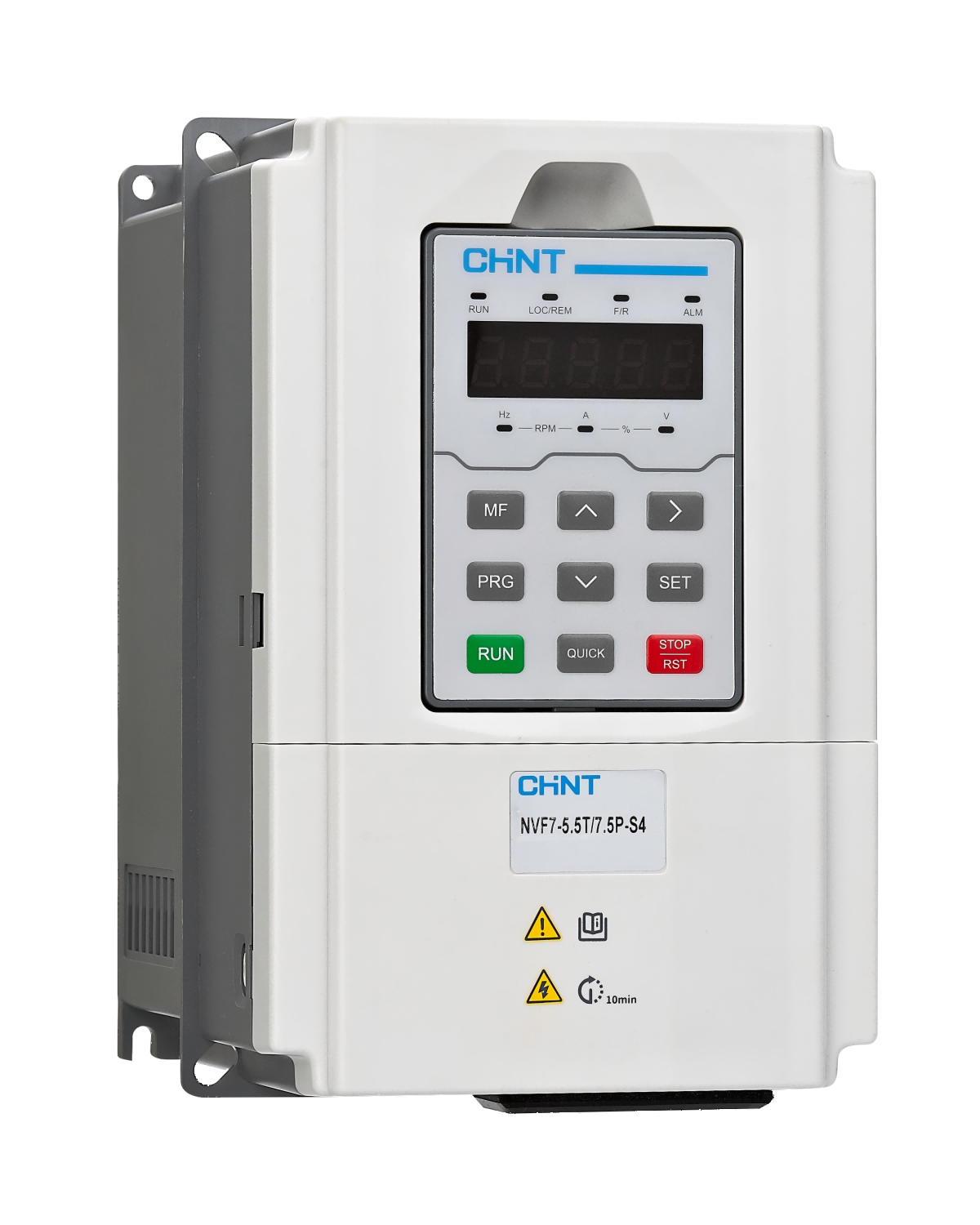
Manufacturing Standards and Testing QC for Variable Frequency Drive Controls
Reliability in variable frequency drive manufacturing is not merely a specification—it is the foundation of operational continuity for solar pumping stations and industrial automation systems. For EPC contractors and system integrators deploying equipment in harsh agricultural or remote solar environments, substandard quality control translates directly to costly site visits and production losses. Below, we detail the rigorous manufacturing protocols and quality assurance frameworks that distinguish enterprise-grade VFD controls from commodity alternatives.
Advanced PCB Protection and Environmental Hardening
The integrity of the printed circuit board assembly (PCBA) determines long-term field reliability, particularly in solar pump inverters exposed to high humidity, salinity, and temperature fluctuations. Manufacturing begins with automated optical inspection (AOI) and in-circuit testing (ICT) to eliminate soldering defects before functional validation.
Critical to agricultural and outdoor solar applications is the application of three-proof conformal coating (acrylic, silicone, or polyurethane-based) across all PCB assemblies. This process—typically applied via selective robotic spraying or dipping—creates a dielectric barrier against moisture ingress, dust accumulation, and chemical corrosion from fertilizers or pesticides. For severe environments, potting compounds encapsulate high-voltage sections to prevent partial discharge and tracking failures. Additionally, thermal interface materials (TIMs) and conformal-coated heat sinks ensure efficient heat dissipation while maintaining dielectric strength between high-voltage IGBT modules and control circuitry.
Thermal Stress Validation and Burn-In Protocols
To eliminate infant mortality and ensure semiconductor longevity, reputable manufacturers implement high-temperature aging (HTA) or burn-in testing as a standard production phase, not merely a sampling procedure. Each VFD control board undergoes thermal cycling between -40°C and +85°C (or higher, depending on application class) for 48–72 hours in environmental chambers. This process accelerates potential failures in electrolytic capacitors, solder joints, and gate driver circuits before shipment.
Dynamic thermal profiling further validates that IGBT modules, rectifier bridges, and DC bus capacitors operate within safe thermal margins during sustained full-load conditions. For solar pump applications—where drives may operate at maximum output during peak irradiance hours—thermal runaway protection and derating curves are verified against actual hardware, not just simulation data.
100% Full-Load Production Testing
Unlike consumer electronics where statistical sampling suffices, industrial VFD controls require 100% full-load testing at rated voltage and current. Each unit undergoes a multi-stage validation sequence:
- Input/Output Characterization: Verification of V/Hz curves, carrier frequency stability, and PWM waveform integrity under no-load, 50% load, 100% load, and 110% overload conditions.
- Regenerative Load Simulation: Testing braking chopper functionality and DC bus voltage clamping during deceleration cycles, critical for pump applications with high inertia.
- EMC Immunity Verification: Radiated and conducted emission testing per IEC 61800-3 to ensure drives do not interfere with SCADA systems or solar MPPT controllers.
- Protection Function Validation: Confirmation of overcurrent, overvoltage, undervoltage, phase loss, and ground fault detection circuits under simulated fault conditions.
This comprehensive load testing ensures that every unit shipped meets nameplate specifications for torque response, speed regulation accuracy (typically ±0.5% for open-loop vector control), and efficiency ratings (>95% for IE2-class systems).
International Compliance and Certification Frameworks
Manufacturing facilities must maintain ISO 9001:2015 quality management systems with documented control plans for critical-to-quality (CTQ) characteristics. For global market access, VFD controls undergo certification to:
- CE Marking: Compliance with Low Voltage Directive (LVD) 2014/35/EU and Electromagnetic Compatibility (EMC) Directive 2014/30/EU, including immunity to voltage dips and harmonic emission limits per EN 61000-6-2 and EN 61000-6-4.
- IEC 61800 Series: Specific adherence to adjustable speed electrical power drive systems standards, particularly IEC 61800-5-1 (safety requirements) and IEC 61800-3 (EMC requirements).
- Solar-Specific Standards: For photovoltaic pumping applications, compliance with IEC 62109-1 (safety of power converters used in PV systems) and IEC 61400-4 (wind turbine generator systems) where applicable.
- Environmental Certifications: RoHS 3 (2015/863/EU) and REACH compliance ensure hazardous substance restriction, while IP65/IP66 enclosure ratings are verified through dust and water jet testing.
Supply Chain Traceability and Continuous Improvement
Enterprise-grade manufacturing extends beyond assembly to component traceability and statistical process control (SPC). Each VFD carries a unique serial number linking to batch records for IGBTs, capacitors, and control ICs—enabling rapid failure analysis and field retrofitting if component-level issues emerge. Advanced manufacturers employ automated test equipment (ATE) with database logging, creating digital birth certificates for each drive that document test parameters, thermal images, and load curves.
For agricultural project managers and automation distributors, these manufacturing standards translate to measurable ROI: mean time between failures (MTBF) exceeding 50,000 hours, warranty periods extending to 24–36 months, and compatibility with predictive maintenance protocols through built-in condition monitoring sensors. When specifying VFD controls for solar pumping or industrial motor control, insist on documented evidence of 100% burn-in testing and conformal coating protocols—your operational uptime depends on it.
Step-by-Step Engineering Sizing Checklist for Variable Frequency Drive Controls
Before specifying any variable frequency drive controls, a systematic evaluation of the electromechanical ecosystem is required to prevent undersizing, which leads to premature failure, or oversizing, which reduces power factor and efficiency. The following engineering protocol ensures optimal matching between the VFD, motor, and power source—whether grid-tied or solar PV—while accounting for thermal, environmental, and control topology constraints.
Phase 1: Motor & Load Characterization
1.1 Verify Motor Nameplate Data
– Rated Power (kW/HP): Size the VFD to ≥110% of the motor’s rated current, not just the kW rating. For submersible pumps or high-starting-torque applications, utilize ≥120-130% derating.
– Full Load Amperage (FLA): Confirm the actual operating current under peak load conditions, not just nominal. High-efficiency motors (IE3/IE4) often exhibit higher inrush characteristics.
– Insulation Class & Voltage Rating: Verify the motor winding insulation is rated for the VFD’s switching frequency (carrier frequency). For long cable runs (>50m), specify motors with reinforced insulation (Class F or H) or install output reactors/du/dt filters to mitigate voltage reflection.
– Service Factor (SF): If the motor operates continuously above 1.0 SF, the VFD must be sized for the actual running amps, not the nominal plate amps.
1.2 Define the Torque Profile
– Variable Torque (VT) vs. Constant Torque (CT): Centrifugal pumps and fans (VT) allow VFD sizing based on the motor’s power rating. For conveyors, crushers, or positive displacement pumps (CT), size based on the motor’s current rating at the required breakaway torque.
– Starting Torque Requirements: Calculate the percentage of rated torque needed at start (e.g., 150% for screw pumps). Ensure the VFD can provide 150-180% overload current for 60 seconds (CT applications) or 3 seconds (heavy start).
Phase 2: Electrical System Compatibility
2.1 Input Power Analysis
– Voltage Tolerance: For grid-tied systems, verify the VFD’s input voltage range accommodates ±10% grid fluctuation (e.g., 380-480V ±10%). For weak grid conditions (rural agricultural sites), select drives with active front ends (AFE) or built-in DC chokes to mitigate voltage sags.
– Phase Configuration: Confirm single-phase vs. three-phase input compatibility. Single-phase input VFDs >3kW require significant derating (typically 50%) or must be specifically designed for single-phase to three-phase conversion.
– Short Circuit Current Rating (SCCR): Verify the VFD’s SCCR exceeds the available fault current at the installation point to ensure compliance with IEC 61439 or UL 508C.
2.2 Harmonics & Power Quality
– Calculate Total Harmonic Distortion (THDi). If THDi >5%, specify line reactors, DC link chokes, or active harmonic filters to prevent transformer overheating and utility penalties.
Phase 3: Solar Array Sizing for Pump Inverters
For solar pump VFD applications (Boray’s specialized domain), DC input sizing is critical:
3.1 Photovoltaic String Calculations
– Open Circuit Voltage (Voc): Calculate maximum Voc at lowest expected ambient temperature (using temperature coefficient α). The VFD’s maximum DC input voltage must exceed:
Voc_max = Voc_stc × [1 + (T_min – 25°C) × α] × N_series
– Maximum Power Point Voltage (Vmp): Ensure the VFD’s MPPT voltage range encompasses the array’s Vmp at highest operating temperature (typically 60-70°C module temperature):
Vmp_min = Vmp_stc × [1 + (T_max – 25°C) × β] × N_series
– Current Sizing: Size PV strings so that short-circuit current (Isc) at 1.25× safety factor does not exceed the VFD’s maximum DC input current.
3.2 Power Matching
– Array-to-Motor Ratio: Size the PV array at 1.25-1.5× the motor’s rated power to account for irradiance variability, temperature derating, and dust accumulation. For example, a 7.5kW pump motor requires a 9.5-11kWp PV array.
– DC Bus Capacitance: Verify the VFD’s internal DC bus can handle the ripple current from the PV array without excessive voltage fluctuation (>10% ripple reduces motor life).
Phase 4: Environmental & Operational Constraints
4.1 Thermal Management
– Ambient Temperature Derating: Standard VFDs operate at 40°C without derating. For installations in desert agricultural environments (50-55°C), apply a 1.5% derating per degree above 40°C or specify high-temperature variants (50°C rated).
– Altitude Correction: Above 1000m altitude, derate VFD current by 1% per 100m due to reduced air cooling capacity and dielectric strength reduction.
4.2 Enclosure & Ingress Protection
– IP Rating: Specify IP54 for dusty agricultural environments; IP65 for direct outdoor mounting without external cabinets.
– Cooling Method: Forced air vs. liquid cooling. In solar pump skids, liquid-cooled VFDs reduce maintenance in dusty conditions.
Phase 5: Control Architecture & Integration
5.1 I/O & Communication Verification
– Analog/Digital I/O: Verify sufficient 4-20mA inputs for pressure transducers (constant pressure mode) and dry contact inputs for float switches/level sensors.
– Communication Protocols: Confirm compatibility with existing SCADA (Modbus RTU/TCP, CANopen, or proprietary solar pump monitoring protocols). For agricultural IoT integration, verify RS-485 or Ethernet connectivity.
5.2 Protection Coordination
– Circuit Protection: Size input fuses or circuit breakers at 1.5-2.5× the VFD’s rated input current, with Type 2 coordination (no damage to the drive under short circuit).
– EMC Filtering: Specify Category C2 (industrial) or C3 (domestic) filters based on proximity to sensitive equipment.
Final Verification Checklist
Before procurement approval:
– [ ] Motor FLA × 1.1 ≤ VFD rated output current
– [ ] PV Voc_max (at -10°C) < VFD max DC voltage
– [ ] PV Vmp_min (at +70°C) > VFD min MPPT voltage
– [ ] Enclosure IP rating matches environmental dust/moisture exposure
– [ ] Braking resistor calculated for high-inertia loads (if deceleration time < natural mechanical stopping time)
– [ ] Cable length between VFD and motor < 100m (or output filter specified if longer)
Pro Tip for EPC Contractors: Always request the VFD manufacturer’s certificate of compliance for IEC 61800-5-1 (safety) and IEC 61800-3 (EMC) to ensure grid code compliance in target markets, particularly for solar pump installations requiring utility interconnection approval.
Wholesale Cost and Energy ROI Analysis for Variable Frequency Drive Controls
When evaluating variable frequency drive (VFD) procurement strategies, discerning buyers must look beyond unit sticker prices to understand the complete economic landscape—from volume-based wholesale structures to the compounding returns of energy optimization. For EPC contractors managing multi-site agricultural installations and industrial engineers specifying motor control solutions, the financial viability of VFD deployment hinges on three critical vectors: acquisition cost differentials between distribution channels, quantifiable energy recovery timelines, and warranty-backed total cost of ownership (TCO) projections.
Channel Economics: Wholesale vs. Direct Procurement Structures
The B2B VFD market operates on a tiered pricing architecture that rewards volume commitment and technical integration depth. Standard industrial VFDs (0.75kW–75kW range) typically exhibit a 35–45% price differential between manufacturer-direct wholesale pricing and retail distribution markups. For solar pump inverters—a specialized VFD category requiring MPPT algorithms and DC input compatibility—this spread can narrow to 25–30% due to the higher technical support burden carried by manufacturers.
Volume Threshold Analysis:
– Distributor Tier (100+ units annually): Access to OEM pricing with 12–18% margin retention for value-added services (programming, commissioning)
– EPC Contractor Direct (500+ units/project): Eligible for project-based pricing with extended payment terms (Net 60/90) and custom firmware configurations
– Agricultural Cooperative Procurement: Aggregated purchasing often unlocks tier-1 pricing without requiring single-project volume commitments
Chinese manufacturers, including specialized producers like Boray Inverter, typically offer 15–20% more competitive base pricing compared to European counterparts, while maintaining IEC/CE certification standards. This cost advantage becomes particularly pronounced in solar pumping applications, where IP65-rated outdoor units and MPPT-enabled control boards represent significant bill-of-materials savings at scale.
Energy ROI Quantification and Payback Modeling
The economic justification for VFD deployment centers on energy recovery mathematics. Field data across pumping, HVAC, and conveyor applications demonstrates that VFDs reduce motor energy consumption by 40–80% compared to direct-on-line (DOL) operation, with the majority of installations achieving 45–55% savings in variable torque applications (pumps and fans).
ROI Calculation Framework for Industrial Engineers:
For a 22kW irrigation pump operating 2,400 hours annually:
– Baseline Energy Consumption (DOL): 22kW × 2,400h × 0.85 (power factor) = 44,880 kWh/year
– VFD-Optimized Consumption: 44,880 kWh × 0.55 (45% savings) = 24,684 kWh/year
– Annual Energy Savings: 20,196 kWh
– At $0.12/kWh industrial rate: $2,423/year savings
With a wholesale acquisition cost of $1,800–$2,200 for a 22kW solar pump inverter (including MPPT functionality), the simple payback period ranges from 8.9 to 11 months, aligning with Danfoss industry benchmarks of 6–12 months for standard applications. Solar pumping installations often accelerate this timeline by eliminating grid electricity costs entirely, achieving ROI in 4–7 months when replacing diesel generator sets.
Critical Variables Affecting ROI:
– Load Profile Variability: Intermittent duty cycles (20–80% load) maximize VFD efficiency gains
– Utility Rate Structures: Time-of-use pricing amplifies savings through automated speed reduction during peak tariff periods
– Motor Efficiency Class: IE3/IE4 premium efficiency motors paired with VFDs yield 3–5% additional energy recovery compared to IE1/IE2 legacy equipment
Warranty Economics and TCO Implications
Warranty structures in VFD procurement represent a significant but often underestimated cost vector. Standard manufacturer warranties range from 18 to 36 months, with premium tiers extending to 60 months for an additional 8–12% of unit cost. For agricultural project managers deploying solar pump inverters in remote locations, warranty logistics carry particular weight:
Warranty Cost Allocation Models:
– Standard Coverage (24 months): Typically covers manufacturing defects; excludes environmental damage from dust/ingress (critical for outdoor solar pumping)
– Extended Agricultural Warranty (36–60 months): Adds coverage for capacitor degradation and fan bearing failures; recommended for installations with >40°C ambient temperatures
– Advanced Replacement Programs: 15–20% premium on unit cost ensures overnight replacement shipping—essential for mission-critical irrigation schedules
The TCO calculation must factor in failure probability curves. VFDs in solar pumping applications demonstrate a bimodal failure distribution: infant mortality (0–6 months) addressed by burn-in testing, and end-of-life capacitor degradation (years 7–10). Wholesale procurement agreements should negotiate for pre-failure replacement clauses for capacitors and cooling fans, as these components represent 60% of field failure costs but only 15% of replacement part values.
Solar Pumping Specifics: Cost-Benefit Differentiation
Solar pump inverters represent a specialized VFD subset with distinct economic parameters. While standard industrial VFDs ($150–$800/kW depending on power rating) focus on AC grid input optimization, solar pump inverters integrate DC-to-AC conversion and maximum power point tracking (MPPT), commanding a 20–25% premium over conventional drives but eliminating the cost of separate solar charge controllers and inverters.
Wholesale Pricing Tiers for Solar Pump Inverters (Ex-Works China):
– 1.5kW–5.5kW (Agricultural Residential): $180–$420/unit at 100+ MOQ
– 7.5kW–22kW (Commercial Irrigation): $650–$1,800/unit with volume discounts plateauing at 50+ units
– 30kW+ (Utility-Scale): Project-specific pricing below $45/kW for 500kW+ aggregate orders
The energy ROI for solar pumping diverges from grid-connected VFDs by eliminating ongoing electricity costs entirely. When analyzing against diesel pump alternatives, the combination of VFD efficiency (optimizing pump curves to match solar irradiance) and zero fuel costs typically delivers 18–24 month payback periods for systems between 5kW–15kW, even when including solar panel array costs.
Strategic Procurement Recommendations
For automation distributors and EPC contractors optimizing VFD procurement:
- Consolidate Specifications: Standardize on IP65-rated units for outdoor agricultural applications to avoid the 30% cost premium of retrofitting NEMA 1/12 enclosures later
- Negotiate Firmware Customization: At wholesale volumes (>200 units), manufacturers like Boray Inverter provide complimentary PID control algorithm optimization for specific pump curves, eliminating the need for external PLCs
- Energy Performance Guarantees: Structure contracts with 12-month energy savings verification clauses; reputable manufacturers will underwrite 40% minimum savings guarantees for variable torque applications
- Regional Warranty Logistics: For African and Southeast Asian markets, negotiate local service center partnerships as part of wholesale agreements to minimize downtime costs that can exceed $200/day in lost agricultural productivity
The convergence of declining semiconductor costs and rising energy prices has compressed VFD payback periods to historic lows. For B2B buyers operating in the solar pumping and industrial motor control sectors, leveraging wholesale procurement structures while rigorously modeling application-specific energy recovery yields the optimal intersection of capital efficiency and operational performance.
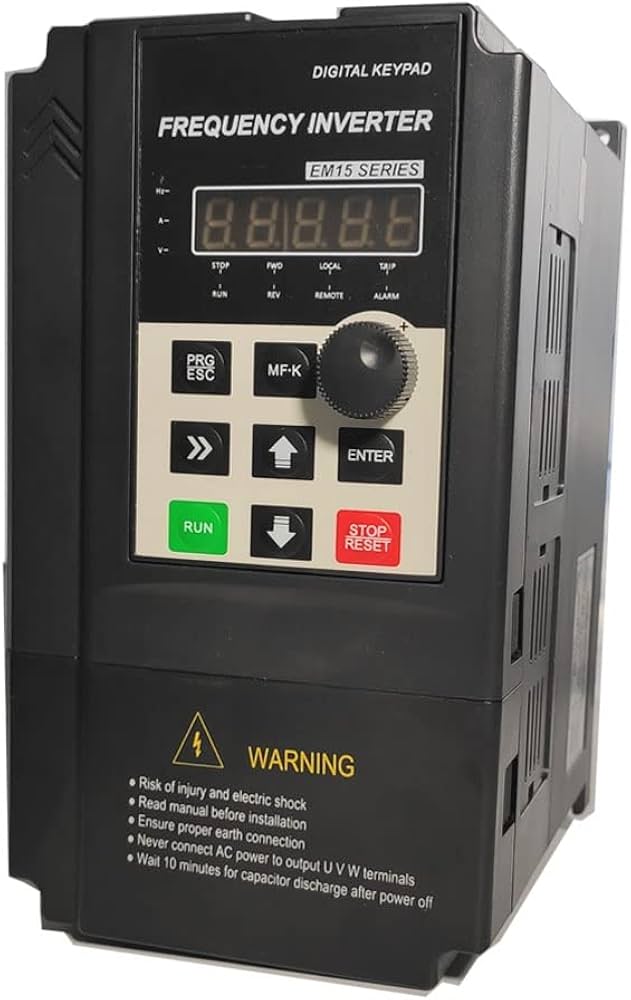
Alternatives Comparison: Is Variable Frequency Drive Controls the Best Choice?
Selecting the optimal motor control architecture requires balancing initial capital expenditure against long-term operational efficiency, particularly in variable-torque applications common to agricultural irrigation and industrial fluid handling. While Variable Frequency Drive (VFD) controls have become the gold standard for energy-efficient motor management, alternative technologies—ranging from electromechanical soft starters to direct grid-tied solar pumping systems—may present viable pathways depending on specific load profiles, grid availability, and Total Cost of Ownership (TCO) targets.
VFD vs. Traditional Starting Methods: Beyond Inrush Current
The primary alternatives to VFD control in fixed-speed applications are Direct-On-Line (DOL) starters and solid-state soft starters. Understanding their operational limitations clarifies where VFD technology delivers uncompromising value.
Direct-On-Line (DOL) Starting represents the baseline method, applying full voltage immediately to the motor. While the lowest cost option (CAPEX), DOL subjects equipment to 6-8 times full-load current (FLA) inrush and 100% mechanical shock loading. This accelerates wear on couplings, bearings, and impellers, and imposes severe penalties on power quality through voltage dips. DOL is only economically defensible for small, non-critical motors under 5kW with constant load demands.
Soft Starters mitigate mechanical and electrical stress by ramping voltage during startup, reducing inrush current to 3-4x FLA. However, once the motor reaches nominal speed, the soft starter bypasses to full voltage, offering zero operational energy savings and no speed regulation capability. For centrifugal pumps or fans where flow requirements fluctuate, soft starters merely delay mechanical failure without addressing the energy waste inherent in throttling or damper control.
VFD Controls eliminate the inrush problem entirely (limiting current to <1.5x FLA) while providing continuous variable speed operation. By applying the Affinity Laws—where power consumption drops by the cube of the speed reduction—a 20% reduction in pump speed yields approximately 50% energy savings. This operational efficiency, combined with power factor correction near unity, typically delivers ROI within 6-18 months for systems running >2,000 hours annually.
Mechanical vs. Electronic Flow Control
In legacy systems, flow control is often achieved through mechanical throttling (valves, dampers, or recirculation). This method maintains the motor at full speed while artificially restricting output, converting excess energy into heat and noise. Comparative analysis shows that throttling a centrifugal pump to 80% flow consumes roughly 90% of full-load power, whereas a VFD reducing speed to 80% consumes only 51% of full-load power—a paradigm that makes mechanical control economically obsolete for new installations.
Solar-Powered VFD Systems vs. Grid-Dependent Infrastructure
For agricultural and remote industrial applications, the decision matrix expands to include power source architecture. Boray Inverter’s solar pump VFDs introduce a distinct alternative to conventional grid-powered systems:
Grid-Tied VFD Systems offer consistent availability and high starting torque but incur ongoing electricity costs and vulnerability to grid instability. They require AC infrastructure, transformers, and often demand charges that inflate OPEX.
Solar VFD (DC-to-AC) Systems eliminate grid dependency by directly coupling photovoltaic arrays to the inverter’s DC bus, utilizing Maximum Power Point Tracking (MPPT) to optimize solar harvest. While initial investment includes PV panels, the elimination of grid extension costs (often $10,000–$50,000 per kilometer in remote terrain) and zero fuel costs create compelling economics for off-grid irrigation. Modern solar VFDs, such as Boray’s specialized pump drives, incorporate dry-run protection, water level monitoring, and automatic MPPT adjustment—features unavailable in standard grid-tied alternatives.
Hybrid Configurations (Solar/Grid/Generator) represent a third path, where VFDs with dual-input capability prioritize solar energy while maintaining grid backup for cloudy periods. This maximizes renewable penetration while ensuring 100% operational uptime.
Motor Technology Synergy: PMSM vs. Induction Motors with VFD Control
The efficacy of VFD control is further influenced by motor topology:
Standard Induction Motors (IM) paired with VFDs using V/Hz control offer robust, cost-effective solutions for general-purpose pumping. However, they operate with slip losses and typically achieve IE3 efficiency classes.
Permanent Magnet Synchronous Motors (PMSM) require VFDs with advanced vector control (FOC—Field Oriented Control) but deliver IE5 efficiency levels and maintain constant torque across the entire speed range. For solar pumping, PMSM-VFD combinations extract maximum energy from limited PV capacity, achieving 15-20% higher system efficiency than IM-based systems. The trade-off involves higher motor cost and the requirement for precise parameter tuning during commissioning.
Comparative Analysis Matrix
| Control Method | Speed Regulation | Energy Efficiency | Starting Current | Initial Investment | Maintenance Complexity | Optimal Application |
|---|---|---|---|---|---|---|
| DOL Starter | Fixed (100%) | Baseline (Low) | 6-8x FLA | Very Low ($) | Minimal | Small, constant-load fans/pumps |
| Soft Starter | Fixed (100%) | Baseline (Low) | 3-4x FLA | Low ($$) | Low | High-inertia crushers, conveyors (fixed speed) |
| VFD (Grid) | 0-100% Continuous | High (40-60% savings) | <1.5x FLA | Medium ($$$) | Medium | HVAC, process control, variable flow |
| VFD + Solar | 0-100% (Sun-dependent) | Very High (Zero grid cost) | Soft-start inherent | Medium-High ($$$) | Medium | Remote irrigation, livestock watering |
| Mechanical Throttling | 20-100% (Inefficient) | Very Poor | N/A | Low | High (valve wear) | Legacy retrofit only (not recommended new) |
Motor Technology Comparison with VFD Control:
| Motor Type | Efficiency Class | VFD Control Mode | Power Density | Cost Premium | Best Paired With |
|---|---|---|---|---|---|
| Standard IM (IE3) | IE3 | V/Hz or Vector | Standard | Baseline | General grid-tied pumps |
| Premium IM (IE4) | IE4 | Vector Control | Standard | +15-20% | High-duty industrial cycles |
| PMSM (IE5) | IE5 | Sensorless Vector/FOC | High (+30% torque/volume) | +30-40% | Solar pumping, battery-coupled systems |
Decision Framework: When VFD Controls Are Non-Negotiable
VFD technology becomes the unequivocal best choice under the following conditions:
- Variable Load Profiles: Any application where flow or pressure demands fluctuate seasonally or diurnally (e.g., agricultural irrigation, building pressurization).
- Energy Recovery Mandates: Facilities targeting Scope 2 emissions reductions or operating with carbon pricing mechanisms.
- Power Quality Constraints: Weak grid infrastructure where DOL starting causes voltage sags affecting sensitive equipment.
- Off-Grid Necessity: Remote locations where grid extension costs exceed the premium for solar VFD systems.
Conversely, soft starters suffice for high-inertia, fixed-speed applications (large rock crushers) where the primary concern is mechanical stress, not energy savings. DOL should be reserved for emergency bypass circuits or motors under 3kW with intermittent duty cycles.
For EPC contractors and automation distributors specifying systems today, the convergence of VFD affordability, advanced MPPT solar algorithms, and IE5 motor compatibility has shifted the industry standard. While alternatives exist for niche applications, VFD controls—particularly solar-integrated solutions—deliver the optimal intersection of operational flexibility, energy economics, and predictive maintenance capabilities demanded by modern industrial and agricultural automation.
Core Technical Specifications and Control Terms for Variable Frequency Drive Controls
When specifying Variable Frequency Drive (VFD) solutions for industrial automation or solar-powered pumping infrastructure, engineers and procurement managers must navigate a dual landscape of precise technical parameters and international commercial frameworks. Understanding these specifications ensures optimal motor performance, system longevity, and seamless cross-border logistics.
Critical Technical Specifications for Motor Control
Maximum Power Point Tracking (MPPT)
In solar pumping applications, MPPT algorithms function as the photovoltaic array’s efficiency optimizer. Unlike standard VFDs that accept stable grid input, solar pump inverters utilize dynamic MPPT to continuously adjust the operating voltage and current draw from PV panels, ensuring extraction of maximum available power despite fluctuating irradiance conditions. Advanced implementations employ Perturb and Observe (P&O) or Incremental Conductance methods with tracking efficiencies exceeding 99%, maintaining optimal performance even during partial shading or temperature variations. For agricultural projects, this translates to extended daily pumping hours and consistent water delivery during low-light morning and evening periods.
Vector Control (Field-Oriented Control)
For high-torque applications such as deep-well submersible pumps or industrial conveyors, sensorless vector control (SVC) or flux vector control provides dynamic torque response and precise speed regulation. This method decouples the motor’s magnetic flux and torque components, enabling:
– Starting torque up to 150-200% of rated capacity at 0.5 Hz
– Speed accuracy within ±0.5% of rated speed without encoder feedback
– Rapid load disturbance rejection critical for multi-pump cascade systems
In contrast, traditional V/f (Volts-per-Hertz) scalar control suffices for variable torque applications like HVAC fans or centrifugal pumps where precise speed holding is less critical than cost efficiency.
PID Process Control Integration
Modern VFDs incorporate embedded PID controllers that eliminate external PLC requirements for closed-loop processes. In water supply systems, the drive receives 4-20mA or 0-10V feedback signals from pressure transducers or flow meters, automatically adjusting motor speed to maintain setpoints. This functionality proves essential for:
– Constant pressure water supply systems in building automation
– Irrigation networks requiring precise flow distribution
– Pressure boosting stations in municipal water treatment
Electrical Interface Specifications
– Input Voltage Tolerance: Industrial VFDs typically accommodate ±15-20% voltage fluctuation, while solar pump inverters operate across wide DC input ranges (e.g., 200VDC-800VDC) to match varying PV array configurations
– Switching Frequency: IGBT carrier frequencies adjustable between 2-16 kHz, balancing acoustic noise reduction (critical for agricultural installations near residential areas) against thermal management
– Overload Capacity: 150% rated current for 60 seconds (standard duty) or 200% for high-torque starting of positive displacement pumps
– Protection Ratings: IP20 for controlled electrical environments; IP54/IP65 for outdoor agricultural or dusty industrial deployments
Communication Protocols
Standard RS485 Modbus RTU interfaces enable integration with SCADA systems and remote monitoring platforms. Advanced units support CANopen for synchronized multi-drive operations in complex material handling systems or Profinet/Ethernet IP for Industry 4.0 connectivity.
Essential International Trade Terms (Incoterms)
For EPC contractors and distributors sourcing VFDs and solar pump controllers from international manufacturers, precise Incoterms definition prevents logistical ambiguities and cost overruns:
FOB (Free On Board)
Under FOB terms, the manufacturer bears responsibility for delivering goods to the port of shipment and loading them onto the vessel. Risk transfers to the buyer once cargo passes the ship’s rail. This arrangement suits buyers with established freight forwarding relationships, allowing control over ocean freight and insurance negotiations while minimizing supplier-side markup on logistics.
CIF (Cost, Insurance, and Freight)
CIF places maximum obligation on the supplier, covering costs to the destination port including marine insurance. While convenient for project managers unfamiliar with international shipping, buyers should verify that insurance coverage aligns with equipment replacement values, as standard CIF policies may offer limited recourse for sophisticated electronic drives.
EXW (Ex Works)
The minimum obligation arrangement where the buyer assumes all transportation costs and risks from the factory floor. Suitable only for buyers with robust import infrastructure and customs brokerage capabilities in the country of origin.
DDP (Delivered Duty Paid)
Represents the supplier’s maximum obligation, delivering customs-cleared goods to the buyer’s specified location. Critical for agricultural projects in remote regions where local customs clearance complexity could delay commissioning schedules.
Commercial Considerations
– MOQ (Minimum Order Quantity): Manufacturers typically require 1-10 units for standard VFDs, with customized solar pump inverters often necessitating 50-100 unit commitments for OEM branding or specialized voltage configurations
– Lead Times: Standard industrial drives ship within 5-15 working days; specialized solar pump inverters with MPPT optimization may require 20-30 days for production and testing
– Warranty Framework: Industry-standard 18-24 month warranties cover manufacturing defects, with extended service agreements available for critical infrastructure projects
– Certification Compliance: Verify CE marking (EU), UL/cUL (North America), or IEC 61800 compliance for electrical safety and electromagnetic compatibility, essential for grid-connected installations and municipal tender compliance
Understanding these technical and commercial parameters enables precise specification writing, accurate total cost of ownership calculations, and risk mitigation in global supply chain management for motor control and renewable energy pumping systems.
Future Trends in the Variable Frequency Drive Controls Sector
The variable frequency drive (VFD) sector is undergoing a paradigm shift from standalone motor control devices to intelligent, interconnected energy management hubs. As industrial electrification accelerates and renewable penetration deepens, next-generation VFD architectures are evolving to address three critical vectors: decentralized automation intelligence, seamless renewable integration, and predictive operational analytics. For stakeholders across industrial engineering, agricultural infrastructure, and EPC project development, understanding these trajectories is essential for specifying future-proof motor control solutions.
Decentralized Automation and Edge Intelligence
The traditional centralized PLC-VFD topology is giving way to edge-enabled drive architectures that embed advanced process control directly at the motor level. Modern VFD platforms are increasingly incorporating onboard programmable logic capabilities, enabling distributed control strategies that reduce latency and wiring complexity in large-scale pumping stations and manufacturing lines.
Particularly significant is the migration toward sensorless vector control and permanent magnet synchronous motor (PMSM) algorithms. These advanced control methodologies eliminate the need for external encoders while delivering precise torque control—critical for solar pumping applications where motor efficiency directly correlates with water output per watt of PV generation. Leading manufacturers are now integrating AI-driven auto-tuning functions that continuously optimize switching patterns based on load characteristics, reducing harmonic distortion and extending motor bearing life by up to 40% compared to conventional V/Hz control methods.
Renewable Integration and Hybrid Energy Architectures
The convergence of solar PV technology with motor control systems represents the most disruptive trend in agricultural and industrial automation. Next-generation solar pump inverters are transitioning from simple AC-output devices to sophisticated hybrid energy managers capable of DC-coupled operation. These systems can directly interface with high-voltage PV arrays (up to 1500V DC) and battery energy storage systems (BESS), creating unified power conversion platforms that eliminate the inefficiencies of multiple conversion stages.
For EPC contractors and agricultural project managers, this evolution enables solar-diesel hybrid pumping systems that intelligently blend grid/fossil fuel power with renewable sources. Advanced maximum power point tracking (MPPT) algorithms now operate with response times under 100 milliseconds, ensuring optimal PV energy harvest even under rapidly fluctuating irradiance conditions—essential for maintaining constant pressure in drip irrigation networks. Furthermore, bidirectional VFD topologies are emerging that allow motor inertia to regenerate power back to the DC bus or grid, transforming pumps and fans into temporary energy storage assets during deceleration phases.
Industrial IoT and Predictive Maintenance Ecosystems
The proliferation of Industry 4.0 architectures has elevated the VFD from a power conversion device to a data acquisition node. Modern drives now feature embedded IoT gateways supporting MQTT and OPC UA protocols, enabling seamless integration with SCADA and cloud-based asset management platforms. For distributed agricultural operations, this connectivity allows project managers to monitor pump performance, vibration signatures, and energy consumption across hundreds of sites from centralized control centers.
Predictive maintenance algorithms represent the frontier of this innovation. By analyzing thermal patterns, current signatures, and bearing frequency spectra in real-time, AI-enabled VFDs can detect cavitation in pumps, misalignment in conveyors, or filter clogging in HVAC systems weeks before catastrophic failure. Digital twin integration—where physical drive parameters mirror virtual simulations—enables scenario modeling for irrigation scheduling and process optimization without disrupting live operations.
Cybersecurity has become paramount as VFDs gain network connectivity. Next-generation control platforms incorporate encrypted communication channels, secure boot protocols, and role-based access controls (RBAC) to protect critical infrastructure from emerging threats in operational technology (OT) networks.
Wide Bandgap Semiconductors and Efficiency Standards
Underlying these functional advancements is a materials revolution in power electronics. The adoption of Silicon Carbide (SiC) and Gallium Nitride (GaN) semiconductors is enabling VFDs to operate at higher switching frequencies with significantly reduced switching losses. For solar pumping applications, this translates to smaller filter components, quieter operation, and system efficiencies exceeding 98%—crucial for maximizing water extraction during limited daylight hours.
Regulatory frameworks are simultaneously tightening, with IEC 61800-9-2 efficiency standards now mandating comprehensive power loss measurements across operating profiles. Future VFD specifications will increasingly emphasize partial load efficiency—the reality of most pumping and fan applications—rather than nominal point efficiency, driving innovation in adaptive flux reduction and synchronous bypass technologies.
Strategic Implications for Stakeholders
For automation distributors and system integrators, these trends necessitate a shift from component sales to solution architecture. The VFD is becoming the central nervous system of electromechanical systems, requiring expertise in PV integration, network security, and data analytics. Agricultural project managers must specify drives with native DC input capabilities and IP66 environmental ratings to withstand harsh field conditions while maintaining cloud connectivity. Industrial engineers should prioritize platforms offering open APIs and modular software architectures that allow customization without hardware obsolescence.
As electrification and decarbonization imperatives reshape global industry, the VFD sector is positioned at the intersection of mechanical automation and renewable energy management. Organizations that specify intelligent, connected, and solar-ready drive solutions today will capture operational resilience and energy independence advantages that define competitive industrial infrastructure tomorrow.
Top 3 Variable Frequency Drive Controls Manufacturers & Suppliers List
Best Variable Frequency Drive Brands Manufacturers and Suppliers …
Website: thefrequencyinverters.com
SHENZHEN K-EASY AUTOMATION CO., LTD. (K-Drive brand) manufactures: **Solar Pump Inverters**: SP600 series for photovoltaic applications. **Variable Frequency Drives**: KD600E (elevator/lift specific), KD100 Series (mini vector), KD700 Series (book-type high-performance vector), KD600M (high-performance vector), KD600 Series (standard vector), KD600/IP65 (IP54/IP65 waterproof rated), and CF600 Seri…

Analysis of the Top 25 Variable Frequency Drive (VFD) Companies …
Website: finance.yahoo.com
No product details regarding solar inverters, VFDs, or industrial automation could be extracted from the provided text. The content appears to be a Yahoo error page (‘Oops, something went wrong’) containing only navigation menus and links to various Yahoo sections (News, Health, Shopping, etc.) without any substantive article content about variable frequency drives or related industrial equipment.

26 Leading Variable Frequency Drive Companies Shaping the …
Website: researchandmarkets.com
The analyzed text details Variable Frequency Drive (VFD) product portfolios from 26 leading manufacturers, highlighting advanced digital integration with industrial IoT platforms (ABB, Rockwell Automation), predictive maintenance capabilities, and cloud-based energy analytics (Danfoss). Key product innovations include regenerative braking functionality, bidirectional energy flow support for renewa…
B2B Engineering FAQs About Variable Frequency Drive Controls
-
What is the difference between V/f (Volts/Hertz) control, sensorless vector control, and flux vector control in VFD applications, and when should each be used?
- V/f Control: This is the simplest method, maintaining a constant ratio between voltage and frequency to provide constant motor torque. It is cost-effective and sufficient for variable torque applications such as centrifugal pumps and HVAC fans where high starting torque or precise speed control at low RPM is not required. However, it offers poor speed regulation under load variations (typically ±2-3% slip).
- Sensorless Vector Control (Open Loop): By modeling motor characteristics and adjusting output voltage/current based on load, this method provides accurate torque control and speed regulation (±0.5%) without requiring an encoder. It is ideal for agricultural irrigation systems with fluctuating water levels or conveyors requiring high starting torque.
- Flux Vector Control (Closed Loop): Utilizing encoder feedback, this provides the highest precision (±0.01% speed accuracy) and full torque at zero speed. It is necessary for positioning applications, hoists, and high-performance industrial automation where dynamic response is critical.
-
How do solar pump inverters manage varying DC input voltage from PV arrays while maintaining stable motor torque and flow rates?
Solar pump VFDs utilize Maximum Power Point Tracking (MPPT) algorithms to continuously adjust the DC bus voltage to extract maximum power from PV panels despite changing irradiance. Advanced topologies employ Boost/Buck conversion stages to maintain a stable DC bus even when panel voltage drops below the motor’s AC voltage requirements. Critical control features include:- Dry-Run Protection: Detecting underload conditions to shut down the pump when the water source is depleted.
- Soft Start: Ramping motor speed gradually to avoid mechanical stress and high inrush currents that could destabilize the DC bus.
- Sleep/Wake Functionality: Automatically stopping the motor when sunlight is insufficient and restarting when irradiance returns, protecting the system from erratic low-power operation.
-
What are the key considerations for harmonic mitigation when deploying multiple VFDs in an industrial facility?
Variable frequency drives are non-linear loads that generate harmonic currents (primarily 5th, 7th, 11th, and 13th orders), which can cause transformer overheating, neutral conductor overloading, and PLC malfunction. Mitigation strategies include:- Line Reactors/DC Chokes: Adding 3-5% impedance line reactors or DC link chokes is the most cost-effective method to reduce THDi (Total Harmonic Current Distortion) by 30-50%.
- Active Front End (AFE) Drives: For high-power applications or strict IEEE 519 / G5/4 compliance, AFE drives use IGBT-based rectifiers to achieve <5% THDi and enable regenerative energy return to the grid.
- Multi-Pulse Configurations: Using 12-pulse or 18-pulse transformers for large drives (>250kW) to cancel specific harmonic orders through phase shifting.
-
How does regenerative braking function in VFD systems, and when is dynamic braking vs. line regeneration the appropriate choice?
- Dynamic Braking (DB): Excess kinetic energy from decelerating loads is dissipated as heat through an external braking resistor connected to the DC bus. This is suitable for occasional braking cycles (e.g., emergency stops) or applications where the cost of energy recovery cannot be justified. DB resistors require thermal management calculations based on duty cycle and braking torque.
- Line Regeneration (Active Front End): Instead of dissipating heat, the VFD returns excess energy to the AC supply line. This is essential for continuous regeneration applications such as downhill conveyors, crane hoists, and centrifuges, where energy payback typically justifies the higher initial investment within 12-18 months.
-
Which communication protocols are essential for integrating VFDs into SCADA and Building Management Systems (BMS)?
Modern VFDs must support industrial Ethernet and fieldbus protocols for centralized monitoring and control:- Modbus RTU/ASCII: The universal standard for basic parameter setting and monitoring via RS-485, essential for solar pumping stations using GPRS/4G remote monitoring.
- Modbus TCP/IP & Ethernet/IP: Required for integration with Allen-Bradley and Schneider PLCs in factory automation.
- CANopen: Common in mobile equipment and agricultural machinery.
- BACnet: Critical for HVAC applications in Building Management Systems.
- Profinet/Profibus: Standard in European industrial automation and process control.
Ensure the VFD supports embedded web servers or MQTT for IIoT (Industrial Internet of Things) cloud connectivity in modern EPC projects.
-
What derating factors must be applied when installing VFDs in high-altitude, high-temperature, or solar-powered environments?
Environmental conditions significantly impact VFD thermal performance and current capacity:- Altitude Derating: Above 1,000 meters (3,300 ft), air density decreases, reducing cooling efficiency. Standard drives require 1% current derating per 100m above 1,000m, or forced ventilation/AC pressurization for installations above 3,000m.
- Temperature Derating: If ambient temperature exceeds 40°C (104°F) or 50°C (depending on manufacturer), output current must typically be derated by 2-3% per degree Celsius, or the switching frequency reduced to lower IGBT switching losses.
- Solar Exposure: Direct solar radiation on outdoor enclosures can increase internal temperatures by 15-20°C. IP54 or IP65-rated enclosures with UV-resistant coatings and sun shields are mandatory for solar pumping installations to prevent overheating and LCD screen damage.
-
How do modern VFDs optimize energy consumption beyond basic speed control, particularly in pump and fan applications?
Beyond the Affinity Laws (where power varies with the cube of speed), advanced VFDs employ:- Automatic Energy Optimization (AEO): Continuously adjusting the voltage-to-flux ratio to minimize motor iron losses during partial loads, typically saving an additional 5-10% energy.
- PID Control with Sleep Function: Maintaining constant pressure/flow by modulating speed, then entering “sleep mode” when demand drops below minimum flow thresholds, eliminating idle energy consumption.
- Multi-Pump Control: Cascading control of multiple pumps via a single VFD or coordinated drive systems, ensuring pumps operate at their Best Efficiency Point (BEP) rather than running one pump at full speed and throttling others.
- Flow Curve Compensation: Automatically adjusting pressure setpoints based on system requirements (e.g., reducing pressure during off-peak hours in water distribution networks).
-
What are the critical parameters for sizing a VFD for submersible pump applications versus standard surface-mounted motors?
Submersible pumps present unique challenges requiring specific VFD selection criteria:- Voltage Drop Compensation: Long submersible cables (often 100m+) cause significant voltage drops. The VFD must have automatic voltage boost (AVR) or manual torque boost settings to maintain starting torque at the motor terminals.
- Insulation Stress: PWM waveforms from VFDs create voltage spikes (dv/dt) that can damage motor winding insulation. For submersible motors, specify VFDs with output reactors or sine wave filters, or ensure the motor has inverter-duty insulation (Class F or H with phase-to-phase insulation rated for 1,600V).
- Bearing Currents: In submersible applications, shaft currents can cause premature bearing failure. Use VFDs with Common Mode Chokes or specify motors with insulated bearings/ceramic bearings.
- Cooling Medium: Unlike surface motors cooled by air, submersible motors rely on water flow. The VFD must include minimum speed clamps to ensure adequate cooling flow at all operating points, preventing thermal damage during low-flow conditions.
Disclaimer
⚠️ Important Disclaimer
The information provided in this guide is for educational purposes. Industrial applications and electrical engineering projects carry inherent risks. B2B buyers and contractors must conduct thorough technical due diligence and verify regional compliance before installation or procurement.
Conclusion: Partnering with Boray Inverter for Variable Frequency Drive Controls
As global industries pivot toward energy-efficient operations and sustainable agricultural practices, the implementation of sophisticated variable frequency drive controls has transitioned from optional enhancement to critical infrastructure requirement. The technical methodologies explored—from scalar V/f control to advanced sensorless vector control strategies—demonstrate that precise motor management is fundamental to reducing energy consumption by up to 40-80%, extending equipment lifecycle, and achieving operational excellence across diverse applications, from solar-powered irrigation systems to complex industrial automation networks.
For organizations seeking to capitalize on these technological advantages, selecting the right manufacturing partner is paramount. Shenzhen Boray Technology Co., Ltd. (borayinverter.com) stands at the forefront of innovation as a specialized manufacturer of Solar Pumping and Motor Control Solutions based in China. With an R&D team comprising 50% of its workforce, Boray Inverter has mastered advanced Permanent Magnet Synchronous Motor (PMSM) and Induction Motor (IM) vector control technologies, delivering VFD solutions that optimize performance across the most demanding agricultural and industrial environments.
Boray’s commitment to manufacturing excellence is evidenced by its two state-of-the-art production lines and rigorous 100% full-load testing protocols, ensuring every unit meets stringent international quality standards before deployment. This dedication has established Boray Inverter as a trusted global presence, powering critical irrigation infrastructure and automation systems for EPC contractors, agricultural project managers, and industrial engineers worldwide.
Whether you are designing large-scale solar pumping stations, optimizing manufacturing processes, or sourcing reliable motor control solutions for distribution, Boray Inverter offers customized VFD solutions tailored to your specific technical requirements. Contact the Boray team today to discuss your project specifications, explore advanced PMSM control options, and request competitive wholesale quotes—ensuring your next installation benefits from cutting-edge vector control technology backed by comprehensive Chinese manufacturing expertise and dedicated engineering support.