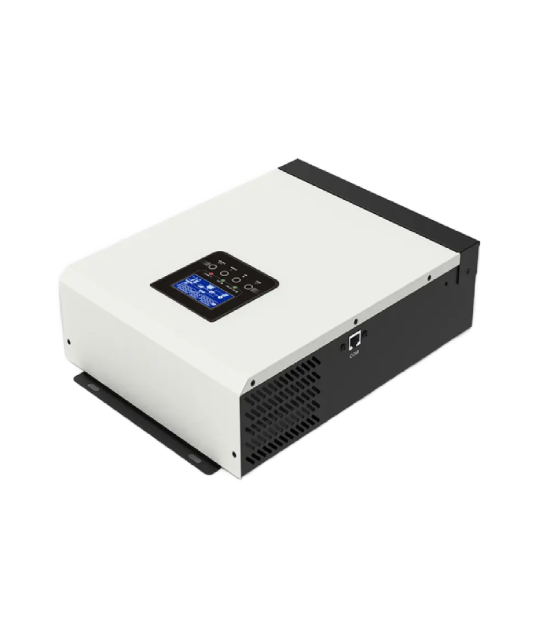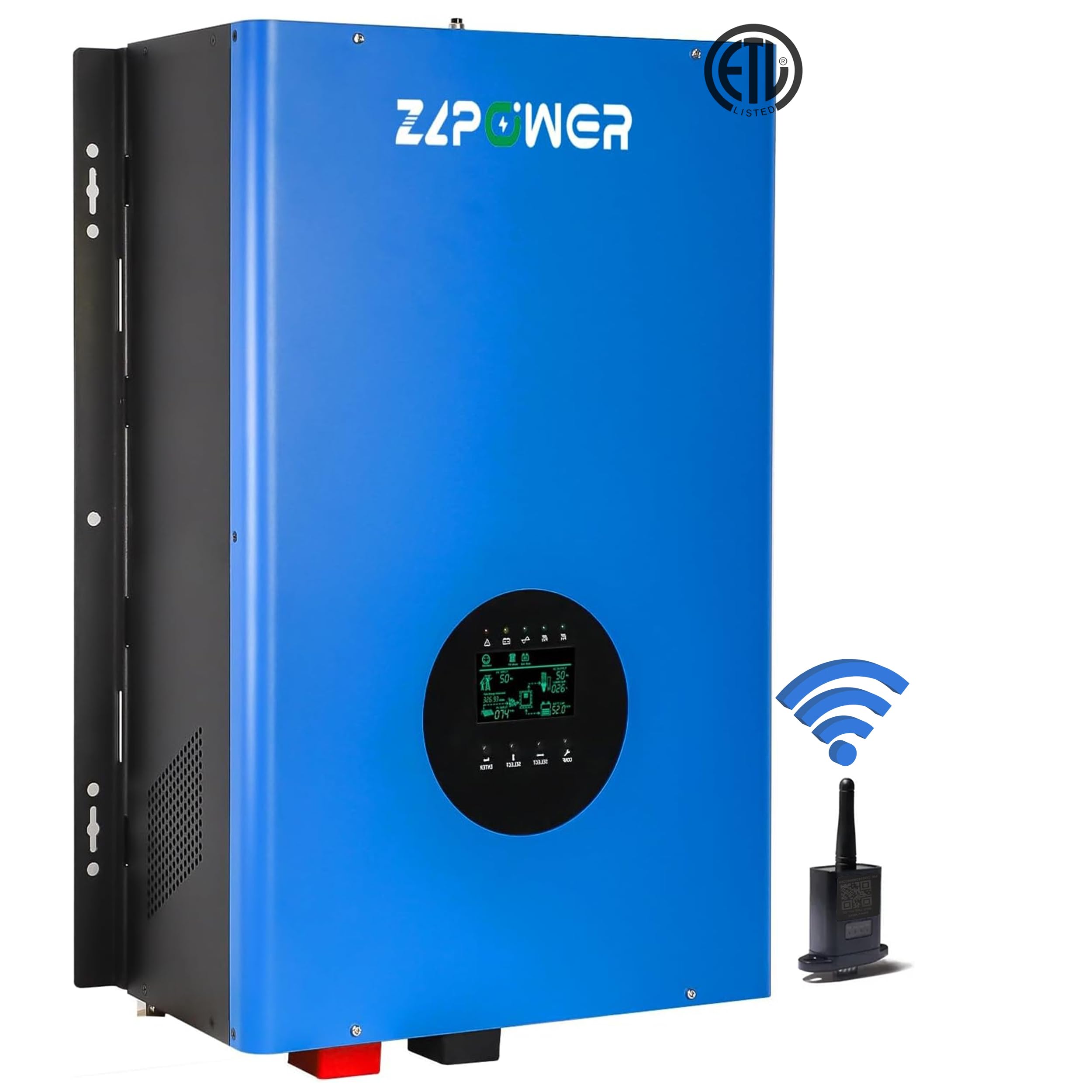
Introduction: Sourcing Hybrid Inverters Solar for Industrial Use
As industrial facilities face escalating grid instability and energy costs, the convergence of solar generation, battery storage, and intelligent power management has become critical for operational continuity. Hybrid solar inverters—integrating PV conversion, battery management, and grid-interactive functionality into unified platforms—are emerging as the backbone of resilient industrial power architectures. Unlike standard grid-tie inverters, these systems enable seamless switching between solar, battery, and utility power while providing the voltage stability and harmonic control essential for sensitive motor loads and pumping applications.
For EPC contractors and automation distributors, sourcing the right hybrid inverter extends beyond basic wattage ratings. Industrial applications demand equipment that interfaces flawlessly with Variable Frequency Drives (VFDs), supports high inrush currents from irrigation pumps, and maintains power quality during transient load changes. This guide examines the engineering distinctions between inverter/charger hybrids, integrated solar charge controllers, and grid-tie hybrid systems specifically rated for heavy-duty industrial environments.
We will analyze critical specifications including DC input voltage ranges compatible with large-scale solar arrays, surge capacity for motor starting, and communication protocols for SCADA integration. Additionally, we evaluate manufacturer capabilities—from component-grade sourcing to IP ratings for harsh agricultural or factory conditions—providing procurement frameworks that align with long-term O&M strategies. Whether designing off-grid solar pumping stations or hybrid microgrids for manufacturing facilities, this resource equips technical decision-makers with the specifications and supplier assessment criteria necessary for robust power system integration.
Article Navigation
- Top 2 Hybrid Inverters Solar Manufacturers & Suppliers List
- Introduction: Sourcing Hybrid Inverters Solar for Industrial Use
- Technical Types and Variations of Hybrid Inverters Solar
- Key Industrial Applications for Hybrid Inverters Solar
- Top 3 Engineering Pain Points for Hybrid Inverters Solar
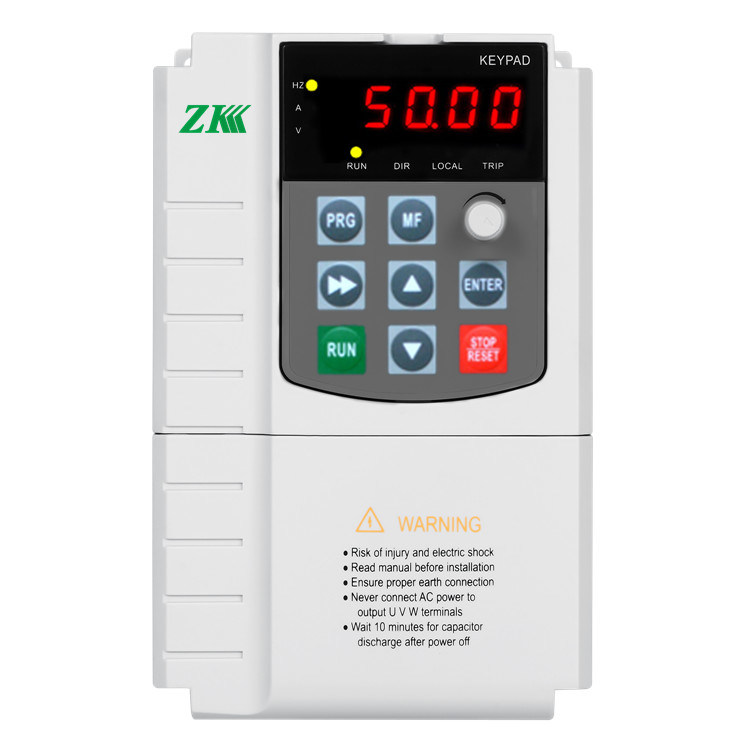
- Component and Hardware Analysis for Hybrid Inverters Solar
- Manufacturing Standards and Testing QC for Hybrid Inverters Solar
- Step-by-Step Engineering Sizing Checklist for Hybrid Inverters Solar
- Wholesale Cost and Energy ROI Analysis for Hybrid Inverters Solar
- Alternatives Comparison: Is Hybrid Inverters Solar the Best Choice?
- Core Technical Specifications and Control Terms for Hybrid Inverters Solar
- Future Trends in the Hybrid Inverters Solar Sector
- B2B Engineering FAQs About Hybrid Inverters Solar
- Disclaimer
- Conclusion: Partnering with Boray Inverter for Hybrid Inverters Solar
Technical Types and Variations of Hybrid Inverters Solar
Hybrid solar inverters vary significantly in their electrical architecture, phase configuration, and integration capabilities with motor control systems. For industrial pumping applications and automation projects, the selection criteria extend beyond basic power ratings to include surge capacity for motor starting, compatibility with Variable Frequency Drives (VFDs), and DC bus voltage stability. Below are the primary technical classifications relevant to electrical engineering and agricultural automation deployments.
| Type | Technical Features | Best for (Industry) | Pros & Cons |
|---|---|---|---|
| Three-Phase AC-Coupled Industrial Hybrid Inverter | • 380V/400V/480V 3-phase output with grid-forming capability • Bidirectional AC battery coupling • Active power factor correction (>0.99) • Surge capacity: 200-300% rated power for 10s • Isolated transformer design for VFD compatibility |
Large-scale agricultural irrigation, industrial process water systems, wastewater treatment plants | Pros: Integrates with existing VFD infrastructure; handles high inrush currents from submersible pumps; scalable to 500kW+; supports mixed battery chemistries Cons: AC coupling introduces 2-3% conversion losses during battery charge/discharge; requires precise phase synchronization with grid; higher component count increases failure points |
| DC-Coupled Solar Pump Hybrid Inverter (MPPT-VFD Integrated) | • Direct 600-800V DC bus architecture • Built-in MPPT (98% tracking efficiency) • Integrated vector control/VF control for motors • Battery direct-coupled to DC bus (no secondary inversion) • IP65/NEMA 4X enclosure for harsh environments |
Remote off-grid pumping, livestock watering, agricultural drip irrigation, desert greening projects | Pros: System efficiency >97% (eliminates DC-AC-DC conversion); direct torque control for pump loads; reduced electromagnetic interference (EMI) Cons: Limited to specific motor voltage ratings (must match DC bus); battery expansion constrained by voltage architecture; |
Key Industrial Applications for Hybrid Inverters Solar
Hybrid inverter technology represents a critical evolution in industrial electrification, particularly when integrated with Variable Frequency Drive (VFD) systems and solar pumping infrastructure. Unlike standard grid-tie inverters, industrial hybrid inverters combine DC-to-AC power conversion, battery energy storage management, and grid-interactive capabilities within a unified architecture. This convergence enables sophisticated load management strategies essential for modern motor control applications, where maintaining continuous operation during grid instability or optimizing energy costs through peak shaving directly impacts operational expenditure (OPEX).
The following industrial sectors demonstrate high ROI potential for hybrid solar inverter deployment when paired with advanced motor control solutions:
| Sector | Application | Energy Saving Value | Sourcing Considerations |
|---|---|---|---|
| Agriculture & Precision Irrigation | Solar pumping stations with VFD-controlled submersible/surface pumps, integrating battery storage for nocturnal irrigation cycles | 30–50% reduction in diesel/electricity costs; optimized hydraulic efficiency through MPPT-VFD synchronization; elimination of water hammer via soft-start capabilities | IP65/NEMA 4X enclosure ratings; wide MPPT voltage range (200–850VDC) for varying irradiance; compatibility with 3-phase induction and PM motors; anti-islanding protection per IEEE 1547 |
| Water Treatment & Distribution | Municipal pumping stations, desalination pre-treatment, and pressure boosting systems utilizing solar generation with grid fallback and peak shaving | 40–60% grid dependency reduction; significant demand charge mitigation (kW peak reduction) through battery dispatch during tariff peak hours; power factor correction >0.99 | High overload capacity (150% for 60s) for pump starting currents; THDi <3% to prevent harmonic distortion in sensitive treatment equipment; Modbus RTU/TCP integration for SCADA connectivity; corrosion-resistant coatings for humid environments |
| HVAC & Building Automation | Solar-assisted chiller plants, cooling tower fans, and ventilation systems with hybrid inverters managing PV generation alongside VFD motor control | 25–35% reduction in HVAC energy costs; elimination of inrush currents via VFD integration; thermal energy storage optimization through intelligent battery dispatch | Grid-tie functionality with zero-export limitation (for utilities prohibiting backfeed); rapid shutdown compliance (NEC 2017/2020); BACnet integration for Building Management Systems; wide operating temperature range (-25°C to +60°C) |
| Mining & Remote Industrial Operations | Off-grid dewatering pumps, crushing/processing equipment, and camp power systems utilizing solar-diesel hybrid configurations with seamless transfer | 20–40% diesel fuel reduction; extended generator maintenance intervals; 24/7 operational continuity in weak-grid or off-grid environments | Wide DC input range (450–1000V) for large PV arrays; ruggedized construction (vibration resistance per IEC 60068-2-6); seamless transfer time <10ms for critical loads; active power derating capabilities for high-altitude installations |
| Process Manufacturing (Cement/Textile) | Solar integration for conveyor systems, mixers, and extrusion equipment with hybrid inverters providing ride-through during voltage sags | 30–50% reduction in peak demand charges; improved power quality (voltage regulation ±2%) for sensitive variable torque loads; regenerative energy capture when paired with Active Front End (AFE) drives | EMC compliance Class A (EN 55011); active harmonic filtering; thermal management for 50°C+ ambient temperatures; compatibility with regenerative braking systems; UL 1741 SA certification for grid support functions |
Agriculture & Precision Irrigation
In agricultural automation, hybrid inverters serve as the central power management hub for solar pumping systems, particularly when paired with Boray’s specialized solar pump inverters. The critical application involves managing the intermittent nature of solar irradiance while maintaining constant pressure/flow requirements. Advanced hybrid systems utilize DC coupling architecture, where PV power directly feeds the VFD’s DC bus during daylight hours, with excess energy charging lithium iron phosphate (LiFePO4) battery banks for dawn/dusk operation. This eliminates the efficiency losses associated with double conversion (DC-AC-DC) common in traditional AC-coupled systems. Engineers should specify units with dynamic MPPT algorithms that track maximum power points every 500ms to account for rapid cloud transients, ensuring pump motors never stall due to insufficient torque.
Water Treatment & Distribution
Municipal water infrastructure presents unique challenges requiring hybrid inverters capable of handling high inrush currents (up to 600% FLA) from large centrifugal pumps while maintaining power quality. The integration of hybrid inverters with VFDs in this sector focuses on demand response strategies—utilizing stored solar energy to operate pumps during peak tariff periods (typically 2 PM–8 PM) when electricity rates peak. Sourcing considerations must prioritize units with active front-end technology that can regenerate braking energy from decelerating pumps back to the battery storage rather than dissipating it as heat, significantly improving system efficiency in frequent start-stop applications like pressure boosting stations.
HVAC & Building Automation
Commercial HVAC systems represent ideal candidates for solar hybrid integration due to the natural correlation between solar generation and cooling loads. When specifying hybrid inverters for chiller plants, engineers must consider the high harmonic content generated by compressor VFDs. Hybrid inverters with built-in active filters or low THDi (<3%) prevent resonance issues in building electrical systems. The critical sourcing requirement involves zero-export functionality with revenue-grade metering accuracy, allowing facilities to maximize self-consumption without violating utility interconnection agreements. Additionally, integration with BACnet/IP protocols enables centralized control of inverter setpoints based on building occupancy sensors and weather forecasting data.
Mining & Remote Industrial Operations
In remote mining applications, hybrid inverters function within microgrid architectures, coordinating between solar arrays, diesel generators, and battery storage to minimize fuel consumption. The technical challenge involves managing the “duck curve” of solar generation against constant industrial loads. Advanced hybrid inverters for this sector incorporate droop control algorithms for frequency and voltage regulation, allowing multiple inverters to operate in parallel without communication cables (wireless droop). Sourcing must prioritize wide DC voltage windows to accommodate large ground-mounted arrays (up to 1500VDC) and robust electromagnetic compatibility (EMC) for operation near high-power radio transmitters or blasting equipment.
Process Manufacturing
For continuous process industries like cement manufacturing, hybrid inverters provide voltage ride-through capabilities essential for maintaining VFD operation during grid sags. When grid disturbances occur, the inverter instantaneously switches to battery power (typically <10ms transfer time) preventing costly production line stoppages. In applications involving regenerative loads (e.g., downhill conveyors or centrifuges), sourcing should focus on bidirectional hybrid inverters capable of accepting regenerated DC power from AFE-equipped VFDs and either storing it in batteries or feeding it back to the grid, rather than using braking resistors that waste energy as heat.
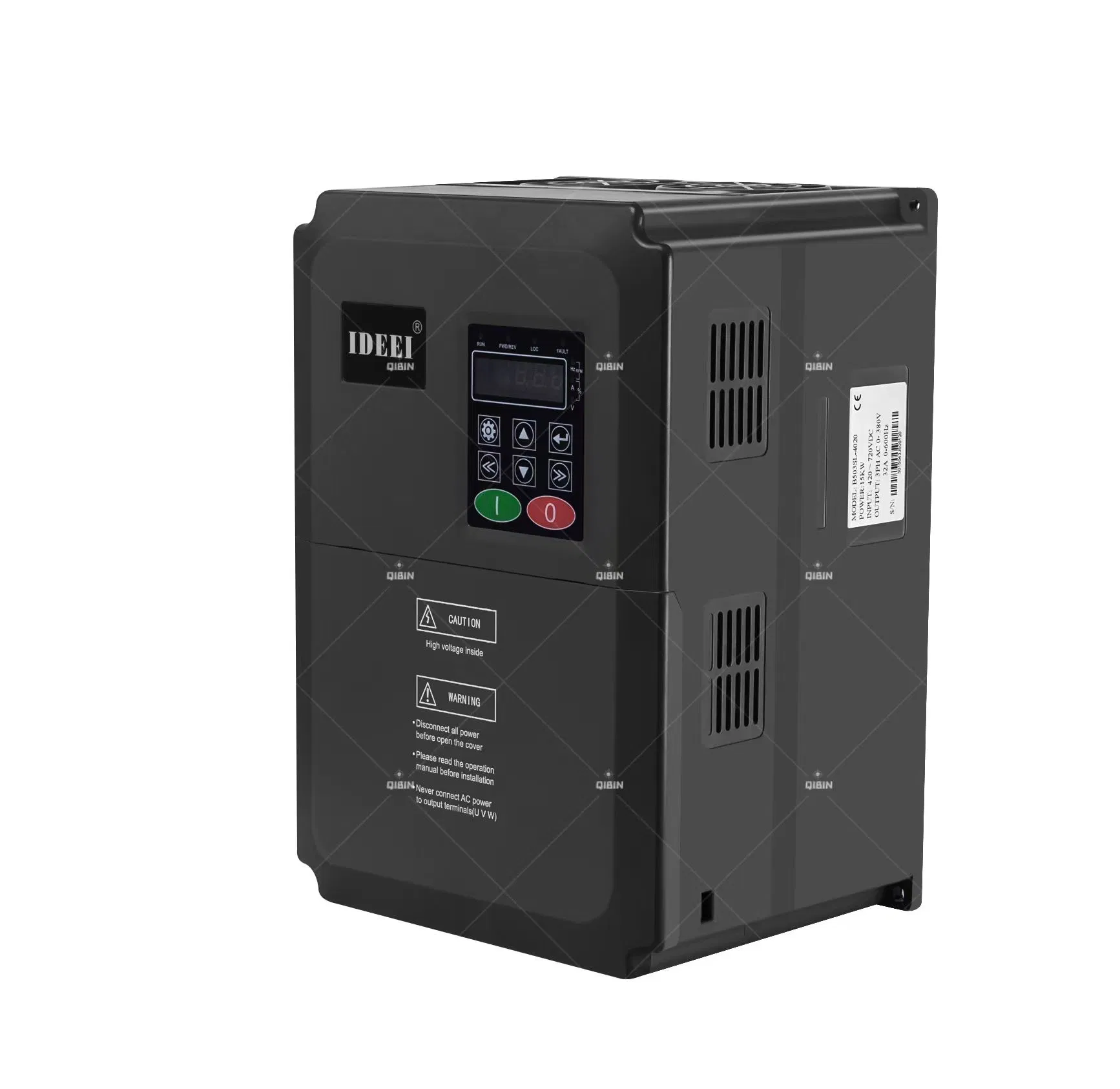
Top 3 Engineering Pain Points for Hybrid Inverters Solar
Scenario 1: Grid Instability and Weak Grid Conditions in Remote Agricultural Installations
The Problem:
Industrial solar pumping installations in remote agricultural regions frequently encounter weak grid infrastructure characterized by voltage fluctuations, frequency deviations, and intermittent outages. Standard hybrid inverters often struggle with grid-forming capabilities when transitioning between on-grid and off-grid modes, causing disruptive hard starts that damage pump motors and reduce system lifespan. For EPC contractors, this translates to commissioning delays, failed acceptance tests, and costly site revisits when inverters trip during grid voltage sags or fail to synchronize with unstable utility power—particularly problematic for deep-well submersible pumps requiring consistent torque delivery.
The Solution:
Deploy hybrid inverters with advanced grid-forming algorithms and seamless zero-transfer-time switching (ZTT) specifically engineered for VFD-integrated solar pumping systems. Boray’s hybrid inverter architecture incorporates active frequency and voltage regulation (AFVR) that maintains stable output during grid disturbances, while the integrated motor control logic provides soft-start functionality to eliminate mechanical stress on pump systems. Specify units with wide voltage input ranges (150V-850V DC) and anti-islanding protection compliant with IEEE 1547 and IEC 62116, ensuring reliable operation across weak grid conditions while protecting agricultural infrastructure from electrical transients.
Scenario 2: Motor Load Dynamics and Harmonic Distortion in High-Power Pumping Applications
The Problem:
When hybrid inverters power VFD-driven centrifugal or positive displacement pumps, engineers face complex load profiles involving high inrush currents (up to 6-8x rated current during startup), regenerative energy feedback, and harmonic distortion that degrades power quality. Many hybrid inverters lack the inductive load handling capacity required for submersible motors, resulting in overvoltage trips, DC bus instability, or premature failure of IGBT modules. For automation distributors, this creates inventory complexity—stocking separate components (hybrid inverters, external VFDs, and line reactors) increases system integration costs and compatibility risks while reducing overall efficiency through multiple conversion stages.
The Solution:
Implement all-in-one hybrid solar pump inverters with built-in vector control VFD functionality and DC injection braking. These systems eliminate the need for separate motor drives by integrating MPPT solar charge controllers with variable frequency drive topology, providing precise torque control (0.5Hz/150% rated torque starting capability) for deep-well applications. Look for units featuring active front-end (AFE) technology with THDi <3% and built-in DC chokes to manage regenerative loads, alongside automatic MPPT voltage tracking that adjusts for pump affinity laws—ensuring optimal energy harvest while maintaining motor efficiency across varying solar irradiance conditions.
Scenario 3: Environmental Harshness and Thermal Derating in Outdoor Industrial Environments
The Problem:
Hybrid inverters installed in agricultural or industrial automation settings face extreme environmental stressors including dust ingress (IP rating failures), high ambient temperatures (40°C+), humidity fluctuations, and corrosive atmospheres near livestock or chemical processing facilities. Standard commercial-grade hybrid inverters typically derate output above 25°C ambient temperature, forcing engineers to oversize systems by 20-30% to maintain rated pumping capacity during peak solar hours—significantly increasing project CAPEX and reducing ROI for EPC contractors managing tight margins on solar pumping projects.
The Solution:
Specify industrial-grade hybrid inverters with IP65 or IP66 aluminum die-cast enclosures featuring conformal-coated PCBA and active thermal management systems. Boray’s engineering approach utilizes natural convection cooling (fanless design) or intelligent speed-controlled fans with dust filters, maintaining 100% rated output up to 45°C ambient temperature and 80% capacity at 60°C. For critical agricultural applications, select units with C3 or C4 corrosion resistance certification per ISO 12944 and wide humidity operating ranges (0-95% non-condensing), ensuring 20-year operational lifespan in harsh outdoor environments without the thermal derating penalties that plague standard residential hybrid units.
Component and Hardware Analysis for Hybrid Inverters Solar
In industrial solar pumping and hybrid energy systems, the reliability of power conversion hinges on the electromechanical integrity of internal subsystems. Unlike standard grid-tie inverters, hybrid solar inverters designed for agricultural and industrial automation must manage bidirectional power flows while maintaining precise motor control compatibility—functioning effectively as solar-integrated Variable Frequency Drives (VFDs). The following analysis examines the critical hardware architecture that determines operational efficiency, thermal stability, and service life in demanding environments.
Power Semiconductor Stage: IGBT Modules
The Insulated Gate Bipolar Transistor (IGBT) module serves as the primary switching element for DC-AC conversion and battery charge/discharge management. In solar pumping applications, these modules must handle high inrush currents from submersible motors while maintaining switching frequencies between 2–16 kHz to minimize motor harmonic distortion.
Engineering Considerations:
– Trench-stop vs. Field-stop technology: Modern hybrid inverters utilize field-stop IGBTs (such as Infineon’s IGBT7 or Mitsubishi’s 7th-gen series) to reduce conduction losses (Vce(sat)) by 15–20% compared to planar designs, directly impacting heat generation and conversion efficiency.
– Thermal impedance: Junction-to-case thermal resistance (Rth(j-c)) below 0.15 K/W ensures adequate heat dissipation during sustained agricultural pumping cycles in ambient temperatures exceeding 45°C.
– Anti-parallel diodes: Fast-recovery diodes (FWD) with soft recovery characteristics prevent voltage spikes during inductive switching, protecting downstream motor windings from insulation stress.
Digital Signal Processing and Control Logic
The control architecture relies on high-performance Digital Signal Processors (DSPs) or ARM Cortex-based microcontrollers to execute real-time Maximum Power Point Tracking (MPPT) algorithms while simultaneously managing motor control vectors. For hybrid systems integrating VFD functionality, the controller must process feedback from multiple analog front-ends (voltage, current, temperature) within sub-millisecond loops.
Critical Specifications:
– Sampling resolution: 12-bit minimum ADC resolution for current sensing, with simultaneous sampling capability to prevent phase lag in three-phase motor control.
– Clock speed: 100+ MHz processing capability to handle space-vector pulse-width modulation (SVPWM) for efficient motor torque control.
– Communication redundancy: Dual CAN bus and RS-485 Modbus RTU interfaces for integration with existing SCADA systems and Boray-compatible VFD networks.
Thermal Management and Heatsink Engineering
Thermal design represents the primary determinant of Mean Time Between Failures (MTBF) in solar hybrid inverters. Agricultural installations often expose equipment to dust, high humidity, and extreme diurnal temperature swings.
Hardware Implementation:
– Bonded-fin aluminum heatsinks: Extruded aluminum with bonded copper fins achieves thermal resistance values of 0.3–0.5°C/W, enabling passive cooling for systems up to 50kW.
– Thermal interface materials (TIM): Phase-change materials with thermal conductivity >3.0 W/mK ensure minimal contact resistance between IGBT baseplates and heatsink surfaces.
– Intelligent fan control: PWM-controlled DC brushless fans with IP54-rated bearings and tachometer feedback. Forced convection systems should implement staged activation based on IGBT junction temperature monitoring (NTC thermistors with ±1°C accuracy) rather than simple ambient sensing, extending fan lifespan from 40,000 to 80,000 hours.
DC-Link Capacitors and Energy Storage
The DC bus capacitance stabilizes voltage ripple during intermittent solar irradiance and motor load transients. Industrial hybrid inverters increasingly utilize metallized polypropylene film capacitors rather than electrolytic alternatives due to superior longevity in renewable energy applications.
Performance Metrics:
– Ripple current capacity: Film capacitors handle 20–30 Arms per μF with minimal self-heating, compared to 5–8 Arms for aluminum electrolytic equivalents.
– Expected lifespan: Metallized film technology offers 100,000+ hours at rated voltage and 70°C hot spot temperature, whereas electrolytic capacitors degrade exponentially above 85°C core temperature.
– Self-healing properties: Film dielectrics recover from minor dielectric breakdowns, maintaining capacitance stability over 15+ year operational lifespans.
Electromagnetic Compatibility (EMC) and Protection Hardware
Industrial environments require robust EMI filtering and surge protection to prevent interference with automation sensors and PLC networks.
- Common-mode chokes: Nanocrystalline toroidal cores with high permeability (μ > 80,000) attenuate switching noise in the 100 kHz–30 MHz range, ensuring compliance with IEC 61000-6-2 (industrial immunity standards).
- Surge protective devices (SPDs): Type 2 SPDs with metal oxide varistors (MOVs) rated for 40kA (8/20μs) impulse current protect IGBT gates from lightning-induced transients common in agricultural open-field installations.
- DC arc fault detection: Optical sensors and sophisticated impedance monitoring circuits detect series arcs in PV string connections within 2–5 seconds, preventing fire hazards in dry agricultural environments.
Component Specification Matrix
| Component | Function | Quality Indicator | Impact on Lifespan |
|---|---|---|---|
| IGBT Power Module | DC-AC conversion; Battery charge/discharge switching | Vce(sat) < 1.7V @ rated current; Rth(j-c) < 0.15 K/W; Tj(max) 175°C | Thermal cycling causes bond-wire lift-off; 10°C reduction in operating temperature doubles lifespan |
| DSP Controller | Real-time MPPT; Motor vector control; Grid synchronization | 32-bit architecture; ≥100 MIPS; 12-bit ADC; Industrial temp range (-40°C to +85°C) | Electromigration in silicon at high temperatures; Firmware watchdog prevents latch-up failures |
| DC-Link Capacitors | Ripple current absorption; DC bus voltage stabilization | Metallized film construction; dv/dt rating > 50 V/μs; ESR < 2 mΩ | Film capacitors: 100,000+ hrs; Electrolytic: 5,000–15,000 hrs depending on core temperature |
| Cooling Heatsinks | Thermal dissipation from semiconductors | Aluminum 6063-T5; Thermal resistance < 0.5°C/W; Anodized coating >25μm | Fan bearing wear (if active cooling); Thermal runaway prevention extends semiconductor life 3–5x |
| EMI Filters | Attenuation of conducted emissions; Protection of control circuits | Insertion loss >60dB @ 1MHz; Nanocrystalline cores; Y-capacitors rated X1/Y2 | Capacitor degradation from voltage transients; Core saturation from DC bias reduces effectiveness |
| Communication Interfaces | Integration with VFDs, SCADA, and BMS | Isolated RS-485/CAN transceivers; 2.5kV isolation; ESD protection ±15kV | Galvanic isolation prevents ground loop damage; Connector plating (gold flash) prevents oxidation |
Integration with Motor Control Systems
For EPC contractors deploying solar pumping stations, hybrid inverters must function as grid-forming devices capable of soft-starting induction motors up to 3× their rated power. The hardware must support V/Hz control and sensorless vector control modes, with IGBT gate drivers providing 2μs dead-time insertion to prevent shoot-through faults during rapid MPPT adjustments.
Boray’s engineering analysis indicates that hybrid inverters utilizing film capacitors in the DC link and intelligent thermal management algorithms achieve 20-year design lifespans in agricultural applications, compared to 10–12 years for units employing electrolytic capacitors and passive cooling alone. When specifying equipment for industrial automation projects, prioritize hardware platforms that share component architectures with industrial VFDs—ensuring compatibility with existing motor protection relays and process control networks while maintaining the energy storage flexibility required for off-grid and peak-shaving operations.
Manufacturing Standards and Testing QC for Hybrid Inverters Solar
Ensuring long-term reliability in hybrid solar inverters requires manufacturing protocols that parallel industrial Variable Frequency Drive (VFD) production standards. For EPC contractors deploying solar pumping systems or automation engineers integrating hybrid storage with motor control, the margin for component failure is zero. Below is a technical breakdown of the critical manufacturing standards and quality control (QC) protocols that distinguish industrial-grade hybrid inverters from consumer-grade alternatives.
Design for Reliability (DfR) and Component Qualification
Before PCB assembly, hybrid inverters intended for solar pumping and heavy motor loads undergo rigorous component qualification. Manufacturers adhering to IEC 61215 and IEC 62109 standards utilize automotive-grade IGBTs and film capacitors with higher voltage derating (typically 1.5x operating voltage) to withstand the voltage spikes common in inductive motor switching. All passive components undergo X-ray inspection and solderability testing per IPC-J-STD-002 to eliminate latent defects that could cause field failures in agricultural environments with high humidity and dust.
PCB Conformal Coating and Environmental Protection
Given that hybrid inverters in solar pumping applications often operate in outdoor enclosures exposed to corrosive atmospheres, PCB protection is non-negotiable. Industrial manufacturers apply acrylic or silicone conformal coating (per IPC-CC-830) to all control boards, creating a dielectric barrier against moisture, salt spray, and conductive dust. For high-voltage power stages, selective potting with thermally conductive epoxy ensures heat dissipation while preventing arc tracking. This is particularly critical when inverters control submersible pumps where condensation and temperature cycling are constant stressors.
Burn-In and Accelerated Aging Protocols
To screen for early-life failures (ELF), 100% of units undergo high-temperature aging (HTOL) at 85°C ambient for a minimum of 48 hours under full resistive and inductive loads. This process, often called “burn-in,” simulates years of thermal cycling and identifies solder joint weaknesses or semiconductor defects before shipment. For hybrid inverters managing battery energy storage, additional thermal shock testing (-40°C to +85°C, 500 cycles) validates the integrity of battery management system (BMS) connections and power PCB laminations under extreme diurnal temperature swings common in desert solar installations.
100% Full-Load Functional Testing
Unlike sample-based QC, industrial-grade production mandates 100% full-load testing at nominal voltage and 110% overload conditions. Each hybrid inverter is subjected to:
– Dynamic load step testing: 0-100% load transitions to verify voltage regulation stability when solar irradiance fluctuates or pump motors start under heavy head pressure.
– MPPT tracking accuracy: Verification that the DC-DC conversion stage maintains >99% tracking efficiency across 200V–800V input ranges, crucial for maximizing solar pump output during morning and evening ramp periods.
– Grid synchronization and anti-islanding: Validation of IEEE 1541/IEC 62116 compliance to ensure safe disconnect when grid power is lost, protecting maintenance personnel in hybrid agricultural microgrids.
Electrical Safety and Insulation Validation
Prior to enclosure assembly, each unit undergoes Hi-Pot testing (1500V AC, 60 seconds) between AC output terminals and earth ground, and 4000V DC between DC bus and chassis, ensuring dielectric integrity for grid-tied and off-grid configurations. Insulation resistance testing (megger testing) confirms >100 MΩ isolation, preventing ground fault issues in wet agricultural environments. For motor control compatibility, EMC testing per IEC 61000-6-2 (immunity) and IEC 61000-6-4 (emissions) ensures the inverter does not interfere with VFDs or PLC control systems in integrated automation architectures.
Certification and Quality Management Framework
Reputable manufacturers maintain ISO 9001:2015 quality management systems with ISO 14001 environmental controls, ensuring traceability from wafer to finished goods. Key certifications for global B2B distribution include:
– CE Marking: Compliance with LVD (2014/35/EU) and EMC (2014/30/EU) directives
– IEC 62040-1: Uninterruptible power systems safety for hybrid storage integration
– UL 1741: Grid support and interconnection for North American projects
– IP65/NEMA 4X enclosure ratings: Mandatory for outdoor solar pumping stations
Supply Chain Traceability and Documentation
Industrial clients require complete batch traceability. Each hybrid inverter carries a unique serial number linked to component batch codes, burn-in test data, and calibration certificates. This documentation is critical for EPC contractors managing warranty claims across multi-megawatt solar pumping projects or when integrating with existing SCADA systems for predictive maintenance.
By enforcing these manufacturing standards—originally developed for high-reliability VFD and motor control applications—hybrid solar inverters achieve the MTBF (Mean Time Between Failures) ratings exceeding 100,000 hours necessary for unattended agricultural and industrial automation deployments.
Step-by-Step Engineering Sizing Checklist for Hybrid Inverters Solar
Proper sizing of hybrid solar inverters for industrial motor control applications requires rigorous electrical coordination between photovoltaic generation, energy storage systems, and variable frequency drive (VFD) loads. Unlike standard grid-tie installations, hybrid configurations for agricultural pumping and industrial automation must account for motor inrush characteristics, MPPT voltage windows, and bidirectional power flow. Use this engineering checklist to ensure system compatibility and long-term reliability.
1. Motor Load Characterization & Inverter Capacity Matching
Critical Parameter Verification:
– [ ] Calculate Total Mechanical Load: Determine the sum of pump/motor HP or kW ratings, including service factor (typically 1.15 for industrial motors). For submersible pumps, account for hydraulic head losses and pipe friction.
– [ ] Assess Starting Torque Requirements: Verify the hybrid inverter’s overload capacity (150% for 60 seconds minimum, 200% for VFD-integrated models) against the motor’s Locked Rotor Amperage (LRA). Solar pump inverters must provide sufficient starting torque without battery assistance.
– [ ] Match Continuous Power Rating: Size the hybrid inverter continuous output at 125% of the motor’s Full Load Amps (FLA) at the specified power factor (typically 0.85-0.95 for pumps).
– [ ] Verify V/f Compatibility: For centrifugal pumps, confirm the inverter supports variable torque V/f curves (quadratic load characteristics) to prevent overcurrent during acceleration phases.
2. Photovoltaic Array String Engineering
DC Input Configuration Calculations:
– [ ] Determine Open Circuit Voltage (Voc): Calculate maximum array voltage using the temperature coefficient (-0.3%/°C to -0.5%/°C for crystalline silicon). Ensure worst-case Voc (at lowest ambient temperature) remains below the hybrid inverter’s maximum DC input voltage with 10% safety margin.
– [ ] Optimize MPPT Voltage Window: Configure string voltage to fall within the inverter’s MPPT range (typically 200-850VDC for commercial units) under standard test conditions (STC). For solar pumping, target the upper third of the MPPT window to minimize current and cable losses.
– [ ] Current Capacity Verification: Sum the short-circuit current (Isc) of parallel strings and verify against the hybrid inverter’s maximum input current per MPPT channel, applying NEC 1.25 safety factor for continuous current.
– [ ] String Sizing for Partial Shade: In agricultural applications with tree shading, limit strings to 3-4 panels in series to maintain voltage above minimum MPPT threshold during partial irradiance.
3. Battery Storage Integration & Power Management
Hybrid System Coordination:
– [ ] Battery Voltage Alignment: Match battery bank nominal voltage (48V/400V/800V) to the hybrid inverter’s battery input range. Verify charge/discharge current ratings support motor starting surges without voltage sag.
– [ ] Depth of Discharge (DoD) Calculations: Size battery capacity to provide 2-3 hours of autonomy for critical pumping operations, limiting DoD to 80% for LiFePO4 chemistry or 50% for lead-acid to preserve cycle life.
– [ ] Peak Shaving Capability: Verify the hybrid inverter can simultaneously handle PV generation, battery discharge, and motor load peaks without tripping. Calculate maximum simultaneous power draw (PV + Battery + Grid) against inverter throughput capacity.
4. AC Output & Grid Interaction Specifications
Voltage and Harmonic Compliance:
– [ ] Output Voltage Stability: Confirm three-phase output voltage regulation (±2% for industrial pumps) and frequency stability (50/60Hz ±0.5Hz) under varying solar irradiance conditions.
– [ ] Total Harmonic Distortion (THD): Verify current THD <5% at rated load to prevent motor overheating and bearing currents. For sensitive agricultural automation, demand <3% THD.
– [ ] Grid-Tie Protection Settings: Configure anti-islanding protection (UL 1741/IEC 62109), over/under voltage ride-through (OVRT/UVRT), and frequency-watt control for weak grid connections in rural installations.
5. Environmental Derating & Thermal Management
Field Condition Adjustments:
– [ ] Temperature Derating: Apply manufacturer derating curves for ambient temperatures above 40°C. In desert agricultural applications, size inverter at 110-120% of calculated load to compensate for heat-induced capacity reduction.
– [ ] Altitude Correction: For installations above 1,000m, derate inverter capacity by 1% per 100m elevation due to reduced air cooling efficiency.
– [ ] Ingress Protection: Specify IP65 or higher for outdoor agricultural pump installations; IP54 minimum for dusty industrial environments. Verify conformal coating on PCBs for corrosive atmospheres (fertilizer exposure).
6. Protection Coordination & Safety Systems
Electrical Protection Integration:
– [ ] DC Side Protection: Size fuses or DC breakers between PV array and hybrid inverter at 1.25× Isc. Include surge protection devices (Type 2, 40kA minimum) on both DC and AC terminals.
– [ ] Motor Protection Settings: Program electronic motor overload relays within the hybrid inverter (Class 10 or Class 20 thermal curves) matching motor nameplate FLA. Verify phase loss protection for three-phase pumps.
– [ ] Ground Fault Protection: For systems >50VDC, install ground fault detection interrupters (GFDI) with 300mA sensitivity on PV arrays. Verify proper grounding electrode conductor sizing per NEC Article 250.
7. Communication & Automation Integration
Industrial Control Compatibility:
– [ ] Protocol Verification: Confirm support for Modbus RTU/TCP, CANopen, or BACnet for integration with SCADA systems in automated irrigation networks. Verify RS-485 port isolation (2.5kV minimum) for noisy industrial environments.
– [ ] Remote Monitoring Setup: Configure datalogging for PV voltage, motor current, and battery SOC with MQTT or cloud connectivity for predictive maintenance in distributed agricultural projects.
– [ ] Dry Contact Integration: Program auxiliary relays for fault indication, battery low-voltage disconnect, and grid failure signaling to external PLCs or building management systems.
8. Compliance & Certification Documentation
Regulatory Verification:
– [ ] Grid Code Compliance: Obtain certificates for IEC 62109-1/-2 (safety), IEC 61683 (efficiency), and local grid interconnection standards (IEEE 1547, G99/G100, etc.).
– [ ] Motor Compatibility Certification: Verify hybrid inverter is tested for motor bearing current mitigation (common mode chokes) and meets IEC 60034-25 for inverter-duty motor compatibility.
– [ ] Environmental Certifications: Confirm IEC 61215 for PV components and UN 38.3 for lithium battery transportation/installation compliance.
Final Engineering Review: Cross-check all calculations against the manufacturer’s application engineering software or sizing tools. For VFD-integrated hybrid systems (Boray’s specialty), verify the motor control algorithms support regenerative braking energy capture back to batteries during pump deceleration events.
Wholesale Cost and Energy ROI Analysis for Hybrid Inverters Solar
When evaluating hybrid inverter deployments for industrial solar pumping and motor control applications, procurement decisions must transcend unit pricing to encompass total lifecycle economics. For EPC contractors and agricultural project managers, the convergence of solar generation, battery storage, and grid-interactive power conversion within a single hybrid inverter architecture introduces distinct cost-benefit variables compared to traditional standalone solar pump inverters or discrete VFD configurations.
B2B Pricing Architecture and Volume Economics
In the wholesale electrical components market, hybrid inverters command a 15–30% premium over conventional grid-tie inverters due to integrated bi-directional charging capabilities and dual MPPT inputs. However, when analyzed against the aggregate cost of separate solar inverters, battery charge controllers, and backup power interfaces, the consolidated CAPEX reduction typically ranges from 22–35% for installations above 50kW.
Volume Tier Structure (FOB China Basis):
– Pilot/Low Volume (1–10 units): Wholesale pricing aligns at approximately 65–70% of retail MSRP, suitable for project feasibility testing or retrofit applications requiring single-phase hybrid units (3–5kW range).
– Mid-Tier EPC Quantities (11–50 units): Pricing transitions to 55–60% of retail, with negotiated freight consolidation and unified firmware customization for specific motor control protocols (Modbus RTU/TCP integration for VFD synchronization).
– Industrial Scale (50+ units): Volume pricing reaches 45–50% below retail, inclusive of extended warranty packages and localized technical documentation for compliance with regional grid codes (IEEE 1547, IEC 61727).
For agricultural distributors, the critical pricing differentiator lies in the integrated VFD functionality. Hybrid inverters with built-in variable frequency drive capabilities—specifically designed for submersible pump control—eliminate the need for separate motor drive hardware, reducing BOM costs by $800–$1,200 per pumping station while simplifying installation logistics.
Total Cost of Ownership (TCO) Analysis
The TCO calculation for hybrid inverter systems in industrial automation contexts must account for operational continuity costs. Unlike standard solar pump inverters that cease operation during irradiance fluctuations, hybrid configurations maintain motor torque stability through seamless grid supplementation or battery buffer transitions.
Key TCO Variables:
– Installation Efficiency: Single-unit hybrid systems reduce commissioning time by 40% compared to multi-component setups, translating to labor cost savings of $150–$300 per installation in emerging markets.
– Infrastructure Reduction: Elimination of separate charge controllers and transfer switches reduces DC cabling requirements and enclosure costs.
– Diesel Offset Value: In remote agricultural applications, hybrid inverters with adequate battery storage (4–8 hours autonomy) can displace diesel generator runtime entirely, with fuel cost avoidance typically recovering the inverter premium within 18–24 months at 75% utilization rates.
Energy ROI Metrics for Pumping and Motor Control
Return on investment calculations for hybrid inverter deployments require modified methodologies that account for demand charge mitigation and irrigation scheduling flexibility.
Quantified Benefits for Solar Pumping:
– Peak Shaving Revenue: Industrial facilities utilizing hybrid inverters for process water pumping can reduce peak demand charges by 30–45% through strategic battery discharge during utility rate peak periods (typically 2 PM–6 PM).
– Motor Soft-Start Integration: Hybrid inverters with VFD functionality limit inrush current to 1.2x nominal versus 6–8x for direct-on-line starting, reducing mechanical stress and extending pump motor lifespan by 15–20%.
– Energy Yield Optimization: Advanced MPPT algorithms in hybrid units maintain 98.6–99.2% conversion efficiency even with fluctuating irradiance, compared to 96–97% for basic solar pump inverters, yielding an additional 180–240 kWh annually per 10kW installed capacity.
ROI Calculation Framework:
For a 75kW agricultural pumping station operating 2,400 hours annually:
– Incremental Hybrid Cost: $4,500–$6,000 above standard solar pump inverter
– Annual Energy Savings: $3,200–$4,800 (grid offset + demand charge reduction)
– Payback Period: 14–19 months
– 10-Year NPV: $28,000–$42,000 (at $0.12/kWh blended rate)
Warranty Cost Risk and Long-term Service Economics
Warranty structures for hybrid inverters represent significant cost variables in B2B procurement. Standard manufacturer warranties cover 5 years for power electronics and 10 years for MPPT components, with extended warranty programs (Years 6–10) typically costing 8–12% of unit wholesale price.
Risk Mitigation Considerations:
– Thermal Management Costs: Hybrid inverters operating in 40°C+ ambient environments (common in agricultural settings) require derating or active cooling. Procurement agreements should specify MTBF data under thermal stress—quality units maintain >80,000 hours MTBF at 45°C ambient.
– Battery Compatibility Liability: Warranty costs escalate when hybrid inverters are paired with non-certified battery chemistries. EPC contractors should verify UL 1973 or IEC 62619 compliance for lithium iron phosphate (LiFePO4) integrations to avoid voided warranty coverage.
– Service Accessibility: Wholesale pricing should include provisions for regional spare parts inventory. A recommended warranty cost allocation is 3–5% of project value for critical pumping applications where downtime exceeds $500/day.
Strategic Procurement Recommendations
For automation distributors and agricultural project developers, optimizing hybrid inverter procurement requires technical specification alignment with motor control requirements:
- VFD Integration Verification: Ensure hybrid inverters support variable torque curves specific to centrifugal pumps, with automatic frequency ramping (0.5–50Hz adjustable) to prevent water hammer and pipeline stress.
- Scalability Clauses: Negotiate framework agreements that lock wholesale pricing for 18–24 months while allowing technology upgrades to newer silicon carbide (SiC) inverter architectures as efficiency standards evolve.
- Grid-Forming Capability: For off-grid or weak-grid agricultural projects, prioritize hybrid inverters with grid-forming (GFM) functionality rather than grid-following, enabling stable operation with high-inertia pump motors without utility voltage reference.
By analyzing hybrid inverter investments through the lens of integrated motor control, energy arbitrage, and operational resilience, industrial stakeholders can achieve project IRRs exceeding 22% while reducing dependency on fossil fuel backup systems in remote pumping applications.
Alternatives Comparison: Is Hybrid Inverters Solar the Best Choice?
When evaluating power conversion architectures for industrial pumping and motor control applications, decision-makers must weigh the trade-offs between energy flexibility, capital expenditure, and operational efficiency. While hybrid solar inverters offer compelling advantages for grid-interactive storage systems, they represent only one node in a broader ecosystem of motor control and power generation technologies. For agricultural projects and industrial automation requiring precise flow control and maximum water displacement per kilowatt-hour, the comparison extends beyond inverter topology to encompass drive technologies, motor types, and power source architectures.
Inverter Topology and Application Suitability
Hybrid Solar Inverters (grid-tie with battery storage capability) excel in applications requiring energy arbitrage and backup power, converting DC from PV arrays to AC while managing bidirectional power flow to batteries and the grid. However, for dedicated solar pumping installations, these units often represent over-engineering. Dedicated Solar Pump Inverters—essentially specialized VFDs with integrated Maximum Power Point Tracking (MPPT)—eliminate the energy conversion losses associated with battery storage by driving motors directly from PV array output. This direct-coupled approach achieves system efficiencies exceeding 95% in irrigation applications, whereas hybrid systems typically incur 10-15% cumulative losses through battery charge/discharge cycles and additional conversion stages.
Standard Grid-Tie Inverters lack the motor control algorithms and torque management capabilities essential for pump starting dynamics. They cannot handle the high inrush currents or variable frequency requirements of centrifugal pumps, making them unsuitable for direct motor control without intermediate VFD infrastructure.
Motor Control: VFD vs. Soft Starter vs. Direct Online Starting
For industrial pumps exceeding 7.5kW, the starting methodology significantly impacts grid stability and mechanical wear:
-
Variable Frequency Drives (VFDs): Provide full spectrum speed control (0-400Hz), soft starting with controlled acceleration ramps, and energy optimization through quadratic torque curves (affinity laws). In solar pumping applications, VFDs enable MPPT functionality, automatically adjusting motor frequency to match available irradiance without battery intermediation.
-
Soft Starters: Limit inrush current to 2-3x rated current but operate at fixed frequency once started. While reducing mechanical stress, they cannot optimize for partial load conditions or varying solar irradiance, resulting in 20-30% energy waste compared to VFD-controlled systems in variable flow applications.
-
Direct Online (DOL) Starting: Simplest configuration but generates 6-8x inrush current, requiring oversized generators or grid infrastructure. In solar applications, DOL starting is impractical due to PV array current limitations and lack of starting torque management.
Motor Technology: PMSM vs. Induction Motors (IM)
The motor selection critically influences system efficiency, particularly in off-grid solar pumping:
Permanent Magnet Synchronous Motors (PMSM):
– Efficiency: 92-96% (IE4/IE5 class)
– Power Factor: >0.95 (unity achievable)
– Requires: Precision VFD control with rotor position feedback
– Best for: High-head borehole pumps, applications requiring constant torque across speed ranges
– Solar Advantage: 15-20% higher energy yield from limited PV capacity compared to IM
Induction Motors (IM):
– Efficiency: 85-90% (IE3 standard)
– Power Factor: 0.75-0.85 (requires compensation)
– Compatibility: Works with standard VFDs and soft starters
– Robustness: Higher tolerance to voltage sags and harmonic distortion
– Cost: 30-40% lower initial investment than PMSM
Power Architecture Comparison
| Parameter | Hybrid Solar Inverter System | Direct Solar Pump VFD | Grid-Only VFD | Diesel Generator + Soft Starter |
|---|---|---|---|---|
| Initial CAPEX | High (includes batteries, hybrid inverter, standard VFD) | Medium (PV + specialized VFD) | Low (VFD only) | Medium (generator + starter) |
| Energy Cost | Low (solar primary, grid backup) | Zero (fuel-free) | High (grid tariffs) | Very High (diesel + maintenance) |
| Storage Requirement | Battery bank mandatory | None (water tank as storage) | N/A | Fuel tank |
| Motor Control | Standard VFD required downstream | Integrated MPPT-VFD | Standard VFD | Soft starter or fixed speed |
| Efficiency at Partial Load | 85-88% (including battery losses) | 90-94% | 85-90% | 60-70% (diesel derating) |
| Starting Torque | Limited by battery C-rate | High (PV direct with VFD boost) | Grid-dependent | Limited by generator capacity |
| Maintenance | Battery replacement (5-7 years) | Minimal (electronics only) | Minimal | High (engine servicing) |
| Scalability | Modular (battery expansion) | Modular (PV array expansion) | Fixed | Fuel-dependent |
| Best Application | Commercial buildings with backup needs | Agricultural irrigation, remote boreholes | Industrial plants with stable grid | Emergency backup, off-grid temporary |
System Integration Considerations for EPC Contractors
For large-scale agricultural projects, hybrid inverters introduce unnecessary complexity when water storage (tanks or reservoirs) can serve as the energy storage medium. The “water battery” approach—using direct solar pump VFDs to fill elevated storage during daylight hours—eliminates the capital cost and lifecycle replacement expenses of lithium battery banks, reducing project payback periods by 3-5 years.
Conversely, hybrid architectures become advantageous in applications requiring 24/7 process water circulation or pressure boosting where storage tanks are impractical. In these scenarios, the ability to blend solar, grid, and battery power ensures continuous operation during cloud transients or nighttime demand.
Motor-Drive Matching: PMSM systems require VFDs with specific control algorithms (Field-Oriented Control or Direct Torque Control), whereas standard induction motors offer broader compatibility. For EPC contractors standardizing on Boray’s solar pump inverter ranges, specifying PMSM motors for new borehole installations maximizes ROI in solar-only configurations, while IM motors provide flexibility for hybrid retrofit projects.
Decision Matrix for Industrial Engineers
Choose Hybrid Solar Inverters when:
– Grid connection exists but requires peak shaving or backup functionality
– Battery storage is mandated for critical load support
– The application involves mixed AC loads (pumps, HVAC, lighting) rather than dedicated motor control
Choose Dedicated Solar Pump VFDs (Boray Inverter Solutions) when:
– The primary load is centrifugal or positive displacement pumps
– Water storage capacity exceeds 24-hour demand
– Grid extension costs exceed $15,000/km
– Long-term OPEX reduction outweighs initial battery investment
Choose Standard Grid VFDs with Soft Starters when:
– Grid power is stable and cost-effective
– Pump duty is constant-speed with minimal runtime variations
– Starting current limitations exist but speed control is unnecessary
The optimal configuration rarely relies on hybrid inverters alone for industrial pumping. Instead, distributed architectures—employing dedicated solar pump VFDs for daytime irrigation and hybrid inverters only for auxiliary facility loads—deliver superior lifecycle economics while maintaining the energy security that hybrid systems provide.
Core Technical Specifications and Control Terms for Hybrid Inverters Solar
When evaluating hybrid solar inverters for industrial automation, agricultural irrigation, or commercial energy storage projects, procurement teams must navigate both complex electrical engineering parameters and international commercial frameworks. The intersection of Maximum Power Point Tracking (MPPT) algorithms, advanced motor control vector strategies, and standardized Incoterms determines not only system performance but also total cost of ownership and supply chain risk.
Critical Electrical Parameters and Control Architectures
Maximum Power Point Tracking (MPPT) Voltage Windows and Efficiency Curves
In hybrid inverter applications—particularly when driving Variable Frequency Drives (VFDs) for solar pumping systems—the MPPT voltage range dictates compatibility with PV array configurations. Industrial-grade hybrid inverters typically offer wide MPPT windows (e.g., 200Vdc–850Vdc for three-phase systems) to accommodate fluctuating irradiance conditions common in agricultural environments. Look for tracking efficiencies exceeding 99.5% utilizing Perturb and Observe (P&O) or Incremental Conductance algorithms with dynamic voltage step sizing. For integration with Boray’s solar pump VFDs, ensure the hybrid inverter’s MPPT output voltage aligns with the VFD’s DC input tolerance, enabling direct DC-coupled architectures that bypass unnecessary AC conversion stages and improve overall system efficiency by 2–4%.
Vector Control (Field Oriented Control – FOC) for Dynamic Load Management
While standard hybrid inverters manage grid-tie and battery storage functions, systems interfacing with motor loads require sophisticated vector control capabilities. Field Oriented Control decouples torque and flux components, enabling precise speed regulation (±0.5% accuracy) and rapid torque response (<10ms) essential for centrifugal and submersible pumps. Sensorless vector control algorithms eliminate the need for physical encoders in deep-well pumping applications, reducing maintenance points while maintaining stable operation across varying load curves. When specifying hybrid inverters for VFD integration, verify support for slip compensation and automatic torque boost functions to handle high-starting-torque scenarios in borehole pumps.
PID Process Control Integration
Proportional-Integral-Derivative (PID) control loops within hybrid inverter systems enable closed-loop regulation of process variables—critical for constant-pressure irrigation or flow-controlled industrial applications. The inverter receives 4–20mA or 0–10V feedback signals from pressure transducers or flow meters, adjusting output frequency in real-time to maintain setpoints despite solar irradiance fluctuations. Advanced implementations include anti-windup algorithms to prevent integral saturation during cloud transients and sleep/wake functionality that stops the pump at zero-flow conditions while maintaining system pressure, reducing mechanical wear and energy consumption.
Commercial Terms and Logistics Frameworks
Incoterms 2020: FOB vs. CIF for Heavy Electrical Equipment
For EPC contractors and agricultural project managers sourcing hybrid inverters and associated VFD systems from Chinese manufacturers, understanding risk transfer points is essential for insurance and customs planning:
-
FOB (Free On Board): The seller (e.g., Boray Inverter) delivers goods cleared for export onto the vessel at the named port of shipment (typically Shanghai, Ningbo, or Shenzhen). Risk transfers when goods pass the ship’s rail. The buyer assumes responsibility for ocean freight, marine insurance, and destination port charges. FOB terms favor buyers with established freight forwarding relationships and volume shipping contracts, offering transparency in freight cost breakdowns for heavy electrical enclosures and transformer-equipped hybrid systems.
-
CIF (Cost, Insurance, and Freight): The seller contracts for carriage and procures marine insurance (minimum 110% of CIF value per Institute Cargo Clauses) to the destination port. While the seller bears cost and insurance obligations, risk still transfers at the port of shipment—meaning the buyer assumes physical risk during transit despite the seller’s insurance procurement. CIF simplifies procurement for agricultural distributors lacking logistics infrastructure but requires careful verification that insurance coverage includes “All Risks” for sensitive electronic components (IGBT modules, control boards) susceptible to moisture or shock damage during maritime transport.
Additional Commercial Considerations
* EXW (Ex Works): Places maximum obligation on the buyer, requiring pickup from the manufacturing facility. Suitable only for buyers with integrated China-based logistics partners.
* DDP (Delivered Duty Paid): Seller assumes all costs and risks to the named destination, including import clearance and duties. Critical for turnkey solar pumping projects where the EPC contractor requires single-source accountability.
System Integration: Hybrid Inverters in VFD-Coupled Solar Pumping
In advanced solar pumping architectures, hybrid inverters function as the central energy router between PV arrays, battery storage, and VFD-driven motor systems. DC-coupled configurations allow the hybrid inverter’s battery management system (BMS) to share a common DC bus with the solar pump VFD, eliminating double conversion losses (PV-to-AC-to-DC-to-AC) and enabling direct battery-to-pump emergency operation during grid outages. When specifying such systems, verify the hybrid inverter’s switching frequency (typically 2–16kHz) and THD (Total Harmonic Distortion) levels (<3% at rated power) to ensure electromagnetic compatibility with sensitive VFD control circuits and agricultural telemetry systems.
For industrial engineers, the convergence of high-efficiency MPPT algorithms, sensorless vector control for asynchronous motors, and clearly defined Incoterms creates a procurement framework that optimizes both technical performance and commercial risk management in global solar automation projects.
Future Trends in the Hybrid Inverters Solar Sector
The convergence of photovoltaic generation, electrochemical storage, and intelligent motor control is catalyzing a paradigm shift in industrial energy architecture. For EPC contractors and automation distributors, the next generation of hybrid solar inverters represents not merely a power conversion device, but the central nervous system of complex industrial microgrids—particularly in agricultural pumping and process automation applications where Boray Inverter specializes. Below are the critical technological trajectories reshaping the sector.
Convergence of Hybrid Inverters and Variable Frequency Drive (VFD) Ecosystems
A significant evolution is the deep integration between hybrid inverters and motor control systems. Traditional solar pumping installations often relied on discrete components: a solar inverter feeding a separate VFD. Emerging trends favor unified DC-bus architectures where the hybrid inverter manages PV generation and battery storage while communicating directly with intelligent VFDs via industrial protocols (Modbus TCP/IP, CANopen, or EtherCAT).
This convergence enables dynamic load shaving for agricultural irrigation systems. When solar irradiance fluctuates due to cloud transients, advanced hybrid inverters can instantaneously supplement PV power with stored energy to maintain constant DC bus voltage, preventing motor torque pulsations and extending pump mechanical life. For industrial engineers, this eliminates the need for oversized buffer tanks and reduces harmonic distortion typically associated with abrupt load changes.
AI-Driven Predictive Maintenance and Autonomous Optimization
The incorporation of machine learning algorithms into hybrid inverter firmware is moving beyond basic Maximum Power Point Tracking (MPPT). Next-generation systems employ predictive analytics that correlate inverter thermal data, battery impedance spectroscopy, and motor vibration signatures (via IoT sensors) to forecast component degradation.
In solar pumping applications, this means the inverter can autonomously adjust switching frequencies to minimize IGBT thermal stress during high-irradiance periods, or preemptively derate motor speed to avoid cavitation in pumps showing early bearing wear indicators. For project managers overseeing remote agricultural sites, this translates to zero-unplanned-downtime strategies and optimized O&M schedules that reduce site visit frequency by up to 40%.
Industrial IoT (IIoT) and Cloud-Native SCADA Integration
The transition from localized HMI panels to cloud-native SCADA architectures is accelerating. Modern hybrid inverters are being deployed as edge computing nodes, capable of preprocessing telemetry data (voltage, current, power factor, motor RPM) before transmission via 4G/5G or LoRaWAN to centralized management platforms.
Critical innovations include:
– Digital Twin Integration: Creating virtual replicas of physical solar pumping stations to simulate energy flows and test control algorithms before field deployment.
– Over-the-Air (OTA) Parameter Updates: Remotely adjusting VFD acceleration ramps or battery charge/discharge curves without technician intervention—essential for distributed agricultural portfolios.
– Cybersecurity Hardening: Implementation of IEC 62443-compliant secure boot and encrypted communication channels to protect critical infrastructure from remote intrusion.
Advanced Energy Storage Coupling for Off-Grid Industrial Resilience
For off-grid and weak-grid industrial applications, the industry is shifting toward DC-coupled hybrid architectures with high-voltage battery packs (400V–800V DC). This topology minimizes conversion losses compared to traditional AC-coupled systems, crucial for solar pumping operations requiring maximum hydraulic output during limited daylight hours.
Emerging trends include multi-port power conversion, where a single hybrid inverter manages:
– PV array input with multiple MPPT channels
– High-voltage lithium iron phosphate (LiFePO4) storage
– Grid or diesel generator backup
– Direct DC motor drives for specific high-torque applications
This “universal power router” approach simplifies Balance of System (BOS) costs while providing black-start capabilities—enabling agricultural facilities to restart operations independently after grid outages without external power sources.
Grid-Forming Capabilities and Virtual Power Plant (VPP) Participation
As regulatory frameworks evolve, industrial hybrid inverters are transitioning from grid-following to grid-forming operation modes. This allows solar pumping stations and automated factories to participate in Virtual Power Plants (VPPs), providing frequency regulation and reactive power support to the utility grid.
For EPC contractors, this opens new revenue streams through ancillary services markets. Advanced inverters can now provide:
– Fast Frequency Response (FFR) by rapidly discharging batteries to grid frequency deviations
– Voltage support through reactive power injection (VAR control)
– Peak shaving services that reduce industrial demand charges while maintaining critical motor loads
Strategic Implications for Stakeholders
For automation distributors and project managers, these trends necessitate partnerships with manufacturers possessing deep expertise in both power electronics and motor control—such as Boray Inverter’s integrated solar pump inverter and VFD solutions. The future belongs to system-agnostic platforms that support seamless integration with existing industrial automation stacks (PLC, DCS) while offering the modularity to scale from single agricultural pumps to multi-megawatt industrial microgrids.
The hybrid inverter is evolving from a passive conversion device into an intelligent energy orchestrator, bridging the gap between renewable generation and precision motor control in demanding industrial environments.
Top 2 Hybrid Inverters Solar Manufacturers & Suppliers List
Top 5 Solar Inverter Brands for PV Hybrid Systems (2025 Guide)
Website: elum-energy.com
Analysis of Top 5 Solar Inverter Brands for PV Hybrid Systems (2025): 1) Huawei – FusionSolar inverters hold 44% of project quotations; feature grid-compliance capabilities for Enedis HTA connections via PPC-compliant solutions; deployed in 11 MWp utility-scale installations with solar-diesel hybrid integration. 2) Sungrow – Commands 22% market share; offers integrated inverter and energy storage …

Top Solar Inverter Supplier 2025: Trusted Brands & Expert Guidance
Website: aforenergy.com
Afore Energy (aforenergy.com) specializes in solar inverters and energy storage solutions, with no VFD or industrial motor drive products mentioned in the provided catalog. Key product lines include: **PV String Inverters** – Single Phase (1-3kW, 3-6kW, 7-10kW ranges) and Three Phase (3-25kW, 30kW, 36-60kW, 70-110kW ranges, plus Low-voltage series: 3-15kW, 17-30kW, 40-60kW). **Hybrid Inverters** -…
B2B Engineering FAQs About Hybrid Inverters Solar
-
How does a hybrid solar inverter interface with VFD-driven pump systems in agricultural applications, and what are the critical compatibility factors?
In agricultural solar pumping, hybrid inverters typically interface with VFDs via AC coupling or direct DC bus coupling. For AC coupling, the hybrid inverter must provide stable voltage and frequency reference (±1% voltage regulation, ±0.5Hz frequency stability) to prevent the VFD from tripping on undervoltage or phase loss faults. Critical compatibility factors include: (1) Power Quality: Total Harmonic Distortion (THD) must remain below 3% to avoid motor heating and bearing currents; (2) Inrush Capacity: The hybrid inverter must handle 150-200% surge capacity for motor starting currents, or coordinate with the VFD’s soft-start ramp (typically 0-60 seconds); (3) Bypass Architecture: Industrial installations require a grid/bypass contactor arrangement allowing direct grid supply to the VFD if the hybrid inverter faults during critical irrigation windows.
-
What are the DC bus voltage compatibility considerations when integrating battery storage via hybrid inverters with existing solar pump inverters?
DC coupling offers superior efficiency (eliminating 3-5% double conversion losses) but requires precise voltage matching. Standard solar pump VFDs operate on 400V-800V DC buses, while hybrid inverters typically manage 48V-400V battery banks. Integration requires either: (1) Boost/Buck Converters to step up battery voltage to the pump inverter’s DC input, sized for the pump’s peak power (typically 1.5x continuous rating); or (2) High-Voltage Hybrid Inverters (400V-800V battery banks) that directly interface with commercial pump drives. Critical considerations include insulation coordination (IEC 62109), maximum DC voltage ratings (typically 1000V-1500V DC for agricultural systems), and arc fault protection (UL 1699B) in the combined DC architecture.
-
Can hybrid inverters provide the necessary power quality and ride-through capability for sensitive motor control systems in industrial automation environments?
Yes, but only with specific grid-forming (GFM) capabilities. Industrial VFDs and servo drives require voltage sags to remain within ±10% of nominal and frequency deviations within ±0.5Hz. Advanced hybrid inverters with Virtual Synchronous Machine (VSM) or Droop Control algorithms can provide this stability during grid outages. Key specifications include: transient response time <20ms, voltage unbalance <2% for three-phase motor loads, and active anti-islanding protection (IEEE 1547/IEC 62116). For critical motor control, specify hybrid inverters with Three-Level T-Type Topology to reduce switching losses and EMI, preventing interference with nearby PLC and sensor networks (IEC 61000-6-2 immunity standards).
-
What protection coordination strategies are required when retrofitting hybrid inverters into existing motor drive installations to ensure safety and NEC/IEC compliance?
Protection coordination must address: (1) Ground Fault Protection: Hybrid inverters with transformerless topologies create floating systems; install Residual Current Monitoring (RCM) with 30mA sensitivity for personnel protection and 300mA for fire protection (IEC 60364-7-712); (2) Overcurrent Coordination: The hybrid inverter’s AC output breaker must coordinate with upstream VFD input fuses and motor overload relays, typically requiring time-current curves (TCC) analysis to ensure selective tripping; (3) Arc Flash Mitigation: Hybrid inverters must include rapid shutdown functionality (NEC 690.12) and DC arc fault detection within 2.5 seconds for systems >80V DC; (4) EMC Filtering: Install output reactors or dv/dt filters between hybrid inverters and motors >50m cable runs to prevent reflected wave damage to motor insulation (NEMA MG1 Part 31).
-
How do you properly size a hybrid inverter and battery bank for a solar pumping system with highly variable flow rate requirements and intermittent operation?
Sizing requires Duty Cycle Analysis rather than simple peak power matching. Calculate the hydraulic load profile: (1) Peak Power: Size the hybrid inverter at 1.25-1.5x the VFD’s rated input power to handle motor inrush and pump affinity laws (power ∝ flow³); (2) Energy Storage: Size battery capacity for “cloud ride-through”—typically 15-30 minutes of pump operation at 60% flow rate to maintain pressure in irrigation mains during transient shading; (3) C-Rate Considerations: For high-flow intermittent pumping (e.g., center-pivot irrigation), ensure the battery C-rate supports the hybrid inverter’s discharge rate without voltage collapse—typically C2 or C1 ratings for lithium iron phosphate (LiFePO4) batteries; (4) DC/AC Ratio: Maintain a 1.1-1.3 DC/AC ratio to account for dust derating and temperature coefficients while preventing hybrid inverter clipping during peak solar hours.
-
What are the technical trade-offs between AC-coupled and DC-coupled hybrid architectures for remote off-grid pumping stations with energy storage?
DC-Coupled Architecture: Preferred for new installations. Advantages include 5-8% higher system efficiency (single conversion path), direct MPPT tracking for PV arrays (98.5%+ efficiency), and simplified wiring. However, requires hybrid inverters with high-voltage battery compatibility (400V-800V) to match pump VFD DC inputs, and creates a single point of failure in the power conversion stage.
AC-Coupled Architecture: Better for retrofits. Allows independent optimization of pump VFDs and hybrid inverter/charger systems, provides redundancy (pump can run directly from generator/grid bypass), and enables distributed battery placement. Disadvantages include double conversion losses (95-96% round-trip efficiency vs. 98%+ for DC), and potential frequency synchronization issues between multiple inverters. For critical agricultural applications, AC-coupled systems with Frequency-Watt Control provide better fault tolerance.
-
How do hybrid inverters manage regenerative energy from pump deceleration and motor braking in closed-loop irrigation systems?
When VFDs decelerate pumps rapidly (e.g., in pressure-controlled variable flow systems), regenerative energy flows back toward the DC bus. Hybrid inverters handle this through: (1) Battery Absorption: High-capacity battery banks (C10 rating) can absorb regenerative spikes up to 1.3x nominal charging current; (2) Braking Chopper Integration: Hybrid inverters with programmable relay outputs can activate external braking resistors when DC bus voltage exceeds 750V (for 400V AC systems), dissipating energy as heat; (3) Grid Export: In grid-tied hybrid mode, excess energy exports to the utility, though ramp-rate limits (typically 10%/minute) may require smoothing capacitors; (4) DC Bus Clamping: Advanced units use active clamping circuits to limit DC overvoltage, protecting both the hybrid inverter’s IGBTs and the pump VFD’s DC link capacitors. For deep well pumps with high inertia, specify hybrid inverters with regenerative front-end (AFE) capability to return energy to batteries rather than dissipating it.
-
What communication protocols and integration architectures enable centralized SCADA monitoring of hybrid inverters, VFDs, and irrigation sensors in large-scale agricultural automation projects?
Industrial hybrid inverters for pumping applications must support Modbus TCP/IP or EtherNet/IP for integration with agricultural SCADA platforms (e.g., Ignition, Wonderware). Key integration points include: (1) Unified Monitoring: Map hybrid inverter registers (battery SOC, PV power, grid status) and VFD parameters (frequency, motor current, pressure feedback) into a single HMI dashboard via OPC UA or MQTT; (2) Automated Irrigation Logic: Program the hybrid inverter’s dry contacts or digital outputs to trigger pump start/stop based on battery SOC thresholds (e.g., start pumping at 80% SOC, stop at 30%) and soil moisture sensor inputs; (3) Predictive Maintenance: Utilize the hybrid inverter’s data logging (typically 1-second resolution for power, 1-minute for energy) to correlate PV generation with pump energy consumption, detecting motor bearing degradation through increasing current draw; (4) Remote Firmware Updates: Ensure the hybrid inverter supports OTA (Over-The-Air) updates via 4G/LoRa gateways to maintain cybersecurity (IEC 62443) without site visits. For multi-site agricultural operations, specify hybrid inverters with SunSpec Modbus compliance for interoperability with third-party energy management systems.
Disclaimer
⚠️ Important Disclaimer
The information provided in this guide is for educational purposes. Industrial applications and electrical engineering projects carry inherent risks. B2B buyers and contractors must conduct thorough technical due diligence and verify regional compliance before installation or procurement.
Conclusion: Partnering with Boray Inverter for Hybrid Inverters Solar
As the solar industry pivots toward intelligent energy management, hybrid inverters have emerged as the critical nexus between photovoltaic generation, battery storage, and grid integration. For industrial engineers and EPC contractors designing next-generation agricultural irrigation or factory automation systems, selecting the right power conversion partner determines not just system efficiency, but long-term operational resilience. The convergence of solar pumping applications with Variable Frequency Drive (VFD) technology demands manufacturers who possess deep expertise in both renewable energy dynamics and precision motor control algorithms.
Shenzhen Boray Technology Co., Ltd. stands at this intersection as an innovative force in Solar Pumping and Motor Control Solutions. With an R&D team comprising 50% of its workforce, Boray Inverter has mastered advanced Permanent Magnet Synchronous Motor (PMSM) and Induction Motor (IM) vector control technologies—essential competencies for optimizing pump performance across varying solar irradiance conditions and complex load fluctuations. Their manufacturing infrastructure features two state-of-the-art production lines supported by rigorous 100% full-load testing protocols, ensuring every unit meets stringent industrial reliability standards before global deployment.
Trusted by agricultural project managers and automation distributors across continents, Boray’s solutions power critical irrigation networks and industrial automation systems in challenging environments worldwide. Whether your project requires hybrid solar pump inverters for off-grid water management, sophisticated VFD integration for complex motor control scenarios, or scalable wholesale manufacturing partnerships, Boray delivers engineered precision tailored to your technical specifications.
Contact the engineering team at borayinverter.com today to discuss customized VFD solutions, request detailed technical documentation, or obtain competitive wholesale quotes for your next solar pumping or industrial automation initiative. Partner with Boray Inverter—where renewable energy innovation meets industrial-grade motor control excellence.