Introduction: Sourcing Hybrid Solar Inverter System for Industrial Use
In an era of volatile energy markets and escalating operational demands, industrial facilities and agricultural enterprises face a critical imperative: maintaining uninterrupted power for motor-driven systems while mitigating spiraling electricity costs. Traditional grid-tied solar configurations often fall short when confronted with the surge currents of industrial pumps, HVAC systems, and automated machinery—particularly when grid instability threatens production continuity. This is where hybrid solar inverter systems emerge not merely as power conversion devices, but as intelligent energy orchestrators that bridge photovoltaic generation, battery storage, and sophisticated motor control architectures.
For EPC contractors and automation distributors specifying equipment for heavy-duty applications, the selection of a hybrid inverter extends beyond basic DC-to-AC conversion. These advanced systems must seamlessly interface with Variable Frequency Drives (VFDs) and solar pump controllers, managing complex load profiles while optimizing energy harvest through integrated MPPT algorithms. Whether powering remote irrigation networks or buffering critical manufacturing processes against grid fluctuations, the right hybrid architecture determines both operational resilience and long-term ROI.
This comprehensive guide examines the technical landscape of industrial-grade hybrid solar inverters, dissecting the distinctions between inverter/charger hybrids, integrated solar charge controllers, and grid-tie configurations. We analyze critical specifications—including surge capacity, harmonic distortion limits, and compatibility with existing VFD installations—while evaluating global manufacturers against rigorous B2B procurement standards. From agricultural project managers seeking off-grid pumping solutions to electrical engineers designing microgrids for manufacturing facilities, this resource provides the technical foundation for sourcing decisions that align power electronics with industrial automation requirements.
Article Navigation
- Top 3 Hybrid Solar Inverter System Manufacturers & Suppliers List
- Introduction: Sourcing Hybrid Solar Inverter System for Industrial Use
- Technical Types and Variations of Hybrid Solar Inverter System
- Key Industrial Applications for Hybrid Solar Inverter System
- Top 3 Engineering Pain Points for Hybrid Solar Inverter System
- Component and Hardware Analysis for Hybrid Solar Inverter System
- Manufacturing Standards and Testing QC for Hybrid Solar Inverter System
- Step-by-Step Engineering Sizing Checklist for Hybrid Solar Inverter System
- Wholesale Cost and Energy ROI Analysis for Hybrid Solar Inverter System
- Alternatives Comparison: Is Hybrid Solar Inverter System the Best Choice?
- Core Technical Specifications and Control Terms for Hybrid Solar Inverter System
- Future Trends in the Hybrid Solar Inverter System Sector
- B2B Engineering FAQs About Hybrid Solar Inverter System
- Disclaimer
- Conclusion: Partnering with Boray Inverter for Hybrid Solar Inverter System
Technical Types and Variations of Hybrid Solar Inverter System
Hybrid solar inverter systems encompass distinct technical architectures engineered to address specific voltage classes, coupling methodologies, and load characteristics. For industrial applications—particularly those involving motor-driven loads, solar pumping, and integration with existing Variable Frequency Drive (VFD) infrastructure—the selection criteria extend beyond basic power conversion to include harmonic distortion (THDi) limits, inrush current handling, and communication protocol compatibility. The following categorization details the primary technical variations relevant to heavy industrial, agricultural, and automation environments.
| Type | Technical Features | Best for (Industry) | Pros & Cons |
|---|---|---|---|
| Three-Phase Industrial Hybrid Inverters (400V/690V) | • 3-phase AC output (380-480V L-L, up to 690V) • High power density (50kW–1MW+) • Anti-islanding protection (IEEE 1547/UL 1741) • Dual or triple MPPT inputs for large arrays • Motor load compatibility with DOL/Star-Delta bypass |
Heavy manufacturing, wastewater treatment, large-scale agricultural processing, commercial facilities with HVAC motor loads | Pros: Handles high inrush currents (6-8x FLA) from induction motors; scalable master-slave architecture; comprehensive grid-support functions (Volt-VAR, frequency-watt) Cons: Requires 3-phase infrastructure; significant footprint; complex protection coordination with existing switchgear |
| Solar Pumping Hybrid Inverters with Integrated VFD | • Built-in VFD functionality (0-400Hz variable output) • MPPT algorithm optimized for pump affinity curves • Dry-run, cavitation, and flow-pressure protection • Auto-switching logic: Solar → Grid → Battery priority • Soft-start ramp control (0-60s adjustable) for submersible motors |
Agricultural irrigation (pivot/center-pivot), remote water supply, livestock operations, aquaculture aeration | Pros: Eliminates separate VFD hardware cost; maximizes pump efficiency across varying solar irradiance; maintains water pressure during grid outages Cons: Application-specific (motor-only loads); requires precise motor parameter matching (pole pairs, rated current); altitude/temperature derating critical for submersible applications |
| AC-Coupled Retrofit Hybrid Inverters | • AC bus coupling (grid-tie inverter compatible) • Bi-directional battery inverter/charger (48V–400V DC) • Frequency-watt control for microgrid stability • Compatible with existing string inverter installations |
Industrial facilities upgrading legacy solar arrays, commercial buildings with existing PV infrastructure, distributed generation sites | Pros: Retrofit-friendly; allows battery addition without DC array reconfiguration; flexible battery placement independent of array location Cons: Lower round-trip efficiency (AC-DC-AC conversion losses 85-90% vs. 95%+ for DC-coupled); higher Balance of System (BOS) costs; synchronization delays during grid transitions |
| Grid-Forming Microgrid Hybrid Inverters | • Grid-forming capability (voltage source mode) • Black start functionality (0ms transfer) • Multi-source management (DG, BESS, Grid, Critical Loads) • Droop control and virtual synchronous machine (VSM) for paralleling |
Remote mining operations, critical infrastructure (hospitals/data centers), island communities, off-grid industrial pumping stations | Pros: True off-grid capability without grid reference; seamless transition (<10ms) prevents motor control disruption; supports weak grids with high impedance Cons: Premium pricing (30-50% above grid-following units); requires sophisticated Energy Management System (EMS); complex protection relay settings for bi-directional fault detection |
Three-Phase Industrial Hybrid Inverters (400V/690V Class)
These robust units serve as the backbone for industrial solar-hybrid installations where three-phase induction motors and large VFD systems constitute the primary load. Unlike residential single-phase units, industrial hybrids feature reinforced output stages capable of withstanding the high inrush currents (6-8x full load amperes) associated with Direct-On-Line (DOL) motor starting. Critical technical specifications include Common Mode Noise Filtering to prevent bearing currents in motors, and Modbus RTU/TCP integration that allows the hybrid inverter to communicate with external VFDs for coordinated ramp-down sequences during battery depletion. For EPC contractors, these systems offer master-slave scalability, enabling parallel operation up to megawatt-scale while maintaining <3% THD (Total Harmonic Distortion) to comply with IEEE 519 standards. When specifying for pumping stations, ensure the unit provides motor regeneration protection to handle kinetic energy feedback from decelerating pump loads.
Solar Pumping Hybrid Inverters with Integrated VFD
This specialized category represents the convergence of solar Maximum Power Point Tracking (MPPT) and motor control technology—core to agricultural automation. By integrating VFD functionality within the hybrid architecture, these units eliminate the need for separate motor drives, reducing panel space and failure points. The technical advantage lies in the affinity curve optimization: the inverter adjusts frequency (0-400Hz) and voltage (V/Hz control) to match the pump’s hydraulic requirements while simultaneously tracking the solar array’s maximum power point. Advanced models include DC injection prevention (IEC 62109 compliance) to protect submersible motor windings and stator resistance compensation for long cable runs typical in borehole applications. For project managers, critical selection criteria include the IP65/NEMA 4X enclosure rating for outdoor agricultural environments and altitude derating curves—essential for high-elevation irrigation projects where air cooling efficiency drops.
AC-Coupled Retrofit Hybrid Inverters
AC-coupled architectures provide a technically elegant solution for industrial facilities seeking to add energy storage to existing grid-tie solar installations without disrupting operational DC arrays. These systems function by connecting to the AC bus downstream of existing string inverters, converting excess AC solar generation to DC for battery storage, and reinverting to AC during discharge. From a motor control perspective, this architecture introduces synchronization latency (typically 20-100ms) that may disrupt sensitive VFD operations during grid transitions. However, modern units mitigate this through frequency-watt droop control, maintaining microgrid stability by proportionally reducing battery discharge rate as frequency deviates. For automation distributors, the key selling point is retrofit compatibility—these units can interface with existing 480V three-phase infrastructure without requiring DC conduit runs or array reconfiguration, though at the cost of 5-10% efficiency penalty compared to DC-coupled alternatives.
Grid-Forming Microgrid Hybrid Inverters
Grid-forming (or “islanding”) hybrid inverters represent the apex of energy autonomy for critical industrial loads. Unlike standard grid-following inverters that require a stable grid reference, these units autonomously establish voltage and frequency references using virtual synchronous machine (VSM) algorithms. This capability is crucial for motor control applications: when the grid fails, the transition to battery backup occurs in <10ms (zero-transfer time), preventing VFD fault trips and motor contactor dropout. Technical features include droop control for paralleling multiple inverters without communication wires, and black start capability to restart dead grids using battery power alone. For remote pumping stations or mining operations, these inverters can coordinate with backup diesel generators through automatic generator start (AGS) dry contacts, managing the transition from solar-battery to fossil-fuel generation without manual intervention. Specification considerations include fault current contribution (typically 1.5-2.0 pu for 10ms) to ensure protective relays operate correctly in off-grid mode.
Key Industrial Applications for Hybrid Solar Inverter System
Hybrid solar inverter systems represent a paradigm shift in industrial energy management, particularly when integrated with Variable Frequency Drive (VFD) technologies and solar pumping solutions. By enabling seamless transitions between photovoltaic (PV) generation, battery storage, and grid power, these systems optimize motor control applications across demanding industrial environments. Below are critical application sectors where hybrid solar inverters deliver measurable operational efficiency and energy autonomy.
| Sector | Application | Energy Saving Value | Sourcing Considerations |
|---|---|---|---|
| Agriculture & Irrigation | Solar-powered drip/sprinkler irrigation with VFD-controlled submersible pumps | 40-70% reduction in diesel/electricity costs; optimized water flow matching solar irradiance curves; elimination of water hammer through soft-start VFD integration | IP65+ enclosure ratings for outdoor installation; wide MPPT voltage range (200-800VDC) compatibility with pump VFDs; anti-islanding protection for weak rural grids; built-in PID control for constant pressure/flow |
| Water Treatment & Distribution | Aeration blowers, filtration pumps, and sewage lift stations | 30-50% energy recovery through regenerative braking in decelerating pumps; peak shaving during high-treatment cycles; uninterrupted biological process maintenance during grid outages | THDi <5% to prevent harmonic distortion in sensitive control systems; compatibility with submersible motor soft-start requirements; RS485/Modbus RTU for SCADA integration; IP54 minimum for corrosive environments |
| HVAC & Industrial Cooling | Chiller compressors, cooling tower fans, and glycol circulation pumps | 25-35% reduction in peak demand charges; thermal energy storage optimization; 60-70% inrush current reduction via VFD soft-start | Dynamic power factor correction (>0.99); seamless grid-tie/off-grid switching <20ms to prevent compressor lockout; multi-pump cascade control algorithms; compatibility with Building Management Systems (BMS) |
| Mining & Cement Processing | Crusher drives, overland conveyors, and slurry pumps | Fuel displacement in remote off-grid operations; regenerative power capture from downhill conveyors; load-shedding optimization for grid-connected sites | Heavy-duty overload capacity (150% for 60s, 200% for 3s); vibration resistance per IEC 60068-2-6; dust-tight sealing (IP54 minimum) for cement dust; DC bus coupling for multi-drive common DC bus configurations |
Agricultural Irrigation & Solar Pumping Systems
In large-scale agricultural operations, hybrid solar inverters function as the central energy management unit for solar pump inverters driving centrifugal and submersible pumps. When integrated with VFDs, these systems enable Maximum Power Point Tracking (MPPT) algorithms to dynamically adjust pump motor speed based on real-time solar irradiance, maintaining optimal flow rates even during partial cloud cover. The hybrid architecture allows the system to draw from battery reserves during early morning or late evening irrigation cycles—critical for crops requiring specific watering schedules—while seamlessly switching to grid power during prolonged overcast periods. For EPC contractors, specifying units with IP65-rated enclosures and built-in lightning protection (Type II SPD) is essential for outdoor agricultural environments. The VFD integration eliminates mechanical stress through soft-start capabilities (0-60Hz ramp control), significantly extending pump motor lifespan in deep-well applications exceeding 200 meters.
Water Treatment & Wastewater Management
Municipal and industrial water treatment facilities require 24/7 operational continuity, making hybrid solar inverters indispensable for biological treatment processes. In aeration systems—typically the largest energy consumer in wastewater treatment—hybrid inverters paired with VFD-controlled blowers enable Dissolved Oxygen (DO) control loops that modulate airflow based on biological demand while maintaining backup power integrity. During grid outages, the battery storage component ensures critical processes continue without interruption, preventing effluent quality violations. Engineers should prioritize inverters with low Total Harmonic Distortion (THDi <5%) to protect sensitive PLC control systems and specify units with regenerative braking capabilities for applications involving decelerating high-inertia pumps. The ability to export excess solar generation during off-peak hours while importing grid power during treatment peaks creates significant demand charge arbitrage opportunities.
HVAC & Industrial Cooling Infrastructure
For industrial cooling and climate control, hybrid solar inverters address the high inrush currents (6-8x rated current) associated with chiller compressor startups by integrating with VFDs that provide controlled acceleration ramps. This soft-start functionality reduces mechanical wear on compressor bearings and eliminates voltage sags that disrupt sensitive manufacturing equipment. Advanced systems utilize thermal energy storage coupling, where the inverter prioritizes battery charging during solar peak production to power cooling systems during afternoon demand peaks—aligning thermal load with solar generation curves. Critical sourcing specifications include dynamic power factor correction to maintain >0.99 PF across variable loads, and sub-20ms transfer times between grid and battery modes to prevent compressor control system faults. Multi-pump cascade control algorithms enable staging of multiple cooling circuits based on actual thermal load rather than constant-speed operation.
Mining & Cement Processing Operations
In remote mining operations and cement manufacturing, hybrid solar inverters enable fuel displacement strategies by powering heavy-duty crusher drives and conveyor systems directly from PV arrays during daylight hours, switching to grid or diesel genset only when solar and battery reserves are depleted. For downhill conveyor applications, the system captures regenerative energy—typically dissipated as heat in dynamic braking resistors—and stores it in batteries or feeds it back to the plant grid. This requires inverters with active front-end (AFE) technology or dedicated regenerative units capable of handling bidirectional power flow. Given the harsh environments, equipment must comply with IEC 60068-2-6 vibration standards and feature conformal coating on PCBs to withstand cement dust and humidity. The ability to configure a common DC bus architecture allows multiple VFDs to share energy between motoring and regenerating drives, maximizing system efficiency in multi-motor crushing stations.
Top 3 Engineering Pain Points for Hybrid Solar Inverter System
Scenario 1: Motor Inrush Current Overload During Submersible Pump Startup
The Problem:
Industrial and agricultural solar pumping systems utilizing hybrid inverters frequently encounter nuisance tripping or DC bus undervoltage faults during the direct-online starting (DOL) of submersible or large centrifugal pumps. The high inrush current (6–8x rated current) required to overcome motor locked-rotor torque and static head pressure exceeds the hybrid inverter’s surge capacity, particularly when operating in off-grid or battery-priority modes where the energy buffer is limited. This results in system downtime, cavitation risks due to interrupted flow, and premature stress on IGBT power modules, especially in multi-pump configurations where sequential starting creates cumulative load spikes that destabilize the DC link voltage.
The Solution:
Integration of Boray’s specialized Solar Pump VFDs with hybrid inverter architectures enables soft-start functionality that limits inrush currents to 1.2–1.5x nominal current through controlled V/Hz ramping. By decoupling the pump motor’s immediate mechanical load from the hybrid inverter’s DC bus via variable frequency control, the system maintains stable DC voltage levels while providing precise torque control for high-static-head applications. Advanced hybrid inverters should be configured with “motor-start anticipation” logic that temporarily prioritizes battery discharge or grid supplementation to support the VFD’s controlled ramp-up, ensuring seamless transition between power sources without the voltage sag or frequency deviation that triggers protective shutdowns.
Scenario 2: Grid Instability and Weak Grid Ride-Through in Remote Installations
The Problem:
Hybrid solar inverter systems deployed in remote agricultural sites or rural industrial zones often face “weak grid” conditions characterized by high grid impedance, voltage fluctuations (±20%), and frequent outages. Standard hybrid inverters may disconnect from the grid during voltage sags or frequency deviations (anti-islanding protection), inadvertently shutting down critical pumping operations even when solar generation and battery storage are available. This lack of grid-forming capability creates operational vulnerabilities for time-sensitive irrigation schedules and industrial processes that require continuous motor operation, while repeated reconnection attempts generate transient currents that degrade contactors and motor insulation over time.
The Solution:
Engineering specifications should mandate hybrid inverters with advanced grid-support functionality featuring wide voltage ride-through (WVR) capabilities and frequency-watt (f-P) droop control to maintain synchronization during utility disturbances. Boray recommends configuring the hybrid inverter in “grid-forming” mode with virtual synchronous generator (VSG) technology, allowing it to establish local grid reference during utility outages while maintaining phase alignment for immediate reconnection. Implementing active filtering to compensate for grid harmonics and voltage unbalance ensures that when the grid returns, the system avoids reconnection surges that could damage sensitive pump motors or VFD controllers, providing true seamless transition (0ms transfer time) for critical loads.
Scenario 3: Environmental Ingress and Thermal Derating in Harsh Agricultural Environments
The Problem:
Hybrid inverter installations in agricultural pumping stations, desert solar farms, or tropical processing facilities face extreme environmental stressors including dust ingress (challenging IP54/IP65 seals), high humidity (condensation on PCBs), and ambient temperatures exceeding 45°C. These conditions cause thermal derating of power electronics, corrosion of circuit board assemblies, and cooling fan failures, leading to reduced output capacity when maximum solar harvest is most critical. The integration of battery storage compounds thermal management challenges, as lithium-ion cells require narrow temperature windows (15–35°C) for optimal performance and safety, often conflicting with the inverter’s heat generation in compact, outdoor-rated enclosures exposed to direct solar radiation.
The Solution:
Specification of IP65-rated hybrid inverters with passive cooling architectures (natural convection via finned heat sinks) or sealed liquid cooling systems eliminates fan-failure points and dust infiltration risks. Boray advises selecting inverters with wide temperature operation ranges (-25°C to +60°C) and intelligent derating curves that communicate with the pump VFD to reduce motor speed during thermal stress, maintaining water flow at reduced rates rather than complete system shutdown. For battery integration, engineering designs should incorporate thermal isolation between the inverter power stage and battery compartments, utilizing the inverter’s heat sink for battery thermal management or specifying separate climate-controlled battery enclosures to prevent thermal runaway while maintaining NEMA 4X/IP66 protection standards for the complete power conversion system.
Component and Hardware Analysis for Hybrid Solar Inverter System
In industrial solar pumping and motor control applications, the hardware architecture of a hybrid solar inverter determines not only energy conversion efficiency but also the system’s ability to withstand harsh agricultural environments, motor inrush currents, and 24/7 operational demands. Unlike standard residential units, industrial-grade hybrid inverters must integrate photovoltaic (PV) energy management with robust Variable Frequency Drive (VFD) capabilities to handle inductive loads from submersible pumps and irrigation motors.
Power Semiconductor Stage: IGBT Modules
The Insulated Gate Bipolar Transistor (IGBT) module serves as the primary switching element for DC-to-AC conversion and motor control. In hybrid solar pumping systems, IGBTs must manage bidirectional power flow—converting PV DC to motor AC during operation, while also handling regenerative energy from motor deceleration back to battery storage or the grid.
Critical Specifications for Industrial Applications:
– Thermal Resistance (Rth): Values below 0.5 K/W ensure efficient heat dissipation during high-torque pump starts
– Short-Circuit Withstand Time: Minimum 10μs capability to survive motor fault conditions
– Switching Frequency: 4-16 kHz range balances audible noise reduction (critical for agricultural installations) against switching losses
High-quality IGBT modules utilize direct bond copper (DBC) substrates and silicone gel encapsulation to resist humidity and dust ingress common in outdoor pumping stations.
Digital Signal Processing (DSP) Controllers
The DSP controller functions as the real-time operating brain, executing complex algorithms simultaneously: Maximum Power Point Tracking (MPPT) for PV optimization, Space Vector Pulse Width Modulation (SVPWM) for motor control, and grid synchronization protocols. For solar pumping VFDs, the DSP must process feedback from multiple current sensors and encoder inputs within microseconds to prevent motor stall during rapid load changes.
Architecture Requirements:
– Processing Capability: 32-bit architecture running at 100+ MHz to handle field-oriented control (FOC) algorithms
– ADC Resolution: 12-bit minimum for precise current sensing and harmonic suppression
– Temperature Range: Industrial-grade (-40°C to +85°C) operation for desert agriculture environments
Thermal Management Systems
Cooling infrastructure represents the primary determinant of Mean Time Between Failures (MTBF) in hybrid inverters. Agricultural solar pumping installations often experience ambient temperatures exceeding 50°C with limited airflow.
Heatsink Engineering:
– Material Specification: Aluminum 6063-T5 with thermal conductivity ≥200 W/mK, featuring anodized surfaces to prevent oxidation in humid climates
– Fin Geometry: Optimized aspect ratios (fin height to gap width) of 15:1 to 20:1 maximize convective heat transfer while preventing dust accumulation
– Thermal Interface: Phase-change materials or high-conductivity thermal pads (≥3 W/mK) between IGBT baseplates and heatsinks eliminate air gaps
Forced-air cooling systems must utilize ball-bearing fans rated for 50,000+ hours at 60°C, with IP54 minimum protection against dust and water spray from irrigation systems.
Energy Storage Interface: DC-Link Capacitors and Battery Management
The DC-link capacitor bank stabilizes the DC bus voltage between PV input, battery storage, and the inverter output. In hybrid pumping applications, these components absorb ripple current from both the MPPT stage and motor regeneration events.
Film Capacitor vs. Electrolytic:
– Metallized Polypropylene Film: Preferred for 20+ year lifespans; self-healing properties prevent catastrophic failures
– Ripple Current Rating: Must exceed 150% of calculated RMS current to handle harmonic distortion from non-linear pump loads
Component Quality Analysis Matrix
| Component | Function | Quality Indicator | Impact on Lifespan |
|---|---|---|---|
| IGBT Modules | DC/AC conversion, motor drive control, bidirectional power flow | Thermal resistance Rth(j-c) < 0.5 K/W; Tj(max) ≥ 150°C; Short-circuit withstand ≥10μs | Critical – Thermal cycling causes solder fatigue; 10°C reduction in operating temperature doubles lifespan |
| DSP Controller | Real-time MPPT execution, SVPWM generation, protection logic | Clock speed ≥100 MHz; Industrial temp range -40°C to +85°C; EMI immunity to IEC 61000-4-4 | High – Determines fault response time; flash memory retention >20 years |
| DC-Link Capacitors | Energy buffering, ripple current absorption, voltage stabilization | Ripple current capacity (Arms) at 85°C; ESR < 5mΩ; Expected life ≥100,000 hrs at rated temp | Critical – Electrolyte evaporation in electrolytic types; film capacitors offer 3x lifespan in high-ripple applications |
| Cooling Heatsinks | Thermal dissipation for power semiconductors | Thermal conductivity >200 W/mK (Aluminum); Fin density optimized for dust environments; Anodized surface treatment | Critical – Directly determines IGBT junction temperature; inadequate cooling reduces lifespan by 50%+ |
| MPPT DC/DC Stage | PV voltage optimization, battery charging management | Conversion efficiency >98%; Input voltage range (200-800VDC typical); Switching device Rdson < 10mΩ | High – Continuous switching stress; magnetic component saturation affects long-term reliability |
| EMI Filters | Suppress conducted emissions, prevent motor bearing currents | Insertion loss >40dB at switching frequency; Current rating with 150% safety margin; X2/Y2 safety capacitors | Medium – Capacitor degradation reduces filtering effectiveness, causing premature motor bearing failure via shaft currents |
| Communication Interfaces | SCADA integration, remote monitoring, multi-inverter synchronization | Isolated RS485/CAN transceivers; Surge protection to IEC 61000-4-5; Protocol redundancy | Medium – Galvanic isolation prevents ground loop damage; essential for agricultural automation networks |
Integration Considerations for Solar Pumping Applications
When specifying hybrid inverters for agricultural VFD integration, EPC contractors must verify galvanic isolation between PV arrays and motor outputs to prevent ground fault currents in submersible pump installations. The control board should feature conformal coating (IPC-CC-830 Class 3) to resist corrosive gases and humidity in livestock or greenhouse environments.
For motor control compatibility, the inverter must support V/Hz control and Sensorless Vector Control modes to handle varying pump loads without encoder feedback. Soft-start capabilities (ramp times 0.1-60 seconds) reduce mechanical stress on irrigation infrastructure during startup, extending system-wide mechanical lifespan beyond the electrical components.
Procurement Recommendation: Prioritize hardware platforms utilizing automotive-grade passive components (AEC-Q200 qualified) and IGBT modules with integrated NTC thermistors for real-time junction temperature monitoring—essential for predictive maintenance in remote agricultural installations where service access is limited.
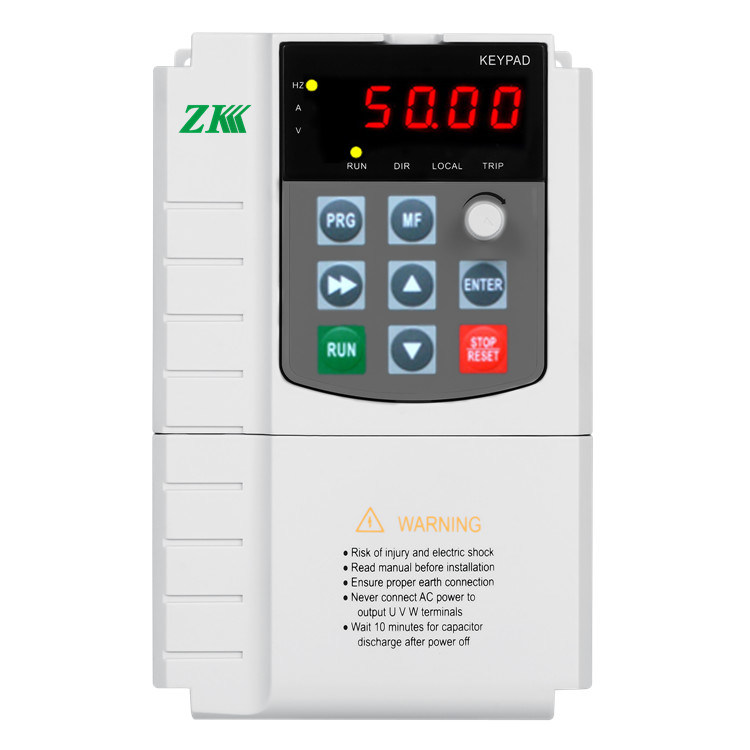
Manufacturing Standards and Testing QC for Hybrid Solar Inverter System
In industrial solar pumping and motor control applications, hybrid inverter systems must withstand extreme thermal cycling, agricultural chemical exposure, and continuous full-load operation while maintaining grid synchronization stability. For EPC contractors and automation distributors specifying equipment for harsh environments, manufacturing excellence transcends basic assembly—it requires rigorous process controls, environmental stress screening (ESS), and 100% functional validation that aligns with both solar PV and variable frequency drive (VFD) reliability standards.
Advanced PCB Protection and Conformal Coating Protocols
The printed circuit board (PCB) assembly process for hybrid solar inverters intended for pump control and industrial motor drives demands protection grades exceeding standard consumer electronics. Boray Inverter employs IPC-A-610 Class 3 high-reliability soldering standards combined with IPC-CC-830 qualified conformal coating processes to ensure longevity in high-humidity agricultural or dusty industrial settings.
Critical coating specifications include:
– Polyurethane or silicone-based conformal coatings (100–200μm thickness) providing dielectric insulation and moisture resistance against condensation in outdoor pump houses
– Three-proofing treatments (anti-moisture, anti-dust, anti-chemical) specifically formulated to resist pesticide overspray and fertilizer corrosion in agricultural deployments
– Selective coating application using automated dispensing systems that protect high-voltage IGBT driver circuits and MPPT controller sections while maintaining thermal dissipation paths for power components
– MIL-I-46058C compliance for insulation resistance, ensuring >100 MΩ surface resistivity after 1000 hours of 85°C/85% RH (relative humidity) testing
Environmental Stress Screening (ESS) and Burn-in Testing
To eliminate infant mortality failures before shipment, industrial-grade hybrid inverters undergo aggressive thermal aging protocols that simulate decade-long operational stresses:
High-Temperature Operating Life (HTOL) Testing: Units are subjected to 48–72 hours of continuous operation at +60°C ambient (exceeding standard IEC 62109 requirements) while cycling between full-load motor drive modes and battery charging states. This accelerates potential electrolytic capacitor degradation and solder joint fatigue, particularly critical for VFD-integrated hybrid systems managing pump motor inrush currents.
Thermal Shock Cycling: Rapid transition between -40°C and +85°C (15°C/minute ramp rates) validates thermal expansion tolerances in multi-layer PCBs and verifies integrity of high-current busbar connections essential for solar pump inverter reliability.
Damp Heat with Bias: 1000-hour 85/85 testing (85°C, 85% RH with operational voltage applied) confirms isolation transformer integrity and gate driver optocoupler performance under tropical agricultural conditions where dew point fluctuations are extreme.
100% Full-Load Production Testing
Unlike consumer electronics that rely on statistical sampling, Boray’s manufacturing protocol mandates 100% full-load burn-in for every hybrid inverter unit. This process validates:
- Dynamic Motor Load Simulation: Each unit drives a calibrated induction motor or permanent magnet motor (PMM) load bank through complete torque curves, verifying MPPT algorithm stability when transitioning from solar-only to hybrid grid-tie modes—critical for agricultural irrigation systems where water demand fluctuates seasonally.
- Multi-Mode Efficiency Validation: Testing across the full power spectrum (25%, 50%, 75%, 100%, and 110% overload) ensures conversion efficiency >97% at rated load and confirms seamless switching between grid-forming (island mode) and grid-following operations without motor torque disruption.
- Protection Circuit Verification: Real-time testing of over-voltage protection (OVP), under-voltage protection (UVP), over-current protection (OCP), and over-temperature protection (OTP) using automated fault injection systems. For solar pump applications, specialized dry-run protection and water hammer suppression algorithms undergo dedicated validation cycles.
Electromagnetic Compatibility (EMC) and Safety Certifications
Hybrid inverters functioning as both grid-tie interfaces and motor drives must satisfy stringent electromagnetic compatibility requirements to prevent interference with PLC control systems and agricultural automation networks:
CE Compliance Framework:
– LVD Directive (2014/35/EU): Compliance with EN 62109-1/2 (safety of power converters used in photovoltaic power systems) and EN 60204-1 (machinery electrical equipment)
– EMC Directive (2014/30/EU): EN 61000-6-2 (immunity for industrial environments) and EN 61000-6-4 (emission standards), ensuring operation alongside VFDs and pump soft-starters without conducted or radiated interference
– RoHS 2.0 and REACH: Full material traceability restricting hazardous substances in high-heat environments
IEC Standards Integration:
– IEC 62040-1: Uninterruptible power systems (UPS) safety requirements applicable to hybrid inverter battery backup functions
– IEC 61427-1: Secondary cells and batteries containing alkaline or other non-acid electrolytes—safety validation for lithium-ion or lead-acid battery integration
– IEC 60529: Ingress protection testing to IP65 or IP66 standards, mandatory for outdoor solar pump installations exposed to dust storms and high-pressure water jets
Motor Control Integration and VFD Compatibility Testing
Given Boray’s specialization in motor control solutions, hybrid inverter manufacturing includes proprietary validation for pump and industrial drive compatibility:
Variable Frequency Drive (VFD) Synchronization: Testing protocols verify seamless communication between the hybrid inverter’s battery management system (BMS) and external VFDs, ensuring stable DC bus voltage during motor acceleration ramps that prevent nuisance tripping.
MPPT-VFD Coordination: Specialized burn-in procedures validate Maximum Power Point Tracking algorithms when directly driving submersible pump motors, including:
– Rapid irradiance change simulation (1000 W/m² to 200 W/m² transitions in <2 seconds)
– Cavitation prevention through torque limitation testing
– Phase-loss protection for three-phase pump motors
Grid Anti-Islanding: UL 1741/IEC 62116 compliant testing ensures rapid detection (within 2 seconds) of utility grid loss, preventing dangerous back-feeding while maintaining critical pump operations via seamless islanding transition.
Supply Chain Quality and Traceability
Manufacturing excellence extends to component sourcing and data logging:
- IGBT and Capacitor Traceability: All power semiconductors and DC-link film capacitors carry lot codes traceable to wafer-level manufacturing, with 100% incoming inspection for voltage derating margins (typically 1.5×–2× operating voltage for 25-year lifespan targets).
- Automated Optical Inspection (AOI): Post-reflow PCB inspection using 5MP+ cameras to detect solder voids <25% of pad area, critical for high-current motor phase connections.
- Digital Burn-in Records: Each unit’s complete test profile (temperature curves, efficiency maps, protection trip points) is archived via serial number for EPC contractor warranty documentation and predictive maintenance analytics.
This comprehensive manufacturing and QC framework ensures that hybrid solar inverter systems deliver the reliability demanded by industrial automation and agricultural pumping applications, where equipment failure translates directly to crop loss or production downtime.
Step-by-Step Engineering Sizing Checklist for Hybrid Solar Inverter System
Before initiating procurement or installation, a systematic engineering validation ensures the hybrid solar inverter system aligns with both photovoltaic generation characteristics and the dynamic load profiles typical of industrial motor control applications. The following phased checklist integrates PV array physics, electrochemical storage parameters, and Variable Frequency Drive (VFD) compatibility requirements essential for agricultural and industrial hybrid deployments.
Phase 1: Load Characterization & Motor Compatibility Analysis
1.1 Motor Starting KVA Requirements
– Calculate the locked-rotor amperage (LRA) or inrush current of the largest motor in the system (typically 6-8x FLA for direct-on-line pumps).
– Verify the hybrid inverter’s surge capacity rating (typically 1.5-2.0x nominal for 10-60 seconds) exceeds the motor starting kVA. For soft-start or VFD-controlled pumps, confirm the inverter supports the specific ramp-up profile without triggering under-voltage faults.
1.2 Power Factor & Harmonic Distortion
– Document the load power factor (cos φ) across the operating curve. Industrial pumps often present 0.75-0.85 lagging PF.
– Ensure the hybrid inverter’s output power rating is de-rated by 1/cos φ if supplying direct motor loads without power factor correction.
– Verify Total Harmonic Distortion (THD) limits: <5% for sensitive agricultural sensors, <8% for standard induction motors.
1.3 Phase Configuration Matching
– Confirm motor voltage (230V/400V/480V 3-phase) matches the hybrid inverter’s AC output topology.
– For retrofit projects using existing pump VFDs, verify the hybrid inverter’s bypass frequency stability (±0.5 Hz) to prevent VFD input rectifier saturation during grid-tie-to-off-grid transitions.
Phase 2: DC Input Architecture & PV String Engineering
2.1 MPPT Voltage Window Optimization
– Calculate the maximum open-circuit voltage (Voc_max) at record low temperatures (using -0.3%/°C to -0.5%/°C temperature coefficient) to ensure it remains < hybrid inverter’s maximum DC input voltage.
– Determine the minimum MPPT voltage (Vmp_min) at highest cell temperatures to confirm it exceeds the inverter’s MPPT lower threshold (typically 200V-250V for residential units, 500V+ for industrial hybrids).
– Critical for pump systems: Size strings to maintain Vmp above the inverter’s minimum even during partial shading from irrigation equipment.
2.2 Current & Conductor Sizing
– Size PV conductors based on 1.25 x Isc (short-circuit current) per NEC or IEC 60364-5-52, accounting for hybrid inverter’s multiple MPPT inputs.
– Verify voltage drop <3% from array to inverter DC terminals to prevent MPPT efficiency losses during peak solar pumping hours.
2.3 Grounding & Arc Fault Detection
– Implement functional earthing (TN-S or TT systems) compatible with the hybrid inverter’s ground fault protection sensitivity (typically 30mA-300mA).
– For agricultural environments, specify arc fault circuit interrupter (AFCI) sensitivity appropriate for dusty conditions without nuisance tripping.
Phase 3: Hybrid Inverter Capacity & Topology Selection
3.1 Continuous vs. Peak Power Rating
– Size the inverter’s continuous AC output at ≥1.25x the sum of simultaneous motor loads plus auxiliary controls.
– Verify peak shaving capability: The inverter must handle motor starting surges while simultaneously charging batteries from solar (hybrid mode) without overload.
3.2 Charge Controller Integration
– Confirm the integrated solar charge controller supports the battery chemistry’s charging profile (LiFePO4: CC/CV with temperature compensation; Lead-acid: Bulk/Absorption/Float).
– Calculate maximum charge current: Battery Ah capacity × C-rate (typically 0.5C for lithium, 0.2C for AGM) must be ≥ inverter’s maximum charge current capability.
3.3 Transfer Switch Specifications
– For critical irrigation systems, verify the transfer time between grid and battery backup is <20ms (static switch) or <100ms (electromechanical) to prevent VFD control board resets.
– Specify anti-islanding protection (UL 1741/IEC 62116) with adjustable trip points for weak rural grids.
Phase 4: Energy Storage Sizing & Autonomy Calculations
4.1 Depth of Discharge (DoD) & Cycle Life
– Size battery capacity using:
Required kWh = (Daily Pumping Load kWh × Days of Autonomy) ÷ (DoD × Efficiency)
– For agricultural hybrids, size for 1-2 days autonomy (vs. 3-5 for residential) due to seasonal pumping predictability, but maintain 20% buffer for cloudy days.
– Specify batteries with ≥6000 cycles at 80% DoD for daily cycling applications.
4.2 C-Rate Compatibility
– Ensure the battery bank can source the inverter’s maximum discharge current during motor starting.
I_max_battery ≥ Inverter Surge Power ÷ Battery Voltage
– For high-torque submersible pumps, verify the battery C-rate (typically 1C continuous, 3C pulse for lithium) supports the inverter’s 2-3x surge demand without voltage sag below inverter low-voltage disconnect (LVD) thresholds.
Phase 5: Grid Interface & Export Limitations
5.1 Grid Code Compliance
– Verify the hybrid inverter supports local grid codes (IEEE 1547, VDE-AR-N 4105, G99/G100) regarding voltage and frequency ride-through for agricultural co-generation sites.
– Configure zero-export or limited-export settings if local regulations prohibit back-feeding to weak rural distribution networks.
5.2 Power Quality at Point of Common Coupling (PCC)
– Calculate prospective short-circuit current contribution from the hybrid system to ensure it does not exceed the distribution transformer’s fault capacity.
– Specify power factor correction at the PCC if the hybrid system operates in grid-tie mode with leading/lagging reactive power capability.
Phase 6: Environmental Derating & Installation Logistics
6.1 Thermal Management
– Apply derating curves: For every 1°C above 45°C ambient, reduce inverter continuous output by 2-3% (critical for pump houses with poor ventilation).
– Ensure IP65/NEMA 4X enclosure ratings for outdoor agricultural installations with irrigation spray exposure.
6.2 Electromagnetic Compatibility (EMC)
– Verify EMC Class B (residential) or Class A (industrial) compliance for operation near VFDs and pump control systems without interference.
– Shield communication cables between hybrid inverter and remote monitoring SCADA systems using RS-485 or CAN bus with proper termination resistors.
6.3 Maintenance Accessibility
– Plan for 1m minimum clearance around hybrid inverters for heat dissipation and <30kg battery module weight limits for single-person replacement in remote agricultural sites.
Final Verification: Cross-reference all calculated parameters against the hybrid inverter’s datasheet “Operating Envelope” graph, ensuring the intersection of voltage, current, and temperature for your specific solar pump/VFD application falls within the safe operating area (SOA) under all anticipated seasonal conditions.
Wholesale Cost and Energy ROI Analysis for Hybrid Solar Inverter System
For industrial-scale solar pumping and motor control applications, the procurement economics of hybrid solar inverter systems differ significantly from residential installations. EPC contractors and automation distributors must evaluate not merely the per-watt capital expenditure, but the total system integration costs when these units interface with Variable Frequency Drives (VFDs) and three-phase motor loads. The following analysis examines wholesale pricing architectures, energy return projections for agricultural and industrial automation deployments, and the critical role of warranty structures in long-term Total Cost of Ownership (TCO) calculations.
B2B Pricing Tiers and Volume Economics
In the industrial power electronics supply chain, hybrid solar inverters—particularly those rated for 380V/480V three-phase output suitable for driving VFDs—typically follow a tiered wholesale pricing model distinct from retail consumer markets. For EPC contractors managing solar pumping stations or microgrid installations, volume breakpoints generally structure as follows:
- Distributor Tier (1–9 units): Wholesale pricing averages 15–20% below MSRP, with limited technical support bundled. At this volume, units are typically procured for pilot projects or retrofitting existing motor control cabinets with hybrid functionality.
- Project Tier (10–49 units): Pricing improves to 25–30% below retail, inclusive of application engineering support for VFD integration and MPPT optimization for pump curves. This tier suits agricultural cooperatives deploying multiple solar irrigation systems.
- OEM/EPC Tier (50+ units): Volume pricing reaches 35–45% below retail, with custom firmware options for specific motor control algorithms and extended warranty terms negotiated at the contract level.
Critically, hybrid inverters designed for industrial motor control command a premium of approximately 12–18% over standard grid-tie inverters due to their bidirectional DC-AC conversion capabilities, grid-forming functionality for off-grid pump operation, and enhanced IGBT thermal management to handle motor starting inrush currents. When paired with Boray’s solar pump inverters, these hybrid units eliminate the need for separate battery inverters, reducing balance-of-system costs by 8–12% in integrated pumping applications.
Integration ROI: Hybrid Inverters in Solar Pumping and VFD Architectures
The energy ROI of hybrid solar inverter systems achieves maximum efficiency in industrial automation contexts where they function as the primary DC power source for VFD-driven motor systems. Unlike conventional solar-direct VFD setups that stall during irradiance fluctuations, hybrid configurations utilizing battery buffers enable:
Consistent Motor Starting Torque: Agricultural pumping applications require high starting currents (typically 3–7x running current). Hybrid inverters with integrated battery storage provide the instantaneous power necessary for VFD soft-start sequences without grid dependency, eliminating the need for oversized solar arrays purely to meet starting surge requirements. This reduces required PV capacity by 20–30% compared to direct-coupled solar pump systems.
Peak Shaving and Demand Charge Mitigation: For industrial facilities operating motors during daylight hours, hybrid inverters enable solar self-consumption while storing excess energy for high-tariff evening periods. When integrated with VFDs controlling HVAC or process pumps, this configuration reduces peak demand charges by 25–40%, typically achieving payback periods of 3.5–5 years depending on local utility rate structures.
Diesel Displacement Calculations: Remote pumping stations utilizing diesel generators for backup power realize Levelized Cost of Energy (LCOE) reductions of $0.18–$0.28 per kWh when hybrid solar inverters displace generator runtime. For a 75kW agricultural pumping system operating 2,000 hours annually, this translates to operational savings of $27,000–$42,000 per year, offsetting the higher upfront capital cost of hybrid inverter systems (typically $800–$1,200 per kW installed for industrial-grade units) within 18–24 months.
Warranty Cost Allocation and Lifecycle TCO
Industrial hybrid inverters for motor control applications require warranty structures that account for harmonic stress and thermal cycling inherent to VFD loads. Standard warranty offerings in the B2B sector include:
- Base Warranty (5 years): Included in wholesale pricing, covering manufacturing defects and IGBT failures under normal operating conditions (ambient temperatures -20°C to +60°C). Excludes damage from THDi (Total Harmonic Distortion) exceeding 5% or motor insulation failures reflected back to the inverter.
- Extended Warranty (Years 6–10): Typically costs 8–12% of the unit’s wholesale price per additional year. For critical pumping infrastructure, this investment is justified by the mean time between failures (MTBF) data—industrial hybrid inverters demonstrate MTBF of 50,000–70,000 hours under controlled conditions, but agricultural environments with dust, humidity, and voltage spikes from motor switching reduce effective lifespan by 15–20% without comprehensive coverage.
- Advanced Replacement Programs: Distributors often negotiate 48-hour replacement guarantees for projects utilizing standardized hybrid inverter-VFD pairings, minimizing agricultural downtime during critical irrigation windows.
When calculating TCO, EPC contractors should factor in the elimination of separate charge controllers and battery inverters. A unified hybrid architecture reduces installation labor by 30% and electrical component count by 40%, lowering potential failure points and O&M costs over the system lifecycle.
Strategic Procurement for Automation Distributors
For distributors serving the industrial automation sector, hybrid solar inverters represent a strategic pivot from commodity PV components to integrated energy management solutions. Successful B2B positioning requires emphasizing compatibility with existing VFD communication protocols (Modbus RTU/TCP, CANopen) and motor protection features. By standardizing on hybrid inverter platforms that support both grid-interactive and off-grid pump operation, distributors can reduce SKU complexity while serving the growing demand for resilient industrial microgrids where motor control reliability is paramount.
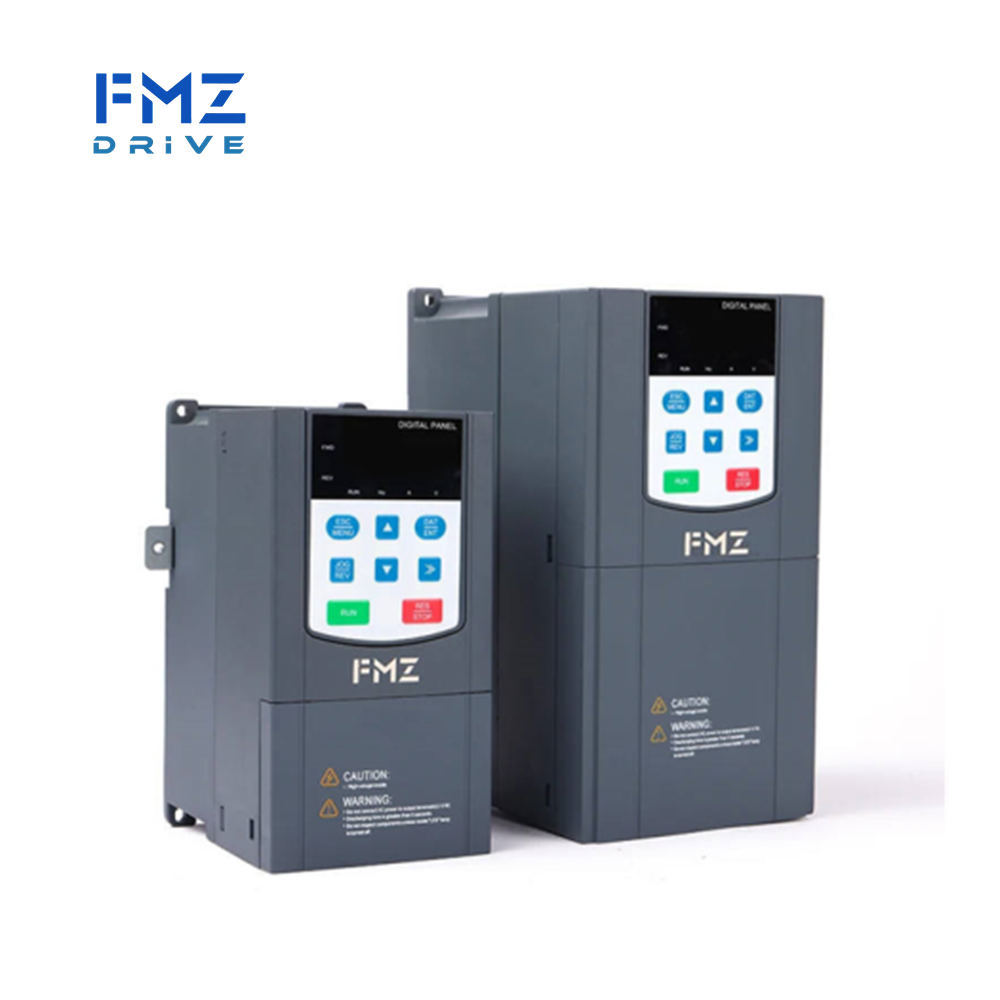
Alternatives Comparison: Is Hybrid Solar Inverter System the Best Choice?
When evaluating power conversion architectures for agricultural irrigation, industrial processing, or remote pumping stations, decision-makers must weigh not only the initial capital expenditure but also long-term operational flexibility, grid dependency risks, and motor control precision. While hybrid solar inverter systems offer compelling advantages in energy arbitrage and backup power, they are not universally optimal. The selection process requires rigorous comparison against alternative topologies—particularly when integrated with Variable Frequency Drive (VFD) applications, motor starting methodologies, and specific pump motor technologies.
System Architecture: Grid-Tied, Off-Grid, and Hybrid Configurations
For industrial facilities and large-scale agricultural operations, the fundamental choice lies in how the solar array interfaces with the load and the utility grid.
Grid-Tied (On-Grid) Systems with Standard Inverters represent the baseline for facilities with stable grid access. These systems maximize solar generation feed-in but offer zero backup capability during outages—a critical vulnerability for continuous processes like irrigation or water treatment. They also lack the DC-coupled battery integration that hybrid systems provide, requiring separate AC-coupled storage if backup is needed later, which introduces additional conversion losses (typically 2-4% efficiency penalty).
Off-Grid Systems provide complete autonomy but demand oversized battery banks and solar arrays to ensure reliability during low-irradiance periods. For industrial motor loads, this often results in prohibitively high CAPEX and battery maintenance costs, making them suitable only for remote locations where grid extension costs exceed $30,000-$50,000 per kilometer.
Hybrid Solar Inverter Systems occupy the strategic middle ground, offering:
– Peak Shaving: Reducing demand charges by supplementing grid power with stored solar energy during peak tariff periods
– Uninterruptible Power Supply (UPS) functionality for critical control systems and VFDs
– Grid-forming capability to maintain microgrid stability when utility power is intermittent
However, hybrid systems introduce complexity in protection coordination and require sophisticated energy management systems (EMS) to optimize charge/discharge cycles against motor load profiles.
Solar Pumping Topologies: DC Direct vs. AC VFD Integration
In agricultural and water management applications, the method of coupling solar generation to pump motors represents a crucial technical divergence.
DC-Coupled Solar Pumping utilizes specialized solar pump inverters (like Boray’s SP series) that drive motors directly from PV array DC output without battery storage. This architecture achieves the highest system efficiency (95-98%) and lowest cost for daytime-only pumping operations. However, it lacks operational flexibility—pumping stops when irradiance drops below the threshold, and it cannot provide pressurized water during evening hours without substantial battery augmentation.
AC VFD-Driven Systems with Grid Backup employ standard motor VFDs powered by either grid electricity or solar energy via a grid-tied inverter. This approach allows 24/7 operation and soft-starting of large induction motors, reducing mechanical stress and water hammer. The trade-off is lower solar utilization efficiency (88-92% accounting for double conversion losses) and higher energy costs when grid power must supplement solar generation.
Hybrid Integrated Systems combine MPPT solar charging, battery storage, and VFD motor control within a unified platform. This topology enables:
– Scheduled pumping during off-peak hours using stored solar energy
– Soft starting of high-inertia pumps without grid inrush current limitations
– Power quality management to protect sensitive VFD electronics from grid voltage sags
The complexity cost is significant—hybrid systems require 15-25% higher initial investment than DC-direct pumping, but deliver superior operational autonomy for critical water supply applications.
Motor Control Methodology: VFD vs. Soft Starter
For industrial motors driving pumps, fans, and compressors, the choice between full Variable Frequency Drive control and reduced-voltage Soft Starting significantly impacts hybrid system design.
Soft Starters limit inrush current (typically 3-4x FLA vs. 6-8x direct online) but operate at fixed frequency once started. They are cost-effective for applications requiring only start/stop control without flow modulation. However, they cannot optimize pump curves for varying solar irradiance or provide energy recovery during deceleration.
VFDs (Variable Frequency Drives) offer precise speed control, enabling:
– Maximum Power Point Tracking (MPPT) optimization when paired with solar inverters
– Flow/pressure regulation without mechanical throttling valves
– Energy regeneration capabilities in hybrid systems with active front ends
In hybrid solar applications, VFDs are essential when the system must maintain constant output despite fluctuating solar input, whereas soft starters are limited to applications where grid power provides the primary energy source and solar merely supplements during daylight hours.
Motor Technology Selection: PMSM vs. Induction Motors (IM)
The motor type selected fundamentally determines the inverter requirements and system efficiency in hybrid solar pumping.
Permanent Magnet Synchronous Motors (PMSM) offer superior efficiency (IE4/IE5 ratings) and power density, making them ideal for solar-powered applications where every watt counts. They require precise vector control algorithms typically found in advanced VFDs or specialized solar pump inverters. PMSMs maintain high efficiency across partial load conditions—critical for morning/evening pumping when solar irradiance is reduced.
Induction Motors (IM) provide robustness, lower initial cost, and maintenance simplicity. Standard VFDs can control IMs effectively, but efficiency drops significantly at partial loads (below 50% load, efficiency can fall by 8-12%). In hybrid systems, IMs are preferable for grid-heavy applications with solar supplementation, while PMSMs maximize the utilization of limited solar and battery capacity in off-grid or hybrid configurations.
Comparative Analysis Matrix
| Parameter | Grid-Tied + Standard VFD | DC Solar Pump Inverter | Hybrid Solar Inverter + VFD | Soft Starter + Grid Power |
|---|---|---|---|---|
| Initial CAPEX | Medium | Low | High | Low-Medium |
| Energy Efficiency | 90-93% (double conversion) | 96-98% (single conversion) | 88-92% (battery losses) | 85-88% (fixed speed) |
| Backup Power | None | None | Yes (battery/UPS) | Requires separate UPS |
| Motor Control | Full VFD (0-100% speed) | VFD-integrated (DC input) | Full VFD with solar priority | Limited (start/stop only) |
| Grid Dependency | High | None | Low-Medium | High |
| Harmonic Distortion | Medium (5-8% THDi) | Low (sine wave output) | Low (active filtering) | High (thyristor switching) |
| Suitable Motor Types | IM, PMSM | PMSM (preferred), BLDC | IM, PMSM, Servo | IM only |
| Operational Flexibility | High (grid stable) | Low (sunlight only) | Very High (time-shifted pumping) | Low |
| Maintenance Complexity | Standard | Minimal | High (battery management) | Minimal |
| Typical ROI Period | 4-6 years | 2-3 years | 5-8 years | 6-10 years |
| Best Application | Factory automation, stable grid | Remote irrigation, daytime pumping | Critical water supply, peak shaving | Basic HVAC, constant flow pumps |
Strategic Selection Framework
Choose Hybrid Solar Inverter Systems when:
– The application requires 24/7 operational continuity with grid backup for critical processes (municipal water supply, livestock watering, industrial cooling)
– Peak demand charge reduction justifies the battery storage premium
– The site experiences frequent grid outages requiring seamless transfer (0ms transfer for VFD protection)
– Future expansion to full off-grid capability is anticipated
Choose DC Solar Pump Inverters (Non-Hybrid) when:
– The operational requirement is strictly daytime pumping (irrigation reservoirs, pond aeration)
– Capital constraints prohibit battery investment
– The installation site is extremely remote with no grid access and minimal backup power needs
Choose Grid-Tied VFD Systems when:
– Grid power is stable and inexpensive
– Solar generation serves primarily for carbon reduction rather than energy independence
– The motor loads require high dynamic response without battery latency constraints
Choose Soft Starters only for basic applications where variable flow is unnecessary and the primary goal is reducing electrical infrastructure sizing during motor starting, with solar integration handled through separate grid-tied systems.
For EPC contractors and automation distributors, the hybrid solar inverter represents not merely a power conversion device but a microgrid controller capable of optimizing multi-source energy flows. When paired with Boray’s advanced VFD technologies and PMSM-optimized control algorithms, hybrid systems deliver the highest level of operational resilience for mission-critical pumping and processing applications—provided the increased system complexity aligns with the client’s technical capabilities and long-term O&M budgets.
Core Technical Specifications and Control Terms for Hybrid Solar Inverter System
When specifying hybrid solar inverter systems for industrial and agricultural deployments, engineers must evaluate parameters that extend beyond nominal power ratings. The integration of photovoltaic generation, battery energy storage, and AC motor loads—particularly in solar pumping applications—demands precise attention to power conversion efficiency, dynamic control algorithms, and international procurement logistics. Below are the critical technical specifications and commercial terms governing system design, procurement, and commissioning.
Critical Technical Specifications
Maximum Power Point Tracking (MPPT) Dynamics
In solar pumping and hybrid storage applications, MPPT efficiency determines the actual energy yield from PV arrays. Modern hybrid inverters utilize multi-peak scanning algorithms with tracking efficiencies exceeding 99.5%, capable of handling wide DC input voltage ranges (typically 200V–850V for commercial units) to accommodate varying string configurations. For agricultural projects with fluctuating irradiance due to dust or partial shading, dual or triple MPPT inputs allow independent array management, preventing mismatch losses across different panel orientations or soiling conditions.
Vector Control (Field-Oriented Control – FOC)
Unlike scalar V/f control used in basic pump drives, vector control decouples the magnetic flux and torque components of AC motor current, enabling precise speed regulation (±0.5% accuracy) and high starting torque (150–200% rated torque at 0 Hz). This is essential for submersible pumps with high static head requirements or positive displacement pumps where flow rate must remain constant despite varying solar irradiance. The control algorithm requires accurate motor parameter identification and encoderless feedback mechanisms to maintain stable operation across the 0.5–50/60 Hz range.
PID Process Control Integration
For closed-loop pressure maintenance in irrigation networks or constant water level applications, hybrid pump inverters incorporate onboard PID controllers. These compare feedback signals from pressure transducers or level sensors (4–20 mA or 0–10V inputs) against setpoints, automatically adjusting motor frequency to maintain system equilibrium. The proportional, integral, and derivative gains must be tunable via HMI or remote SCADA interfaces to prevent oscillation in long pipeline networks with high hydraulic inertia.
Power Quality Metrics
Total Harmonic Distortion (THD) specifications are critical when hybrid inverters operate in parallel with diesel generators or weak grid infrastructure. Current THDi should remain below 3% at rated load to prevent transformer overheating and capacitor bank resonance. Additionally, DC injection must be limited to <0.5% of rated output current to avoid grid-side transformer saturation.
Environmental Protection Ratings
Agricultural and industrial installations demand IP65 or IP66 enclosure ratings for outdoor mounting, protecting against dust ingress and high-pressure water jets during cleaning operations. Operating temperature ranges of -25°C to +60°C with automatic derating above 45°C ensure reliability in desert climates or tropical environments with high humidity (up to 95% non-condensing).
Communication and Grid Integration
Hybrid systems require robust communication architectures: RS485/Modbus RTU for local BMS integration, CAN bus for lithium battery management systems, and Ethernet/4G modules for remote monitoring via cloud-based SCADA. Anti-islanding protection (UL1741/IEC 62116 compliance) and configurable grid support functions (voltage ride-through, frequency-watt control) are mandatory for utility-interactive installations.
Commercial Terms and Logistics Framework
Incoterms 2020 Classifications
For EPC contractors managing international solar pumping projects, precise Incoterms definition prevents cost and liability disputes:
-
EXW (Ex Works): The seller makes goods available at their factory. The buyer assumes all transportation costs, export clearance, and risk transfer from the factory gate. Suitable for buyers with established freight forwarding networks purchasing bulk VFD and inverter components for local assembly.
-
FOB (Free On Board): The seller delivers goods onto the vessel at the port of shipment, handling export customs clearance. Risk transfers when goods cross the ship’s rail. The buyer pays ocean freight, insurance, and import duties. This term balances cost responsibility for heavy electrical equipment shipped via container or break-bulk.
-
CIF (Cost, Insurance, and Freight): The seller contracts and pays for carriage to the destination port, including minimum insurance coverage (typically Institute Cargo Clauses C). Risk still transfers at the loading port, though the seller bears freight costs. Critical for agricultural projects in landlocked regions where the seller must arrange ocean freight to the nearest port (e.g., Mombasa or Dar es Salaam for East African solar farms).
-
DDP (Delivered Duty Paid): The seller assumes all costs and risks to the named destination, including import duties and taxes. While convenient for turnkey solar pumping installations, this requires the seller to possess import licenses and tax registration in the destination country—often impractical for Chinese manufacturers without local subsidiaries.
Technical Documentation Requirements
B2B procurement specifications should mandate provision of IEC 61400-21 compliant test reports, CE/UL certification documents, and motor compatibility matrices. For VFD-integrated hybrid systems, torque-speed curves and harmonic analysis reports for specific pump load profiles must accompany shipping documentation to facilitate customs clearance under HS codes 8504.40 (static converters) or 8413.70 (pump parts).
Warranty and Service Level Agreements
Industrial hybrid inverters typically carry 5-year standard warranties with extensions to 10 years for IGBT modules and capacitors. For remote agricultural deployments, specify minimum 72-hour spare parts availability through regional service centers and technical support in English/Spanish/French to support local integrators during commissioning and vector control parameter optimization.
Future Trends in the Hybrid Solar Inverter System Sector
The next generation of hybrid solar inverter systems is rapidly transcending their traditional role as passive DC-to-AC conversion units. For industrial engineers, agricultural project managers, and EPC contractors, these devices are evolving into intelligent energy nodes that seamlessly bridge photovoltaic generation, battery storage, and sophisticated motor control architectures—including the Variable Frequency Drives (VFDs) critical for solar pumping and heavy-load industrial automation. This technological convergence is driving three transformative trajectories: autonomous energy management through AI-driven automation, deep bidirectional integration with grid infrastructure and industrial motor systems, and the proliferation of IoT-native monitoring ecosystems that redefine operational reliability.
AI-Driven Predictive Maintenance and Dynamic Load Optimization
The integration of machine learning algorithms directly into hybrid inverter firmware represents a paradigm shift from reactive to predictive maintenance strategies. Modern hybrid inverters are increasingly deployed as edge-computing nodes capable of analyzing historical load patterns, irradiance data, and motor performance metrics in real time. For solar pumping applications, this means the inverter can autonomously coordinate with VFDs to adjust pump curves based on predicted solar availability and water reservoir levels, minimizing mechanical stress and extending motor life.
Predictive analytics now enable the detection of anomalies in motor bearing temperatures, insulation resistance degradation, and harmonic distortions before they trigger system failures. For agricultural project managers overseeing distributed irrigation networks, this capability translates to reduced OPEX and elimination of unplanned downtime in remote locations. Furthermore, AI-optimized Maximum Power Point Tracking (MPPT) algorithms are evolving to account for partial shading from agrivoltaic configurations, dynamically balancing energy harvest between crop protection panels and pumping loads without manual intervention.
Grid-Interactive Storage and Industrial Electrification
Future hybrid architectures are being engineered for sophisticated grid-interactive capabilities that extend beyond simple net metering. These systems function as decentralized grid stabilizers, providing frequency regulation, voltage support, and reactive power compensation—services increasingly valuable to industrial facilities with high inductive loads from motor drives. The convergence of hybrid inverters with VFD technology enables “sector coupling” strategies where excess solar energy not only charges batteries but also drives high-efficiency motor systems for water pumping, compressed air generation, or even green hydrogen production via electrolysis.
For EPC contractors, this trend necessitates inverters capable of seamless microgrid formation. Advanced hybrid units can now island specific industrial sectors during grid outages, maintaining critical motor loads while synchronizing with backup generators or secondary storage banks. The ability to operate in “virtual power plant” (VPP) aggregations allows clusters of solar pumping stations to participate in demand response programs, offering grid services while ensuring agricultural water supply remains prioritized through intelligent load shedding protocols.
IoT-Enabled Digital Twins and Cloud-Native SCADA
The proliferation of Industrial Internet of Things (IIoT) connectivity is transforming hybrid inverters into data-rich endpoints within comprehensive digital ecosystems. Modern systems feature embedded gateways supporting Modbus TCP/IP, CANopen, and MQTT protocols, enabling bidirectional communication between the inverter, VFD parameters, and cloud-based SCADA platforms. This integration allows for the creation of digital twins—virtual replicas of physical solar pumping installations that simulate performance under varying weather conditions, soil moisture requirements, and electricity tariff structures.
Remote monitoring innovations now include augmented reality (AR) diagnostic interfaces, where field technicians can access real-time inverter and motor control data through wearable devices, overlaying thermal imaging and vibration analysis directly onto physical equipment. For automation distributors, this shift toward software-defined functionality creates new value streams through Firmware-as-a-Service (FaaS) models, where MPPT algorithms and safety protection curves can be updated remotely to accommodate evolving grid codes or specific motor control requirements without hardware replacement.
Cybersecurity has become paramount as these systems interconnect with critical infrastructure. Next-generation hybrid inverters incorporate hardware security modules (HSMs) and encrypted communication channels to protect against unauthorized access to motor control parameters and energy management systems, ensuring the integrity of industrial automation networks.
Wide Bandgap Semiconductors and High-Density Integration
The adoption of Silicon Carbide (SiC) and Gallium Nitride (GaN) power electronics is enabling hybrid inverters to achieve higher switching frequencies with reduced thermal losses—critical for integration with high-performance VFDs in solar pumping applications. These wide bandgap technologies allow for more compact enclosures without derating in harsh ambient temperatures, reducing cooling requirements and enabling installation in space-constrained agricultural pump houses or desert environments.
Higher switching frequencies also facilitate finer motor control, reducing torque ripple and audible noise in submersible pumps while improving overall system efficiency by 2-3 percentage points. For electrical engineers, this means simplified filter designs and reduced electromagnetic interference (EMI) when co-locating hybrid inverters with sensitive automation equipment.
Modular, Serviceable Architectures for Scalable Deployment
Recognizing the capital-intensive nature of industrial solar projects, manufacturers are moving toward modular hybrid inverter designs featuring hot-swappable power stages and battery interface modules. This architecture allows EPC contractors to standardize on a single platform for projects ranging from small agricultural pumping stations to multi-megawatt industrial microgrids, scaling capacity through parallel stacking rather than complete system redesign.
Standardized communication protocols ensure these modular units integrate seamlessly with existing motor control centers (MCCs) and programmable logic controllers (PLCs), preserving investments in legacy automation infrastructure while adding energy storage capabilities. The trend toward plug-and-play battery compatibility—supporting both lithium-ion and emerging flow battery chemistries—provides end-users with procurement flexibility and future-proofing against evolving energy storage technologies.
As these trends converge, the hybrid solar inverter is cementing its position as the central nervous system of modern industrial energy infrastructure, orchestrating a harmonious balance between renewable generation, electrochemical storage, and precision motor control to deliver unprecedented levels of efficiency, resilience, and operational intelligence.
Top 3 Hybrid Solar Inverter System Manufacturers & Suppliers List
Top 10 Solar hybrid inverter Manufactures
Website: srnesolar.com
SRNE Solar Co., Ltd specializes in solar energy solutions with product categories including Residential Hybrid Inverters, Residential Off-Grid Inverters, C&I (Commercial & Industrial) Storage Inverters, Energy Storage Systems, Solar Charge Controllers, and RV Solar Power Kits. Key inverter series identified: HESP Hybrid Inverter series covering Single/Split Phase Low Voltage (3.6-6.5kW for US/JP/A…
Top 5 Solar Inverter Brands for PV Hybrid Systems (2025 Guide)
Website: elum-energy.com
Huawei FusionSolar inverters lead with 44% of project quotations, featuring grid compliance capabilities for Enedis HTA connections and compatibility with solar-diesel hybrid controllers (e.g., Elum SD controller), demonstrated in 11 MWp utility-scale installations. Sungrow holds 22% market share with globally deployed inverter and storage solutions across Asia, Africa, Middle East, and Europe. SM…

Top Solar Inverter Supplier 2025: Trusted Brands & Expert Guidance
Website: aforenergy.com
Analysis of Afore Energy (aforenergy.com) product portfolio reveals a comprehensive focus on solar energy systems without industrial VFD or motor control offerings. Key product categories extracted: 1) PV STRING INVERTERS: Single-phase models (1-3kW, 3-6kW, 7-10kW ranges); Three-phase models spanning 3-25kW, 30kW, 36-60kW, 70-110kW, plus specialized Low-voltage Series (3-15kW, 17-30kW, 40-60kW). 2…
B2B Engineering FAQs About Hybrid Solar Inverter System
Q1: How does a hybrid solar inverter interface with VFD-based solar pump systems to manage motor inrush currents during off-grid transitions?
In solar pumping applications, the hybrid inverter serves as the primary DC power source and energy router, while the dedicated solar pump VFD (such as Boray’s PV500 series) manages motor dynamics. During off-grid transitions, the hybrid inverter’s battery bank provides the instantaneous power required for motor starting—often 3-7x the running current—while the VFD executes a controlled V/Hz ramp to limit inrush. Critical integration points include:
– DC Bus Coupling: Ensure the hybrid inverter’s battery voltage range (typically 48V-600V DC) matches the VFD’s DC input specifications to avoid additional conversion stages
– Power Reserve Allocation: Configure the hybrid inverter to maintain 20-30% battery SOC headroom specifically for motor starting events, preventing undervoltage trips during cloud transients
– Synchronization Protocols: Utilize Modbus RTU or CAN bus communication between the hybrid inverter’s BMS and the VFD to enable pre-charge sequences and torque-limiting algorithms before motor engagement
Q2: What MPPT voltage window and tracking speed specifications should agricultural engineers prioritize when selecting hybrid inverters for submersible pump applications with varying solar irradiance?
Centrifugal pumps present a cubic load curve (torque ∝ speed³), requiring stable DC bus voltage during rapid irradiance changes. For submersible applications:
– Voltage Window: Specify wide MPPT ranges (e.g., 200V-850V DC) to accommodate both low-light morning operation and high-noon generation without switching losses
– Tracking Speed: Demand tracking algorithms with <500ms response times to prevent pump cavitation during cloud passage; slower MPPT trackers cause DC voltage collapse that triggers VFD undervoltage faults
– Dual MPPT Inputs: For agricultural installations with multiple pump stations, dual MPPT channels allow independent optimization of east/west-facing arrays, maintaining flow rates during partial shading from irrigation equipment
Q3: In hybrid systems powering both irrigation pumps and processing equipment, how should protection coordination be configured between the inverter’s anti-islanding protection and downstream motor circuit protectors?
Protection coordination requires hierarchical selectivity to prevent nuisance tripping during grid faults:
– Time-Current Curves: Set the hybrid inverter’s anti-islanding detection (typically 2-second maximum disconnect per IEEE 1547) faster than downstream motor thermal overloads but slower than VFD instantaneous overcurrent protection
– Frequency Ride-Through: Configure programmable frequency thresholds (±0.5Hz for 10 cycles) to allow VFDs to ride through brief grid disturbances without dropping motor loads, while the hybrid inverter prepares for islanding mode
– Ground Fault Integration: In TN-S or TT grounding systems, ensure the hybrid inverter’s RCD (Residual Current Device) sensitivity (30mA for personnel protection) coordinates with motor insulation monitoring devices (IMDs) typically set at 300mA-1A for equipment protection
Q4: What are the power quality implications, specifically THD and power factor considerations, when operating multiple VFDs downstream of a hybrid inverter in islanded mode?
Islanded operation eliminates grid impedance that normally absorbs harmonic currents, requiring careful harmonic management:
– THD Mitigation: Standard VFDs generate 5th, 7th, and 11th harmonics (THDi 30-40%). Specify hybrid inverters with active filtering capabilities or LCL output filters to maintain THDu <5% per IEEE 519, preventing motor overheating and bearing currents
– Power Factor Correction: Unlike grid-tied operation where utilities provide reactive power, islanded hybrid inverters must supply VARs for VFD input rectifiers. Ensure the hybrid inverter can provide at least 0.8 leading/lagging power factor to maintain voltage stability when pumps cycle on/off
– Common Mode Voltage: In long cable runs (>50m) between hybrid inverters and pump VFDs, specify output reactors or sine wave filters to mitigate reflected wave phenomena that damage motor insulation
Q5: For EPC contractors designing solar irrigation projects, how does the sizing methodology differ between standard hybrid inverters and dedicated solar pump inverters when accounting for daily water volume (m³) requirements versus kWh consumption?
Traditional hybrid inverter sizing focuses on energy arbitrage (kWh/day), while solar pumping requires hydraulic energy calculations:
– Hydraulic Load Profiling: Calculate required hydraulic energy (kWh) = (Flow rate [m³/h] × Total Dynamic Head [m] × 9.81) / (3,600 × Pump Efficiency). Size the hybrid inverter’s PV array for peak solar irradiance (W/m²) coinciding with peak water demand, not just annual kWh generation
– Duty Cycle Considerations: Unlike constant loads, pumps operate intermittently based on tank levels or soil moisture sensors. Size battery capacity for “solar shifting” to power pumps during evening irrigation windows, typically requiring 4-6 hours of autonomy at pump rated power
– Starting vs. Running Power: While standard hybrid inverters are sized for continuous load, pump applications require 150-200% overload capacity for 60 seconds to handle submersible pump starting torque without triggering current limit faults
Q6: Which communication protocols and grid management functions enable effective integration of hybrid inverters with existing farm automation systems, particularly for remote monitoring of pump status and fault diagnostics?
Industrial IoT integration requires robust fieldbus protocols:
– Protocol Stack: Implement Modbus TCP/IP for Ethernet-based SCADA integration, or RS-485 with Modbus RTU for cost-effective serial networks spanning multiple pump stations. Advanced systems utilize IEC 61850 for utility-scale agricultural projects requiring standardized data models
– Data Points: Monitor hybrid inverter parameters (SOC, grid import/export, fault codes) alongside VFD-specific data (motor current, torque percentage, VFD temperature) through a unified HMI dashboard
– Remote Control Logic: Configure dry contact inputs on the hybrid inverter to receive signals from soil moisture sensors or float switches, enabling automated pump start/stop while maintaining battery reserve thresholds for critical loads (e.g., livestock watering)
Q7: How do the grid-forming capabilities of modern hybrid inverters impact motor starting performance compared to traditional grid-following operation, particularly regarding voltage sag and torque delivery?
Grid-forming (GFM) inverters create a voltage source with controlled impedance, fundamentally changing motor starting dynamics:
– Voltage Stiffness: GFM inverters maintain ±2% voltage regulation during motor inrush, compared to grid-following inverters that may sag 10-15% when switching from grid-tie to battery mode. This ensures VFDs maintain DC bus voltage and avoid undervoltage faults during high-torque starts
– Inertial Response: Virtual synchronous machine (VSM) algorithms in advanced hybrid inverters provide rotational inertia emulation, delivering instantaneous reactive power during motor acceleration that mimics traditional grid behavior
– Soft-Start Coordination: When operating without VFDs (direct-online starting), GFM inverters can be programmed for “soft grid” formation—gradually ramping voltage and frequency over 2-5 seconds to reduce locked-rotor current in irrigation pumps up to 22kW
Q8: What thermal derating curves and environmental protection ratings (IP/UL) should be specified for hybrid inverters installed in agricultural environments with high humidity, dust, and simultaneous operation of high-inductive motor loads?
Agricultural installations present harsh thermal and environmental stresses:
– Ingress Protection: Specify IP65 or NEMA 4X enclosures to protect against irrigation spray, dust, and fertilizer corrosion. For indoor pump houses, IP54 minimum with conformal coating on PCBs per IEC 60721-3-3 Class 3C2 (chemical resistance)
– Thermal Derating: Demand derating curves showing continuous operation at 45°C ambient with 100% inductive load (0.8 pf lagging). Standard inverters rated at 40°C require 2% derating per degree above threshold; agricultural installations often exceed 50°C in pump houses
– Inductive Load Factor: Verify the hybrid inverter is rated for motor loads (Category III utilization) rather than just resistive loads. Inductive switching creates voltage spikes that stress IGBT modules—specify inverters with reinforced isolation (3.5kV) and snubber circuits for pump motor switching transients
Disclaimer
⚠️ Important Disclaimer
The information provided in this guide is for educational purposes. Industrial applications and electrical engineering projects carry inherent risks. B2B buyers and contractors must conduct thorough technical due diligence and verify regional compliance before installation or procurement.
Conclusion: Partnering with Boray Inverter for Hybrid Solar Inverter System
The transition to hybrid solar architecture represents more than an incremental upgrade—it is a strategic imperative for industrial operations and agricultural infrastructure seeking energy autonomy and operational resilience. By unifying photovoltaic generation, battery storage management, and grid-interactive capabilities within a single intelligent node, hybrid inverter systems eliminate the fragmentation traditionally associated with multi-vendor solar installations. For EPC contractors and automation engineers, this consolidation translates to reduced system complexity, lower balance-of-system costs, and enhanced diagnostic visibility across the entire powertrain.
However, the theoretical advantages of hybrid topology can only be realized through hardware engineered to withstand the rigors of agricultural environments and industrial duty cycles. This is where Shenzhen Boray Technology Co., Ltd. distinguishes itself as your critical manufacturing partner. As an innovative specialist in Solar Pumping and Motor Control Solutions based in China, Boray Inverter combines deep domain expertise in variable frequency drive technology with robust solar integration capabilities. Our R&D division comprises 50% of our workforce, maintaining mastery over advanced PMSM and IM vector control algorithms that optimize motor efficiency across fluctuating solar irradiance conditions and varying pump loads.
Operating two state-of-the-art production lines with 100% full-load testing protocols, Boray ensures that every unit destined for irrigation networks or automated processing lines meets stringent reliability benchmarks for harmonic suppression and thermal management. Our solutions currently power critical infrastructure across global agriculture, irrigation, and industrial automation sectors, delivering the precise torque control necessary for long-term asset protection in harsh field conditions.
For project developers, system integrators, and distributors seeking to specify hybrid solar pumping systems or require customized VFD solutions, Boray Inverter offers the technical depth and manufacturing scalability to support your deployment timelines. Visit borayinverter.com to connect with our applications engineering team and request wholesale quotations tailored to your regional voltage standards and environmental requirements.