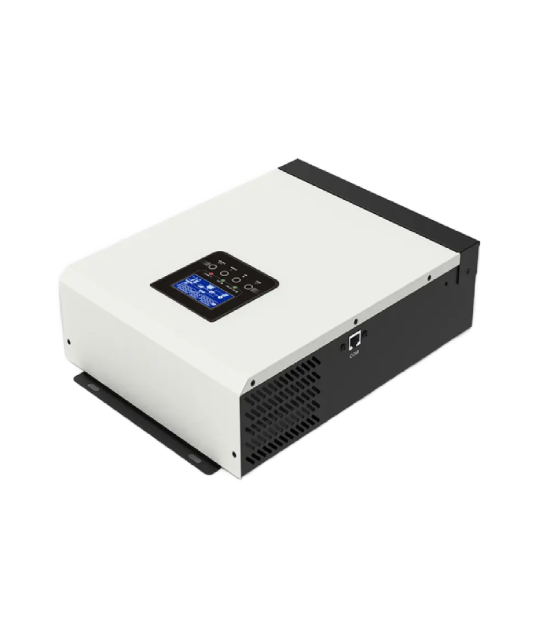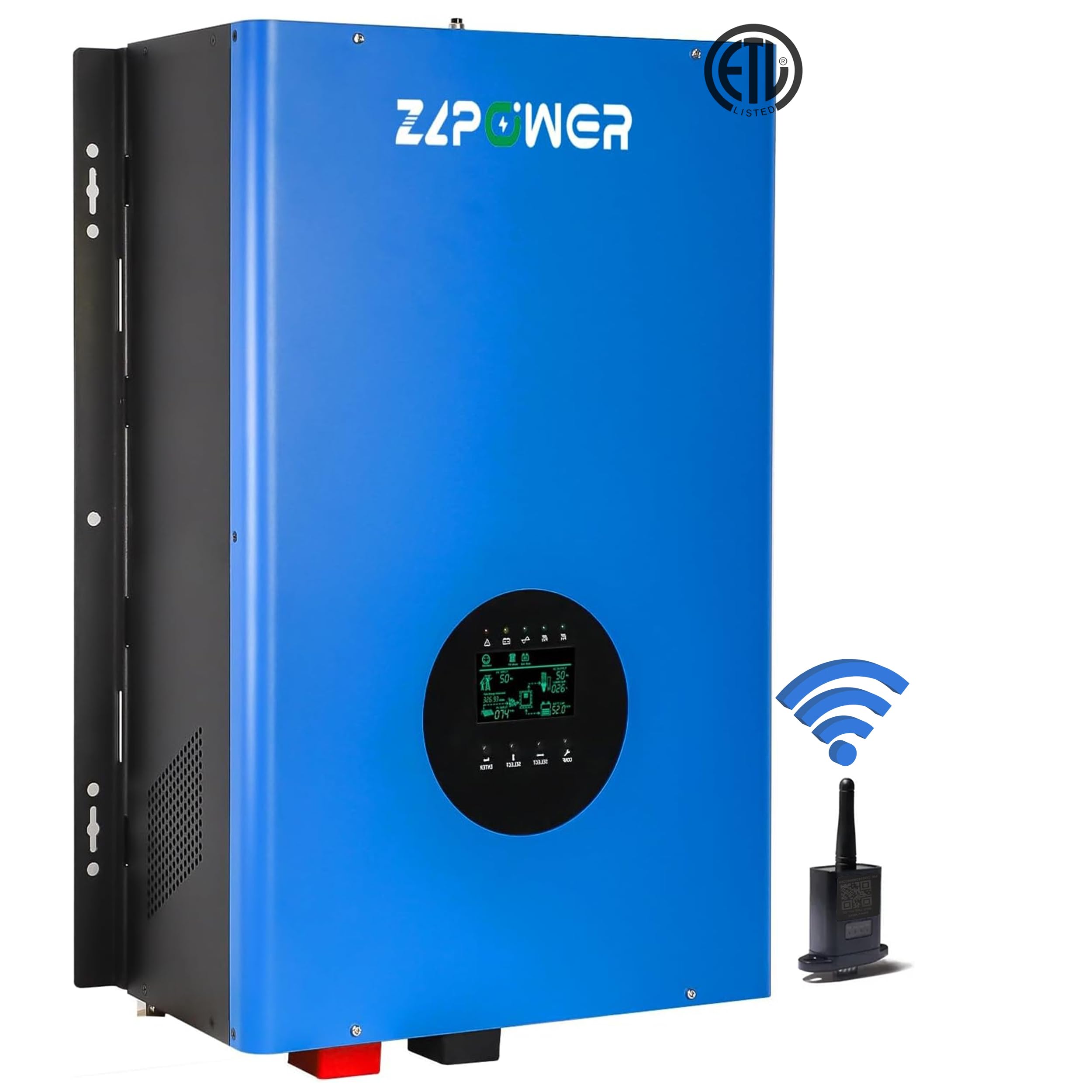
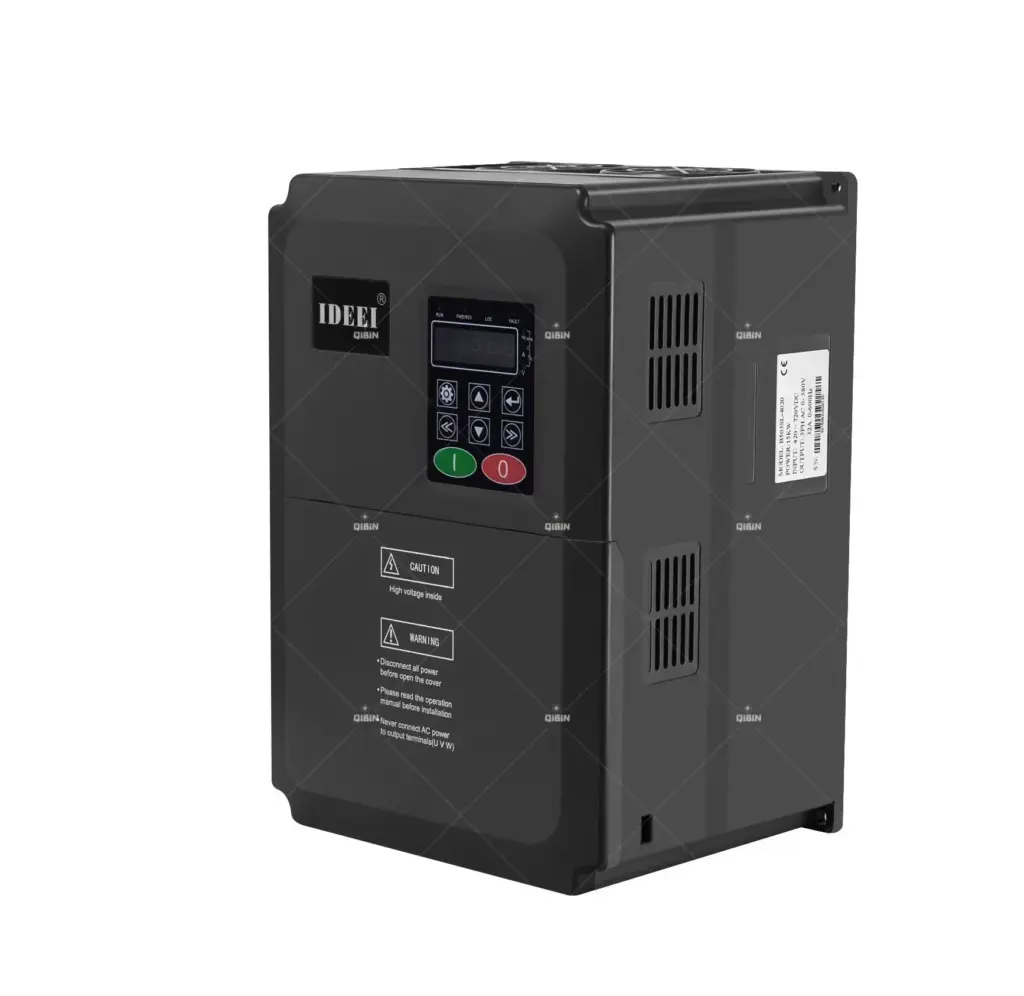
Introduction: Sourcing Hybrid Inverters For Solar for Industrial Use
Industrial operations and large-scale agricultural projects face a critical inflection point: the need to decouple high-energy processes from grid instability while maintaining precise motor control and pumping efficiency. Hybrid solar inverters have emerged as the central nervous system of modern distributed energy architectures, converging photovoltaic generation, battery storage management, and intelligent power conversion into a single industrial-grade platform. Unlike standard grid-tie inverters, these integrated systems enable seamless transitions between solar, battery, and utility power—essential for maintaining continuous operation of VFD-driven pumps, conveyor systems, and automated machinery during voltage fluctuations or peak demand periods.
This comprehensive guide addresses the technical procurement challenges facing EPC contractors, automation distributors, and project engineers sourcing hybrid inverters for heavy-duty applications. We examine the architectural distinctions between all-in-one inverter/charger units, split-phase configurations for agricultural pumping stations, and scalable off-grid solutions for remote industrial sites. Beyond basic power ratings, we analyze critical specifications including MPPT voltage ranges compatible with solar pump arrays, surge capacity for motor starting currents, and communication protocols for SCADA integration. The guide further evaluates manufacturer capabilities—distinguishing between consumer-grade residential units and industrial-tier equipment designed for harsh environmental conditions, extended duty cycles, and compatibility with existing VFD infrastructure. Whether retrofitting irrigation systems or designing microgrids for manufacturing facilities, understanding these parameters ensures your hybrid inverter selection aligns with both immediate load requirements and long-term automation scalability.
Article Navigation
- Top 3 Hybrid Inverters For Solar Manufacturers & Suppliers List
- Introduction: Sourcing Hybrid Inverters For Solar for Industrial Use
- Technical Types and Variations of Hybrid Inverters For Solar
- Key Industrial Applications for Hybrid Inverters For Solar
- Top 3 Engineering Pain Points for Hybrid Inverters For Solar
- Component and Hardware Analysis for Hybrid Inverters For Solar
- Manufacturing Standards and Testing QC for Hybrid Inverters For Solar
- Step-by-Step Engineering Sizing Checklist for Hybrid Inverters For Solar
- Wholesale Cost and Energy ROI Analysis for Hybrid Inverters For Solar
- Alternatives Comparison: Is Hybrid Inverters For Solar the Best Choice?
- Core Technical Specifications and Control Terms for Hybrid Inverters For Solar
- Future Trends in the Hybrid Inverters For Solar Sector
- B2B Engineering FAQs About Hybrid Inverters For Solar
- Disclaimer
- Conclusion: Partnering with Boray Inverter for Hybrid Inverters For Solar
Technical Types and Variations of Hybrid Inverters For Solar
Hybrid inverter architectures vary significantly based on voltage class, coupling methodology, and integration level with motor control systems. For industrial engineers and EPC contractors specifying equipment for solar pumping or automated manufacturing environments, understanding these technical distinctions is critical for system compatibility and lifecycle cost optimization.
The following classification focuses on electrical characteristics and control topologies most relevant to heavy-duty applications, including direct motor drive capabilities and high-voltage DC bus architectures.
| Type | Technical Features | Best for (Industry) | Pros & Cons |
|---|---|---|---|
| Three-Phase Industrial Hybrid (400V/480V Class) | • 3-phase AC output (380–480V nominal) • IGBT-based SVPWM control (2–16 kHz switching) • Direct motor starting capability (DOL/Soft-start hybrid) • Active/reactive power (VAR) control • Power range: 10kW–250kW+ |
Manufacturing plants, large-scale agricultural irrigation, wastewater treatment facilities, industrial pumping stations | Pros: Direct drive of 3-phase induction motors without external VFD; high power density; built-in power factor correction; grid-support functions (frequency-watt, volt-var). Cons: Requires balanced 3-phase loads or dummy loading for single-phase imbalance; higher capital cost per unit; complex commissioning requiring power quality analysis. |
| Split-Phase Hybrid Inverters (120V/240V) | • Dual voltage output (L-N 120V, L-L 240V) • Neutral bonding relay management • Stackable parallel operation (up to 9 units typical) • 50/60Hz auto-sensing • Power range: 3kW–15kW per unit |
North American commercial/residential, small farms, remote workshops, light commercial refrigeration | Pros: Grid-code compliant for split-phase markets (UL 1741-SA); flexible single/dual voltage supply; scalable modular architecture; simplified permitting. Cons: Power limitations for large 3-phase motors (requires phase-converter or stacking); higher per-watt cost at utility scale; limited fault current contribution compared to central inverters. |
| DC-Coupled High-Voltage Hybrids (150V–800V) | • High voltage battery input (150–800V DC) • Reduced DC current (I²R loss minimization) • Multiple MPPT inputs (4–12 strings) • Liquid cooling options for >50kW • Peak efficiency: 98%–98.6% |
Utility-scale storage, industrial microgrids, large commercial peak-shaving installations, data center backup | Pros: Minimal DC cabling losses (up to 40% reduction vs. 48V systems); compatible with high-voltage lithium racks (400V–800V); compact footprint; rapid charge/discharge rates. Cons: Limited to specific high-voltage battery chemistries (NMC, specific LFP architectures); stringent arc-flash and NEC 690.7 compliance requirements; higher safety training costs for maintenance personnel. |
| Solar Pumping Hybrid Inverters (VFD-Integrated) | • Integrated MPPT + DC-AC inversion + V/f control • Pump curve optimization algorithms • Dry-run protection (pressure transducer inputs) • AC/DC pump compatibility (brushless DC or induction) • Power range: 0.75kW–75kW |
Agricultural irrigation, remote water supply, livestock operations, aquaculture aeration | Pros: Eliminates separate VFD hardware and enclosure costs; optimized for pump affinity laws (quadratic torque curves); operates in pure off-grid mode (no grid required); soft-start reduces water hammer and motor inrush. Cons: Application-specific—suboptimal for non-motor loads; limited surge capacity compared to standalone VFDs; requires specific motor parameter programming (nameplate data critical). |
Three-Phase Industrial Hybrid Inverters (400V/480V Class)
For industrial automation and large-scale solar pumping applications, three-phase hybrid inverters represent the standard for direct motor integration. These units utilize Space Vector Pulse Width Modulation (SVPWM) to generate three-phase power with total harmonic distortion (THD) typically below 3%, meeting IEEE 519 standards for industrial power quality.
Unlike residential single-phase units, industrial hybrids incorporate DC bus voltage clamping circuits and regenerative braking resistors, allowing them to handle the back-EMF from large induction motors during deceleration. When paired with variable frequency drive (VFD) functionality—either internal or external—these inverters enable precise speed control for pumps and fans while maintaining grid-forming capabilities during outages.
Technical Consideration: When specifying for pumping applications, verify the inverter’s motor control mode (V/f control, sensorless vector control, or FOC) matches the driven load’s torque requirements. Centrifugal pumps require quadratic V/f curves, while positive displacement pumps need constant torque profiles.
Split-Phase Hybrid Inverters
Primarily serving North American markets, split-phase hybrids manage the complexity of 120V/240V dual-voltage distribution. These inverters employ split-phase transformers or H-bridge configurations with neutral line management relays to ensure proper grounding during grid-tied vs. off-grid transitions.
From a motor control perspective, split-phase units face limitations when driving three-phase motors. While phase-converter add-ons or inverter stacking (creating synthetic three-phase power) are possible, these configurations introduce voltage imbalance risks (typically ±5% max per NEMA MG-1 standards). For agricultural projects requiring sub-10HP motor drives, consider specifying three-phase hybrid units even in split-phase grid territories to avoid conversion losses.
DC-Coupled High-Voltage Architectures
High-voltage DC coupling (150V–800V battery bus) represents the optimal technical solution for minimizing copper losses in large-scale installations. By elevating the DC bus voltage, these systems reduce current by a factor of 10–16 compared to traditional 48V battery systems, enabling longer cable runs between battery containers and inverter skids without excessive voltage drop.
For EPC contractors, the critical specification parameter is the maximum DC input voltage rating (typically 1000V or 1500V) and the MPPT voltage window. High-voltage hybrids must maintain MPPT tracking efficiency across wide temperature-induced voltage swings, particularly in cold climates where open-circuit PV voltages can spike significantly.
Safety Note: High-voltage DC systems require arc-fault detection and rapid shutdown devices per NEC 690.11/690.12. Ensure specified inverters include integrated arc-fault circuit interrupters (AFCIs) with 2.5A detection sensitivity.
Solar Pumping Hybrid Inverters with Integrated VFD
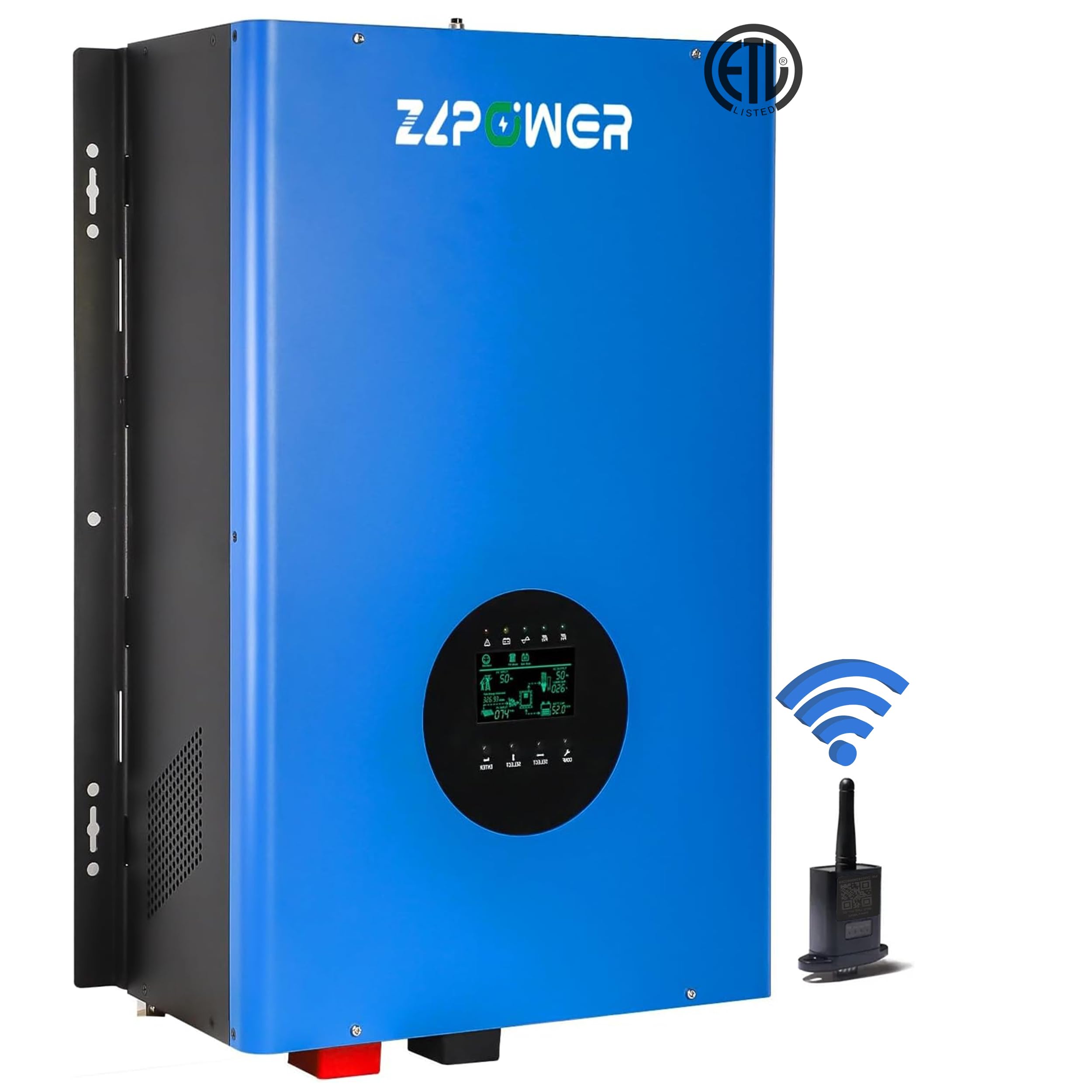
This specialized category merges solar pump inverter technology with battery hybrid functionality—a core competency for manufacturers like Boray Inverter serving the agricultural automation sector. These units combine Maximum Power Point Tracking (MPPT) for PV arrays with Variable Frequency Drive (VFD) motor control algorithms in a single enclosure.
Technical Distinction: Unlike standard hybrids that treat motors as simple resistive loads, pumping-optimized hybrids incorporate pump affinity law algorithms, automatically adjusting frequency to maintain constant pressure or flow based on transducer feedback. They feature “water shortage” protection logic that detects dry-run conditions via current signature analysis (monitoring for the characteristic current drop when cavitation begins) rather than requiring external float switches.
For agricultural project managers, the key advantage is hardware consolidation: eliminating the separate VFD, DC disconnects, and AC contactors typically required between a standard hybrid inverter and the pump motor. This reduces failure points and improves system efficiency by 3–5% by removing intermediary conversion stages.
Compatibility Check: Verify whether the unit supports AC/DC dual input (accepting both PV DC and grid AC or generator AC) for 24/7 pumping operations, and confirm the IP rating (typically IP65 for outdoor agricultural environments) matches the installation location’s exposure to dust and irrigation spray.
Key Industrial Applications for Hybrid Inverters For Solar
Hybrid inverters function as the central power conversion and management hub in industrial solar architectures, intelligently orchestrating DC photovoltaic input, battery storage, and AC grid or backup generation. For environments utilizing Variable Frequency Drives (VFDs) and high-inertia motor loads—such as solar pumping stations, HVAC networks, and continuous process lines—these systems provide critical grid-forming capabilities, harmonic compensation, and seamless transfer switching that standalone solar inverters cannot achieve. The following applications represent high-ROI deployments where hybrid technology addresses specific power quality and reliability challenges inherent to motor control operations.
| Sector | Application | Energy Saving Value | Sourcing Considerations |
|---|---|---|---|
| Agriculture & Precision Irrigation | Solar VFD-driven submersible and surface pumps with battery backup for nocturnal/peak-hour operation | 45–75% reduction in diesel or grid pumping costs; elimination of fuel logistics and time-of-use tariffs for 24/7 irrigation cycles | IP65/NEMA 4X enclosure rating for outdoor agricultural environments; wide MPPT voltage window (200–850VDC) to accommodate varying string configurations; RS485/CAN communication compatibility with pump-specific VFDs for integrated flow control |
| Water Treatment & Distribution | Municipal lift stations, membrane bioreactors, and desalination pre-treatment with solar-diesel-battery hybrid microgrids | 30–50% reduction in facility energy OPEX; compliance with N+1 redundancy requirements for critical infrastructure | Seamless transfer time <10ms to prevent VFD fault trips during source switching; anti-islanding protection with IEEE 1541/UL 1741 certification; compatibility with submersible pump VFDs requiring high starting torque (150% overload for 60s) |
| HVAC & Commercial Building Automation | Chiller plants, cooling tower fans, and ventilation systems utilizing solar self-consumption with peak demand shaving | 25–40% reduction in peak demand charges (kW) and 15–25% reduction in consumption (kWh); improved power factor correction at motor terminals | Modbus TCP/IP or BACnet integration with Building Management Systems (BMS); reactive power compensation capability (leading/lagging PF control); high overload capacity (120% for 10 minutes) to handle compressor inrush currents without tripping |
| Mining & Remote Industrial Operations | Off-grid crushing circuits, conveyor drives, and camp power requiring solar-battery-diesel integration in weak-grid environments | 60–80% diesel displacement; reduction in generator runtime by 70% and associated maintenance intervals; fuel logistics cost avoidance | Grid-forming (voltage source) capability with droop control for stable operation with VFDs; wide battery voltage range (48V–800V) flexibility; active harmonic filtering (THD <3%) to prevent motor heating and bearing currents in long cable runs; C3/C4 corrosion resistance ratings for dusty environments |
Agriculture & Precision Irrigation
In large-scale agricultural projects, hybrid inverters enable solar pump VFDs to operate beyond daylight hours by buffering energy in battery banks. This is critical for crops requiring nocturnal irrigation to minimize evaporation losses. When sourcing for this sector, prioritize inverters with robust IP65 enclosures to withstand humidity, dust, and chemical exposure from fertilizers. The unit must support wide DC input voltage ranges to accommodate seasonal variations in solar irradiance without disrupting the VFD’s constant torque output. Integration with pump-specific VFDs via RS485 allows for dynamic flow control based on reservoir levels, preventing dry-run conditions while optimizing energy harvest.
Water Treatment & Distribution
Municipal water infrastructure requires absolute continuity; hybrid inverters provide the “silent backup” necessary to maintain pressure in distribution networks during grid outages or when solar generation drops below pump demand. The key engineering consideration is the transfer time between power sources—VFDs are sensitive to voltage sags and will fault if transfer exceeds 10–20 milliseconds. Specifying units with true zero-transfer switching and active synchronization capabilities ensures that submersible pumps, which often require 150% starting torque, do not experience control trips. Additionally, verify that the inverter’s output waveform THD remains below 3% to prevent excessive heating in pump motors designed for sinusoidal grid power.
HVAC & Commercial Building Automation
Commercial chillers and ventilation systems represent cyclical loads with high inrush characteristics. Hybrid inverters in this sector primarily function to maximize solar self-consumption and reduce peak demand charges (kW) rather than provide long-duration backup. The critical sourcing factor is the inverter’s ability to communicate with the building’s BMS via Modbus or BACnet protocols, enabling coordinated control where solar generation directly modulates chiller setpoints. Furthermore, the inverter must support reactive power compensation to correct the lagging power factor typically introduced by induction motors in HVAC systems, thereby avoiding utility penalties and reducing apparent power (kVA) demand.
Mining & Remote Industrial Operations
In off-grid mining applications, hybrid inverters must function as the “grid master,” forming a stable voltage and frequency reference for multiple VFDs driving crushers, mills, and conveyors. These environments demand grid-forming inverters with droop control capabilities to manage the interaction between solar, battery, and diesel gensets. Sourcing considerations must include active front-end (AFE) compatibility or built-in active filtering to mitigate the harmonic distortion generated by VFDs, which can cause resonance issues in long feeder cables. The hardware should carry C4 corrosion resistance certifications and vibration ratings (IEC 60068-2-6) to survive in crushing plants or dusty extraction sites.
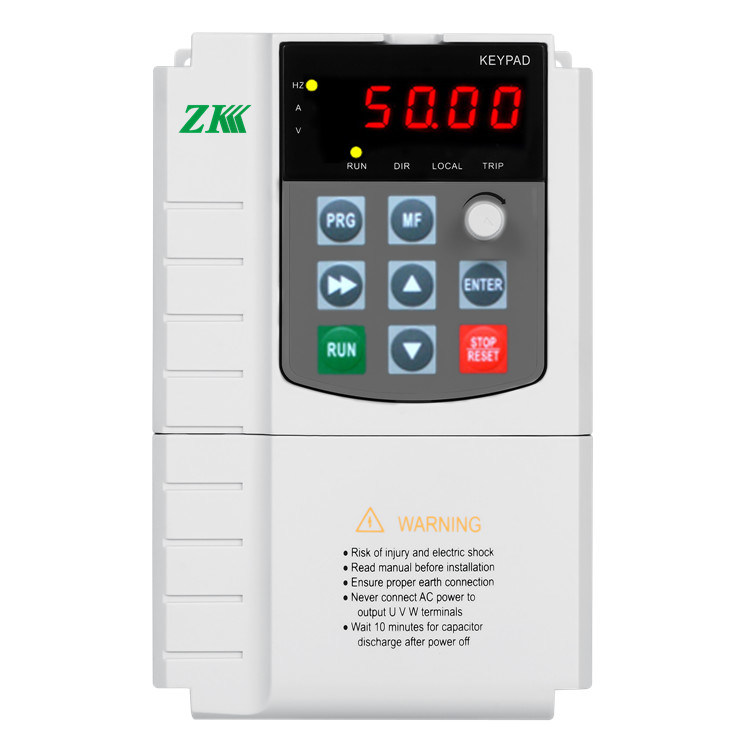
Top 3 Engineering Pain Points for Hybrid Inverters For Solar
Scenario 1: Grid Instability and Weak Grid Conditions in Remote Agricultural Installations
The Problem:
Industrial solar pumping installations in remote agricultural zones frequently encounter weak grid infrastructure characterized by voltage sags, frequency fluctuations, and intermittent outages. Standard hybrid inverters struggle with grid-forming capabilities when transitioning between grid-tied and off-grid modes, causing disruptive hard switching that triggers motor protection faults in submersible pumps. For EPC contractors, this results in failed commissioning tests, excessive site revisits, and warranty claims when pumps experience cavitation due to erratic power supply during grid disturbances. The inability to provide seamless ride-through functionality—maintaining stable voltage and frequency during micro-outages—creates operational downtime that directly impacts irrigation schedules and crop yields.
The Solution:
Deploy hybrid inverters equipped with advanced grid-forming (GFM) architecture and zero-transfer-time switching technology. These systems utilize bidirectional power flow management to instantaneously island critical pump loads during grid disturbances while maintaining sinusoidal output waveform integrity. Look for units featuring wide MPPT voltage ranges (200V–850V DC) and active anti-islanding protection compliant with IEEE 1547 standards. For agricultural applications, specify inverters with programmable V/Hz curves that match pump motor characteristics, ensuring soft-start functionality eliminates mechanical stress during grid reconnection events. This approach ensures continuous water delivery even in areas with utility power reliability below 80%.
Scenario 2: Motor Control Precision and Harmonic Distortion in High-Power Pump Applications
The Problem:
When hybrid inverters drive inductive loads such as deep-well submersible pumps or surface irrigation motors, the integration of solar generation with battery storage often introduces harmonic distortion (THDi >5%) and DC injection issues. These power quality problems manifest as bearing currents, torque pulsations, and premature insulation failure in motor windings—particularly problematic for variable frequency drive (VFD) compatibility. Agricultural project managers face increased maintenance costs when standard hybrid inverters lack dedicated motor control algorithms, resulting in inefficient pump operation across varying solar irradiance conditions. The mismatch between inverter output impedance and motor load characteristics creates resonance issues that degrade MPPT efficiency by 8–12%, directly reducing system ROI.
The Solution:
Specify hybrid inverters with integrated motor control functionality featuring vector control (FOC) or direct torque control (DTC) algorithms specifically optimized for pump loads. These systems should incorporate sine wave filters or active front-end (AFE) rectification to maintain THDi below 3%, protecting motor bearings from electrical discharge machining (EDM). For solar pumping applications, select units with dynamic MPPT tracking that adjusts switching frequencies (2–16 kHz selectable) to avoid mechanical resonance frequencies of pump assemblies. Advanced solutions offer pump-specific protection curves including dry-run detection, flow monitoring via power consumption analysis, and automatic derating functions when battery SOC drops below critical thresholds—ensuring optimal hydraulic performance while extending motor lifespan by 40% compared to conventional inverter configurations.
Scenario 3: Environmental Hardening and Thermal Management in Harsh Industrial Environments
The Problem:
Hybrid inverters deployed in outdoor agricultural or industrial automation settings face aggressive environmental stressors including dust ingress (IP54 insufficient for desert agriculture), humidity cycling causing condensation, and ambient temperatures ranging from -25°C to +60°C. Standard enclosure designs utilize forced air cooling that draws corrosive particles across PCB assemblies, leading to conductive dust buildup and thermal runaway in IGBT modules. EPC contractors encounter project delays when inverters require additional external enclosures or climate-controlled shelters, adding $2,000–$5,000 per installation in BOM costs. Furthermore, inadequate conformal coating on control boards results in failure modes triggered by salt fog in coastal agricultural regions or chemical vapors in greenhouse automation systems.
The Solution:
Engineer specifications should mandate IP65 or IP66-rated hybrid inverters with passive cooling architectures (natural convection or heat-pipe thermal management) eliminating external fan failure points. Specify units with conformal-coated PCBs (IPC-A-610 Class 3 standard) and stainless steel enclosures (304 or 316 grade) resistant to agricultural chemical exposure. For high-temperature environments, select inverters featuring automatic power derating curves that maintain full output up to 45°C ambient with linear derating to 60°C—critical for midday pumping operations when solar irradiance and ambient temperatures peak simultaneously. Advanced thermal designs utilizing encapsulated IGBT modules and wide-temperature-range electrolytic capacitors (105°C rated, 10,000-hour lifespan) ensure MTBF ratings exceeding 50,000 hours in desert or tropical installations, reducing total cost of ownership by eliminating climate control auxiliary systems.
Component and Hardware Analysis for Hybrid Inverters For Solar
At the core of every hybrid solar inverter lies a sophisticated power electronics architecture that bridges photovoltaic generation, battery storage, and AC distribution networks. For industrial engineers and EPC contractors deploying agricultural pumping systems or factory automation, understanding the hardware topology is essential—not merely for procurement specifications, but for predicting long-term operational expenditure (OPEX) and ensuring interoperability with existing Variable Frequency Drive (VFD) infrastructure. Unlike standard grid-tie inverters, hybrid units incorporate bidirectional power flow capabilities and battery charge management circuits that share component DNA with industrial motor drives, yet must withstand the unique stressors of intermittent renewable generation and deep cycling energy storage.
Power Semiconductor Stage: IGBTs and SiC MOSFETs
The power conversion stage represents the primary stress point in hybrid inverter design. Modern units utilize either Insulated Gate Bipolar Transistors (IGBTs) or Silicon Carbide (SiC) MOSFETs arranged in H-bridge or 3-level Neutral Point Clamped (NPC) topologies. In agricultural solar pumping applications, these semiconductors must handle high inrush currents from submersible motors while managing regenerative energy from decelerating pumps—a scenario analogous to VFD braking resistor circuits, but with energy recapture to batteries rather than dissipation.
Critical quality indicators for power modules include junction temperature ratings (Tj, typically 150°C for IGBTs, 175°C for SiC), thermal resistance (Rth(j-c)), and switching energy losses (Eon/Eoff). Industrial-grade modules from manufacturers like Infineon or Mitsubishi feature direct bonded copper (DBC) substrates that minimize thermal impedance between the silicon die and the heatsink interface. For EPC contractors, specifying modules with integrated current sensors and temperature monitoring (NTC thermistors) enables predictive maintenance algorithms that prevent catastrophic field failures in remote installations.
Control Architecture: DSP and ARM-Based Processors
The intelligence of hybrid inverters resides in Digital Signal Processors (DSPs) or ARM Cortex microcontrollers executing real-time control loops. These processors manage Maximum Power Point Tracking (MPPT) algorithms for PV arrays, grid synchronization via Phase-Locked Loops (PLL), and battery charge profiles (CC-CV-CF: Constant Current-Constant Voltage-Constant Float). In motor control applications, the same DSP architectures found in Boray’s VFD series handle vector control algorithms, enabling hybrid inverters to drive irrigation pumps directly without separate motor controllers.
High-reliability indicators include processing throughput (measured in MIPS or DMIPS), analog-to-digital converter (ADC) resolution (16-bit minimum for precise current sensing), and watchdog timer robustness. Industrial applications demand controllers with extended temperature ranges (-40°C to +85°C) and conformal coating protection against humidity and corrosive agricultural environments.
Thermal Management and Mechanical Integrity
Thermal design directly correlates with inverter lifespan in solar pumping installations where ambient temperatures frequently exceed 45°C. Hybrid inverters employ forced-air cooling via thermally controlled fans or, in premium agricultural-grade units, passive cooling through extruded aluminum heatsinks with optimized fin geometries. The thermal interface material (TIM) between power modules and heatsinks—typically phase-change materials or high-conductivity silicone pads—must maintain <0.5°C/W thermal resistance over 20-year operational lifespans.
For integration with motor control systems, vibration resistance becomes critical. Pump houses and agricultural environments subject electronics to mechanical stress; thus, component mounting should utilize threaded inserts rather than self-tapping screws, and heavy components (transformers, chokes) require potting or bracing to prevent PCB flexure.
Energy Storage Interface and DC-Link Architecture
The DC-link capacitor bank serves as the energy buffer between the PV input, battery bus, and AC output. Hybrid inverters increasingly utilize metallized polypropylene film capacitors rather than electrolytic types, offering 100,000+ hour lifespans under rated ripple current conditions. In motor drive applications, these capacitors must absorb reflected voltage spikes from long motor leads—a phenomenon well-documented in VFD installations requiring dv/dt filters.
Battery interface circuits incorporate bidirectional DC-DC converters with synchronous rectification, utilizing high-frequency ferrite transformers and super-junction MOSFETs. Quality indicators include galvanic isolation ratings (typically 3kV or higher), current ripple specifications (<5% to prevent battery heating), and protection against ground fault currents in wet agricultural environments.
Component Analysis Table
| Component | Function | Quality Indicator | Impact on Lifespan |
|---|---|---|---|
| IGBT/SiC Power Modules | DC-AC inversion, bidirectional power switching, motor drive output | Junction temperature rating (Tj), switching losses (Eon/Eoff), thermal resistance Rth(j-c), bond wire material (Al vs. Cu) | Critical: Thermal cycling causes bond wire lift-off and solder fatigue; accounts for 60% of field failures in high-temperature climates. Quality modules extend life from 10 to 20+ years. |
| DSP/ARM Controllers | MPPT algorithms, grid synchronization, battery management, motor vector control | Clock speed (MHz), ADC resolution (bits), algorithm execution time (μs), conformal coating thickness | High: Voltage transients and humidity cause drift in timing oscillators and ADC reference voltages. Industrial-grade processors maintain calibration for 15-20 years. |
| DC-Link Film Capacitors | Energy buffering, ripple current absorption, voltage spike clamping | Capacitance stability (% drift over time), ESR (mΩ), ripple current rating (Arms), self-healing properties | High: Electrolytic capacitors fail in 5-7 years; metallized film capacitors last 15+ years. Critical for maintaining DC bus stability during motor starting surges. |
| Aluminum Heatsinks & TIM | Thermal dissipation from semiconductors to ambient | Thermal resistance (°C/W), material alloy (Al 6063-T5 vs. 6061), anodization thickness, surface flatness (<50 μm) | Critical: Inadequate cooling increases semiconductor junction temperatures by 10°C, reducing lifespan by 50% (Arrhenius relationship). Essential in sealed IP65 agricultural enclosures. |
| EMI Filter Chokes & Capacitors | Grid compliance (IEEE 519, IEC 61000), motor bearing protection from common-mode currents | Insertion loss (dB at 150kHz), core material (ferrite vs. amorphous), insulation class (H-class minimum) | Medium: Core saturation and insulation degradation occur over 10-12 years. Poor filtering damages motor bearings through electrical discharge machining (EDM). |
| Communication Interfaces (RS485/CAN/Ethernet) | SCADA integration, VFD synchronization, remote monitoring | Galvanic isolation (2.5kV), surge protection (IEC 61000-4-5), protocol stack robustness (Modbus RTU/TCP, CANopen) | Medium: Typically 10+ year lifespan but vulnerable to lightning-induced surges in rural agricultural installations. Isolated transceivers prevent ground loop damage to control boards. |
| DC Circuit Breakers & Protection | Isolation, overcurrent protection, arc fault detection | Breaking capacity (kA), contact material (AgSnO2), mechanical endurance cycles (10,000+ operations) | High: Mechanical wear and contact oxidation in humid environments. Critical for safe battery isolation during maintenance of pumping systems. |
Integration Considerations for Motor Control Applications
For agricultural project managers and automation distributors, the hardware convergence between hybrid inverters and solar pump VFDs presents procurement synergies. Both platforms utilize identical IGBT modules, current sensors (Hall-effect or shunt resistors), and EMC filtering topologies. When specifying hybrid inverters for sites with existing Boray VFD installations, prioritize units with shared communication protocols (RS-485 Modbus RTU) and compatible DC bus voltages (550V-800V nominal) to enable future microgrid architectures where pumping loads and battery storage operate from a unified DC backbone.
The selection of components with extended temperature ratings and conformal-coated PCBs ensures compatibility with the harsh thermal cycling and humidity profiles typical of outdoor pumping stations. By aligning component specifications with industrial motor control standards, EPC contractors can standardize spare parts inventories—reducing holding costs while maintaining high availability across hybrid solar and pumping infrastructure deployments.
Manufacturing Standards and Testing QC for Hybrid Inverters For Solar
At Boray Inverter, our manufacturing philosophy treats hybrid solar inverters with the same rigorous standards applied to industrial Variable Frequency Drives (VFDs) and solar pump controllers—systems where failure in remote agricultural or harsh industrial environments is not an option. The convergence of grid-tie functionality, battery management, and motor control capabilities demands a multi-layered quality assurance framework that exceeds consumer-grade solar equipment standards.
Design-for-Reliability Engineering Standards
The foundation of manufacturing quality begins with Design for Manufacturability (DFM) and Design for Reliability (DFR) protocols aligned with IEC 62109-1/2 (Safety of Power Converters for Photovoltaic Systems) and IEC 62477 (Safety Requirements for Power Electronic Converter Systems). Our engineering teams utilize IPC-A-610 Class 3 standards for high-performance electronic assemblies, ensuring that printed circuit board (PCB) layouts accommodate the thermal cycling stresses inherent in solar pumping applications where ambient temperatures can fluctuate between -20°C and +60°C.
Component selection follows strict derating guidelines per IEC 62539, with IGBT modules, DC-link capacitors, and magnetic components specified at 125% of nominal operating parameters. This conservative approach accounts for the high inrush currents typical in agricultural motor starting while maintaining MTBF (Mean Time Between Failures) targets exceeding 50,000 hours in dusty, high-humidity environments.
Environmental Protection and Conformal Coating Protocols
For hybrid inverters deployed in solar pumping stations or outdoor industrial automation, environmental protection is non-negotiable. All control PCBs undergo automated selective conformal coating per IPC-CC-830 standards, utilizing acrylic or polyurethane compounds that provide:
– Dielectric strength: >1500V breakdown voltage to prevent tracking in polluted atmospheres
– Moisture insulation resistance: Maintaining >10⁸ Ω after 96 hours at 40°C/93% RH
– Chemical resistance: Protection against agricultural fertilizers, ammonia, and salt spray in coastal installations
Critical power stages receive additional vacuum potting with thermally conductive silicone compounds, ensuring heat dissipation while creating an IP65/66-rated barrier against dust and water jets—essential for EPC contractors installing systems in unmanned remote locations.
Manufacturing Process Controls and Traceability
Production lines maintain ISO 9001:2015 and ISO 14001 certifications, with each hybrid inverter subjected to:
– Automated Optical Inspection (AOI): 100% verification of solder joints, component placement, and polarity verification on SMT lines
– X-Ray Inspection: BGA and QFN component verification for hidden solder defects
– Barcode Traceability: Full component genealogy from wafer to finished goods, enabling root-cause analysis for any field failures
Power semiconductor mounting utilizes torque-controlled fastening with thermal interface materials (TIM) validated to ASTM D5470 standards, ensuring consistent thermal impedance between IGBT modules and heatsinks—critical for maintaining efficiency during continuous VFD-mode operation when driving submersible pumps.
Environmental Stress Screening (ESS) and Burn-In Testing
To simulate decade-long operational stresses, every hybrid inverter undergoes High-Temperature Aging (HTA):
– Burn-in duration: 48-72 hours at 45°C ambient with 110% rated load
– Thermal cycling: 20 cycles between -40°C and +85°C (IEC 60068-2-14) to identify solder joint fatigue and component drift
– Humidity freeze/thaw: 85°C/85% RH for 1000 hours followed by rapid temperature transition to verify conformal coating integrity
This ESS protocol specifically targets the failure modes common in solar pumping systems: thermal expansion mismatches between aluminum heatsinks and FR4 PCBs, and capacitor electrolyte degradation under ripple current stresses.
100% Production Load Testing and Functional Verification
Unlike statistical sampling, Boray implements 100% full-load testing on every hybrid inverter:
– Full-power burn: 2-hour operation at 100% rated output with resistive and inductive loads simulating motor characteristics
– MPPT efficiency verification: Validation of maximum power point tracking accuracy (>99%) across 200-1000VDC input ranges
– Grid-tie synchronization: Phase-lock loop (PLL) stability testing with <1% THD (Total Harmonic Distortion) under linear and non-linear loads
– Anti-islanding protection: Verification of IEEE 1541/IEC 62116 compliance within 2 seconds of grid loss
– Motor starting capability: 300% surge current testing for 10 seconds to verify capability for high-torque pump starts without nuisance tripping
Electromagnetic Compatibility (EMC) and Safety Certification
All units undergo pre-compliance and certified testing to ensure compatibility with industrial automation networks:
– EMC Immunity: IEC 61000-6-2 (industrial environment) for electrostatic discharge, radiated fields, and fast transients
– EMC Emissions: IEC 61000-6-4 with additional filtering for agricultural environments with variable frequency drives
– Safety certifications: CE marking, UL 1741-SA (for grid support functions), and IEC 62040 for uninterruptible power characteristics
– Surge protection: IEC 61000-4-5 Level 4 (4kV common mode, 2kV differential mode) testing on AC and DC terminals
Supply Chain Quality and Component Longevity
Critical passive components (film capacitors, power resistors) are sourced from AEC-Q200 qualified suppliers or equivalent industrial grades, ensuring 10-year operational life under continuous full-load conditions. Battery management system (BMS) interfaces undergo ISO 26262-inspired functional safety analysis, even for non-automotive applications, to prevent thermal runaway in lithium-ion storage configurations.
For EPC contractors and agricultural project managers, this manufacturing rigor translates to field-proven reliability metrics: <0.5% annual failure rates in solar pumping installations and zero-touch maintenance intervals exceeding 5 years in remote off-grid deployments. By applying VFD-grade manufacturing standards to hybrid inverter production, Boray ensures that these complex power electronic systems deliver the same operational longevity expected from industrial motor control equipment.
Step-by-Step Engineering Sizing Checklist for Hybrid Inverters For Solar
Proper sizing of hybrid solar inverters for industrial and agricultural applications requires a systems-level approach that accounts for the unique demands of motor control environments. Unlike residential installations, industrial hybrid systems must manage high inrush currents, harmonic distortion from VFD loads, and extended duty cycles in harsh environmental conditions. The following methodology ensures seamless integration between photovoltaic generation, energy storage, and motor control systems while maintaining grid stability and operational redundancy.
Step 1: Critical Load Audit & Motor Characterization
Begin with a comprehensive load analysis that distinguishes between static loads and dynamic motor applications. For agricultural pumping systems and industrial automation equipment, document the following parameters:
- Motor Inrush Current Profile: Calculate the locked rotor amperage (LRA) for all induction motors. Hybrid inverters must accommodate 3–7 times the rated full-load amperage (FLA) during direct-on-line (DOL) starting. If integrating with existing Boray VFD installations, verify that the hybrid inverter’s output waveform THD (Total Harmonic Distortion) remains below 3% to prevent VFD input rectifier overheating.
- Starting Methodology: Determine whether motors utilize soft starters, VFDs, or across-the-line starting. VFD-driven pumps reduce inrush requirements but introduce high-frequency switching noise that requires proper EMI filtering coordination.
- Duty Cycle Analysis: Map operational schedules for irrigation pumps or conveyor systems. Cyclic loads with high peak-to-average ratios require inverters with sustained overload capacity (minimum 150% for 60 seconds) rather than standard 110% continuous ratings.
Step 2: PV Array String Sizing & MPPT Voltage Window
Configure the photovoltaic subsystem to maximize energy harvest while respecting the hybrid inverter’s DC input limitations:
- Open Circuit Voltage (Voc) Calculation: Size strings using the lowest expected ambient temperature to determine maximum Voc. Apply a 1.25 safety factor to the inverter’s maximum DC input voltage to account for edge-of-cloud effect voltage spikes.
- MPPT Voltage Optimization: Target the array’s maximum power point voltage (Vmp) to align with the inverter’s MPPT sweet spot—typically 70–80% of the maximum DC input voltage. For 1500V DC systems common in utility-scale agricultural projects, ensure string voltages remain above the MPPT minimum threshold during high-temperature, low-irradiance conditions.
- Current Capacity: Verify that the sum of parallel string currents does not exceed the hybrid inverter’s maximum short-circuit current (Isc) rating, including a 1.25 safety margin per NEC or IEC 62548 standards.
Step 3: Energy Storage Sizing for Motor Starting Events
Battery capacity calculations for hybrid systems serving motor loads differ significantly from static load storage:
- C-Rate Specification: Size battery banks to deliver the motor’s inrush kVA without exceeding the battery’s maximum discharge C-rate. For a 15kW pump motor with 6x inrush multiplier, the battery must supply 90kW momentarily. Lithium iron phosphate (LiFePO4) batteries with 2C continuous and 4C pulse ratings are recommended for agricultural applications.
- Depth of Discharge (DoD) Management: Limit daily DoD to 80% for lead-acid systems or 90% for lithium-ion to preserve cycle life during cloudy periods when irrigation schedules must be maintained.
- Voltage Matching: Ensure battery nominal voltage (48V, 400V, or 800V DC) aligns with the hybrid inverter’s battery management system (BMS) communication protocol—typically CAN bus or RS485 for industrial-grade coordination.
Step 4: Inverter Power Rating & Overload Coordination
Select hybrid inverter capacity based on simultaneous load analysis plus motor starting requirements:
- Continuous Rating: Sum all continuous loads and apply a 1.25 diversity factor. For VFD-controlled systems, account for the drive’s input power factor (typically 0.95–0.98) rather than the motor’s nameplate power factor.
- Overload Capacity: Verify the inverter can handle 150% overload for 60 seconds and 200% for 10 seconds to accommodate motor starting or pump cavitation events. In split-phase configurations (120/240V), confirm phase balancing capabilities when single-phase loads are present.
- Power Quality Specifications: Specify inverters with output voltage regulation within ±2% and frequency stability of ±0.5% to prevent nuisance tripping of sensitive motor protection relays.
Step 5: Voltage Compatibility & Protection Coordination
Ensure electrical compatibility across the generation-storage-load interface:
- Grid Code Compliance: Verify anti-islanding protection (UL 1741/IEC 62116), voltage ride-through capabilities, and reactive power control (VAR support) for grid-tied agricultural installations subject to utility interconnection standards.
- Grounding Architecture: Implement proper DC grounding for the PV array and battery bank while maintaining AC system grounding separate from VFD control circuits to prevent ground loop interference.
- Surge Protection: Install Type 2 surge protective devices (SPDs) on both DC and AC sides, rated for the specific maximum continuous operating voltage (MCOV) of the hybrid inverter system.
Step 6: Environmental Derating & Agricultural Specifications
Industrial hybrid installations face environmental stresses that require hardware derating:
- Temperature Derating: Apply manufacturer-specified derating curves for ambient temperatures above 40°C. In desert agricultural applications, ensure the inverter maintains full output at 50°C ambient with forced ventilation or liquid cooling options.
- Ingress Protection: Specify IP65 or NEMA 4X enclosures for outdoor agricultural installations exposed to dust, irrigation spray, and humidity. For coastal industrial sites, specify C5-M corrosion protection ratings for heat sinks and chassis components.
- Elevation Correction: Derate inverter capacity by 1% per 100m above 1000m altitude to account for reduced air density and cooling efficiency.
Step 7: Control System Integration & Communication
Modern hybrid systems must integrate with existing SCADA and motor control networks:
- Protocol Compatibility: Ensure the hybrid inverter supports Modbus TCP/IP, CANopen, or EtherNet/IP for seamless communication with Boray VFDs and pump controllers. Verify register mapping for real-time monitoring of DC bus voltage, battery SOC, and grid import/export limits.
- Frequency-Watt Control: Configure droop control settings to allow the hybrid system to share load with existing diesel generators in microgrid applications without frequency instability.
- Remote Monitoring: Implement VPN-enabled remote access for predictive maintenance of both the inverter and connected motor systems, utilizing IoT platforms that support IEC 61850 or SunSpec standards.
Final Verification & Commissioning Protocol
Before energizing the system:
– [ ] Verify all string Voc measurements against inverter maximum input voltage at record low temperature
– [ ] Test motor starting sequences under battery-only power to confirm voltage sag remains within ±10%
– [ ] Calibrate BMS communication thresholds to prevent premature low-voltage disconnect during motor acceleration
– [ ] Document harmonic spectrum analysis at VFD input terminals to ensure compliance with IEEE 519 limits
– [ ] Validate ground fault protection coordination between PV array, battery system, and AC distribution
This systematic approach ensures that hybrid solar inverters function as reliable power conversion hubs in demanding industrial and agricultural environments, providing both energy independence and precision motor control compatibility.
Wholesale Cost and Energy ROI Analysis for Hybrid Inverters For Solar
For industrial-scale solar deployments, particularly in agricultural irrigation and automated manufacturing environments, the procurement of hybrid inverters represents a critical capital allocation decision that extends far beyond initial acquisition costs. As manufacturers of precision motor control solutions, we observe that EPC contractors and automation distributors frequently underestimate the total cost of ownership (TCO) when evaluating DC/AC conversion infrastructure for hybrid solar-plus-storage systems.
B2B Pricing Architecture and Volume Economics
The wholesale procurement landscape for hybrid inverters operates on distinct tier structures that diverge significantly from retail consumer markets. Analysis of current market positioning reveals wholesale pricing typically ranges between $0.15–$0.28 per watt for industrial-grade units (10kW–50kW capacity), while retail channels command $0.35–$0.52 per watt—representing markup factors of 130–180%.
For agricultural project managers and EPC contractors, volume tiering follows predictable logarithmic curves:
- Tier 1 (1–10 units): Baseline wholesale pricing with minimal freight consolidation advantages
- Tier 2 (11–50 units): 12–18% reduction from baseline, enabling competitive bidding for mid-scale irrigation projects
- Tier 3 (50+ units/OEM): 22–30% reduction, suitable for regional distributor inventory or large-scale solar pumping installations
Critical to electrical engineering specifications, units integrating advanced IGBT power modules and three-level NPC (Neutral Point Clamped) topologies command premium pricing ($0.24–$0.28/W) but deliver superior efficiency (>97.5% CEC efficiency) compared to two-level H-bridge designs ($0.15–$0.20/W at 95–96% efficiency). For VFD-integrated pumping systems, this 1.5–2.5% efficiency delta translates directly to reduced PV array sizing requirements.
Component Cost Drivers in Industrial Hybrid Inverters
The bill of materials (BOM) for IP65-rated industrial hybrid inverters reveals why wholesale costs fluctuate significantly across manufacturers:
Power Semiconductor Stage (35–42% of unit cost):
* SiC MOSFETs vs. traditional IGBTs (15–20% cost premium, 40% switching loss reduction)
* MPPT controller integration (dual or triple MPPT architectures add $180–$340 to unit cost but optimize harvest for uneven agricultural pump arrays)
Energy Storage Interface (18–25% of unit cost):
* Bidirectional DC/DC converters for battery coupling
* BMS communication protocols (CAN bus vs. RS485—critical for integration with existing VFD networks)
Thermal Management and Enclosure (12–18% of unit cost):
* Die-cast aluminum IP65 enclosures with passive cooling fins (essential for dusty agricultural environments)
* Active cooling fans with MTBF ratings >60,000 hours (replacement cost provisioning: $85–$120 per unit over 10-year lifecycle)
Energy ROI and Payback Dynamics
For industrial engineers evaluating hybrid inverters against traditional grid-tied or off-grid alternatives, ROI calculations must incorporate motor control synergies and demand charge mitigation:
Solar Pumping Integration:
When hybrid inverters feed VFD-controlled submersible pumps (Boray’s core application expertise), the elimination of soft-start equipment and reduced inrush current requirements (typically 3–5× FLA for direct-online motors) generates immediate capital savings of $800–$2,400 per pump station. The hybrid inverter’s ability to provide ramp-controlled AC power mimics VFD functionality while adding energy arbitrage capabilities.
Energy Arbitrage Value:
For 50kW agricultural installations with time-of-use (TOU) rates averaging $0.28/kWh peak and $0.09/kWh off-peak, hybrid inverter systems with 100kWh battery storage deliver daily cycling revenues of $19–$38, achieving equipment payback in 4.2–5.8 years assuming 320 operational days annually.
Diesel Displacement Calculations:
In remote industrial applications, hybrid inverters displacing diesel generators (operating at $0.35–$0.55/kWh LCOE) demonstrate payback periods under 3.5 years when solar generation exceeds 1,200 equivalent peak sun hours annually.
Warranty Cost Provisioning and Field Reliability
B2B procurement contracts must account for warranty cost provisioning, typically calculated at 2.5–3.8% of wholesale unit cost annually over the warranty period. Industrial hybrid inverters carrying 10-year warranties (standard for Tier 1 manufacturers) require manufacturers to reserve $45–$85 per kilowatt of rated capacity for potential field replacements.
MTBF Considerations:
Field data from agricultural automation deployments indicates Mean Time Between Failures (MTBF) of 52,000–68,000 hours for properly specified hybrid inverters operating in 40°C ambient conditions. However, integration with motor control systems introduces specific failure modes:
- Harmonic resonance: Poorly filtered inverters feeding long cable runs to pump motors create reflected wave issues, reducing capacitor lifespan by 30–40%
- DC bus voltage fluctuations: Battery integration points experiencing frequent 20% SOC swings stress DC-link capacitors, necessitating 105°C-rated film capacitors (adding $12–$18 to BOM costs but tripling capacitor lifespan)
Logistics Impact:
For EPC contractors managing distributed agricultural projects, warranty fulfillment costs vary dramatically by region. Remote site replacement logistics can exceed $2,500 per service call, making modular inverter architectures (swappable power stages, pluggable MPPT boards) economically critical despite 8–12% higher upfront wholesale pricing.
Strategic Procurement Recommendations
When specifying hybrid inverters for solar pumping or industrial motor control integration, electrical engineers should prioritize:
- VFD Compatibility Protocols: Ensure Modbus RTU/TCP and CANopen compatibility for seamless integration with existing variable frequency drive networks, eliminating redundant control hardware
- DC Voltage Ranges: Select 600V–1000V DC input ranges to minimize copper losses in long PV string runs typical of agricultural installations
- Redundancy Factors: For critical irrigation infrastructure, specify N+1 configurations using multiple smaller hybrid inverters (10kW × 3 vs. 30kW × 1) to maintain partial operational capacity during single-unit maintenance
By analyzing wholesale costs through the lens of motor control integration and 10-year TCO rather than upfront capital expenditure, industrial buyers can optimize procurement strategies that align technical specifications with genuine energy ROI realization.
Alternatives Comparison: Is Hybrid Inverters For Solar the Best Choice?
When evaluating power conversion architectures for industrial solar applications, the selection between hybrid inverters and specialized alternatives depends on load characteristics, grid dependency requirements, and long-term operational expenditure (OPEX) targets. While hybrid inverters offer compelling integration benefits for stationary energy storage systems, they present distinct technical trade-offs when compared to dedicated solar pumping solutions and traditional motor control methodologies.
Hybrid Inverters vs. Solar Pump Inverters (VFD-Based Architectures)
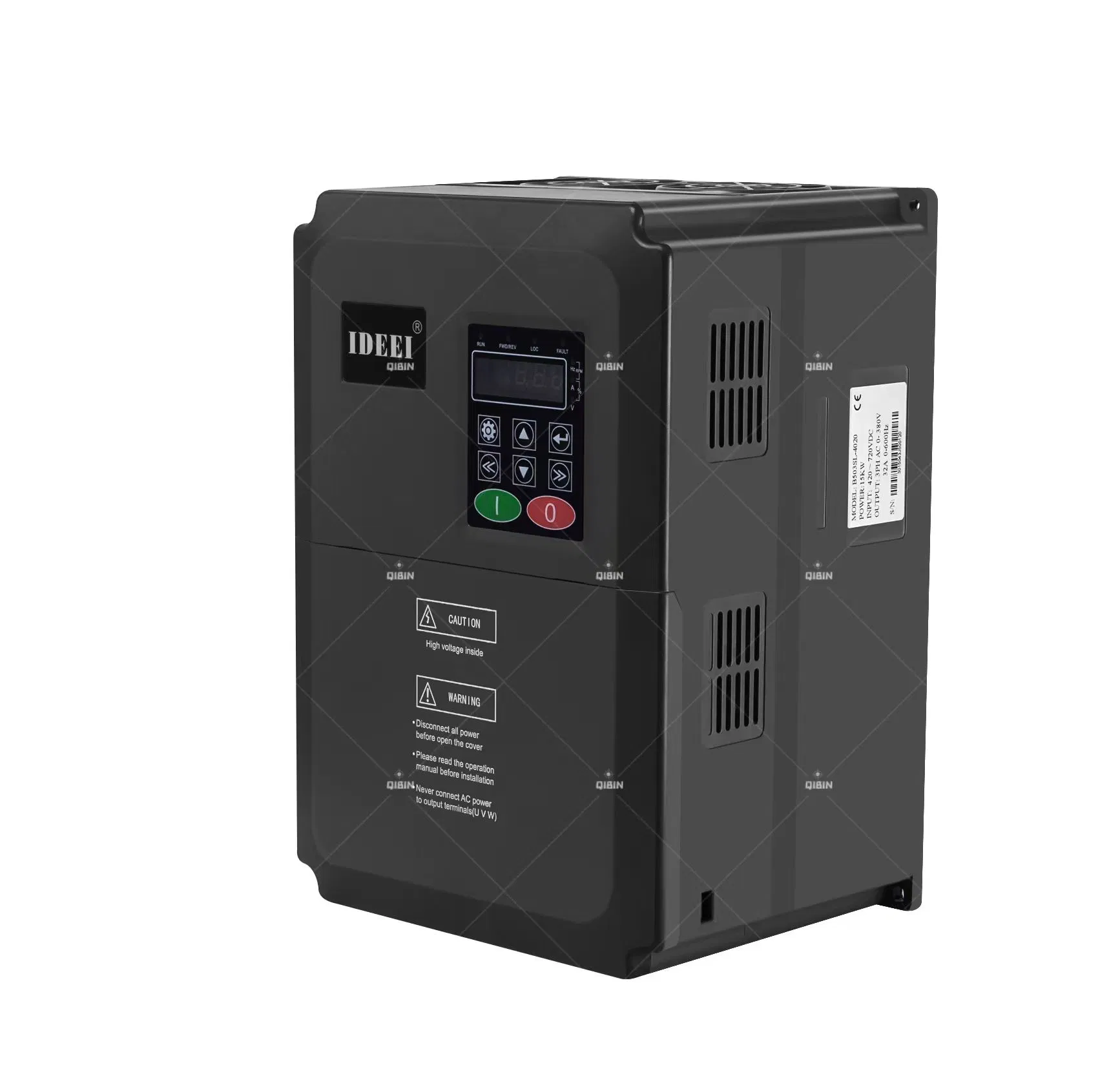
In agricultural and industrial fluid handling applications, dedicated solar pump inverters (specialized VFDs with integrated Maximum Power Point Tracking) often outperform hybrid inverters in raw motor control efficiency. Hybrid inverters are fundamentally designed for energy arbitrage—managing bidirectional power flows between PV arrays, batteries, and the utility grid—whereas solar pump VFDs optimize DC-to-AC conversion specifically for motor torque curves.
Key Technical Distinctions:
- MPPT Optimization: Solar pump VFDs employ dynamic MPPT algorithms that track the PV array’s maximum power point while simultaneously adjusting for pump affinity laws (torque proportional to speed squared). Hybrid inverters typically prioritize battery charging algorithms over motor load optimization, potentially sacrificing 3-8% system efficiency in direct solar pumping scenarios.
- Inrush Current Management: Standard hybrid inverters often lack the high-torque starting capabilities required for deep-well submersible pumps. Boray’s specialized solar pump VFDs incorporate soft-start functionality that limits inrush current to 150-200% rated current, whereas hybrid inverters may trigger overcurrent protection during direct-online motor starting.
- Grid Independence: Hybrid inverters require battery banks to stabilize voltage for motor loads during irradiance fluctuations. Solar pump VFDs can operate in “direct PV” mode without energy storage, utilizing kinetic energy in the water column and flywheel mass to bridge transient cloud cover.
System Architecture: Integrated Hybrid vs. AC-Coupled Configurations
For facilities requiring both process water pumping and building energy management, engineers must evaluate whether a centralized hybrid inverter or a decoupled AC-coupled system (grid-tie inverter + battery inverter) offers superior reliability.
| Parameter | Hybrid Inverter (All-in-One) | AC-Coupled (Grid-Tie + Battery Inverter) | Dedicated Solar Pump VFD |
|---|---|---|---|
| Primary Application | Residential/Commercial ESS | Large-scale commercial storage | Agricultural/Industrial pumping |
| Motor Compatibility | Standard AC Induction Motors (IM) | Standard AC Induction Motors (IM) | IM & Permanent Magnet Synchronous Motors (PMSM) |
| Starting Method | Direct Online (DOL) limitations | DOL limitations | Variable Frequency Soft Start |
| Battery Coupling | DC-coupled (higher efficiency) | AC-coupled (2-4% conversion loss) | N/A (optional AC coupling) |
| Grid Export Capability | Yes (with anti-islanding) | Yes | Limited/None (pump-only focus) |
| Partial Load Efficiency | 85-92% (at 25% load) | 82-88% (cascaded conversion) | 90-96% (optimized for pump curves) |
| Black Start Capability | Yes (battery dependent) | Yes (battery dependent) | No (requires PV present) |
| CAPEX per kW | $800–$1,200 | $1,000–$1,500 | $150–$400 (pump controller only) |
| Motor Control Precision | ±2% speed regulation | ±2% speed regulation | ±0.5% speed regulation (closed loop) |
Motor Technology Implications: PMSM vs. IM in Solar Applications
The choice between Permanent Magnet Synchronous Motors (PMSM) and Induction Motors (IM) further complicates inverter selection. Hybrid inverters are typically configured for standard IMs, utilizing Volts-per-Hertz (V/Hz) control with limited low-speed torque performance.
For high-efficiency agricultural pumping, PMSM systems driven by specialized solar pump VFDs offer distinct advantages:
* Efficiency Delta: PMSM systems achieve 92-96% motor efficiency versus 82-88% for standard IMs, critical for off-grid solar applications where every watt-hour counts.
* Inverter Requirements: PMSMs require precise rotor position sensing and field-oriented control (FOC) algorithms that hybrid inverters generally lack. Boray’s solar pump inverter series includes integrated FOC capabilities specifically for brushless DC/PMSM submersible pumps.
* Soft Starting vs. VFD Control: While soft starters reduce mechanical stress during IM startup, they cannot vary pump speed to match insolation levels. Hybrid inverters provide variable frequency operation but lack the pump-specific hydraulic optimization found in dedicated solar VFDs.
Decision Matrix for Industrial Engineers
Select Hybrid Inverters when:
* The installation requires grid backup power (UPS functionality) for mixed loads beyond pumping
* Battery energy arbitrage (peak shaving) provides greater economic value than pump energy efficiency
* Retrofitting existing AC pumps without motor replacement
Select Dedicated Solar Pump VFDs when:
* The primary load is centrifugal or positive displacement pumping with variable flow requirements
* PMSM motor technology is specified for maximum system efficiency
* Grid connectivity is unavailable or restricted (pure off-grid irrigation)
* Capital constraints favor direct PV-to-pump conversion without battery costs
Select AC-Coupled Systems when:
* Existing grid-tie installations require retrofit storage
* System modularity and redundant inverter channels are prioritized over conversion efficiency
For EPC contractors designing large-scale agricultural projects, the “best choice” rarely involves hybrid inverters for the pumping subsystem. Instead, hybrid architectures excel in the facility’s microgrid infrastructure, while dedicated solar pump VFDs handle the mechanical load with superior motor control precision and lifecycle efficiency.
Core Technical Specifications and Control Terms for Hybrid Inverters For Solar
When specifying hybrid solar inverters for industrial microgrids, agricultural pumping stations, or commercial EPC projects, engineers must evaluate both the electromechanical control architecture and the commercial logistics framework. Unlike standard grid-tie units, hybrid inverters function as the central power conversion hub, managing DC inputs from photovoltaic arrays, bi-directional energy flow to battery storage (typically 48V–800V DC banks), and AC coupling with the utility grid or islanded loads. Below is a technical breakdown of the critical specifications and commercial terms essential for B2B procurement and system integration.
Electromechanical Control Specifications
Maximum Power Point Tracking (MPPT) Architecture
Modern hybrid inverters utilize multi-string MPPT controllers to optimize PV harvest across varying irradiance conditions. Key parameters include:
– Voltage Input Windows: Wide DC voltage ranges (e.g., 200V–1000V) accommodate large agricultural PV arrays while maintaining high conversion efficiency (>98.6% CEC efficiency).
– Tracking Efficiency: Advanced algorithms achieve >99.5% MPPT efficiency, crucial for solar pumping applications where water demand peaks do not align with solar noon.
– Dual or Triple MPPT Channels: Allow east/west array configurations or separation of fixed-tilt versus tracking arrays without string-level power loss.
Vector Control (Field-Oriented Control – FOC)
Leveraging Boray’s expertise in Variable Frequency Drive (VFD) technology, high-performance hybrid inverters implement Space Vector Pulse Width Modulation (SVPWM) for load-side inversion:
– Torque Control Precision: FOC algorithms decouple active and reactive power components, enabling soft-start capabilities for submersible pumps and induction motors up to 100HP without mechanical stress.
– Dynamic Response: <100ms response time to load fluctuations, ensuring stable voltage regulation when switching between grid-tie and off-grid modes in hybrid microgrids.
PID Regulation & Grid Support Functions
Proportional-Integral-Derivative (PID) control loops govern:
– Voltage Regulation: Maintains AC output within ±1% of nominal (230V/400V or 120V/240V split-phase) despite battery SOC fluctuations or sudden load changes.
– Anti-Islanding Protection: Rapid detection of grid faults (<2 seconds) via active frequency drift methods, compliant with IEEE 1547 and IEC 62116 standards.
– Power Factor Correction: Adjustable power factor range (0.8 leading to 0.8 lagging) to meet utility reactive power requirements in industrial installations.
Power Quality & Protection Metrics
– THDi (Total Harmonic Distortion): <3% at rated load, essential for sensitive agricultural automation controllers.
– Ingress Protection: IP65-rated enclosures for outdoor pump house installations; IP20 for controlled electrical rooms.
– Communication Protocols: RS485/Modbus RTU for integration with existing SCADA systems, plus CAN bus compatibility for lithium battery BMS communication (critical for high-voltage battery stacks).
Commercial Framework & Logistics Terms
Incoterms 2020 Standards
For international EPC contracts and distributor procurement, specify delivery terms precisely:
– FOB (Free On Board): Seller delivers goods to the port of shipment (e.g., Shenzhen or Shanghai). Risk transfers when cargo passes the ship’s rail; buyer assumes ocean freight and insurance costs. Preferred for distributors with established freight forwarders.
– CIF (Cost, Insurance, Freight): Seller prepays ocean freight and marine insurance to the destination port. Buyer handles customs clearance and inland transport. Common for agricultural projects in emerging markets where buyers lack shipping logistics expertise.
– EXW (Ex Works): Buyer collects directly from the manufacturing facility. Offers maximum cost control for large EPC contractors with consolidated shipping operations but requires buyer to handle all export documentation.
– DDP (Delivered Duty Paid): Seller assumes all costs and risks to the final project site, including import duties and VAT. Recommended for turnkey solar pumping installations where the contractor requires single-source accountability.
Procurement Parameters
– MOQ (Minimum Order Quantity): Typically 1 unit for sample validation; 20’ FCL (Full Container Load) quantities for commercial pricing tiers.
– Lead Time: 15–25 days for standard 5kW–20kW hybrid units; 35–45 days for custom voltage configurations (e.g., 480V three-phase for industrial motors).
– Payment Terms: 30% T/T deposit with 70% balance against B/L copy; or Irrevocable L/C at sight for orders exceeding $50,000 USD.
– Warranty Structure: 5-year standard warranty on power electronics, extendable to 10 years for critical components (IGBT modules, capacitors). Ensure warranty terms specify MTBF (Mean Time Between Failures) >50,000 hours for agricultural environments.
Integration with Motor Control Systems
In solar pumping applications, hybrid inverters often interface directly with VFDs or incorporate integrated motor control capabilities. Engineers should verify:
– VFD Compatibility: Ensure the inverter’s output waveform (pure sine wave) and voltage stability (±2% frequency stability) match the VFD’s input requirements to prevent nuisance tripping.
– Pump Control Logic: Support for constant pressure (PID feedback) or constant flow modes via analog inputs (4–20mA/0–10V) from pressure transducers.
– Generator Input: AC coupling terminals for backup diesel generators with automatic generator start (AGS) logic, maintaining irrigation schedules during prolonged low-irradiance periods.
Understanding these technical and commercial parameters enables precise specification alignment between solar generation assets, energy storage systems, and motor-driven loads—ensuring optimal LCOE (Levelized Cost of Energy) for industrial and agricultural hybrid installations.
Future Trends in the Hybrid Inverters For Solar Sector
The convergence of hybrid inverter technology with industrial motor control systems is reshaping how EPC contractors and automation distributors approach solar-powered infrastructure. As the boundaries between residential energy storage and industrial automation blur, next-generation hybrid inverters are evolving from simple DC-AC conversion devices into intelligent power management hubs that seamlessly interface with Variable Frequency Drives (VFDs) and solar pump controllers.
Integration with Advanced Motor Control and VFD Synchronization
Future hybrid inverter architectures are moving toward direct VFD integration, eliminating traditional AC coupling inefficiencies in solar pumping applications. Rather than treating solar generation and motor control as separate domains, emerging systems employ DC-coupled hybrid inverters that communicate directly with pump VFDs through standardized protocols (Modbus TCP/IP, CAN bus, and EtherCAT). This convergence enables dynamic power matching—where inverter output automatically adjusts to VFD load curves, minimizing harmonic distortion and improving power factor correction in agricultural and industrial irrigation systems.
For agricultural project managers, this means hybrid inverters capable of soft-starting submersible pumps while simultaneously managing battery storage for nighttime operation or grid stabilization. The trend toward bidirectional power flow management allows the same hybrid infrastructure to power irrigation systems during daylight hours while storing excess generation for facility HVAC or processing equipment, effectively creating microgrids within farming operations.
High-Voltage Battery Architectures and Solar Pumping Efficiency
The shift toward 1500V DC hybrid inverter systems is particularly significant for large-scale solar pumping installations. Higher voltage architectures reduce DC cabling losses and allow longer distances between PV arrays and pump stations—a critical consideration for agricultural projects spanning hundreds of hectares. When paired with compatible VFDs, these high-voltage hybrid systems enable direct battery-to-motor drive configurations that bypass traditional step-down conversions, achieving system efficiencies exceeding 96% in deep-well pumping applications.
Modular hybrid inverter designs are also gaining traction among EPC contractors, featuring hot-swappable power stacks that allow capacity scaling from 50kW agricultural installations to 500kW+ industrial water treatment facilities without replacing entire inverter infrastructure. This scalability aligns with the growing demand for agrivoltaic systems, where hybrid inverters must simultaneously manage crop irrigation pumps, greenhouse climate control, and grid export capabilities.
IoT-Enabled Predictive Maintenance and SCADA Integration
The industrial Internet of Things (IIoT) is transforming hybrid inverters into edge computing nodes capable of autonomous decision-making. Next-generation units incorporate embedded sensors monitoring not only voltage and current, but also thermal patterns, vibration signatures, and insulation resistance—parameters critical for predicting VFD and motor failures in remote pumping stations.
For automation distributors, this presents opportunities to offer integrated monitoring ecosystems where hybrid inverters communicate with Boray’s solar pump controllers through cloud-based SCADA platforms. These systems utilize machine learning algorithms to optimize pump scheduling based on weather forecasting, electricity tariff structures, and soil moisture data. Digital twin technology is emerging as a key differentiator, allowing engineers to simulate hybrid inverter performance across different crop cycles and irrigation demands before physical deployment.
Remote firmware updates and cybersecurity hardening (IEC 62443 compliance) are becoming standard requirements, particularly for critical infrastructure projects where pump downtime translates to crop loss. Advanced hybrid inverters now feature redundant communication pathways—4G/5G, LoRaWAN, and satellite—to ensure continuous monitoring in rural agricultural zones with unreliable grid connectivity.
Grid-Forming Capabilities and Industrial Microgrids
Beyond simple grid-tie functionality, future hybrid inverters for industrial applications are adopting grid-forming (GFM) technology, enabling them to establish and regulate microgrid voltage and frequency independently of utility infrastructure. This capability is crucial for off-grid mining operations, remote water treatment facilities, and islanded agricultural processing plants where solar pumps must operate alongside heavy inductive loads.
Virtual power plant (VPP) aggregation represents another frontier, where fleets of hybrid inverter-controlled solar pump systems participate in grid ancillary services. By modulating pump motor speeds through integrated VFD control during peak demand periods, these systems provide frequency regulation and voltage support while maintaining irrigation schedules—a concept known as agricultural demand response.
Electrification of Thermal Processes and Hybrid Integration
As industries electrify thermal processes (electric boilers, thermal desalination, grain drying), hybrid inverters are evolving to handle the unique load profiles of resistive and inductive heating elements combined with motor drives. Advanced power electronics—specifically silicon carbide (SiC) and gallium nitride (GaN) switching technologies—are enabling hybrid inverters to switch at higher frequencies with lower losses, making them suitable for simultaneous solar pumping and process heating applications in food processing and textile industries.
For electrical engineers specifying these systems, the future lies in unified energy management platforms where hybrid inverters, VFDs, and battery management systems (BMS) operate under single control logic, optimizing energy flows across generation, storage, and motor control subsystems in real-time.
Top 3 Hybrid Inverters For Solar Manufacturers & Suppliers List
Top 10 Solar hybrid inverter Manufactures
Website: srnesolar.com
SRNE Solar Co., Ltd. Product Portfolio Analysis:
**Core Product Categories:**
1. Residential Hybrid Inverters (Grid-tie with storage)
2. Residential Off-Grid Inverters
3. C&I (Commercial & Industrial) Storage Inverters
4. Energy Storage Systems
5. Solar Charge Controllers
6. RV Solar Power Kits
**Key Product Series – Hybrid Inverters:**
– **HESP Series (Single/Split Phase Low Voltage):** 3.6kW-6…
Top 15 Solar Inverter Manufacturers In the World – Hisenpower
Website: hisenpower.com
Hisen Power Product Portfolio: Hybrid Inverters including 3.6-5kW Hybrid PV Inverters and All-in-One Energy Storage Systems; Energy Storage Batteries covering 5.12kWh Wall Mount, 5.12kWh Stacked Lithium, High Voltage Stacked Lithium (8-54kWh scalable), 5kW Server Rack, and High Voltage Server Rack (8-54kWh) configurations; Container Energy Storage Systems for utility-scale applications. Product ca…

Solar Inverter Manufacturers from United States | PV Companies List
Website: enfsolar.com
Analysis of 68 U.S. solar inverter manufacturers from ENF Solar directory reveals four main product categories: On-grid (26 manufacturers), Off-grid (32), Hybrid (35), and Micro-inverters (10). Power ranges span from micro-scale 0.012 kWp (AIMS Power) to utility-scale 3600 kWp (Deltron), covering residential (0.15-27.5 kWp), commercial (23-250 kWp), and industrial/utility segments (1000-3600 kWp)….
B2B Engineering FAQs About Hybrid Inverters For Solar
Q1: How does a hybrid inverter interface with VFD-driven motor loads in solar pumping applications, and what synchronization challenges should engineers anticipate?
In solar pumping systems, hybrid inverters serve as the primary DC/AC conversion stage, but when driving VFD-controlled motors (such as Boray’s solar pump inverters), engineers must consider the interaction between the hybrid inverter’s output waveform and the VFD’s input rectifier stage. The hybrid inverter must provide stable voltage and frequency reference (typically 380V/400V three-phase or 220V/240V split-phase) with total harmonic distortion (THD) below 3% to prevent VFD input current distortion. Critical synchronization challenges include: (1) Phase alignment when switching between grid-tie and off-grid modes to prevent torque shocks in centrifugal pumps; (2) Voltage ramp rates during black-start operations that must match VFD soft-start parameters (typically 0.5-2 seconds ramp time); and (3) DC bus voltage stability when the hybrid inverter’s battery discharge rate cannot compensate for sudden motor load changes. For agricultural projects with deep-well submersible pumps, we recommend hybrid inverters with active frequency tracking and droop control capabilities to maintain stable VFD operation during irradiance fluctuations.
Q2: What DC voltage architecture considerations are critical when integrating hybrid inverters with existing solar pump VFD installations?
The DC bus voltage compatibility between hybrid inverters and solar pump VFDs determines system efficiency and component lifespan. Standard hybrid inverters typically operate at 48V, 400V, or 800V DC battery banks, while industrial solar pump VFDs (like Boray’s BP series) often utilize 380V-800V DC direct PV coupling. Engineers must verify: (1) Maximum Power Point Tracking (MPPT) voltage ranges overlap between the hybrid inverter’s solar charge controller and the VFD’s DC input stage; (2) Battery voltage levels match the VFD’s minimum operating DC voltage to prevent undervoltage trips during low irradiance; and (3) Isolation requirements—transformerless hybrid inverters require galvanic isolation when feeding VFDs with grounded DC buses to prevent ground fault currents. For retrofit projects, DC-DC converters or boost stages may be necessary to match voltage levels, though this introduces 2-4% efficiency losses. We recommend specifying hybrid inverters with wide MPPT voltage windows (200V-1000V DC) to accommodate both lithium battery banks and direct PV coupling for pump drives.
Q3: Can standard hybrid inverters handle the high inrush currents of submersible pumps, or do agricultural projects require specialized motor-starting configurations?
Standard residential hybrid inverters are typically rated for 1.5-2x surge capacity for 10-20 seconds, insufficient for deep-well submersible pumps requiring 5-7x locked rotor current (LRA) for 3-5 seconds during startup. Industrial hybrid inverters for agricultural applications must feature: (1) High overload capacity (150% for 60 seconds minimum, 200% for 10 seconds); (2) Current-limiting algorithms that coordinate with VFD soft-start sequences; and (3) Sufficient DC-link capacitance to buffer motor inrush without triggering battery protection circuits. When using Boray solar pump inverters in hybrid configurations, we recommend utilizing the VFD’s DC injection braking and flux vector control to reduce starting current to 1.2-1.5x rated current, thereby allowing smaller hybrid inverter sizing. For direct-across-the-line (DOL) pump starts, specify hybrid inverters with “heavy duty” HD ratings rather than “normal duty” ND ratings, and ensure the inverter’s IGBT thermal capacity supports repetitive overload cycles typical in irrigation scheduling.
Q4: What power quality specifications should EPC contractors specify when selecting hybrid inverters for sites with mixed resistive and inductive loads (pumps, HVAC, processing equipment)?
Industrial sites with mixed load profiles require hybrid inverters with superior waveform control to prevent motor derating and overheating. Key specifications include: (1) Output voltage regulation within ±1% for three-phase loads and ±2% for single-phase to prevent VFD DC bus ripple; (2) Crest factor capability >3:1 to handle the peaky current draw of rectifier-fed VFDs; (3) Individual phase voltage control for unbalanced pump loads (common in agricultural phase configurations); and (4) Active filtering capabilities to maintain THD-V below 5% when nonlinear loads exceed 30% of inverter capacity. For motor control applications, specify inverters with vector control or droop compensation to maintain speed regulation during load transients. Boray recommends verifying the hybrid inverter’s short-circuit withstand rating (SCCR) matches the available fault current from battery banks, particularly when using high-discharge-rate lithium iron phosphate (LiFePO4) batteries that can deliver 10C+ current.
Q5: How do anti-islanding protection schemes in hybrid inverters impact motor control continuity during grid outages in remote industrial applications?
UL 1741/IEEE 1547 compliant anti-islanding protection typically disconnects loads within 2 seconds of grid loss, causing unacceptable downtime for critical pumping operations. For off-grid or unstable grid industrial sites, engineers should specify hybrid inverters with: (1) Grid-forming (GFM) capability rather than grid-following (GFL) mode, allowing the inverter to establish voltage/frequency references independently; (2) Seamless transfer times <20ms using static transfer switches (STS) to prevent VFD control power loss; and (3) Frequency-watt and volt-watt ride-through settings that maintain motor operation during grid anomalies. In solar pumping applications, configure the hybrid inverter’s “backup power” mode to prioritize the pump VFD’s control power supply, ensuring that even if the grid fails, the VFD maintains DC bus pre-charge and control logic while the hybrid inverter transitions to island mode. Note that GFM operation requires sufficient battery capacity to handle motor regenerative energy during pump deceleration, typically 20-30% of motor kW rating in kWh storage.
Q6: What are the thermal management and derating requirements for hybrid inverters installed in agricultural environments with high ambient temperatures and dust exposure?
Agricultural installations often expose equipment to 45-50°C ambient temperatures and IP54+ environmental requirements. Hybrid inverters for these applications require: (1) Active cooling with temperature-controlled
Disclaimer
⚠️ Important Disclaimer
The information provided in this guide is for educational purposes. Industrial applications and electrical engineering projects carry inherent risks. B2B buyers and contractors must conduct thorough technical due diligence and verify regional compliance before installation or procurement.
Conclusion: Partnering with Boray Inverter for Hybrid Inverters For Solar
As the solar industry accelerates toward hybrid energy architectures, the convergence of photovoltaic generation, battery storage, and intelligent motor control has become critical for industrial and agricultural automation. Hybrid inverters serve as the central nervous system of these distributed energy resources, managing complex power flows between DC solar arrays, AC loads, and energy storage systems while maintaining grid stability. For EPC contractors and automation engineers designing solar pumping stations or industrial motor control systems, selecting robust power conversion technology directly impacts long-term operational efficiency, pump longevity, and project ROI.
This is where Shenzhen Boray Technology Co., Ltd. establishes itself as your premier manufacturing partner. Operating at the intersection of solar energy and precision motor control, Boray Inverter specializes in advanced Solar Pump Inverters and Variable Frequency Drive (VFD) solutions engineered for demanding B2B applications. Our technical advantage stems from an R&D team comprising 50% of our workforce—experts who have mastered both Permanent Magnet Synchronous Motor (PMSM) and Induction Motor (IM) vector control technologies. This deep expertise enables sophisticated torque control and energy optimization specifically tailored for agricultural irrigation systems and industrial automation processes.
Our manufacturing excellence is anchored by two modern production lines featuring 100% full-load testing protocols, ensuring every hybrid inverter and VFD unit withstands real-world operational stresses before deployment. From large-scale drip irrigation projects in arid regions to precision manufacturing automation across global markets, Boray’s solutions deliver proven reliability where failure is not an option.
Whether you require customized VFD programming for specific pump curves, hybrid inverter configurations for off-grid solar stations, or wholesale procurement for multi-site EPC rollouts, Boray Inverter provides the engineering partnership and manufacturing scale to execute your vision. Visit borayinverter.com to explore our comprehensive motor control portfolio, or contact our technical sales team today to discuss specifications and receive detailed wholesale quotations customized to your regional standards and application requirements.