Every time the sun dips behind clouds or grid power fluctuates, your pumps stop—and so does your revenue. For agricultural facilities and industrial plants running critical motor loads, the gap between solar generation and consistent power delivery isn’t just an inconvenience; it’s a profitability killer.
Understanding what truly defines a hybrid solar inverter—and how it bridges solar, battery, and grid sources seamlessly—isn’t academic jargon. It’s the key to eliminating downtime, rightsizing your energy storage, and cutting the capital waste of oversized standalone systems.
In this guide, we break down the hybrid solar inverter’s real-world meaning for your operations: how it intelligently switches power sources to keep VFDs and pump systems running 24/7 without the premium cost of full off-grid infrastructure.
Hybrid Solar Inverter: Engineering Definition and Technical Cost Structure
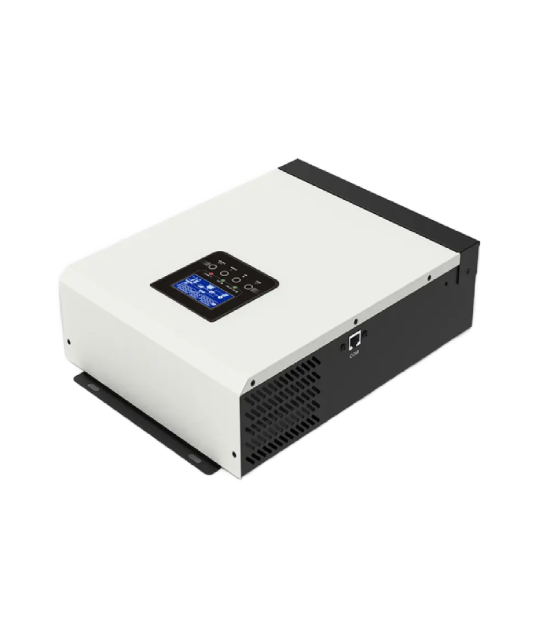
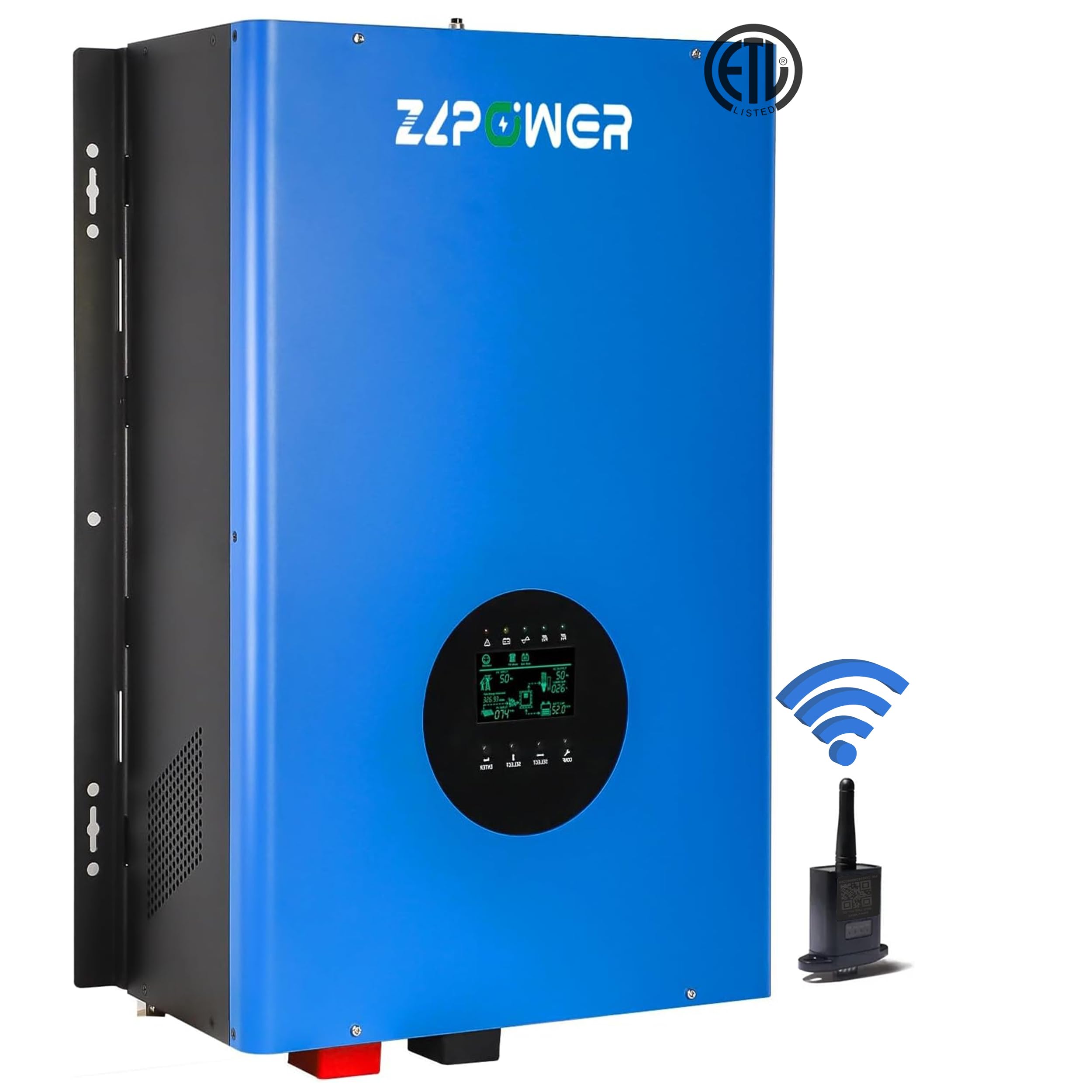
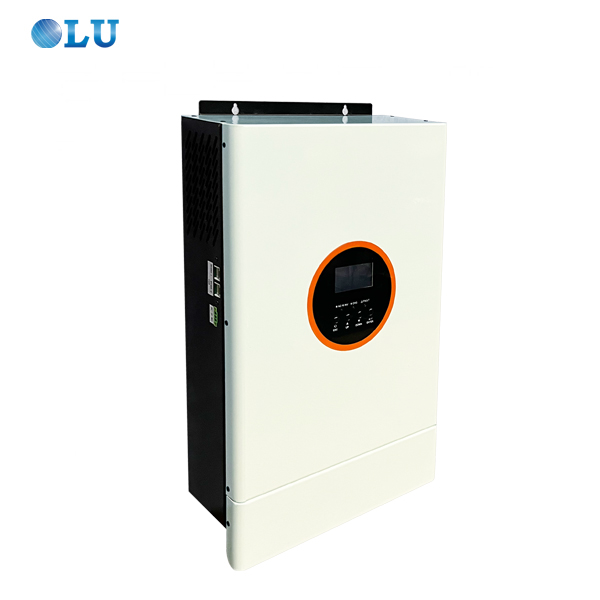
A hybrid solar inverter is an integrated power electronic system that combines the functionality of a grid-tied solar inverter, a battery charge controller, and a bidirectional battery inverter into a single hardware unit. Unlike conventional string inverters that only convert DC photovoltaic (PV) output to AC grid power, hybrid inverters manage multi-source energy flows—solar generation, battery storage, and utility grid connectivity—through intelligent DC-AC/AC-DC conversion algorithms.
Technical Cost Breakdown (Industrial Grade Systems):
– Entry-level residential (3–6 kW): $1,000–$2,500 per unit
– Commercial grade (6–10 kW): $2,000–$5,500 per unit
– Three-phase industrial (10–20 kW+): $2,500–$7,500+ per unit
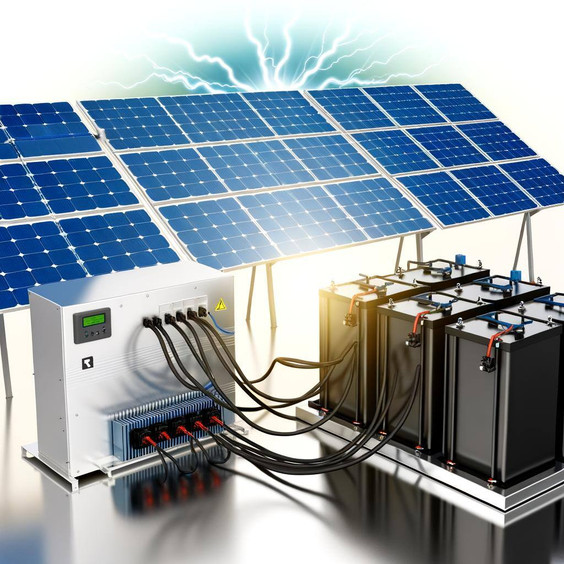
Cost premiums of 30–40% over standard grid-tie inverters reflect the additional power electronics for bidirectional conversion, advanced MPPT (Maximum Power Point Tracking) controllers, and grid-isolation safety circuitry required for battery integration.
Critical Technical Parameters Affecting Selection and Pricing
Power Rating and Phase Configuration
System capacity dictates inverter sizing. Single-phase units (220V/230V) dominate residential markets up to 10 kW, while three-phase configurations (380V/400V) are mandatory for industrial loads above 10 kW or commercial pumping applications. Undersizing leads to clipping losses; oversizing reduces MPPT efficiency.
MPPT Efficiency and Tracker Count
High-performance hybrid inverters feature dual or triple MPPT inputs with tracking efficiencies exceeding 99%. Multiple trackers allow for complex array orientations and partial shading mitigation. Each additional MPPT channel adds $150–$300 to unit cost but increases energy harvest by 5–15% in suboptimal conditions.
IP Protection Ratings for Harsh Environments
Industrial and agricultural deployments require IP65-rated enclosures for dust/water ingress protection. Standard IP20 indoor units cost 20–30% less but fail prematurely in outdoor or humid environments. For solar pumping systems in remote locations, IP65 is non-negotiable.
Battery Voltage and Chemistry Compatibility
Low-voltage systems (48V DC) suit residential storage but incur higher copper costs due to current limitations. High-voltage battery architectures (400V DC+) reduce cabling losses and support faster charging but require sophisticated insulation monitoring, increasing hardware costs by 15–25%.
Vector Control and Motor Compatibility
For solar pumping applications, the inverter must support PMSM (Permanent Magnet Synchronous Motor) and IM (Induction Motor) vector control algorithms. Sensorless vector control eliminates encoder wiring in remote pump installations while maintaining torque precision within ±0.5% rated speed.
Grid-Tie vs. Off-Grid Capability
Basic hybrid inverters offer grid-tie with limited backup (EPS) functionality. True off-grid/hybrid units with generator auto-start capability and 150% surge power rating for motor starting command 40–60% price premiums but eliminate grid dependency in remote installations.
Industrial Sizing and Sourcing Protocols
Load Analysis Protocol:
Calculate peak demand (kW) and daily energy consumption (kWh). For pumping systems, account for inrush currents—submersible pumps typically require 3–7x running current at startup. Size inverter continuous rating at 125% of maximum motor running current.
Voltage Matching:
Verify DC input voltage windows align with your PV array Voc (open circuit voltage) under lowest expected temperatures. Mismatch causes nuisance tripping or hardware damage.
Battery Sizing Integration:
Lithium iron phosphate (LiFePO4) batteries require 80% depth of discharge (DoD) calculations versus 50% for lead-acid. Hybrid inverters must support the specific battery management system (BMS) communication protocols (CAN, RS485) to prevent over-discharge failures.
Thermal Derating:
Inverters lose 1% efficiency per 10°C above 25°C ambient. In desert or tropical installations, specify inverters with 50°C full-power rating or provide adequate shading/enclosure cooling.
Future-Proofing:
Select units with expandable battery ports and parallel operation capability. Modular architectures allow capacity expansion without full system replacement, optimizing long-term ROI.
Why Source Inverters/VFDs from China?
China maintains global leadership in power electronics manufacturing, controlling 80%+ of solar inverter production capacity. Sourcing directly from established Chinese factories offers distinct engineering and commercial advantages:
Related Technical Insight
Advanced R&D Integration: Leading Chinese manufacturers operate integrated R&D centers where firmware development, PCB design, and thermal engineering occur simultaneously. This vertical integration reduces prototype-to-production cycles from months to weeks.
Cost-Effective Manufacturing: Direct factory access eliminates distributor markups (typically 25–40%) while maintaining IEC 62109, UL 1741, and CE certification standards. Modern automated SMT lines and 100% burn-in testing ensure consistency at volume.
Customization Agility: Chinese OEM facilities accommodate firmware customization, branding, and mechanical modifications (enclosure colors, terminal configurations) with minimum order quantities (MOQs) as low as 50–100 units for established partners.
Supply Chain Resilience: Proximity to rare earth magnet suppliers, IGBT module manufacturers, and lithium battery ecosystems ensures shorter lead times and lower logistics costs for complete system integration.
Boray Inverter: Your Strategic OEM/ODM Partner for Advanced Motor Control
Boray Inverter (borayinverter.com) specializes in high-performance Solar Pump Inverters and Variable Frequency Drives (VFDs) engineered for demanding agricultural and industrial applications. Our technical differentiation includes:
- Engineering-First Culture: 50% of our workforce comprises R&D engineers specializing in motor control algorithms and power electronics
- Advanced Vector Control: Proprietary mastery of PMSM and IM vector control enables precise torque management for submersible pumps and heavy industrial loads without external sensors
- Manufacturing Excellence: Two modern automated production lines with 100% full-load testing before delivery ensures zero-defect shipment
- Application Expertise: Specialized solutions for solar pumping, HVAC, and industrial automation with IP65 protection options for harsh environments
Whether you require wholesale pricing for standard VFDs or custom firmware solutions for specialized solar pumping systems, Boray provides the engineering partnership to optimize your project ROI. Contact our technical sales team today for competitive wholesale quotations and OEM customization options.
Frequently Asked Questions (FAQs)
What is the fundamental difference between a hybrid inverter and a standard solar inverter?
A standard solar inverter performs unidirectional DC-to-AC conversion for immediate grid export or self-consumption. A hybrid inverter adds bidirectional capability, managing AC-to-DC conversion for battery charging, DC-to-AC inversion for battery discharge, and intelligent load prioritization between solar, storage, and grid sources—all within unified hardware.
Can hybrid inverters operate completely off-grid without utility connection?
Most hybrid inverters support “off-grid mode” but with limitations. True off-grid operation requires specific models with generator auto-start capability, high surge power ratings (200%+ for motor starting), and grid-forming frequency regulation. Standard hybrid units provide backup power for essential circuits only (lights, refrigeration) during outages, not full off-grid capability.
How do I size a hybrid inverter for a solar pumping system with 15HP submersible motor?
Size for 125% of motor running current minimum. A 15HP (11kW) motor draws approximately 22A at 380V three-phase. Specify a 15kW hybrid inverter with 150% overload capacity for 60 seconds to handle pump starting torque. Verify the unit supports PMSM vector control if using permanent magnet pumps for maximum efficiency.
What IP rating is required for outdoor solar inverter installations in tropical climates?
IP65 is mandatory for outdoor tropical deployment. This rating ensures complete dust protection and resistance to low-pressure water jets from any direction. IP20 or IP54 units will suffer corrosion and premature failure in high-humidity, high-salt environments.
Why does battery voltage configuration affect hybrid inverter pricing?
High-voltage battery systems (400V+) require reinforced insulation monitoring, higher voltage-rated IGBTs, and sophisticated safety interlocks compared to 48V architectures. These additional protection circuits and components increase material costs by 15–25%, but high-voltage systems reduce copper losses and support faster charging rates, improving overall system efficiency by 2–4%.